
Idaho, often celebrated for its breathtaking natural landscapes and outdoor adventures, also harbors a less frequently discussed but equally significant aspect of its identity: its educational standing. While not always the focus of national headlines, understanding where Idaho ranks in education offers valuable insights for residents, prospective families, and those interested in the state’s overall development. This exploration delves into key metrics and comparative analyses to paint a comprehensive picture of Idaho’s educational performance.
Key Metrics of Educational Performance
Assessing a state’s educational prowess involves examining a range of indicators that reflect the quality of its K-12 system, higher education institutions, and overall educational attainment. These metrics provide a foundational understanding of how Idaho measures up against its peers.

K-12 System Performance
The foundation of any educational system lies in its K-12 schools. Metrics such as standardized test scores, graduation rates, student-teacher ratios, and per-pupil spending are crucial indicators. While Idaho consistently strives for improvement, its performance in these areas can vary. For instance, graduation rates have seen positive trends in recent years, reflecting increased focus on student retention and support services. However, standardized test scores often place Idaho in the middle tier nationally, suggesting areas for targeted intervention and curriculum enhancement. Per-pupil spending also remains a point of discussion, with Idaho often ranking below the national average, which can impact resources available to schools.
Higher Education Landscape
Beyond K-12, the strength of a state’s higher education system plays a vital role in its economic and social progress. Idaho boasts several reputable institutions, including Boise State University and the University of Idaho. These universities offer a diverse range of programs, contributing to research, innovation, and a skilled workforce. Rankings for these institutions often reflect their national standing in specific fields, with some programs achieving recognition for excellence. Factors such as research funding, faculty-student ratios, and graduate success rates are key differentiators.
Educational Attainment
The ultimate measure of an educational system’s success is the attainment level of its population. This includes the percentage of adults holding high school diplomas, associate’s degrees, bachelor’s degrees, and advanced degrees. Idaho has made strides in increasing its overall educational attainment, with a growing number of residents pursuing post-secondary education. However, like many states, it faces the challenge of ensuring equitable access to educational opportunities across all demographics and geographic regions.
Comparative Rankings and Analyses
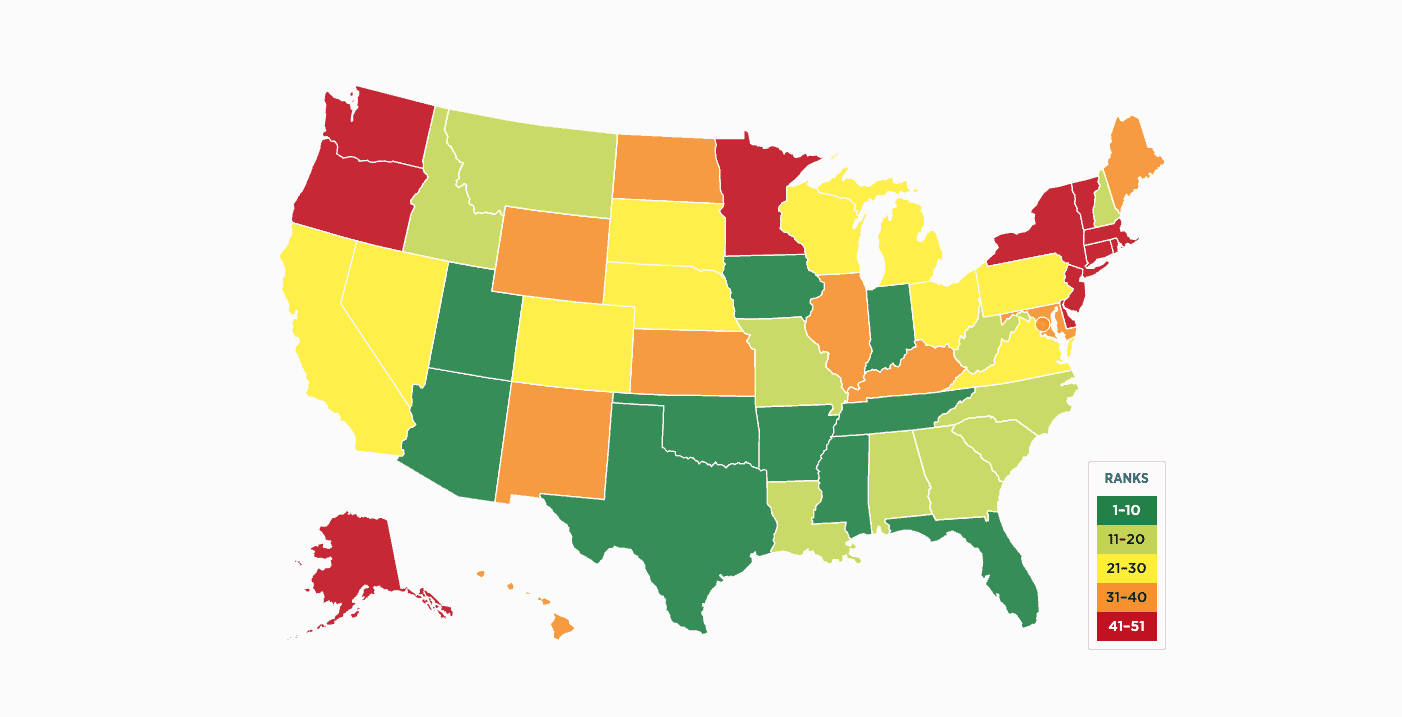
To truly understand Idaho’s educational position, it’s essential to compare its performance with other states. Various organizations and publications conduct annual rankings based on a multitude of factors, providing different perspectives on educational quality.
National Education Rankings
Numerous organizations, such as U.S. News & World Report and WalletHub, regularly publish rankings of state education systems. These rankings often consider a broad spectrum of data, from K-12 achievement and college readiness to higher education affordability and adult learning opportunities. In these analyses, Idaho typically falls somewhere in the middle to lower-middle tier. For instance, U.S. News & World Report’s “Best States” rankings, which include education as a major component, often place Idaho outside the top 20. This is frequently attributed to factors such as lower per-pupil spending and disparities in academic outcomes compared to states with more robust educational funding and support structures.
Strengths and Weaknesses Revealed
Delving deeper into these rankings reveals specific strengths and weaknesses. One of Idaho’s perennial strengths lies in the affordability of its higher education institutions, making college more accessible for many students. Additionally, the state’s vocational and technical education programs are often highlighted for their effectiveness in preparing students for skilled trades and specific industries. Conversely, areas where Idaho often lags include early childhood education access and the overall academic performance of its K-12 students on national assessments.
Regional Comparisons
Comparing Idaho to its neighboring states in the Mountain West region can offer a more localized context. States like Utah and Montana often demonstrate comparable or slightly higher rankings in certain educational metrics. Factors such as population density, economic diversity, and historical investment in education can contribute to these differences. Understanding these regional dynamics can inform policy decisions and resource allocation within Idaho.
Factors Influencing Idaho’s Educational Landscape
Several underlying factors contribute to Idaho’s position in educational rankings. These include economic conditions, demographic trends, and policy decisions made at the state level.
Economic and Demographic Influences
Idaho’s growing economy, particularly in sectors like technology and agriculture, has a direct impact on its educational system. A strong economy can translate into increased tax revenue for schools and greater demand for a skilled workforce, necessitating investment in education and training. Demographic shifts, such as an increasing birth rate and in-migration of families, also place demands on school resources and infrastructure. The state’s rural character, with many remote communities, presents unique challenges in providing equitable access to quality education and resources.
Policy and Investment
State-level policies related to education funding, curriculum development, teacher compensation, and accountability measures significantly shape educational outcomes. Idaho has seen various legislative efforts aimed at improving its educational system, from initiatives focused on literacy and STEM education to reforms in teacher certification and professional development. The level of investment in public education, measured by per-pupil spending, is a consistent point of consideration. States that consistently invest more in their educational systems often see better results in student achievement and overall educational attainment.
Challenges and Opportunities
Idaho faces distinct challenges, including bridging the achievement gap between different student populations, attracting and retaining high-quality teachers, particularly in rural areas, and ensuring adequate funding for all schools. However, these challenges also present significant opportunities for innovation and growth. Initiatives focused on personalized learning, leveraging technology to reach remote students, and fostering strong partnerships between schools and local communities are examples of forward-thinking approaches being explored.
Strategies for Educational Advancement
Recognizing where Idaho ranks necessitates a discussion on strategies that can elevate its educational standing. These strategies often involve a multi-faceted approach, addressing K-12, higher education, and lifelong learning.
Enhancing K-12 Outcomes
To improve K-12 performance, focus areas include early childhood education, which lays a critical foundation for future learning. Expanding access to high-quality pre-kindergarten programs can significantly impact long-term academic success. Furthermore, strengthening teacher recruitment and retention efforts, perhaps through competitive salaries and robust professional development opportunities, is paramount. Investing in updated curriculum and resources that align with contemporary educational standards and incorporating innovative teaching methodologies are also key. Addressing disparities in academic achievement by providing targeted support for underserved student populations is essential for equitable progress.
Strengthening Higher Education and Workforce Development
Idaho’s higher education institutions, such as Boise State University and Idaho State University, are vital engines for economic growth. Collaborative efforts between these institutions and industry leaders can ensure that educational programs are aligned with the demands of the workforce. This includes expanding access to vocational training, apprenticeships, and STEM-focused degrees. Policies that promote affordability and accessibility in higher education, such as scholarships and grants, can help more Idahoans pursue advanced degrees and certifications.
Fostering a Culture of Lifelong Learning
Beyond formal schooling, promoting a culture of lifelong learning is crucial for individual and societal advancement. This can involve supporting adult education programs, encouraging community-based learning initiatives, and making resources for professional development readily available. As the economy evolves, the ability of individuals to adapt and acquire new skills becomes increasingly important, and Idaho can play a role in facilitating this continuous learning journey for its residents.

Conclusion: The Trajectory of Idaho’s Education
While Idaho may not consistently top national education rankings, its educational landscape is dynamic and evolving. Understanding its current position, acknowledging its strengths, and proactively addressing its weaknesses are vital steps toward progress. By focusing on strategic investments, innovative policies, and a commitment to educational equity, Idaho can continue to build a stronger educational future for all its residents, preparing them for success in an increasingly complex world. The journey of educational improvement is ongoing, and Idaho’s commitment to this pursuit will ultimately define its future standing.
LifeOutOfTheBox is a participant in the Amazon Services LLC Associates Program, an affiliate advertising program designed to provide a means for sites to earn advertising fees by advertising and linking to Amazon.com. Amazon, the Amazon logo, AmazonSupply, and the AmazonSupply logo are trademarks of Amazon.com, Inc. or its affiliates. As an Amazon Associate we earn affiliate commissions from qualifying purchases.