
The Lone Star State, renowned for its scorching summers and sprawling deserts, might not be the first place that springs to mind when contemplating a winter wonderland. Yet, defying widespread assumptions, certain regions of Texas do experience snowfall, transforming the landscape into a surprisingly picturesque scene. While a blizzard is a rarity, a dusting of snow is not unheard of, especially in the western and northern parts of the state. Understanding where and when to potentially witness this phenomenon requires a closer look at Texas’ diverse geography and climatic patterns.
This exploration delves into the locales that are most likely to don a white mantle, offering a unique perspective on Texas’ winter charm. From the mountainous terrains of the Trans-Pecos region to the higher elevations of the Panhandle, these areas present the best chances for experiencing snow. We’ll uncover the specific geographical features that contribute to these wintry conditions and the typical timing of these infrequent but enchanting events.

High Plains and Panhandle Perceptions of Precipitation
The northernmost reaches of Texas, the Panhandle and the High Plains, are statistically the most likely areas to receive snowfall. This is primarily due to their higher latitude and elevation compared to the rest of the state. The weather systems that bring snow to more northerly states often extend southward, and the Panhandle is the first to intercept them.
Amarillo: A Panhandle Snow Hub
The city of Amarillo is often cited as the snowiest major city in Texas. Situated at an elevation of approximately 3,600 feet, its cooler temperatures and proximity to colder air masses make it a prime candidate for snow. While accumulations vary significantly year to year, Amarillo can expect several inches of snow during an average winter. The Palo Duro Canyon State Park, known as the “Grand Canyon of Texas,” offers a breathtaking backdrop when dusted with snow, creating a stark contrast with its iconic red rock formations. Visitors looking for a winter escape in this region might find the landscape transformed, offering a unique hiking and photography opportunity.
Lubbock and Surrounding Areas
Further south in the High Plains, cities like Lubbock also experience winter weather, including the possibility of snow. While generally receiving less snow than Amarillo, Lubbock’s elevation and northern position still grant it a higher likelihood of snow events compared to the central and southern parts of the state. The flat, open terrain of the High Plains can be particularly striking when covered in a blanket of white, offering a serene and expansive winter panorama.
Trans-Pecos Elevations and the Enchantment of White
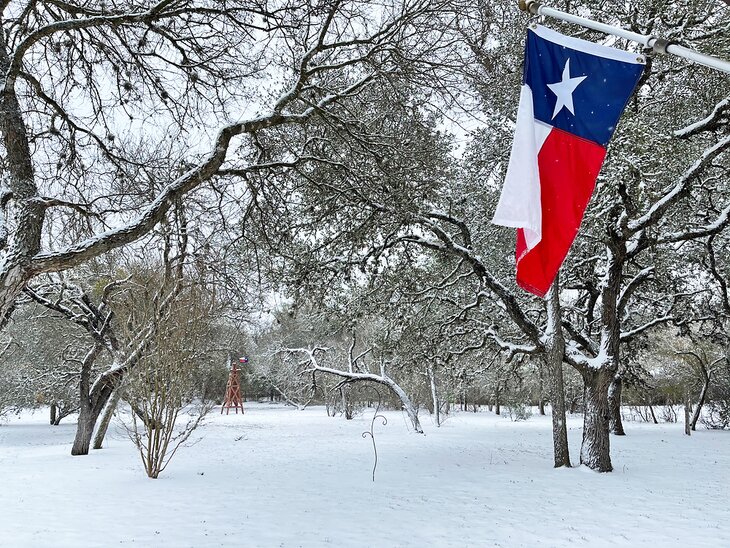
The westernmost part of Texas, the Trans-Pecos region, is characterized by its rugged mountains and high desert plateaus. This elevated terrain presents another significant area where snowfall is not only possible but also more common than in many other parts of the state. The lower density of population here means that snow often blankets natural landscapes, creating untouched winter scenes.
Guadalupe Mountains National Park
The Guadalupe Mountains National Park, home to the highest peak in Texas, Guadalupe Peak (8,751 feet), is a prime location for experiencing snow. At these altitudes, temperatures are consistently colder, and precipitation often falls as snow during the winter months. The park’s remote and rugged beauty is amplified by a layer of snow, turning towering limestone cliffs and desert flora into a unique wintry spectacle. Hiking trails, while potentially challenging with snow, offer unparalleled views and a truly unique Texas winter adventure for the intrepid traveler.
Big Bend Ranch State Park and Surrounding Areas
While Big Bend National Park is more famous for its desert landscapes, its higher elevations and the adjacent Big Bend Ranch State Park can also receive snow. Areas like the Davis Mountains, home to Fort Davis and the McDonald Observatory, are at elevations conducive to winter precipitation. The dark skies, already a major draw for astronomy enthusiasts, can become even more dramatic against a snowy landscape, offering a rare and captivating experience.
When to Expect Texas Snowfall: A Seasonal Outlook
Understanding the seasonality of snowfall in Texas is crucial for anyone hoping to witness this event. While the state’s winters are generally mild, the coldest months are the ones that hold the potential for snow.
Winter Months: December Through February
The core winter months, from December through February, are when Texas is most likely to see snow. Cold fronts originating from the north can penetrate deep into the state, bringing temperatures below freezing. When these cold air masses coincide with moisture from passing weather systems, snowfall can occur. The frequency and intensity, however, are highly variable. A mild winter might see only trace amounts or no snow at all in some of these regions, while an unusually cold and wet winter could bring significant accumulations.
Occasional Late Autumn and Early Spring Dustings
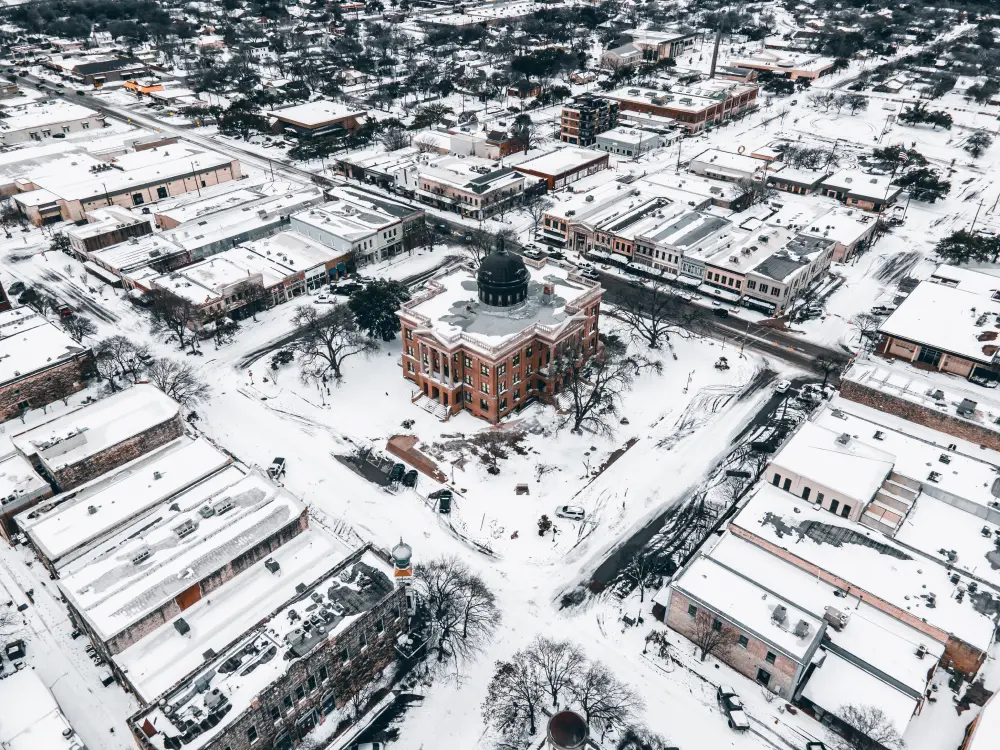
While less common, the shoulder months of November and March can occasionally bring surprise snowfalls to the northern and western parts of Texas. These events are typically short-lived and result in light dustings rather than prolonged snow cover. Nevertheless, they serve as reminders of the state’s diverse climate and its capacity for unexpected winter beauty. Planning a trip around specific dates is generally not feasible for guaranteed snow, but for those exploring the aforementioned regions during the winter months, the possibility adds an element of delightful surprise to the travel experience.
LifeOutOfTheBox is a participant in the Amazon Services LLC Associates Program, an affiliate advertising program designed to provide a means for sites to earn advertising fees by advertising and linking to Amazon.com. Amazon, the Amazon logo, AmazonSupply, and the AmazonSupply logo are trademarks of Amazon.com, Inc. or its affiliates. As an Amazon Associate we earn affiliate commissions from qualifying purchases.