
While the allure of Louisiana often conjures images of vibrant New Orleans jazz, the rich history of Plantation Country, and the unparalleled culinary delights found from the Acadian heartland to the Gulf Coast, a deeper dive into the state reveals a complex picture. Beyond the tourist trails and resort brochures, lies the crucial domain of education, a sector that profoundly shapes the future of its citizens and the state’s economic vitality. Understanding Louisiana’s standing in education requires looking beyond the surface attractions and examining the data, trends, and initiatives that define its academic landscape. This article aims to unpack where Louisiana truly ranks in education, exploring the factors that contribute to its position and the ongoing efforts to foster improvement.
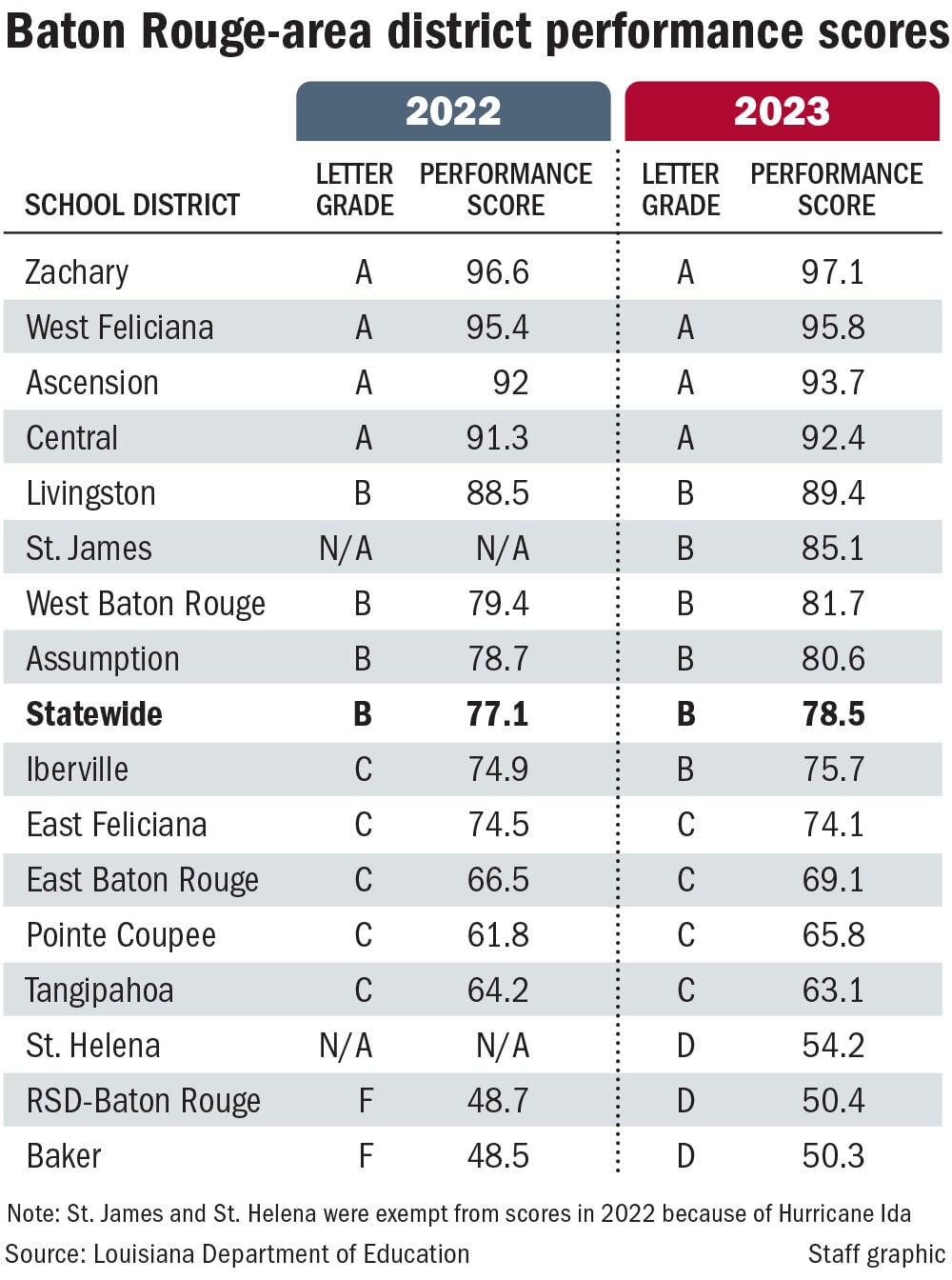
The conversation around education rankings is multifaceted, with various organizations and methodologies providing different perspectives. Generally, these rankings consider a range of indicators, including but not limited to: student performance on standardized tests, graduation rates, college readiness, teacher qualifications, funding levels, and disparities in educational outcomes. For Louisiana, the picture is often mixed, with areas of strength alongside significant challenges.
Understanding the Metrics: How Louisiana Measures Up
To accurately assess Louisiana’s educational standing, it’s essential to understand the common metrics used in national comparisons. These metrics provide a quantifiable basis for evaluating the state’s progress and identifying areas for targeted intervention.
Student Achievement and Graduation Rates
One of the most widely cited indicators of educational success is student achievement, often measured through standardized tests like the National Assessment of Educational Progress (NAEP), often dubbed “the nation’s report card.” Louisiana’s performance on these assessments has historically placed it in the lower half of states. While there have been fluctuations and some signs of improvement in specific areas, consistent top-tier performance remains an aspiration.
Closely linked to achievement is the high school graduation rate. Louisiana has seen a positive trend in this regard, with rates climbing over the years. However, the quality of education received by those graduating is as important as the rate itself. Higher graduation rates are a positive indicator, but they must be accompanied by evidence of genuine learning and preparedness for post-secondary education or the workforce. When these factors are considered, the overall picture becomes more nuanced. The state’s commitment to improving graduation rates is commendable, but the focus must also extend to ensuring that graduates are equipped with the skills and knowledge necessary to thrive.
College Readiness and Post-Secondary Attainment
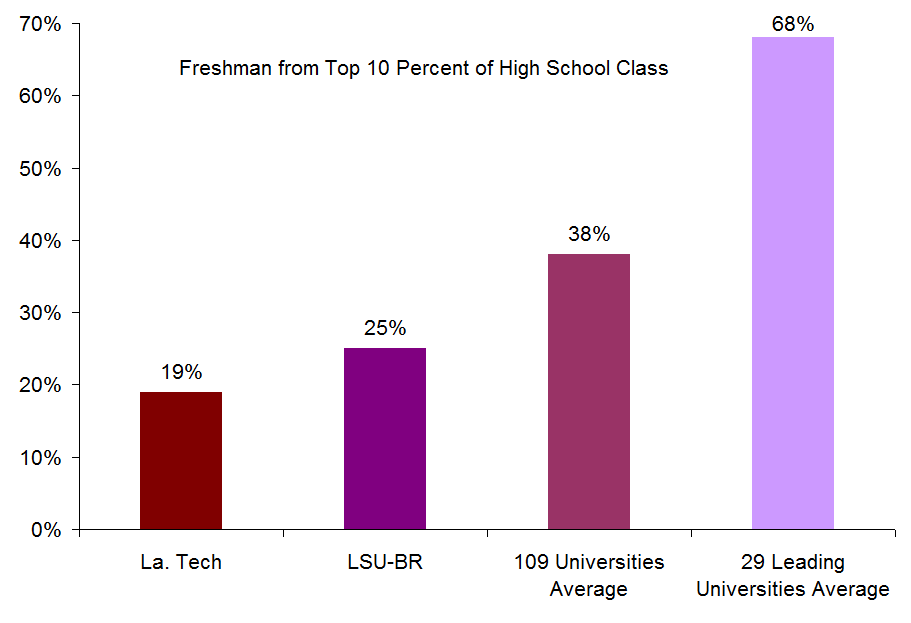
The ultimate goal of a robust K-12 education system is to prepare students for success in college, vocational training, or immediate entry into the workforce. College readiness, often measured by factors such as participation in advanced placement courses, scores on college entrance exams like the SAT and ACT, and the percentage of students enrolling in higher education, is another area where Louisiana’s rankings often reflect national challenges. While there are pockets of excellence, particularly in some of the state’s more affluent districts and specialized schools, the statewide average can be lower compared to other states.
Post-secondary attainment, which looks at the percentage of adults with degrees or certifications, is a long-term indicator of educational system effectiveness. Louisiana, like many Southern states, has historically faced challenges in boosting these numbers. Initiatives aimed at increasing access to higher education, promoting community college pathways, and supporting adult education programs are crucial for improving this metric over time. The state’s Board of Regents plays a vital role in shaping these post-secondary initiatives, working to align educational offerings with the needs of the state’s economy.
Teacher Quality and School Funding
The backbone of any educational system is its teachers. Factors like teacher salaries, professional development opportunities, teacher retention rates, and the overall experience and qualifications of the teaching workforce are critical. Louisiana has grappled with teacher shortages and competitive compensation issues in certain regions, which can impact the quality of instruction. Efforts to attract and retain highly qualified educators, particularly in high-need areas, are paramount to improving educational outcomes. Investments in teacher training programs and competitive salary structures are often cited as key strategies for addressing these challenges.
School funding is another perennial topic of discussion. The amount of resources allocated to public education, and how those funds are distributed, significantly influences the educational environment. This includes everything from classroom resources and technology to teacher-to-student ratios and extracurricular programs. Louisiana’s per-pupil spending has often been a point of concern when compared to national averages. Debates around property taxes, state budgets, and equitable distribution of funds across different school districts are ongoing. Ensuring adequate and equitable funding is a fundamental step toward enhancing the quality of education statewide.
Navigating the Educational Landscape: Key Initiatives and Challenges
Louisiana’s educational journey is marked by a series of ongoing efforts to address its ranking and improve outcomes for its students. These initiatives often involve a complex interplay of policy, community engagement, and innovative educational approaches.
Early Childhood Education and K-12 Reforms
Recognizing that a strong foundation is built early, Louisiana has made significant strides in expanding access to quality early childhood education programs. The Louisiana Pathway to the Ranks initiative, for instance, has focused on improving the quality of childcare and preschool, aiming to better prepare young children for kindergarten. This early investment is seen as a critical factor in reducing achievement gaps and setting students on a path to long-term academic success.
In the K-12 sphere, reforms have often centered on curriculum development, accountability measures, and the implementation of new teaching methodologies. Efforts to align state standards with national best practices, enhance assessment tools, and provide targeted support for struggling students are ongoing. The role of the Louisiana Department of Education in overseeing these reforms is substantial, working to implement legislative mandates and guide school districts in their pursuit of educational excellence. Challenges remain in ensuring that these reforms translate into tangible improvements in student learning across all demographics and geographic regions.
Higher Education and Workforce Development
The connection between education and economic opportunity is undeniable. Louisiana’s higher education institutions, including its public universities and community colleges, play a pivotal role in preparing the state’s workforce. The Louisiana Community and Technical College System (LCTCS), with its network of campuses across the state, is particularly focused on providing skills-based training and certifications that meet the demands of local industries.
Initiatives aimed at fostering stronger partnerships between educational institutions and businesses are crucial for ensuring that graduates possess the in-demand skills needed for employment. This includes programs focused on science, technology, engineering, and mathematics (STEM) fields, as well as training for skilled trades. The state’s economic development strategies are often intertwined with its educational goals, with a focus on building a skilled labor force that can attract and retain businesses. The future economic prosperity of Louisiana is heavily reliant on the success of its educational institutions in preparing its citizens for the jobs of tomorrow.

Addressing Disparities and Promoting Equity
A persistent challenge in Louisiana’s educational landscape, as in many states, is the existence of significant disparities in educational outcomes based on socioeconomic status, race, and geographic location. Students in low-income communities and rural areas often face greater obstacles to accessing high-quality education, including under-resourced schools, limited access to advanced coursework, and challenges in teacher recruitment.
Addressing these disparities requires a multifaceted approach that includes targeted funding for underserved schools, programs designed to close achievement gaps, and initiatives that promote educational equity. Efforts to recruit and retain diverse and highly qualified teachers in high-need areas are also essential. The state’s commitment to ensuring that every child, regardless of their background, has the opportunity to receive an excellent education is a fundamental aspect of its educational reform agenda. Understanding the root causes of these disparities and implementing evidence-based interventions are critical steps toward creating a more equitable educational system. The Southern Education Foundation often conducts research and advocates for policies that address educational inequity across the region, providing valuable insights for Louisiana.
In conclusion, Louisiana’s ranking in education is a dynamic and complex subject. While the state may not consistently appear at the very top of national rankings, this does not diminish the dedicated efforts of educators, policymakers, and communities working tirelessly to improve the educational experience for all students. By focusing on early childhood development, strengthening K-12 instruction, fostering robust higher education pathways, and relentlessly pursuing equity, Louisiana is actively working to enhance its educational standing and secure a brighter future for its citizens. The journey is ongoing, but the commitment to progress is clear.
LifeOutOfTheBox is a participant in the Amazon Services LLC Associates Program, an affiliate advertising program designed to provide a means for sites to earn advertising fees by advertising and linking to Amazon.com. Amazon, the Amazon logo, AmazonSupply, and the AmazonSupply logo are trademarks of Amazon.com, Inc. or its affiliates. As an Amazon Associate we earn affiliate commissions from qualifying purchases.