
Mammoth Mountain, a colossal presence in the Sierra Nevada range, consistently draws attention from skiers and snowboarders worldwide. Its sheer scale, consistent snowfall, and challenging terrain place it among the titans of North American ski destinations. To understand where it truly ranks, we must examine various metrics that define a premier ski resort experience, from the breadth of its skiable acreage and vertical drop to its snow quality, accessibility, and overall resort amenities. This analysis will place Mammoth Mountain within the broader landscape of elite ski destinations, allowing enthusiasts to gauge its standing against other legendary locales.
Mammoth Mountain’s Statistical Dominance
When evaluating ski resorts, raw statistical data provides a crucial foundation for comparison. Mammoth Mountain’s formidable statistics immediately position it in the upper echelons of the ski world.
Skiable Acreage and Terrain Variety
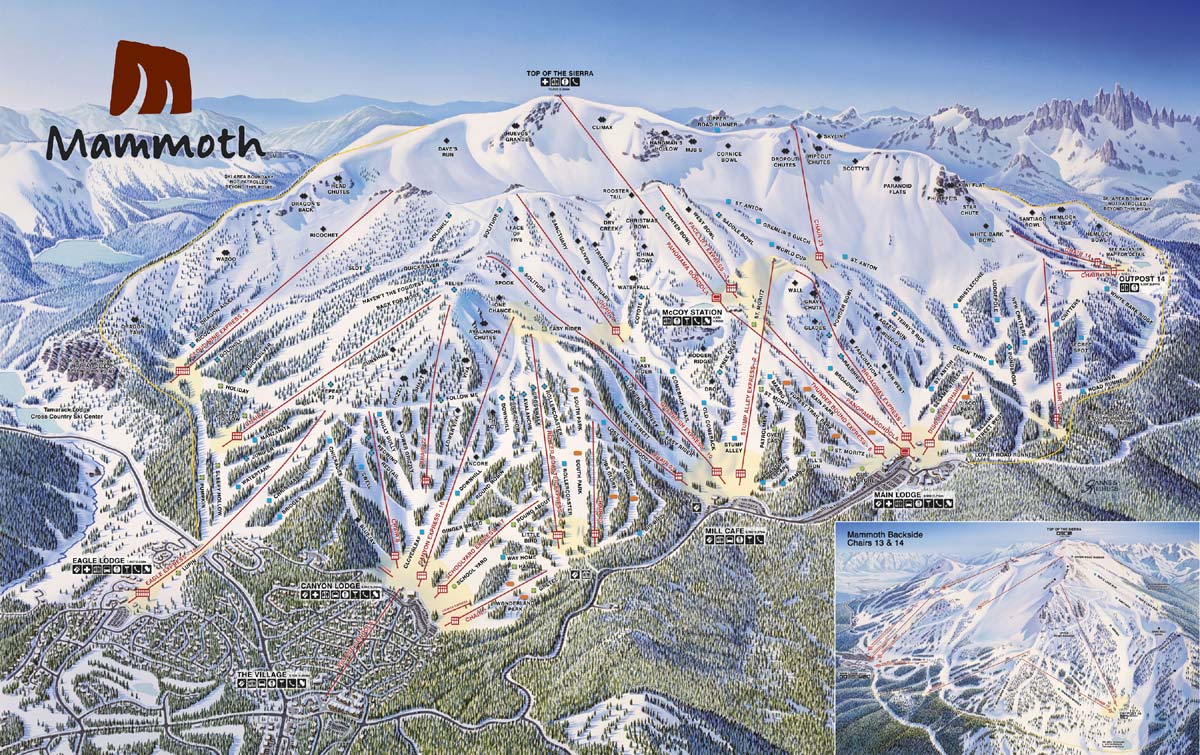
Mammoth Mountain boasts an impressive 3,500 acres of skiable terrain. This vast expanse ranks it among the largest ski resorts in the United States. For context, this acreage significantly exceeds many well-known resorts in Colorado and Utah, offering an unparalleled opportunity for exploration and varied experiences across its slopes. The resort’s terrain is meticulously carved across its summit, West, and Canyon lodges, offering a diverse mix suitable for all skill levels. Advanced skiers and snowboarders will find themselves drawn to the challenging chutes and steep faces near the summit, including the legendary Dave’s Run and the West Bowl. Intermediate skiers can navigate miles of well-groomed cruisers, while beginners have dedicated learning areas that provide a gentler introduction to the sport. This sheer volume of terrain ensures that even during peak seasons, the feeling of overcrowding is minimized, and the opportunity for fresh tracks is maximized.
Vertical Drop and Summit Elevation
Mammoth Mountain’s vertical drop is another standout feature, measuring a staggering 3,100 feet. This considerable descent is one of the longest in North America, rivaling and often surpassing that of many iconic Rocky Mountain resorts. Coupled with its summit elevation of 11,053 feet, Mammoth offers high-alpine conditions that contribute to its renowned snow quality and extended season. The high elevation ensures that the snow remains cold and dry, providing that coveted powder experience that skiers and snowboarders dream of. The extended vertical also means longer, more exhilarating runs, a significant draw for those seeking a substantial downhill experience.
Snowfall and Snow Quality
Mammoth Mountain is legendary for its snowfall, consistently receiving an average of over 400 inches of snow annually. This substantial accumulation places it among the snowiest ski resorts on the continent. The dry, cold air of the Sierra Nevada results in exceptional snow quality, often described as light and fluffy “Sierra Cement” or, more favorably, pristine powder. This consistent and high-quality snowfall is a critical factor in its ranking, as it ensures reliable conditions throughout the winter and into the spring, often extending the ski season well into summer months. This makes Mammoth a destination that can deliver on snow expectations even when other resorts are struggling.
Comparing Mammoth to Other Premier Ski Destinations
While Mammoth’s statistics are impressive, its true ranking is best understood by comparing it directly with other globally recognized ski resorts, considering factors beyond just raw numbers.

Western United States Contenders
In the western United States, Mammoth Mountain competes with giants like Aspen Snowmass in Colorado and Big Sky Resort in Montana. While Aspen Snowmass offers a more varied terrain across its four mountains and a sophisticated town atmosphere, Mammoth often surpasses it in sheer vertical and consistent snowfall. Big Sky Resort rivals Mammoth in scale and vertical, with its vast acreage and challenging terrain, but Mammoth often holds an edge in terms of consistent powder conditions due to its unique microclimate. Other contenders like Palisades Tahoe (formerly Squaw Valley and Alpine Meadows) offer incredible steeps and a rich history, but Mammoth’s overall size and predictable snowfall often give it an advantage in a direct statistical comparison of skiable terrain and snow volume.
Beyond the Rockies: Global Comparisons
When looking globally, Mammoth Mountain stands shoulder to shoulder with some of the most renowned resorts in the world. Resorts in the French Alps, such as Chamonix-Mont-Blanc, are famed for their extreme vertical and off-piste challenges, appealing to a different segment of expert skiers. However, Mammoth’s accessibility and vast, well-groomed intermediate terrain often make it more approachable for a broader range of skiers and families than some of the more specialist European resorts. In Canada, Whistler Blackcomb is a direct competitor, boasting immense acreage and a robust resort town. While Whistler often receives more snowfall in total, Mammoth’s specific snow quality and the dramatic, high-alpine environment of the Sierras offer a distinct appeal.
Factors Beyond the Slopes: Mammoth’s Unique Appeal
While statistics and terrain are vital, a ski resort’s ranking is also influenced by its atmosphere, accessibility, and the overall guest experience it provides.
Accessibility and Travel Logistics
Mammoth Mountain’s location in the Eastern Sierra Nevada presents a unique challenge and charm. While not as easily accessible as resorts closer to major metropolitan hubs like Denver or Salt Lake City, the advent of direct flights into Mammoth Yosemite Airport (MMH) from cities like Los Angeles and San Francisco has significantly improved access. This direct flight option bypasses the often lengthy and weather-dependent drive over mountain passes, making a trip to Mammoth more feasible for many. The journey itself, whether by air or car, offers stunning scenic vistas, contributing to the overall destination experience. For those driving from Southern California, the route through Death Valley National Park or along Highway 395 provides an unforgettable prelude to the snowy peaks.
Resort Village and On-Mountain Amenities
Mammoth Lakes, the gateway town to the mountain, offers a vibrant village experience with a range of accommodations, dining, and après-ski activities. The Village at Mammoth provides a central hub with shops, restaurants, and bars, creating a lively atmosphere after a day on the slopes. On-mountain, the resort offers a variety of dining options, from quick-service lodges to sit-down restaurants with panoramic views. The infrastructure is designed to handle large crowds efficiently, with modern lift systems that minimize wait times. The commitment to improving the guest experience is evident in ongoing investments in infrastructure and services, further solidifying its position as a top-tier resort.
The Unrivaled Mammoth Experience
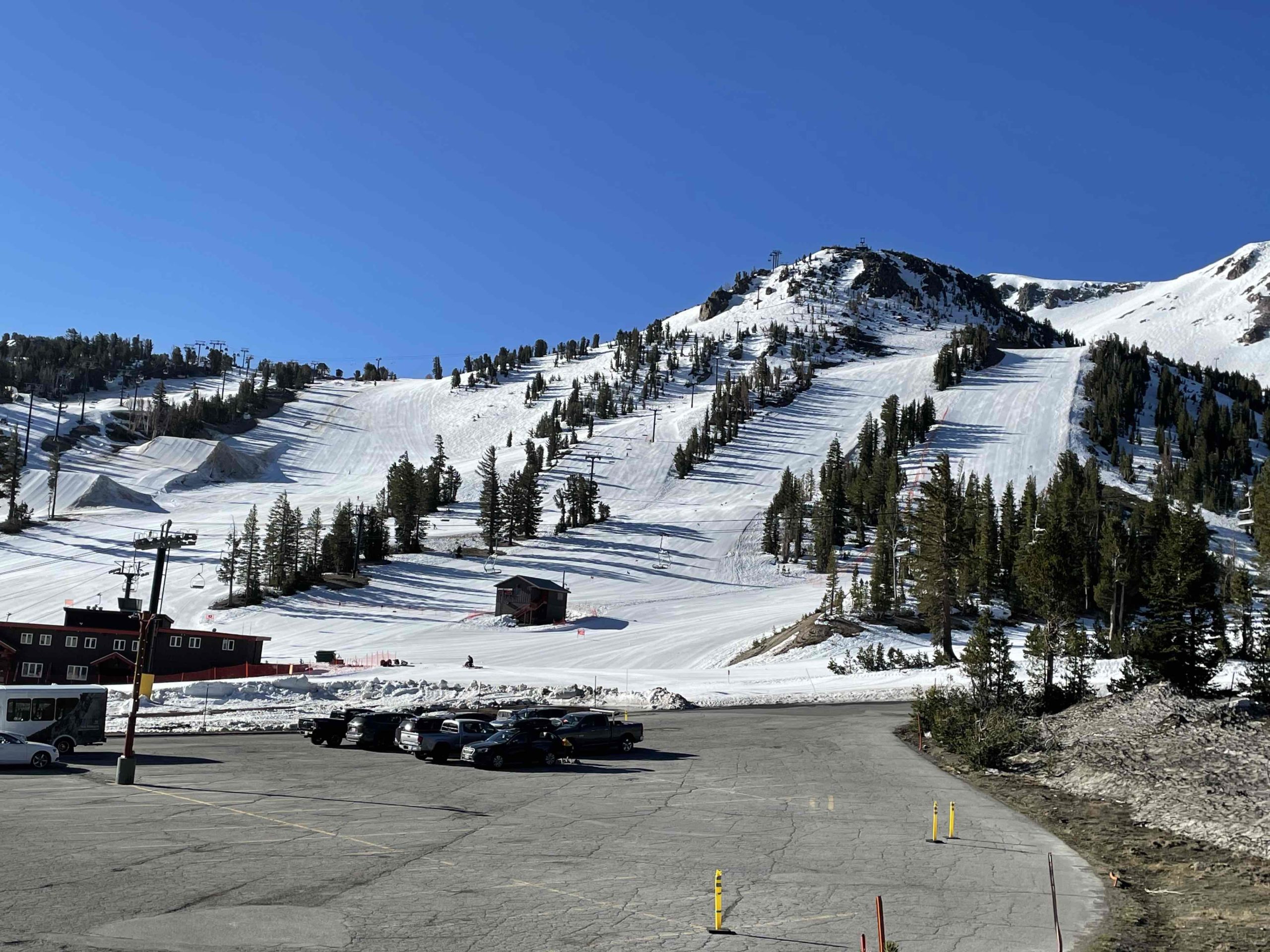
Mammoth Mountain is more than just statistics; it’s an experience. The sheer scale can feel overwhelming initially, but it translates into a sense of freedom and adventure. The volcanic origins of the mountain have shaped a unique landscape, with massive bowls, distinct rock formations, and an expansive summit offering 360-degree views of the surrounding Sierra Nevada. This dramatic, natural beauty, combined with the reliable snow and extensive terrain, creates a compelling package. It’s a place where a challenging day of skiing can be followed by a relaxing evening in a town that balances outdoor recreation with comfortable amenities, making it a comprehensive destination that consistently ranks high in the hearts of skiers and snowboarders.
In conclusion, Mammoth Mountain’s statistical prowess in terms of acreage, vertical drop, and snowfall firmly places it among the elite ski resorts in North America. When considering the breadth of terrain, the quality of the snow, and the growing accessibility and on-mountain amenities, Mammoth not only ranks highly but also offers a distinct and unforgettable experience that distinguishes it from many other celebrated mountain destinations. Its position is undeniably within the top tier, a testament to its natural grandeur and continuous development as a premier ski destination.
LifeOutOfTheBox is a participant in the Amazon Services LLC Associates Program, an affiliate advertising program designed to provide a means for sites to earn advertising fees by advertising and linking to Amazon.com. Amazon, the Amazon logo, AmazonSupply, and the AmazonSupply logo are trademarks of Amazon.com, Inc. or its affiliates. As an Amazon Associate we earn affiliate commissions from qualifying purchases.