
The Mississippi River is more than just a waterway; it’s a living legend, a geographical titan, and a cultural artery that has shaped the history, economy, and very soul of North America. Stretching for approximately 2,340 miles (3,766 kilometers), it is the second-longest river in North America, surpassed only by its tributary, the Missouri River. This magnificent landmark system drains all or parts of 32 U.S. states and two Canadian provinces between the Rocky and Appalachian Mountains, carving a path through diverse landscapes and countless communities before finally merging with the sea.

For travelers, historians, and nature enthusiasts alike, understanding where the Mississippi River begins its epic journey and where it gracefully concludes is key to appreciating its monumental significance. From its humble origins in a pristine northern lake to its dramatic expansion into a sprawling delta at the doorstep of the Gulf of Mexico, the river offers a unique narrative of American geography, tourism, and lifestyle. This article will embark on a virtual journey, tracing the river’s path from its modest headwaters to its grand confluence with the ocean, exploring the destinations, attractions, and experiences that define its incredible length.
The Illustrious Source: Lake Itasca, Minnesota
The quest for the Mississippi River’s source captivated explorers for centuries. Various theories and misidentifications plagued early attempts, but in 1832, American geographer and explorer Henry Schoolcraft definitively identified Lake Itasca as the river’s true headwaters. This discovery marked a pivotal moment in the mapping of the North American continent.
Discovering the Headwaters at Itasca State Park
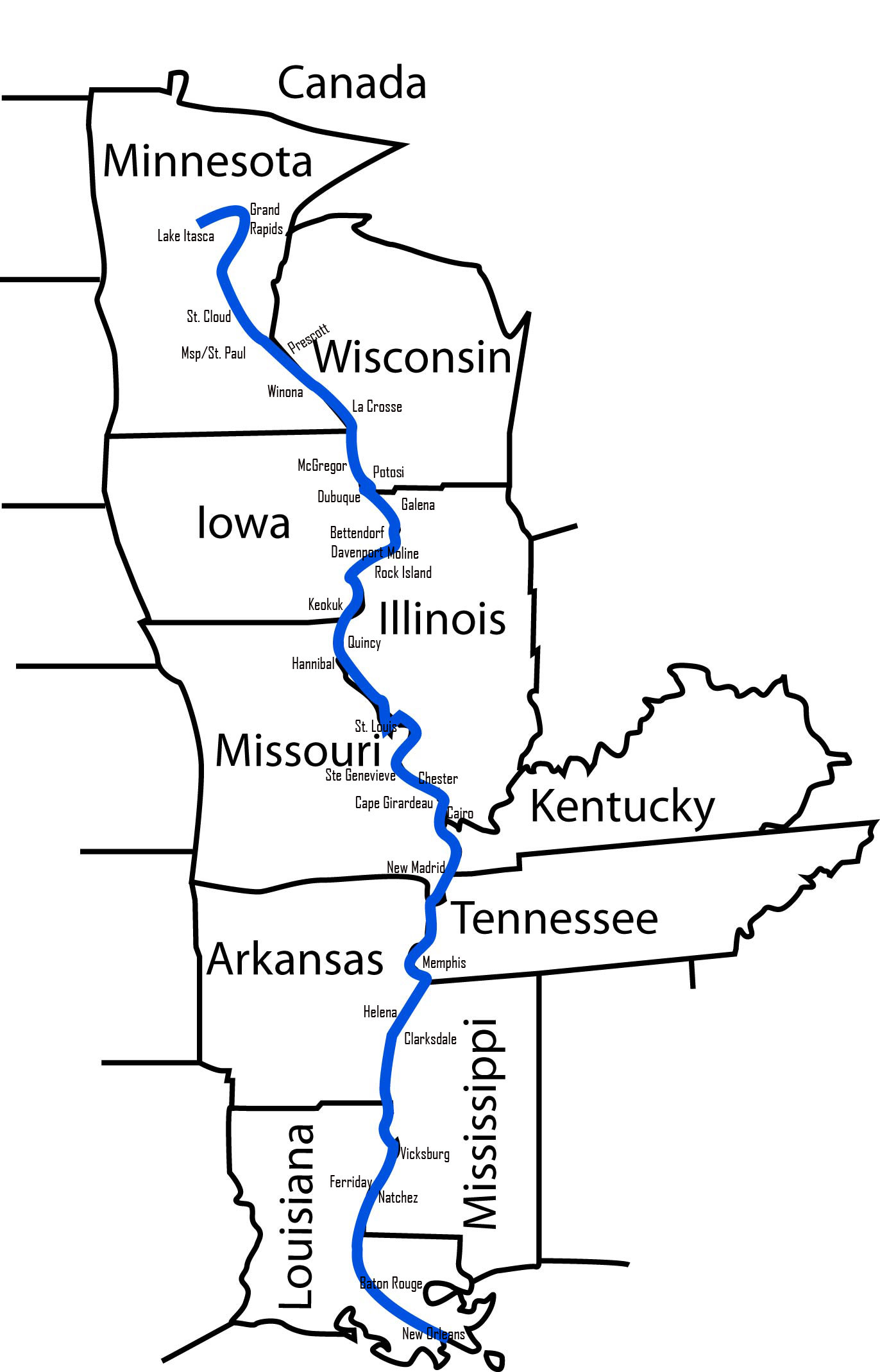
The mighty Mississippi River begins its legendary flow from a small, clear stream emptying out of Lake Itasca in Itasca State Park, located in Clearwater County, Minnesota. This unassuming spot, nestled within a picturesque landscape of ancient pine forests and tranquil waters, is a popular pilgrimage site for travelers seeking to witness the genesis of one of the world’s greatest rivers.
Lake Itasca itself is a relatively shallow, pristine body of water spanning about 1.8 square miles (4.7 square kilometers). Surrounded by the natural beauty of Itasca State Park, a designated National Natural Landmark, the area offers a serene escape and a deep connection to nature. Visitors can famously wade across the exact spot where the river begins, stepping from one bank to the other across a small, rocky ford—a truly unique photo opportunity and a tangible sense of accomplishment for any traveler.
Itasca State Park provides a wealth of outdoor activities. Miles of hiking and biking trails weave through old-growth forests, offering chances to spot local wildlife such as deer, bears, and over 200 species of birds. Canoeing and kayaking on Lake Itasca or the nascent Mississippi River are popular ways to immerse oneself in the peaceful surroundings. For those looking to extend their stay, the park offers various accommodation options, from rustic cabins and modern lodges to well-maintained campgrounds. Historic establishments like the Douglas Lodge, built in 1905, offer comfortable stays with a touch of heritage within the park itself.
Beyond the park, nearby towns like Bemidji and Park Rapids offer additional amenities, dining, and diverse hotel choices. This northern Minnesota region, rich in natural beauty and cultural heritage, truly sets the stage for the epic journey downstream.
A Majestic Journey: Traversing the American Heartland
From its humble beginnings, the Mississippi River steadily gains momentum, transforming from a narrow stream into an immense, powerful waterway. Its course defines the geography and history of numerous states, creating a vibrant tapestry of landscapes, cultures, and landmarks along its banks.
From Northern Wilderness to Agricultural Abundance
The upper stretch of the Mississippi River flows through Minnesota, Wisconsin, Iowa, Illinois, and Missouri. This segment is characterized by stunning bluffs, dense forests, and eventually, the expansive agricultural fields of the Midwest. Major cities here serve as hubs for tourism and commerce, each offering unique perspectives on river life.
In Minnesota, the Twin Cities of Minneapolis and St. Paul are the first major metropolitan areas the river encounters. Here, it is transformed into an urban river, framed by impressive bridges and historical structures. The Stone Arch Bridge in Minneapolis, offering panoramic views of the city skyline and the St. Anthony Falls, is a must-see. The Mill City Museum, built within the ruins of the Washburn A Mill, chronicles the city’s flour milling history, powered by the river itself. For accommodation, Minneapolis boasts a range of hotels, from the luxurious The Marquette Hotel to more budget-friendly options.
Further downstream, La Crosse, Wisconsin, nestled amidst majestic bluffs, is a charming city known for its scenic riverboat cruises and vibrant downtown. Dubuque, Iowa, offers a rich industrial history and is home to the excellent National Mississippi River Museum & Aquarium, providing an in-depth look at the river’s ecology and history. Hotel Julien Dubuque, a historic boutique hotel, offers a luxurious stay with a view of the river.
As the river reaches Missouri, it encounters St. Louis, a city steeped in the history of westward expansion. The iconic Gateway Arch, a 630-foot monument, symbolizes its role as the “Gateway to the West” and offers breathtaking views of the river and city. St. Louis provides a plethora of hotels, including the opulent Four Seasons Hotel St. Louis, perfect for luxury travelers.
Travel along this stretch often involves road trips on the scenic Great River Road, cycling parts of its extensive trail network, or enjoying a leisurely riverboat cruise. The lifestyle here is a blend of bustling urbanity and relaxed small-town charm, with ample opportunities for fishing, birdwatching, and enjoying the natural beauty.
The Lower Mississippi: Echoes of History and Southern Charm

Below the confluence with the Ohio River near Cairo, Illinois, the Mississippi River truly becomes the “Lower Mississippi,” flowing through Kentucky, Tennessee, Arkansas, Mississippi, and Louisiana. This section is synonymous with Southern culture, marked by cotton plantations, the birth of the blues, and significant Civil War history.
Memphis, Tennessee, is a vibrant city on the river’s eastern bank, famed as the home of blues, soul, and rock ‘n’ roll. Visitors flock to Beale Street for live music, explore Graceland (Elvis Presley’s former home), and reflect on history at the National Civil Rights Museum at the Lorraine Motel. The Peabody Memphis, a historic luxury hotel renowned for its duck march, offers an iconic stay.
Further south in Mississippi, Vicksburg is a pivotal Civil War battleground, with the Vicksburg National Military Park preserving the site of the siege. Natchez, a charming town famous for its antebellum mansions, offers a glimpse into the opulent pre-war South. Many of these historic homes now operate as stunning bed-and-breakfasts or inns, such as the Monmouth Historic Inn & Gardens, providing a truly immersive accommodation experience.
Baton Rouge, the capital of Louisiana, showcases the state’s rich political history, with the impressive Louisiana State Capitol standing as its tallest building. Tourism in this region thrives on its unique local culture, from the smoky flavors of Memphis BBQ to the spicy delights of Cajun and Creole food, and the soul-stirring sounds of music echoing through historic streets. Hotels along the Lower Mississippi often blend historic charm with modern amenities, catering to those seeking a taste of authentic Southern hospitality.
The Grand Finale: The Mississippi River Delta
The mighty Mississippi River’s long journey culminates in a vast, sprawling delta that empties into the Gulf of Mexico, southeast of New Orleans, Louisiana. This immense, dynamic ecosystem marks the definitive end of the river’s continental traverse.
The Mouth of the Mighty River in Louisiana
The Mississippi River Delta is an incredibly complex and biologically rich region, a mosaic of wetlands, bayous, and channels formed by centuries of sediment deposition. It’s a critical habitat for migratory birds, marine life, and serves as a major spawning ground for various fish species, making it a paradise for birdwatching and fishing enthusiasts. The delta’s ecological significance is immense, though it faces ongoing challenges from erosion and human impact. Travelers can explore parts of the delta through guided swamp tours, getting up close with alligators and other fascinating wildlife.
Just upstream from the delta lies New Orleans, arguably the most famous city on the entire Mississippi River. Known for its vibrant culture, distinctive architecture, and legendary music scene, New Orleans offers a sensory overload of experiences. The historic French Quarter, with its wrought-iron balconies and bustling Bourbon Street, is a magnet for visitors. The elegant Garden District showcases grand antebellum mansions, while the city’s unique Creole cuisine and the soulful sounds of jazz music pervade every street corner. Events like Mardi Gras draw international crowds, celebrating life with unparalleled exuberance.
Experiencing the Mississippi River in New Orleans is a quintessential part of any visit. Steamboat cruises offer a nostalgic journey on the river, complete with jazz bands and traditional Creole dining. For accommodation, New Orleans offers an exceptional range, from historic boutique hotels like Hotel Monteleone to luxurious resorts such as The Roosevelt New Orleans, A Waldorf Astoria Hotel. Whether opting for a luxury travel experience or a charming budget stay, the city delivers unparalleled hospitality. The river’s end here symbolizes both a geographical conclusion and a vibrant cultural beginning, a testament to its enduring influence.
Planning Your Mississippi River Adventure
Embarking on a journey along the Mississippi River is a dream for many, offering a rich tapestry of experiences that cater to every type of traveler. From its serene source to its bustling delta, the river invites exploration, historical reflection, and profound connection with American culture.
Diverse Travel Experiences and Accommodation Options
Planning your Mississippi River adventure can be as varied as the river itself. One of the most popular ways to experience its grandeur is by undertaking a road trip along the Great River Road. This designated scenic byway follows the river for nearly its entire length, offering countless opportunities to discover charming small towns, significant landmarks, and stunning natural vistas. Along this route, you’ll find an array of accommodation options, from quaint bed-and-breakfasts to well-known hotel chains in larger cities, allowing for flexibility whether you prefer luxury stays or more budget-friendly hotels.
For a more immersive experience, consider a multi-day riverboat cruise. Companies like the American Queen Steamboat Company offer voyages that recreate the elegance of 19th-century river travel, complete with gourmet dining, live entertainment, and guided excursions to historical sites along the banks. These cruises often feature all-inclusive packages, providing a luxurious and hassle-free way to explore the river. Shorter, scenic tours are also available in many cities, such as St. Louis, Memphis, and New Orleans, perfect for a quick taste of river life.
City breaks offer another fantastic way to engage with the Mississippi. Each major city along the river’s course—from Minneapolis and St. Paul to St. Louis, Memphis, and New Orleans—presents a distinct cultural identity and a plethora of attractions. Visitors can explore world-class museums, enjoy vibrant music scenes, savor unique local cuisine, and discover historical landmarks. These urban centers provide a wide variety of hotels, from high-end suites and resorts to charming boutique hotels and serviced apartments, catering to every preference and budget.
For those seeking nature and outdoor activities, the river offers numerous opportunities. From hiking and camping in Itasca State Park to exploring the wetlands of the delta, there are endless options for adventure travel. Many stretches of the river are excellent for fishing, kayaking, and enjoying the diverse wildlife. When booking accommodation, travelers should consider proximity to these natural sites, perhaps opting for a cabin rental or a secluded villa for a more private experience.
No matter your chosen style of travel, leveraging online resources for booking and reading reviews can significantly enhance your experience. Comparison websites can help find the best deals on hotels, resorts, or vacation rentals. Whether you’re planning a family trip, a romantic getaway, or a solo adventure, the Mississippi River offers a unique blend of history, culture, and natural beauty that promises an unforgettable journey.
The Mississippi River truly begins as a delicate trickle in Lake Itasca, Minnesota, and concludes its monumental journey by fanning out into the vast Mississippi River Delta before merging with the Gulf of Mexico in Louisiana. This epic traverse covers a staggering array of climates, topographies, and cultures, leaving an indelible mark on the landscape and the people who call its banks home. To trace its path is to embark on a quintessential American adventure, rich in history, natural splendor, and vibrant human stories. It remains a testament to nature’s power and an enduring symbol of connection and journey.
LifeOutOfTheBox is a participant in the Amazon Services LLC Associates Program, an affiliate advertising program designed to provide a means for sites to earn advertising fees by advertising and linking to Amazon.com. Amazon, the Amazon logo, AmazonSupply, and the AmazonSupply logo are trademarks of Amazon.com, Inc. or its affiliates. As an Amazon Associate we earn affiliate commissions from qualifying purchases.