
The mere mention of the Mississippi River conjures images of mighty steamboats, blues music drifting across moonlit waters, and a vital artery coursing through the heartland of the United States. From its vast delta in the Gulf of Mexico to the vibrant port cities it nourishes, the Mississippi is a legendary waterway, a symbol of American history, culture, and nature. But for all its grandeur and expansive reach, every epic journey begins with a single, humble step – or in this case, a single, humble trickle. The question of “Where does the Mississippi River start?” is a captivating invitation to explore a pristine natural landscape, a journey to the very genesis of one of the world’s most significant rivers.
For travelers, adventurers, and nature enthusiasts, discovering the Mississippi’s true source is more than just a geographical quest; it’s an immersive experience, a chance to connect with the raw, untamed beauty of Northern Minnesota. It’s an opportunity to stand at the very spot where a colossal river, destined to carve a path through ten states and span over 2,300 miles, begins as nothing more than a shallow, crystal-clear stream. This article will guide you through the mystical origins of the Mississippi River, revealing the landmarks, travel experiences, and unique lifestyle opportunities that await at its remarkable starting point. From planning your visit to choosing the perfect accommodation, prepare to embark on an unforgettable adventure to the cradle of the Big Muddy.

The Humble Beginnings: Unveiling Lake Itasca
The definitive answer to the question of the Mississippi River’s origin lies nestled within the serene wilderness of Itasca State Park in Minnesota. Here, a small, glacially formed lake named Lake Itasca holds the esteemed title of being the undisputed headwaters. Discovered and officially declared by explorer Henry Schoolcraft in 1832, after centuries of speculation and various expeditions, Lake Itasca offers a truly unique landmark experience for anyone fascinated by the power of nature and the journey of water.
A Landmark of Natural Wonder
Lake Itasca itself is a beautiful sight, a tranquil expanse of water approximately 1.8 square miles in area, dotted with picturesque islands and surrounded by ancient pine forests. The name “Itasca” is a fascinating blend, derived from the Latin words “veritas” (truth) and “caput” (head), cleverly combined by Henry Schoolcraft to mean “true head.” This pristine environment is a testament to conservation efforts, maintaining its natural integrity for generations of visitors. The lake is fed by underground springs and small feeder streams, culminating in the precise spot where the Mississippi River symbolically begins its epic voyage. It’s a place where the air is crisp, the water is clear, and the sense of being at a truly significant geographical point is palpable. The surrounding Itasca State Park, established in 1891, is Minnesota’s oldest state park and serves as a vital ecological preserve, safeguarding the river’s nascent ecosystem and offering a rich tapestry of flora and fauna for visitors to explore. Walking through these ancient woods, home to towering red and white pines, one can almost feel the weight of history and the silent, patient genesis of the continent’s most celebrated river. The Ojibwe people, indigenous to this land, have long revered this area, recognizing its spiritual and natural importance, adding another layer of cultural depth to this remarkable landmark.

The Iconic Cross-Over
What makes the headwaters of the Mississippi River at Lake Itasca an unparalleled travel attraction is the unique opportunity it presents: the chance to literally walk across the mighty Mississippi River at its very beginning. A famous log dam, built in the 1930s by the Civilian Conservation Corps, and a series of stepping stones allow visitors to traverse the modest stream as it gently tumbles out of Lake Itasca. This isn’t a bridge over a raging torrent; rather, it’s a whimsical, shallow crossing over ankle-deep water, where the river is barely wider than a jump. The experience is profoundly symbolic. Standing with one foot on each side, or simply wading through the cool, clear water, you become part of the river’s narrative. It’s a moment of reflection, realizing that this tiny rivulet will eventually swell into a colossal waterway, shaping landscapes, economies, and cultures all the way to the Gulf of Mexico. Families with children often find immense joy in this activity, creating lasting memories. There’s a rustic charm to the headwaters area, with interpretive signs detailing its history and ecology. A modest monument also marks the precise spot, providing a tangible reference point for photos and quiet contemplation. This iconic cross-over isn’t just a physical act; it’s an immersive, educational, and deeply personal connection to a global landmark, a quintessential Minnesota experience that draws visitors from across the world.
Journeying to the Source: A Travel Guide to Itasca State Park
Visiting the source of the Mississippi River is a bucket-list item for many, a blend of historical pilgrimage, natural exploration, and tranquil escape. Itasca State Park provides not only the iconic headwaters but also a comprehensive tourism experience, making it a premier destination for those seeking outdoor adventures and a deeper understanding of American geography.
Planning Your Adventure
Successfully planning your trip to Lake Itasca starts with understanding the best time to visit and how to get there. The park is accessible year-round, but each season offers a distinct experience. Summer (June-August) is the most popular time, offering warm weather perfect for water activities, hiking, and camping. However, it also means larger crowds. Spring (April-May) brings blossoming wildflowers and active wildlife, though temperatures can be cool. Fall (September-October) is arguably the most picturesque, with the deciduous trees ablaze in vibrant colors, creating breathtaking scenery ideal for photography and scenic drives, coupled with fewer visitors. Winter (November-March) transforms the park into a snowy wonderland, ideal for cross-country skiing, snowshoeing, and ice fishing, offering a serene and unique perspective of the headwaters, though some facilities may have reduced hours.
Access to Itasca State Park is primarily by car. It’s located in Northern Minnesota, approximately 3 hours northwest of St. Cloud and 4-5 hours northwest of the Twin Cities (Minneapolis-St. Paul). The closest major towns with full services are Bemidji (about an hour north) and Park Rapids (about 30-40 minutes south). Both offer amenities like gas stations, grocery stores, and various dining options. When packing, always consider layers, regardless of the season, as Minnesota weather can be unpredictable. Comfortable walking shoes are a must, along with insect repellent during warmer months, and plenty of water. Checking the Minnesota Department of Natural Resources website for current park conditions and alerts is always advisable.
Activities and Attractions
Beyond the iconic headwaters, Itasca State Park boasts a plethora of activities and attractions, making it a comprehensive destination for tourism and outdoor experiences. The park features over 30 miles of hiking trails, catering to all skill levels. Popular choices include the Lake Alice Trail and the Ozawindib Trail, which wind through old-growth forests and offer stunning views of the pristine lakes. Biking enthusiasts will appreciate the paved trails, including sections of the Lake Itasca loop, which allow for a leisurely tour around the lake. For those who prefer water-based adventures, kayaking, canoeing, and fishing are popular on Lake Itasca and other smaller lakes within the park. Rentals are available seasonally. Birdwatching is another cherished activity, with the park serving as a crucial habitat for a diverse array of bird species, including loons, eagles, and various waterfowl.
The Wilderness Drive is a scenic 10-mile loop that offers numerous pull-offs and interpretive stops, allowing visitors to explore different facets of the park’s ecology and history. Along this drive, you’ll encounter historical sites such as Brower’s Point, named after Jacob V. Brower, the park’s first superintendent, and the Jacob V. Brower Visitor Center, which provides excellent exhibits on the park’s natural and cultural history. Guided tours, ranger programs, and educational events are often available, especially during the peak summer months, enriching the visitor experience with expert insights into the park’s unique features. A visit to the historic Forest Inn, a beautiful stone and log building, offers a glimpse into early park architecture and often houses a gift shop. For nature photographers, the opportunities are boundless, from capturing the intricate details of native wildflowers to sweeping vistas of the ancient forests and tranquil waters.
Accommodation and Lifestyle Options
When it comes to accommodation, Itasca State Park and its surrounding areas offer a range of options catering to various budgets and lifestyle preferences, from rustic camping to comfortable hotel stays. Within the park, the historic Douglas Lodge, built in 1905, offers a unique lodging experience. This charming lodge provides a blend of historic ambiance and modern comfort, with rooms, cabins, and multi-unit facilities available. Staying at Douglas Lodge or one of the park’s more secluded cabins allows for an immersive experience, with direct access to trails and the tranquility of the wilderness. For those who prefer a more rugged experience, several campgrounds are available within the park, offering both primitive and electric sites, perfect for tents or RVs. These campsites are ideal for budget-conscious travelers or those seeking a deep connection with nature. Reservations, especially during peak season, are highly recommended and can be made through the Minnesota Department of Natural Resources website.
For travelers seeking more amenities or a different kind of comfort, the nearby towns of Bemidji and Park Rapids offer a wider selection of hotels, motels, and resorts. In Bemidji, you’ll find everything from well-known hotel chains to independent inns, often with lake views and additional recreational facilities. These options are perfect for family trips, offering pools, dining, and other conveniences after a day of exploring. Park Rapids also provides a good array of lodging, including charming bed and breakfasts that offer a more personalized and intimate stay. For those planning a longer-term stay or seeking a more luxurious experience, vacation rentals, including fully equipped cabins and villas around the many lakes in Northern Minnesota, are readily available. These often come with private docks, watercraft, and all the comforts of home, ideal for a family vacation or a group retreat. Whether you prefer the rustic charm of a cabin in the woods or the convenience of a modern hotel, the area surrounding Lake Itasca provides diverse accommodation choices to enhance your journey to the Mississippi’s source.
Beyond the Source: The Upper Mississippi’s Charms
While the immediate area of Itasca State Park is undeniably the main draw, the wider region of Northern Minnesota offers a tapestry of natural beauty, cultural heritage, and further opportunities to explore the nascent Mississippi River as it begins its grand transformation. Extending your travel beyond the headwaters allows for a richer understanding of this unique part of the United States.
Exploring Nearby Destinations
A trip to Lake Itasca can easily be complemented by exploring other captivating destinations in Northern Minnesota. Just a short drive from the park, the vibrant city of Bemidji stands proudly on the shores of Lake Bemidji, offering a blend of urban amenities and natural beauty. Bemidji is famously home to the iconic statues of Paul Bunyan and Babe the Blue Ox, a beloved landmark that offers a fun photo opportunity and a nod to regional folklore. The city provides additional dining, shopping, and cultural attractions, making it an excellent base for exploring the wider area. To the east, the sprawling Chippewa National Forest beckons with its immense forests, thousands of lakes, and abundant wildlife. This vast wilderness offers endless possibilities for hiking, fishing, and boating, providing a stark contrast to the small beginnings of the Mississippi while showcasing the larger ecosystem it feeds into.
Further south and east, picturesque towns like Park Rapids offer quaint shops and local eateries, perfect for a leisurely afternoon. The area is dotted with numerous smaller lakes, such as Cass Lake, which provides more opportunities for water sports and tranquil getaways, often featuring charming resorts and cabins ideal for a longer stay. For those interested in the broader historical context of logging and Native American heritage, museums and cultural centers throughout the region offer valuable insights. These nearby destinations not only enhance the travel experience but also allow visitors to appreciate the diverse landscapes and communities that coexist with the nascent Mississippi River, painting a complete picture of this remarkable region. Whether you’re seeking more outdoor adventure, a taste of local culture, or simply a change of scenery, Northern Minnesota offers a wealth of options to enrich your itinerary.
The River’s Early Journey
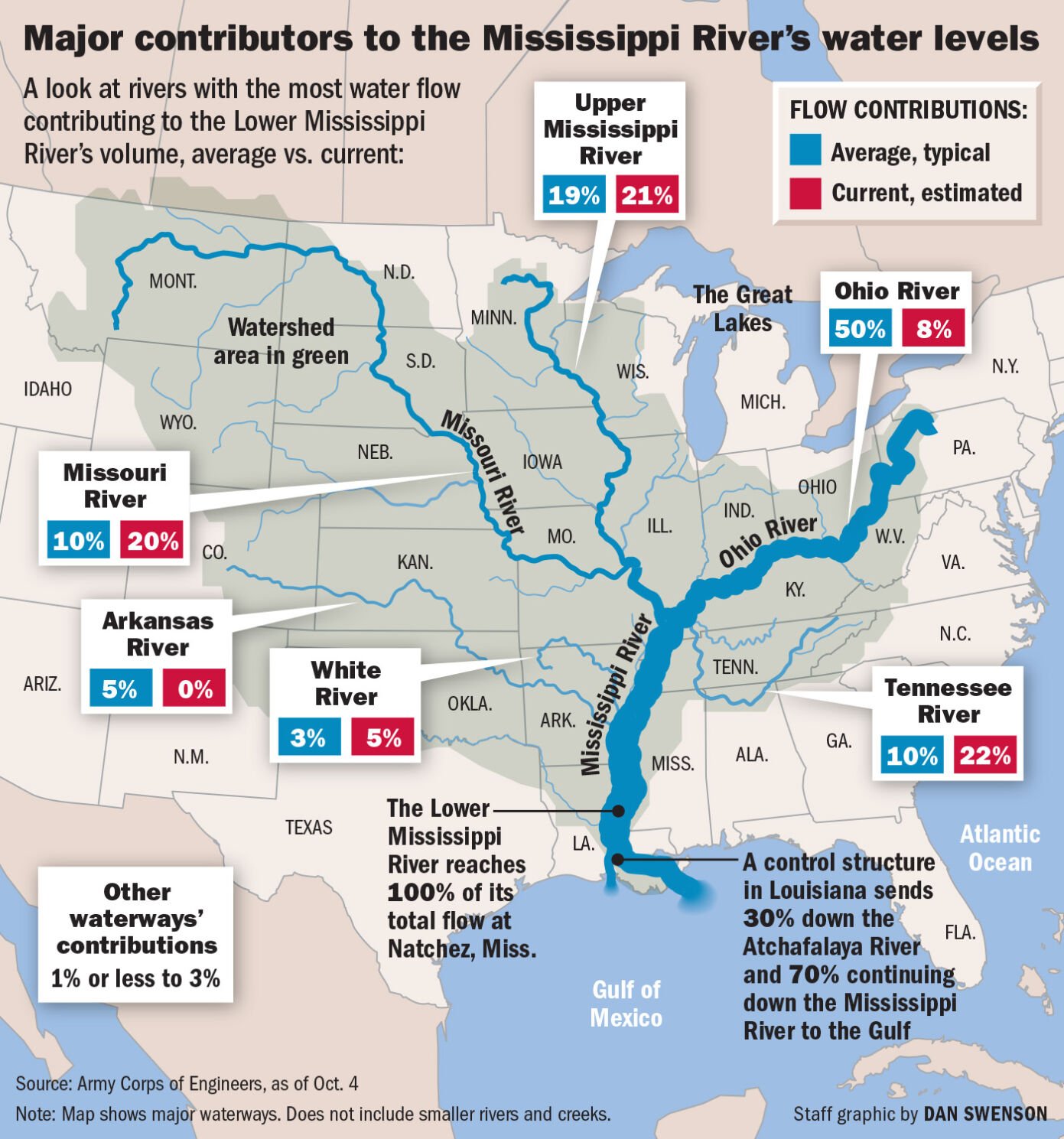
From its humble outflow at Lake Itasca, the Mississippi River embarks on its gradual but steady journey eastward, then north, and finally south, slowly gathering momentum and volume. In its early stages, the river remains relatively narrow and intimate, winding its way through the pristine Itasca State Park and the adjacent Mississippi Headwaters State Forest. It passes through several other small lakes, including Lake Bemidji and Cass Lake, where its waters mix and expand, beginning to shed its headwaters identity and grow into a more recognizable river. These early stretches are characterized by calm waters, abundant wildlife, and dense forests, providing excellent opportunities for kayaking, canoeing, and fishing in a serene, undeveloped environment.
This upper section of the Mississippi is strikingly different from its downstream counterparts, which are often characterized by industrial activity, flood controls, and massive commercial traffic. Here, the river is still wild, largely untouched, and teeming with natural beauty. It’s a place where the water is still clear enough to see the bottom, and the sounds of nature – the call of a loon, the rustle of leaves – dominate. As it flows, it collects water from numerous tributaries, gradually deepening and widening, preparing for its monumental journey across the continent. This early segment of the Mississippi River offers a unique perspective on the river’s life cycle, a chance to witness its formative years before it transforms into the immense waterway recognized globally. Exploring these initial stretches by boat or from the numerous overlooks provides a profound appreciation for the natural processes that sculpt our landscapes and the incredible resilience of this enduring natural landmark.
The journey to the source of the Mississippi River at Lake Itasca is more than just a geographic expedition; it is an unforgettable travel experience that blends natural beauty, historical significance, and outdoor adventure. From the simple joy of wading across its headwaters to exploring the expansive wilderness of Itasca State Park, this destination offers a unique opportunity to connect with one of the world’s greatest rivers at its most intimate. Whether you’re seeking a serene escape in a cozy cabin, an adventurous camping trip, or a comfortable stay in a nearby town like Bemidji, the options for accommodation and lifestyle cater to every traveler. The region of Northern Minnesota provides a backdrop of pristine forests, sparkling lakes, and charming communities, ensuring that your pilgrimage to the source of the Mississippi is filled with lasting memories. So pack your bags, lace up your hiking boots, and prepare to discover where the legend truly begins – a journey to the heart of America’s iconic waterway.
LifeOutOfTheBox is a participant in the Amazon Services LLC Associates Program, an affiliate advertising program designed to provide a means for sites to earn advertising fees by advertising and linking to Amazon.com. Amazon, the Amazon logo, AmazonSupply, and the AmazonSupply logo are trademarks of Amazon.com, Inc. or its affiliates. As an Amazon Associate we earn affiliate commissions from qualifying purchases.