
The adage that “all roads lead to Rome” might be a fitting metaphor for a city as globally connected as New York City, but when it comes to its refuse, the journey is far less romantic and significantly more complex. Behind the glittering skyscrapers and bustling avenues lies a meticulously managed, yet often unseen, system of waste disposal that is crucial to the city’s functioning. This isn’t about a hidden side of New York for the adventurous tourist; it’s a fundamental aspect of urban infrastructure that underpins the very livability of the metropolis. While not a typical travel destination, understanding this process offers a unique lens through which to appreciate the colossal scale of urban living and the ingenuity required to sustain it.
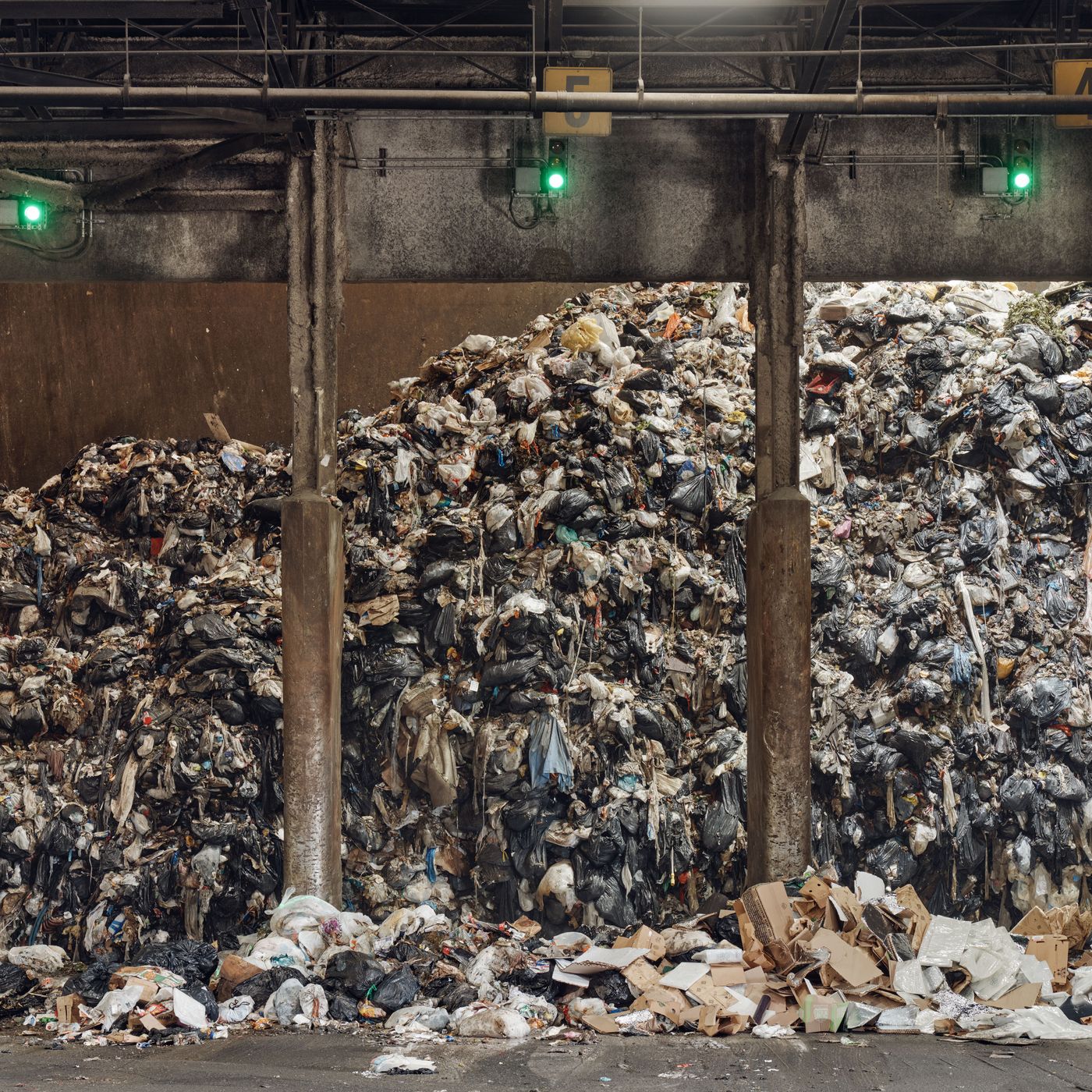
The Unseen Labyrinth: From Sidewalk to Sorting Facility
The life of a New York City garbage bag begins with a simple act: being placed on the curb. However, from that moment, it enters a sophisticated logistical network. The New York City Department of Sanitation (DSNY), the largest municipal sanitation department in the world, is the orchestrator of this massive undertaking. Each day, an army of sanitation workers collects millions of pounds of refuse from residential, commercial, and institutional sources across the five boroughs: Manhattan, Brooklyn, Queens, The Bronx, and Staten Island.
The Collection Process: A Daily Ritual
The collection routes are optimized for efficiency, considering traffic patterns, population density, and the type of waste being handled. There’s a distinction between residential waste, which is largely managed by the DSNY, and commercial waste, which is typically handled by private carters. However, both streams eventually converge into the larger disposal system.
- Residential Collection: This is the most visible aspect of waste management. Trucks, often recognizable by their distinctive livery, navigate streets from early morning hours, emptying bins and receptacles. The frequency of collection varies, with some areas receiving daily pickups, while others are serviced multiple times a week.
- Commercial Collection: Businesses contract with private companies for waste removal. These companies operate their own fleets and disposal arrangements, but their waste ultimately needs to be processed.
- Special Collections: Beyond regular trash, New York City also handles a vast amount of recyclables, organic waste (compost), bulky items, and electronic waste. Each category requires specialized collection and processing methods.
Transfer Stations: The First Stop
Once collected, the refuse doesn’t travel directly to its final destination. Instead, it’s often transported to one of the city’s numerous transfer stations. These are crucial hubs where smaller collection trucks unload their contents onto larger vehicles, such as transfer trailers or barges. This consolidation is a key strategy for reducing the number of long-haul trips, thereby saving fuel and operational costs. It also allows for a more efficient aggregation of waste before it moves to more distant processing or disposal sites.
- Purpose of Transfer Stations: To consolidate waste from numerous collection points into larger volumes for more efficient transportation.
- Types of Waste Handled: Mixed solid waste, recyclables, and potentially other specialized waste streams.
- Logistical Benefits: Reduces the number of vehicle trips, optimizes transportation costs, and allows for easier management of large volumes.
The Journey Beyond: Processing and Disposal
The processed waste then embarks on the next leg of its journey, which can lead to various destinations, depending on the type of waste and current city policies. Historically, New York City relied heavily on landfills, but evolving environmental regulations and a push for sustainability have diversified its disposal methods.
Recycling: A Growing Sector
New York City has a comprehensive recycling program, aiming to divert as much material as possible from landfills. Recyclables are collected separately and transported to specialized Material Recovery Facilities (MRFs).
- MRFs: The Sorting Centers: At MRFs, a combination of automated machinery and manual labor separates recyclables into various commodities, such as paper, cardboard, plastic, glass, and metal.
- Commodities Market: Once sorted, these materials are baled and sold to processors who transform them into new products. The success of recycling is intricately linked to the global commodities market.
- Challenges in Recycling: Contamination, public participation, and fluctuating market demand are ongoing challenges that the city continuously addresses through public awareness campaigns and infrastructure improvements.
Landfills: The Traditional Destination

Despite efforts to reduce reliance on them, landfills still play a role in New York City’s waste disposal strategy. However, the city’s own landfills were largely closed decades ago due to capacity and environmental concerns. Today, the vast majority of non-recycled waste from New York is transported to landfills located outside the metropolitan area.
- Long-Haul Transportation: This often involves trucking waste to out-of-state facilities or, more significantly, using barges to transport waste to regional landfills, typically in states like Pennsylvania or Virginia.
- Environmental Considerations: Modern landfills are engineered to minimize environmental impact through measures like leachate collection systems and methane gas capture. However, the sheer volume of waste and the long distances involved raise concerns about carbon footprints and the sustainability of this approach.
- Landfill Capacity: The availability and cost of landfill space are constant factors influencing waste management strategies.
Waste-to-Energy: A Complementary Approach
In recent years, waste-to-energy (WTE) facilities have become a more significant component of New York City’s disposal strategy. These facilities burn non-recyclable waste under controlled conditions to generate electricity.
- Process of WTE: Waste is incinerated, and the heat produced is used to create steam, which drives turbines to generate electricity.
- Benefits of WTE: Reduces the volume of waste sent to landfills by up to 90%, generates renewable energy, and can be a more environmentally sound option than traditional landfilling when managed properly.
- Environmental Safeguards: Modern WTE plants employ advanced pollution control technologies to minimize emissions, but ongoing monitoring and public scrutiny are vital.
- New York’s WTE Initiatives: The city has explored and utilized WTE facilities to manage its waste stream, contributing to a diversified disposal portfolio.
The Future of New York City Waste: Innovation and Sustainability
The question of “where does New York garbage go?” is not static. It’s a continuously evolving challenge driven by population growth, environmental consciousness, and technological advancements. The city is actively seeking innovative solutions to manage its ever-increasing waste output more sustainably.
The Role of Composting and Organics
Food scraps and yard waste constitute a significant portion of the residential waste stream. New York City has been expanding its organic waste collection and composting programs to divert this material from landfills.
- Benefits of Composting: Reduces methane emissions from landfills, creates valuable compost for soil amendment, and contributes to a circular economy.
- City Programs: DSNY has implemented various pilot programs and permanent services for composting, encouraging residents and businesses to participate.
- Challenges: Education, participation rates, and efficient processing infrastructure are key to the success of these programs.
Reducing Waste at the Source
Ultimately, the most sustainable approach to waste management is to reduce the amount of waste generated in the first place. New York City is increasingly focusing on policies and initiatives that promote waste reduction.
- Policy Interventions: This includes measures like plastic bag bans, regulations on single-use plastics, and incentives for businesses to adopt waste-reducing practices.
- Public Awareness and Education: Educating residents and visitors about the importance of reducing consumption, reusing items, and properly sorting waste is crucial.
- Circular Economy Principles: Embracing a circular economy model, where materials are kept in use for as long as possible, is a long-term goal for sustainable waste management in New York.
Technological Advancements
Emerging technologies offer promising solutions for the future of waste management. These include advanced sorting technologies for recyclables, more efficient waste-to-energy processes, and even the potential for chemical recycling of plastics. New York City actively monitors and considers these innovations as it plans for the future.
The journey of New York City garbage is a complex, multi-faceted operation that is integral to the city’s survival. It’s a testament to the logistical prowess required to sustain a metropolis of millions, a silent yet vital industry that keeps the iconic streets clean and the urban ecosystem functioning. While not a traditional tourist attraction, understanding this process offers a profound appreciation for the unseen infrastructure that makes urban life possible.
LifeOutOfTheBox is a participant in the Amazon Services LLC Associates Program, an affiliate advertising program designed to provide a means for sites to earn advertising fees by advertising and linking to Amazon.com. Amazon, the Amazon logo, AmazonSupply, and the AmazonSupply logo are trademarks of Amazon.com, Inc. or its affiliates. As an Amazon Associate we earn affiliate commissions from qualifying purchases.