
The Culinary Roots of a Classic Cut
The allure of a perfectly cooked New York Steak, with its tender texture and rich, beefy flavor, is undeniable. It’s a staple on menus from New York City steakhouses to casual dining establishments across the globe. But where does this esteemed cut of beef truly originate? The name itself suggests a connection to the bustling metropolis, and while it’s a popular choice in the city’s famed dining scene, its genesis lies not in the urban landscape, but within the very anatomy of a cow.
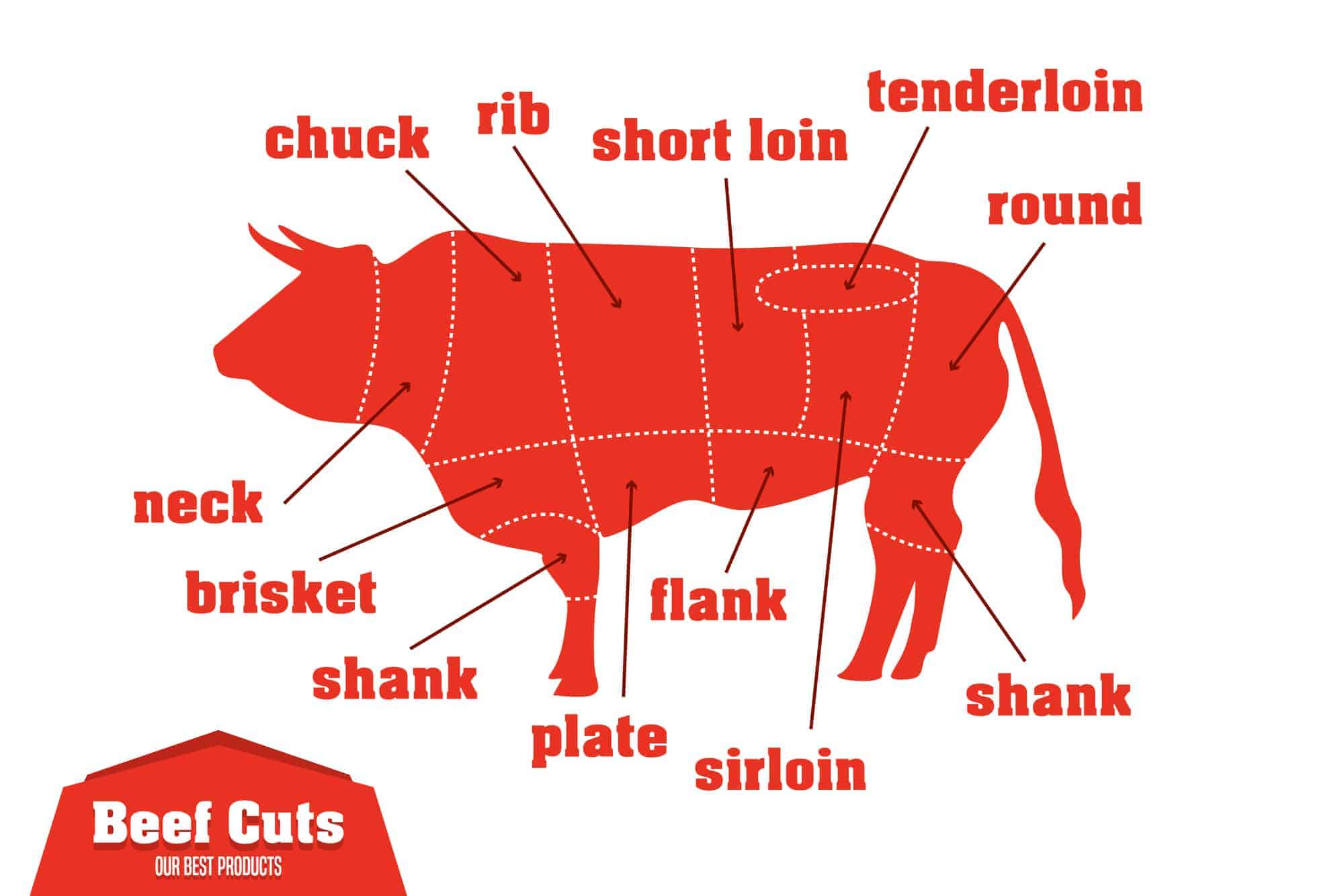
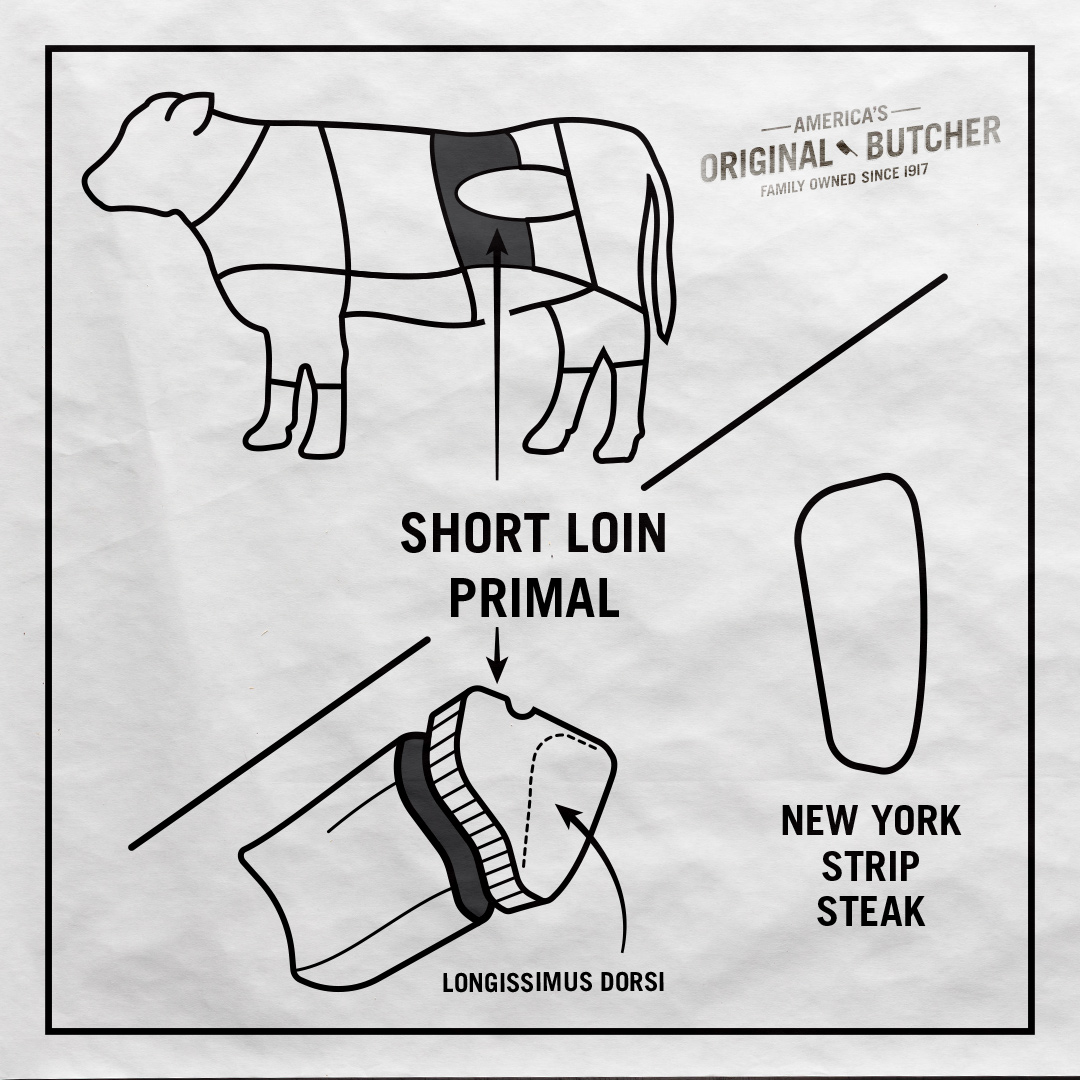
The New York Steak, also widely known as the strip steak, Kansas City strip, or top loin steak, is a premium cut derived from the short loin primal. This specific section of the cow is located along the back, behind the rib and in front of the sirloin. It’s a highly prized area because the muscles here are largely underutilized, resulting in a remarkably tender and flavorful piece of meat. The short loin is a relatively small section, which contributes to the steak’s premium status and, consequently, its price point.
Anatomy of the Short Loin
To understand the New York Steak, it’s crucial to delve into the anatomy of the cow. The short loin is a prime area for steaks due to its position and the limited movement of the associated muscles. This primal cut is further divided into several smaller, distinct steak sections. The short loin houses some of the most revered steaks in the culinary world, including the New York Steak itself, the filet mignon (from the tenderloin), and the T-bone and porterhouse steaks, which include both the tenderloin and the strip steak.
The New York Steak specifically comes from the anterior (front) portion of the short loin. It’s characterized by its relatively uniform thickness, a desirable marbling of fat throughout the muscle, and a strip of fat along one edge. This strip of fat, often left on during cooking, renders down and adds a significant amount of flavor and succulence to the steak. The marbling, or intramuscular fat, is key to the steak’s tenderness and juiciness; as the steak cooks, this fat melts, basting the meat from within.
The Misconception of Origin
The name “New York Steak” is largely a matter of marketing and culinary nomenclature rather than a literal geographical origin of the beef itself. While the steak gained significant popularity and became a signature dish in the opulent steakhouses of New York City during the early to mid-20th century, the cattle are not raised or processed exclusively in the state. Instead, the name likely arose from the steak’s prominence and association with the city’s sophisticated dining culture.
Many of the prime steakhouses that popularized this cut, such as Peter Luger Steak House and Keens Steakhouse, are located in New York City. These establishments became synonymous with high-quality beef, and the “New York Strip” was a featured item. Over time, the name stuck, becoming as iconic as the city itself, even though the beef might have originated from ranches in Texas, Nebraska, or other prominent cattle-producing regions.
From Ranch to Plate: The Journey of Beef
The journey of a New York Steak begins long before it reaches a butcher’s block or a chef’s grill. It starts on the vast ranches where cattle are raised, typically in regions with ample grazing land and a climate conducive to raising high-quality beef. Breeds such as Angus, Hereford, and Simmental are often favored for their desirable meat characteristics, including excellent marbling and tenderness.
Ranching and Raising Practices
The rearing of cattle for premium beef is a meticulous process that emphasizes genetics, nutrition, and humane treatment. Ranchers carefully select breeds known for their superior meat quality. The diet of the cattle plays a pivotal role; while many are grass-fed for a significant portion of their lives, a period of grain-finishing is often employed in the final months to enhance marbling and achieve the desired texture and flavor profile for cuts like the New York Steak. This controlled feeding regimen ensures consistent quality and the development of the fat that makes the steak so appealing.
Ethical and sustainable ranching practices are increasingly important to consumers. Many ranches now focus on environmental stewardship, ensuring responsible land management and animal welfare. These practices not only contribute to a healthier ecosystem but also produce beef that is perceived as higher quality by discerning diners. The specific origin of the beef, whether from a renowned ranch in America or a specialized farm in Australia, can influence its flavor profile and the story it tells on the plate.
The Butchering Process
Once the cattle reach maturity and are processed, the carcass is broken down into primal cuts. The short loin, from which the New York Steak is derived, is a key section of this process. Skilled butchers meticulously separate the short loin from the rest of the carcass. This is a critical stage, as precision is required to maximize the yield of high-value steaks and minimize waste.
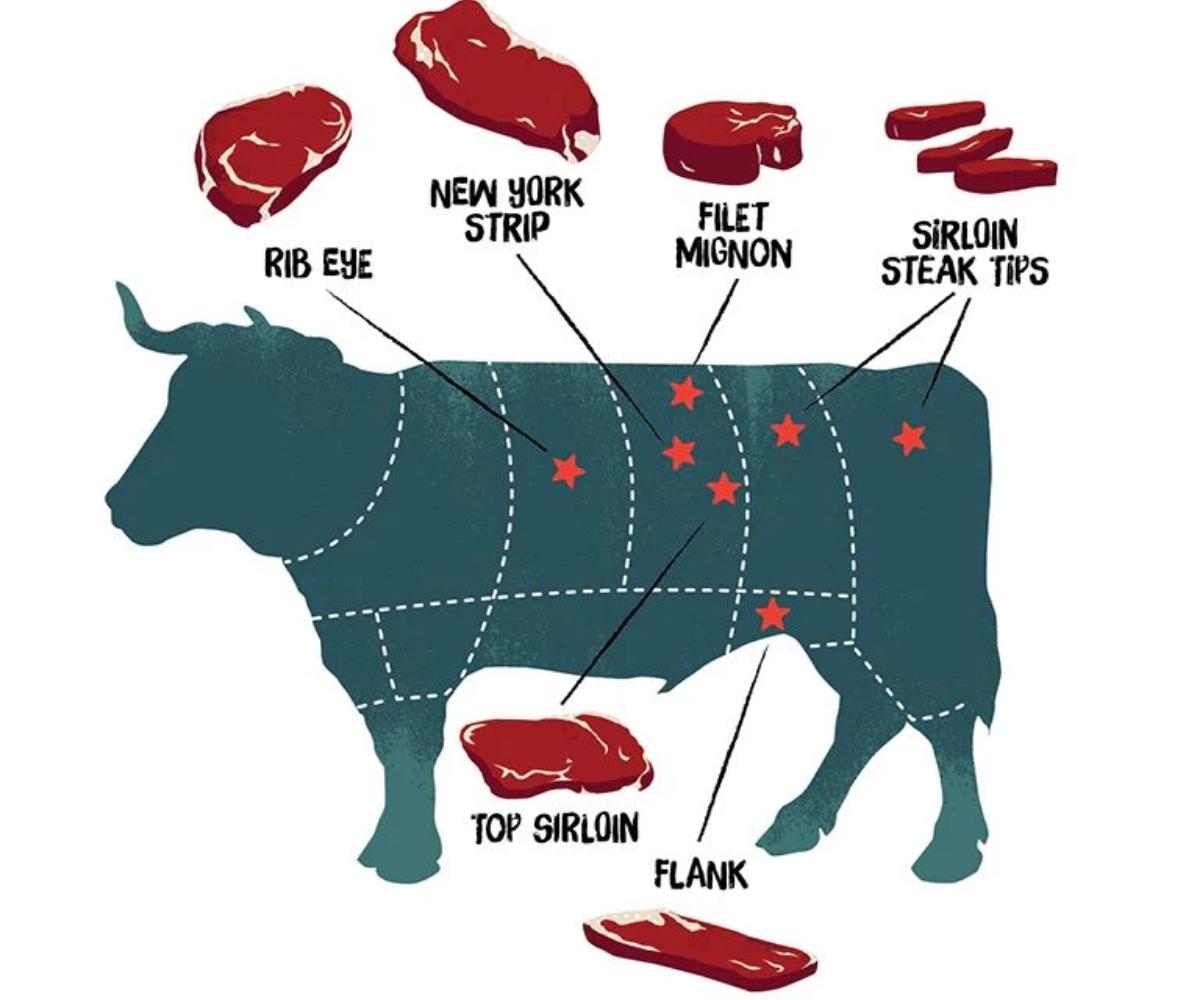
From the short loin, various steaks are cut, including the New York Steak. The thickness of the cut is a matter of preference and culinary tradition. A well-butchered New York Steak will typically be about 1 to 1.5 inches thick, allowing for an ideal balance of a seared exterior and a perfectly cooked interior. The fat cap along the edge is carefully trimmed to a specific thickness, ensuring it renders properly without overwhelming the steak. Aging is another crucial step that significantly impacts the steak’s tenderness and flavor.
Dry-Aging vs. Wet-Aging
The aging process is a vital part of developing the exceptional flavor and texture of premium beef. There are two primary methods: dry-aging and wet-aging.
Dry-Aging
Dry-aging involves hanging large cuts of beef in a controlled environment—a refrigerated room with specific humidity and airflow—for a period ranging from several days to several weeks. During this time, natural enzymes break down connective tissues in the meat, making it more tender. Simultaneously, moisture evaporates from the muscle, concentrating the beef’s natural flavors and creating a more intense, nutty, and sometimes slightly earthy taste. This process also results in a darker color and a firmer texture. Steakhouses often showcase their dry-aged beef, as it is considered a hallmark of quality and a significant contributor to the steak’s complex flavor profile.
Wet-Aging
Wet-aging, on the other hand, is the more common method for supermarket beef and involves vacuum-sealing cuts of beef in plastic and allowing them to age in their own juices within refrigeration. This method also tenderizes the meat and allows for some flavor development, though typically less intense than dry-aging. While it’s a more efficient and less wasteful process, it generally yields a less complex flavor and a slightly different texture compared to dry-aged beef. The New York Steak can be found in both dry-aged and wet-aged varieties, with dry-aged cuts often commanding a higher price due to the specialized process and yield loss.
The New York Steak Experience: Culinary Significance
The New York Steak has earned its place as a culinary icon, celebrated for its balance of flavor, tenderness, and a satisfying chew. Its popularity in New York City steakhouses is well-deserved, where it’s often prepared with masterful technique to highlight its inherent qualities.
Preparation and Cooking
The beauty of the New York Steak lies in its versatility and its ability to shine with simple, effective cooking methods. High-heat searing is paramount for achieving a beautiful crust while keeping the interior perfectly cooked to the desired level of doneness, whether it’s rare, medium-rare, or medium.
Pan-Searing
Pan-searing, often in a cast-iron skillet, is a favored method. A hot pan with a high smoke-point oil, such as grapeseed or avocado oil, creates an immediate sear. As the steak cooks, basting with butter, garlic, and herbs like rosemary or thyme further enhances its flavor and aroma. The fat cap on the edge is often used to render its richness into the rest of the steak.
Grilling
Grilling offers another excellent way to prepare a New York Steak. The open flame imparts a distinct smoky flavor, and the grill grates leave appealing char marks. Similar to pan-searing, achieving a good sear is crucial, followed by cooking to the desired internal temperature.
Resting
Crucially, after cooking, any premium steak, including the New York Steak, must rest. Allowing the steak to sit for 5-10 minutes off the heat permits the muscle fibers to relax and the juices to redistribute throughout the cut. This results in a more tender and moist steak when sliced, preventing all the delicious juices from running out onto the plate.
Pairings and Accompaniments
The rich flavor of a New York Steak pairs beautifully with a variety of classic steakhouse accompaniments. Robust red wines, such as a Cabernet Sauvignon or Merlot, are traditional choices, their tannins cutting through the richness of the beef.
Classic sides include creamy mashed potatoes, crispy French fries, sautéed mushrooms, creamed spinach, or a crisp wedge salad. These complementary dishes enhance the overall dining experience without overpowering the star of the show. The simplicity of preparation allows the inherent quality of the beef to be the focal point, making the New York Steak a timeless choice for steak lovers. Its enduring popularity is a testament to its exceptional taste and its significant place in the global culinary landscape, forever linked, in name if not in origin, to the vibrant spirit of New York City.
LifeOutOfTheBox is a participant in the Amazon Services LLC Associates Program, an affiliate advertising program designed to provide a means for sites to earn advertising fees by advertising and linking to Amazon.com. Amazon, the Amazon logo, AmazonSupply, and the AmazonSupply logo are trademarks of Amazon.com, Inc. or its affiliates. As an Amazon Associate we earn affiliate commissions from qualifying purchases.