
The Colorado River, a vital artery of the American West, is much more than a mere body of water; it’s a living testament to the raw power of nature, a crucial resource for millions, and a conduit for some of the most breathtaking landscapes on Earth. Its journey spans over 1,450 miles, carving canyons, sustaining ecosystems, and supporting major cities and agricultural lands across seven United States and two Mexican states. For many travelers and adventurers, understanding its origin is the first step in appreciating its profound impact and planning an unforgettable trip along its magnificent course.
The question of “Where does the Colorado River start?” leads us to a pristine, high-altitude wilderness, a place where the air is crisp, the mountains reach for the sky, and the silence is broken only by the whispers of the wind and the gentle trickling of nascent streams. It begins its epic journey in the rugged, snow-capped peaks of the Rocky Mountains in Colorado, a region celebrated for its dramatic scenery and abundant wildlife. This article will not only pinpoint the exact geographical origin but also explore the incredible travel destinations, attractions, and experiences that unfold as this iconic river makes its way to the sea. From exploring national parks and staying in charming mountain towns to embarking on thrilling river adventures and discovering luxurious resorts along its banks, the story of the Colorado River is a comprehensive guide to one of America’s greatest natural wonders.

The Majestic Origin: La Poudre Pass and the Rocky Mountains
The initial spark of the Colorado River is found amidst the sprawling wilderness of Rocky Mountain National Park. This iconic national park, a crown jewel of the National Park System, is where the majestic Colorado River first gathers its strength from numerous snowmelt-fed streams and alpine lakes.
Pinpointing the Source: La Poudre Pass
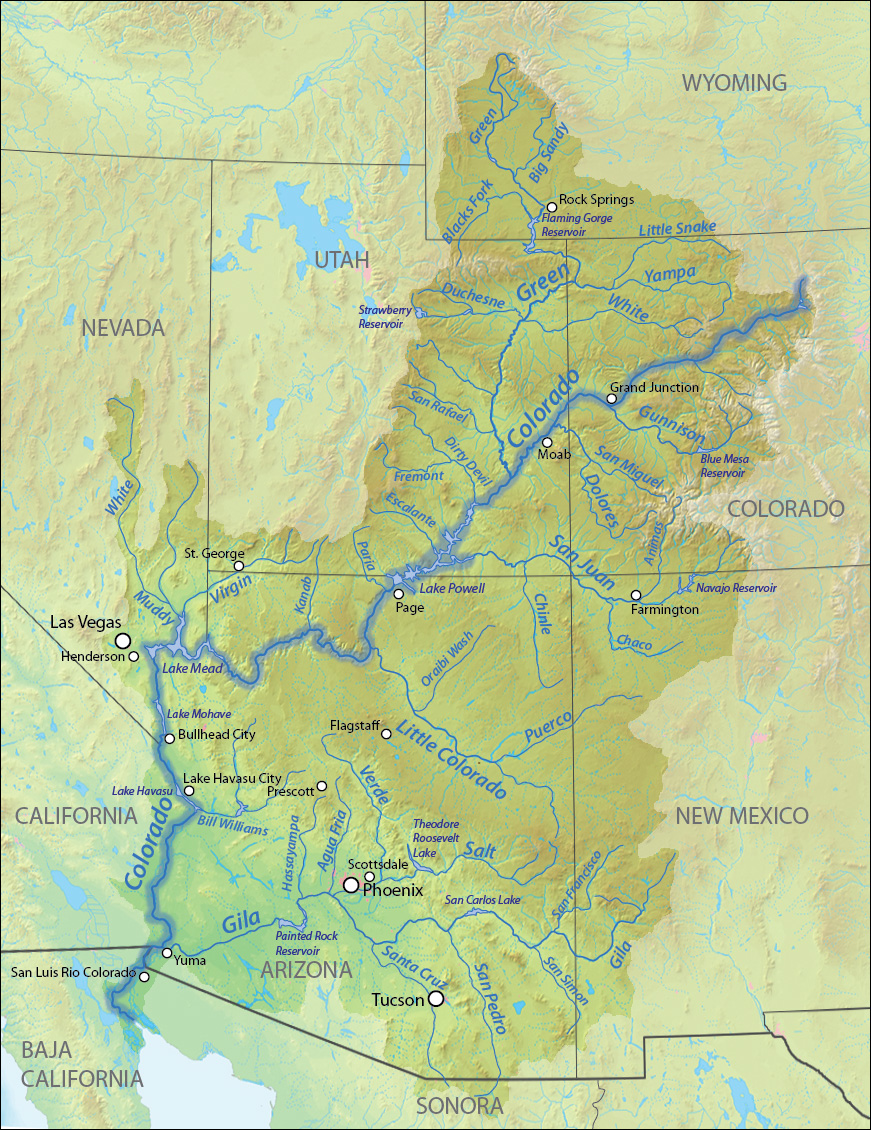
The definitive source of the Colorado River is located at La Poudre Pass, nestled within the northwestern corner of Rocky Mountain National Park in north-central Colorado. At an elevation of approximately 10,184 feet (3,104 meters) above sea level, this remote and beautiful location sits on the Continental Divide, the hydrological backbone of North America. Here, at La Poudre Pass, a small, crystal-clear trickle emerges from a boggy meadow, fed by melting snow and high-altitude springs. This seemingly insignificant stream, barely a few feet wide, is the very beginning of what will become one of the continent’s most powerful and historically significant rivers.
The precise point is often identified near a small lake known as La Poudre Pass Lake, which collects the initial runoff. From this humble beginning, the nascent river flows west, gathering momentum and volume from countless tributaries as it descends through the stunning landscapes of the Rocky Mountains. The surrounding area is characterized by subalpine forests of lodgepole pine and Engelmann spruce, vast alpine tundra, and a rugged topography shaped by millennia of glacial activity. This pristine environment not only cradles the river’s birth but also provides a critical habitat for diverse wildlife, including elk, bighorn sheep, and various bird species.
A Natural Landmark and Travel Destination
The source region of the Colorado River is far more than just a geographical marker; it is a world-renowned natural landmark and a prime travel destination for those seeking to immerse themselves in the raw beauty of the American West. Rocky Mountain National Park draws millions of visitors annually, offering an unparalleled array of outdoor activities and scenic wonders.
For travelers and tourism enthusiasts, a trip to the source region of the Colorado River offers a unique blend of adventure and tranquility. The park is famous for its extensive network of hiking trails, ranging from easy strolls around alpine lakes to challenging ascents of towering peaks. The Trail Ridge Road, often referred to as a “highway to the sky,” traverses the park, reaching elevations over 12,000 feet and offering panoramic vistas of the Continental Divide and the vast wilderness below. While La Poudre Pass itself requires a bit of a hike or careful planning to access, the entire area around Grand Lake and Estes Park — the gateway towns to the park — provides ample opportunities to experience the upper reaches of the river and its pristine environment.
Tourism here thrives on the appreciation of nature. Visitors can spend their days wildlife viewing, fishing in clear mountain streams, or simply soaking in the spectacular scenery. The experience of standing at the very beginning of such a monumental river offers a profound connection to the natural world and a deep appreciation for the forces that shape our planet. This region embodies the adventurous lifestyle of mountain explorers and provides a serene escape for those seeking peace and natural beauty.
The Colorado River’s Grand Journey: A Lifeline Through the American West
Once it leaves its birthplace in Rocky Mountain National Park, the Colorado River embarks on an extraordinary journey, transforming from a playful mountain stream into a mighty river that sculpts some of the most iconic landscapes in the United States and Mexico. Its path is one of dramatic contrasts, from snow-fed headwaters to arid desert canyons, serving as a critical lifeline for ecosystems, economies, and communities.
Tracing the Flow: From Mountains to the Desert
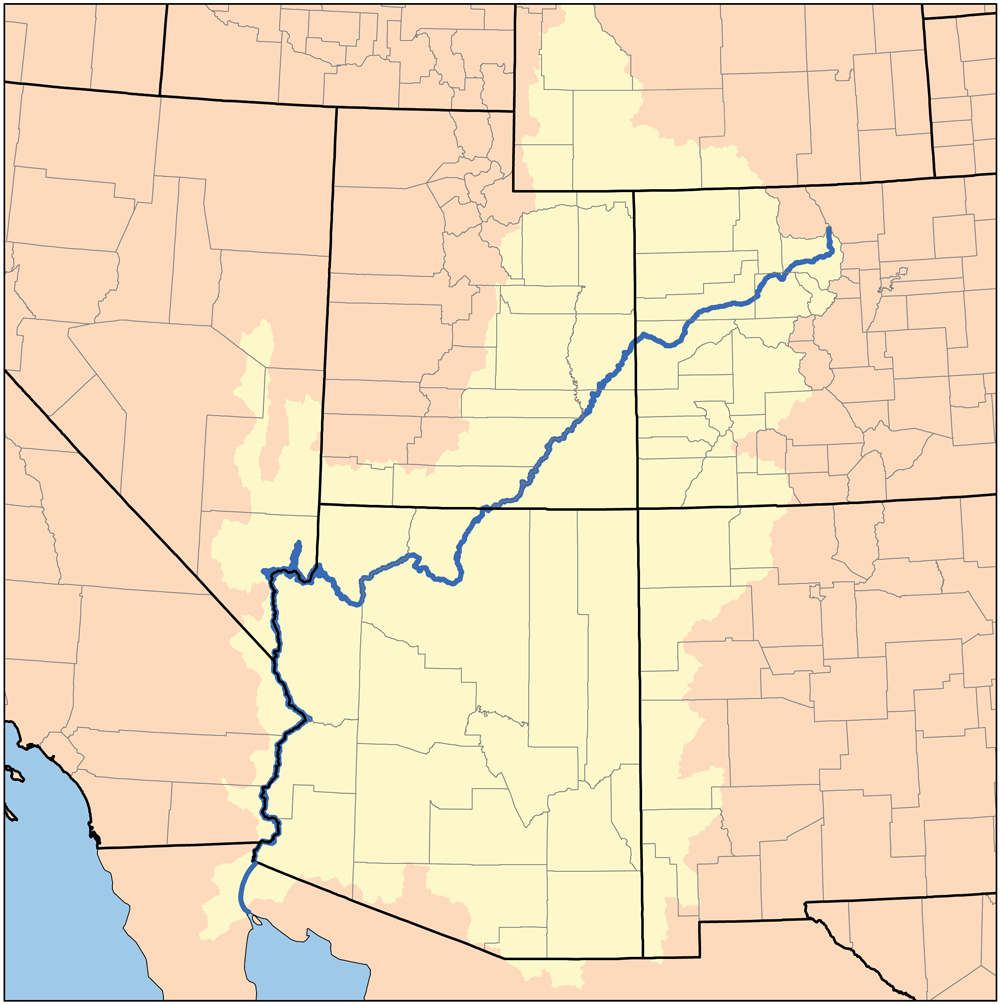
The initial segment of the Colorado River flows west through Colorado, passing near vibrant mountain towns like Grand Lake, Vail, Snowmass Village, and Aspen, where adventure tourism and luxury travel thrive. It then carves its way through the Grand Canyon of the Colorado and out into the vast, open spaces near Grand Junction, a hub for outdoor enthusiasts in western Colorado. As it leaves its namesake state, the river turns southwest, forming the border between Utah and Arizona before traversing Nevada and California. Its basin extends into Wyoming and New Mexico through a network of tributaries.
This vast river system provides drinking water for over 40 million people, irrigates millions of acres of farmland that feed the United States, and generates substantial hydroelectric power through its numerous dams. The river’s importance cannot be overstated; it is the primary water source for major metropolitan areas like Denver, Phoenix, and Los Angeles. The journey of the Colorado River is a narrative of natural wonder intertwined with human ingenuity and reliance, making it a powerful symbol of resource management in an increasingly arid region.
Iconic Attractions Along the Way
The Colorado River’s course is dotted with some of the most globally recognized landmarks and tourist attractions, each offering unique travel experiences.
The undisputed crown jewel is the Grand Canyon National Park in Arizona. Carved over millions of years by the persistent flow of the Colorado River, this immense gorge is a UNESCO World Heritage site and one of the seven natural wonders of the world. Visitors flock to its North and South Rims for breathtaking vistas, hiking, and the ultimate adventure: white-water rafting through its mighty rapids. Accommodation options range from historic lodges within the park, like the El Tovar Hotel, to numerous hotels and resorts in nearby towns such as Tusayan or Flagstaff.
Further downstream, the river feeds Lake Mead, the largest reservoir in the United States by volume, created by the monumental Hoover Dam. This engineering marvel, a National Historic Landmark, is a popular tourist destination near Las Vegas, offering tours and stunning views. Lake Mead itself provides a playground for boating, fishing, and swimming, attracting millions of visitors seeking relaxation and recreation. The proximity to Las Vegas allows for a seamless blend of vibrant city lifestyle and natural exploration.
Upriver from the Grand Canyon, in Arizona and Utah, are Glen Canyon Dam and Lake Powell. Lake Powell is another massive man-made lake, famous for its red rock canyons, houseboating, and water sports. The nearby town of Page, Arizona, serves as a gateway to these attractions, as well as to iconic spots like Antelope Canyon and Horseshoe Bend, both carved by the forces of water and wind.
In Utah, near the vibrant adventure town of Moab, the Colorado River continues its dramatic course, providing access to Arches National Park and Canyonlands National Park. These parks are renowned for their unique geological formations, offering exceptional opportunities for hiking, mountain biking, and experiencing the raw beauty of the Southwest. Moab itself is a hub for adventure tourism, with numerous hotels, motels, and camping accommodations catering to thrill-seekers.
Beyond these major landmarks, the river winds past the stunning landscapes of Zion National Park and Bryce Canyon National Park (though it doesn’t flow directly through them, their watersheds are connected to the broader Colorado River Basin), creating a comprehensive travel itinerary for those eager to explore the diverse landscapes and cultures of the American West.
Planning Your Colorado River Adventure: Travel Tips and Accommodation
Embarking on a journey to explore the Colorado River, whether it’s to its source or along its mighty course, requires careful planning to maximize your travel experience. Given the river’s vastness and the diversity of attractions along its path, there are countless ways to tailor your trip to your interests and desired lifestyle, from rugged adventure to relaxed luxury.
Experiencing the Source and Upper Basin
To visit the source of the Colorado River in Rocky Mountain National Park, the best time to travel is typically from late May through early October, when the Trail Ridge Road is open and hiking trails are largely free of snow. Be prepared for rapidly changing mountain weather, bringing layers of clothing, sturdy hiking boots, and plenty of water. Entry into the park often requires timed entry permits during peak season, so booking in advance is crucial.
Accommodation options near the park’s western entrance (closer to the Colorado River source) include charming towns like Grand Lake and Winter Park. Grand Lake offers a selection of cozy cabins, boutique hotels, and vacation rentals, many with views of the lake or easy access to the park. Further east, Estes Park, the main eastern gateway to the park, boasts a wider array of hotels, resorts, and dining establishments, catering to various budgets and lifestyles. For a truly unique experience, consider staying at a historic lodge that blends local culture with comfortable amenities. Many resorts in nearby Vail or Aspen offer luxury accommodation and serve as excellent bases for exploring the wider Colorado Rockies region.
Activities in the upper basin revolve around the pristine mountain environment:
- Hiking: Explore trails leading to alpine lakes, waterfalls, and scenic overlooks.
- Fishing: The clear, cold waters of the nascent Colorado River and its tributaries are excellent for fly-fishing.
- Wildlife Viewing: Keep an eye out for elk, moose, deer, and bighorn sheep.
- Scenic Drives: Trail Ridge Road offers breathtaking views and opportunities to cross the Continental Divide.
River Adventures and Lower Basin Exploration
For those drawn to the more dramatic sections of the Colorado River, the lower basin offers a different kind of thrill. River adventures are a cornerstone of tourism here, especially in the Grand Canyon and near Moab.
White-water rafting through the Grand Canyon is an epic, once-in-a-lifetime experience, ranging from multi-day trips that cover hundreds of miles from Lee’s Ferry to shorter, day trips on calmer sections. These tours require advance booking, often years in advance for commercial trips. In Utah, near Moab, you can find shorter, family-friendly rafting excursions or more challenging rapids depending on the season and river section.
Lake Powell provides opportunities for houseboating, kayaking, and paddleboarding amidst stunning red rock scenery. Rentals for watercraft and houseboats are available through marinas in Page, Arizona.
Accommodation in the Lower Basin:
- Grand Canyon: Hotels and lodges are available on both the South and North Rims, offering varying levels of comfort and price points. Outside the park, Flagstaff and Williams offer more extensive choices.
- Las Vegas: For visits to Hoover Dam and Lake Mead, Las Vegas serves as an excellent base, providing an abundance of hotels, resorts, and entertainment for a vibrant lifestyle.
- Moab: This Utah town is packed with hotels, motels, and campgrounds, especially popular with adventure travelers and those exploring nearby Arches and Canyonlands National Parks.
- Page, Arizona: Offers numerous hotels for easy access to Antelope Canyon, Horseshoe Bend, and Lake Powell.
No matter your preference, planning for accommodation well in advance is highly recommended, especially during peak seasons, as these popular destinations can fill up quickly. Many operators offer guided tours and packages that bundle activities and accommodation, simplifying the process for travelers.
The Colorado River’s End: A Tale of Conservation and Cross-Border Significance
The journey of the Colorado River doesn’t just end in a beautiful estuary; it culminates in a complex narrative of environmental challenges, conservation efforts, and critical international cooperation. The fate of its delta underscores the profound impact of human development on natural systems and the ongoing global efforts to restore ecological balance.
The Delta and Environmental Challenges
Historically, the Colorado River flowed into the Gulf of California in Mexico, forming a vast, biologically rich delta that supported a vibrant ecosystem of fish, birds, and other wildlife, as well as indigenous communities. This delta was a sprawling wetland, an oasis in the Sonoran Desert, covering approximately 3,000 square miles (7,800 square kilometers).
However, due to extensive water diversions for agriculture, municipal use, and hydroelectric power generation upstream, primarily in the United States, the Colorado River rarely reaches the Gulf of California today. For much of the latter half of the 20th century and into the 21st, the river effectively dried up kilometers short of the sea, transforming its vibrant delta into a parched landscape. The once-thriving wetlands have largely disappeared, leading to significant loss of habitat and biodiversity, affecting both local ecosystems and the communities that relied on them. The town of Yuma, Arizona, often marks the point where the river’s flow significantly diminishes before crossing the Mexican border.
This environmental degradation has spurred considerable conservation efforts and brought international attention to the plight of the Colorado River Delta. Organizations, governments, and local communities are working together to implement strategies for water conservation, habitat restoration, and environmental flows to bring life back to this crucial region.
A River Shared: International Cooperation
The management of the Colorado River is a complex affair, not only among the seven U.S. states in its basin (Colorado, Wyoming, Utah, New Mexico, Arizona, Nevada, and California) but also with Mexico, through which the final section of the river flows. This makes it a classic example of a “river shared,” necessitating intricate international cooperation.
The 1944 Water Treaty between the United States and Mexico allocates a specific amount of Colorado River water to Mexico. However, in recent decades, this allocation often arrived in a diminished state, exacerbating the environmental issues in the delta and impacting communities in Baja California and Sonora.
In response, innovative agreements like Minute 319 and Minute 323 have been signed, allowing for environmental flows (“pulse flows”) to mimic natural floods and deliver water to the desiccated delta. These agreements also include provisions for shared water shortages during drought, joint conservation projects, and investments in infrastructure. Such collaborative efforts represent a critical shift towards a more sustainable and equitable management of this invaluable resource, proving that while human activity can significantly alter natural courses, it can also lead to inspiring acts of reconciliation with nature. For travelers and tourism operators, understanding these challenges and supporting sustainable tourism practices along the river is increasingly important. The story of the Colorado River’s end is a powerful reminder of our interconnectedness with natural systems and the shared responsibility we bear for their preservation.
From its humble beginnings in the high Rockies to its often-dry terminus in the Gulf of California, the Colorado River tells a compelling story of natural grandeur, human development, and the urgent need for conservation. Its source in Rocky Mountain National Park is a gateway to pristine wilderness, while its magnificent journey carves through iconic landscapes like the Grand Canyon, drawing travelers from across the globe. Whether you seek thrilling river adventures, serene mountain retreats, or an insightful exploration of critical environmental issues, the Colorado River offers a profound and unforgettable travel experience. It stands as a testament to the incredible power of water and a powerful symbol of the challenges and triumphs of managing a vital resource in the modern world.