
The Mississippi River, a name that evokes images of grand steamboats, sprawling farmlands, and a rich tapestry of American history, is more than just a waterway; it’s an epic journey, a living landmark, and an indispensable artery of North America. Stretching over 2,300 miles from its humble beginnings to its expansive delta, this magnificent river touches ten states and influences the culture, economy, and very lifestyle of the communities along its banks. For intrepid travelers, history buffs, and nature enthusiasts alike, understanding where this iconic river starts and concludes is the first step in appreciating its profound significance and planning an unforgettable adventure.

Exploring the Mississippi River offers a diverse range of travel experiences, from serene nature escapes to vibrant urban explorations. Whether you’re interested in booking a stay at a luxurious New Orleans hotel, a charming bed and breakfast in a historic river town, or seeking out unique tourism activities and attractions, the river provides a backdrop for countless itineraries. This article will guide you through the geographical marvels and cultural treasures that define the Mississippi River’s beginning, its meandering middle, and its ultimate destination, offering insights for those looking to embark on their own journey along its legendary course.
The Source: A Tiny Spring in Minnesota’s Northwoods
The genesis of the mighty Mississippi River is far from the wide, powerful current many imagine. It begins as an unassuming trickle, a mere infant stream, in the serene wilderness of northern Minnesota. This precise location is a destination of profound natural beauty and a popular spot for travelers seeking to witness the true origin of such an iconic waterway.
Discovering Lake Itasca and Itasca State Park
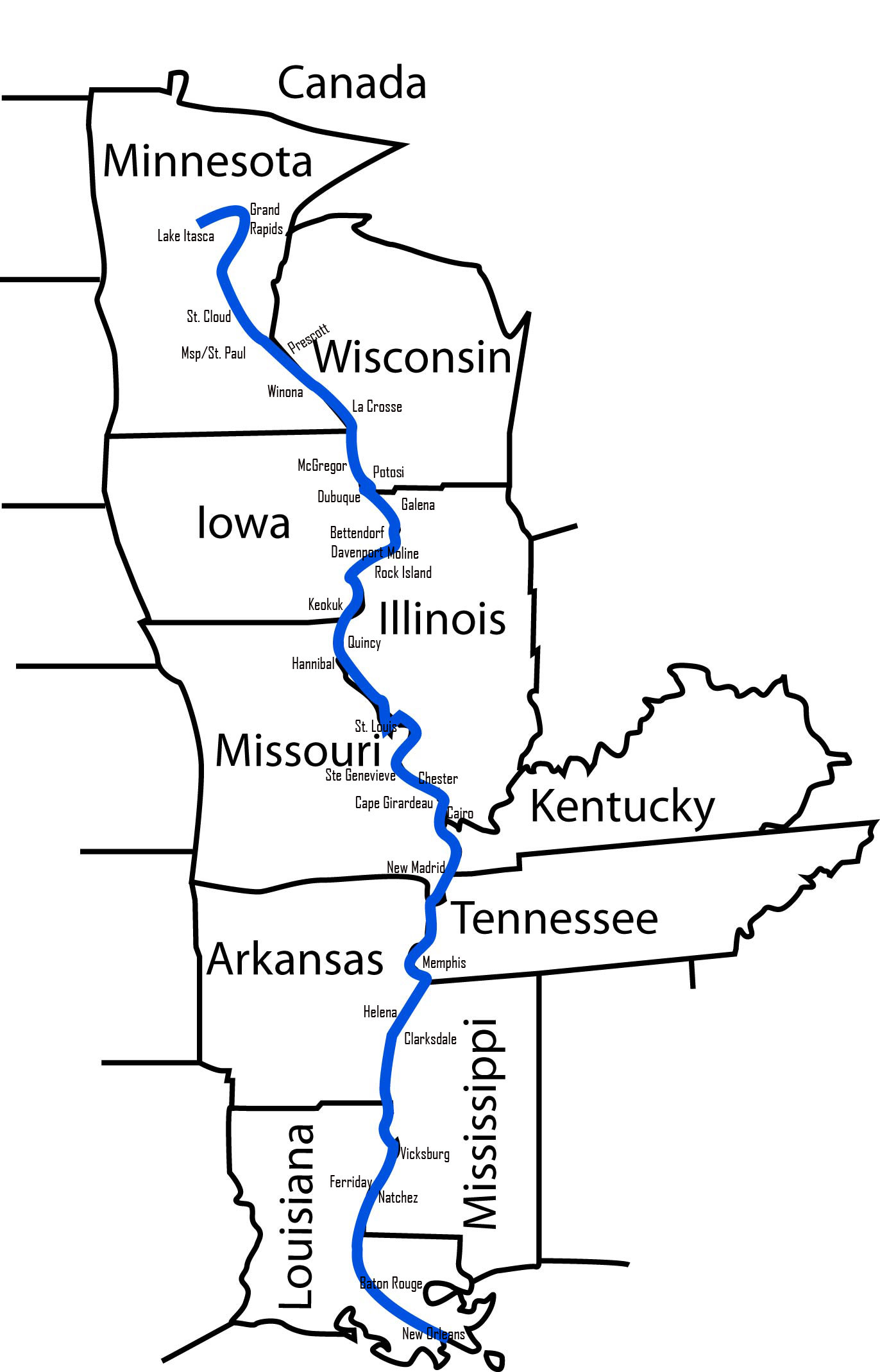
The accepted source of the Mississippi River is Lake Itasca, a relatively small glacial lake nestled within Itasca State Park. Established in 1891, Itasca State Park is Minnesota’s oldest state park and a designated National Natural Landmark. Here, visitors can famously wade across the Mississippi’s headwaters on a rocky ford, a truly unique and humbling experience. It’s an opportunity to literally stand with one foot on each side of what will eventually become one of the world’s greatest rivers.
For travelers, Itasca State Park offers more than just a geographical curiosity. It’s a prime destination for outdoor enthusiasts, reflecting a wholesome lifestyle that embraces nature and tranquility. The park boasts over 32,000 acres of pristine wilderness, including ancient pine forests, diverse wildlife, and numerous lakes and streams. Activities abound: hiking and biking on scenic trails, canoeing and kayaking on the lake, birdwatching, and fishing for walleye, northern pike, and bass. In winter, cross-country skiing and snowshoeing transform the landscape into a snowy wonderland.
Accommodation options around Lake Itasca cater to those seeking immersion in nature. Within the park, historic Douglas Lodge offers comfortable rooms and cabins, providing a rustic yet charming stay. For a more traditional camping experience, several campgrounds are available. Nearby towns like Park Rapids offer additional hotel and motel choices, alongside local eateries and shops where you can find souvenirs and local crafts. This area epitomizes a family-friendly, budget-conscious travel style, focusing on the simple pleasures of the great outdoors.
The Upper Mississippi: A Scenic and Historic Journey
As the infant river leaves Lake Itasca, it embarks on a long and winding journey, gaining strength and volume with every mile. The Upper Mississippi River region, generally considered from its source down to the confluence with the Missouri River near St. Louis, is a realm of dramatic bluffs, fertile floodplains, and a chain of vibrant cities, each adding a unique chapter to the river’s story.
From Minneapolis to St. Louis: Cities, Culture, and Confluence
The Mississippi River quickly matures as it flows southward, passing through several states that showcase diverse aspects of American culture and history. After winding through agricultural lands and small towns in Minnesota, it reaches the Twin Cities of Minneapolis and St. Paul. Here, the river transforms into an urban centerpiece, lined with walking paths, historic bridges, and bustling waterfronts. Minneapolis offers a sophisticated urban experience with world-class museums like the Walker Art Center, an innovative culinary scene, and a vibrant arts community. Travelers seeking comfortable accommodation will find a wide array of options, from luxury hotels like the Hyatt Regency Minneapolis to boutique apartments and budget-friendly choices, making it suitable for both business and leisure trips.
Further downstream, the river forms the border between Wisconsin and Iowa, then Illinois and Missouri. This stretch is characterized by dramatic limestone bluffs, dense forests, and picturesque small towns. Many of these towns, such as Galena, Illinois, thrive on tourism, offering charming bed and breakfasts, antique shops, and opportunities for riverboat tours that harken back to the 19th century. The natural beauty here is a major draw, with numerous state parks and wildlife refuges providing ample opportunities for hiking, birdwatching, and photography.
The Upper Mississippi’s journey culminates near St. Louis, Missouri, where it meets its largest tributary, the Missouri River. This confluence dramatically increases the Mississippi’s volume and power. St. Louis itself is a major travel destination, dominated by the iconic Gateway Arch, a symbol of America’s westward expansion. Visitors can ascend the arch for panoramic views of the city and the river, explore the Gateway Arch National Park, and delve into the city’s rich history, including its role as a key port during the steamboat era. The city offers a range of hotels and resorts, from historic properties to modern high-rises, catering to all travel styles from luxury to budget-conscious family trips.
Landmarks and Lifestyles Along the Banks
The Upper Mississippi River corridor is rich with landmarks and distinct lifestyles shaped by the river’s presence. Beyond the bustling cities, tranquil landscapes offer unique experiences. In Iowa, the Effigy Mounds National Monument preserves ancient burial sites created by indigenous peoples, offering a glimpse into the region’s deep historical roots. In Missouri, the Mark Twain National Forest, though not directly on the river, embodies the spirit of the state and the literary inspiration drawn from the Mississippi.

This segment of the river appeals to those who appreciate a slower pace of travel, with emphasis on local culture, heritage tourism, and outdoor recreation. It’s an ideal setting for scenic drives, exploring charming small towns, and enjoying fresh Midwestern cuisine. Many communities host seasonal festivals celebrating everything from apple harvests to local music, providing an authentic taste of American heartland life. The ease of access and variety of activities make it perfect for multi-generational family trips or romantic getaways, with plenty of options for everything from rustic cabins to elegant boutique hotels in revitalized downtowns.
The Lower Mississippi: Southern Charms and Deep History
Below the confluence with the Ohio River near Cairo, Illinois, the Mississippi River truly becomes a behemoth, transforming into the broad, deep waterway that has captivated imaginations for centuries. This section, known as the Lower Mississippi, flows through the heart of the American South, shaping the culture, history, and identity of states like Kentucky, Tennessee, Arkansas, Mississippi, and Louisiana.
Music, History, and Plantations
The Lower Mississippi is a vibrant tapestry of music, poignant history, and distinctive Southern charm. The first major city along this stretch is Memphis, Tennessee, a city synonymous with the birth of blues, soul, and rock ‘n’ roll. Visitors flock to Beale Street for live music, dine on authentic Memphis BBQ, and visit Graceland, the iconic home of Elvis Presley. Accommodation in Memphis ranges from luxurious options like The Peabody Memphis with its famous duck march, to more budget-friendly boutique hotels and family-oriented suites. The city offers a rich tourism experience, blending entertainment with profound historical sites such as the National Civil Rights Museum at the Lorraine Motel.
Continuing south, the river flows past Vicksburg, Mississippi, a city steeped in Civil War history. The Vicksburg National Military Park commemorates the pivotal Siege of Vicksburg, offering comprehensive tours and monuments that bring the past to life. Nearby, Natchez, Mississippi, charms visitors with its antebellum mansions and Southern hospitality. Many of these historic homes operate as exquisite bed and breakfasts, providing a unique accommodation experience that allows guests to immerse themselves in a bygone era. Guided tours of plantations along this stretch of the river, like Frogmore Plantation, offer a sobering and educational look into the complex history of the American South and the intricate cultural dynamics shaped by the river and its economy.
The Allure of Louisiana and New Orleans
As the Mississippi River enters Louisiana, it takes on a distinct Cajun and Creole flavor. The state capital, Baton Rouge, is a vibrant city with a rich political history, including the impressive Old State Capitol, a Gothic Revival castle that serves as a museum. Visitors can explore local cuisine, visit the LSU Rural Life Museum, and enjoy the lively local culture.
The ultimate highlight of the Lower Mississippi’s journey is undoubtedly New Orleans. This iconic city, often called the “Big Easy,” sits like a crown jewel at the river’s edge, a melting pot of French, Spanish, African, and American influences. The historic French Quarter, with its wrought-iron balconies and vibrant jazz clubs, is a tourism hotspot. Travelers can indulge in world-renowned Creole cuisine, listen to live jazz music on Bourbon Street, and experience the electric atmosphere of Mardi Gras if their visit aligns.
New Orleans offers an unparalleled range of accommodation options, from luxurious resorts and historic hotels in the French Quarter to charming guesthouses in the Garden District and modern suites for business stays. Popular choices include the Roosevelt Hotel New Orleans for luxury, or boutique stays like Hotel Monteleone with its famous Carousel Bar. The city is a hub for riverboat cruises, swamp tours, and culinary experiences, making it a prime destination for various lifestyle preferences, from opulent travel to adventurous explorations.
The Grand Conclusion: Into the Gulf of Mexico
After its long and storied journey across the heart of the United States, the Mississippi River finally reaches its grand conclusion, emptying into the vast expanse of the Gulf of Mexico. This final leg of its journey is as fascinating and vital as its source, characterized by a unique ecosystem known as the Mississippi River Delta.
The Mississippi River Delta
South of New Orleans, the Mississippi River transforms into a complex network of distributaries, bayous, and wetlands, creating one of the world’s largest river deltas. The Mississippi River Delta is a critically important ecological zone, teeming with wildlife. It serves as a crucial habitat for migratory birds, alligators, fish, and other aquatic species, making it a paradise for ecotourism and wildlife photography.
Travelers can experience the delta through guided swamp tours from New Orleans, venturing deep into the cypress swamps and marshlands to spot alligators, turtles, and a variety of birdlife. Fishing charters are also popular, offering opportunities to catch redfish, speckled trout, and other species in the brackish waters where the river meets the sea. This region truly offers a unique travel experience for those seeking adventure and a deeper connection with nature.
The exact point where the Mississippi River’s fresh waters finally merge with the saline Gulf of Mexico is a dynamic, ever-changing environment. Over millennia, the river has deposited enormous amounts of sediment, continually reshaping the coastline and extending the delta into the Gulf. While there isn’t a single, definitive ‘mouth’ in the traditional sense, the primary outlets, such as the Southwest Pass and the Pass a Loutre, mark the final farewell of this epic river to the land. This vast expanse, where freshwater meets saltwater, is not just a geographical boundary but a thriving zone of commerce, fisheries, and unique cultural heritage for the fishing communities that call it home.
From a humble glacial spring in Minnesota to the expansive marshlands of Louisiana and the ultimate embrace of the Gulf of Mexico, the Mississippi River offers a journey unlike any other. It is a testament to the continent’s natural grandeur and a living chronicle of American history. Travelers venturing along its course will discover an endless array of destinations, from serene natural parks and charming historic towns to vibrant cities and unique cultural experiences. Whether you seek adventure, relaxation, cultural immersion, or simply wish to trace the path of an iconic landmark, the Mississippi River invites you to explore its magnificent story from beginning to end.
LifeOutOfTheBox is a participant in the Amazon Services LLC Associates Program, an affiliate advertising program designed to provide a means for sites to earn advertising fees by advertising and linking to Amazon.com. Amazon, the Amazon logo, AmazonSupply, and the AmazonSupply logo are trademarks of Amazon.com, Inc. or its affiliates. As an Amazon Associate we earn affiliate commissions from qualifying purchases.