
The vast, sun-drenched expanse of Texas is a land of legends, of cowboys and oil barons, of sprawling ranches and bustling cities. But before it became the Lone Star State, a powerful symbol of American identity, it was a territory shaped by the whispers of indigenous peoples and the ambition of explorers. The very name that defines this immense state, “Texas,” carries within it a rich history, a linguistic legacy that echoes the encounters between different cultures and the deep roots of its original inhabitants. Understanding the origin of the name Texas is not merely an etymological exercise; it is a journey into the foundational narratives of a region that would eventually become synonymous with independence and grandeur.
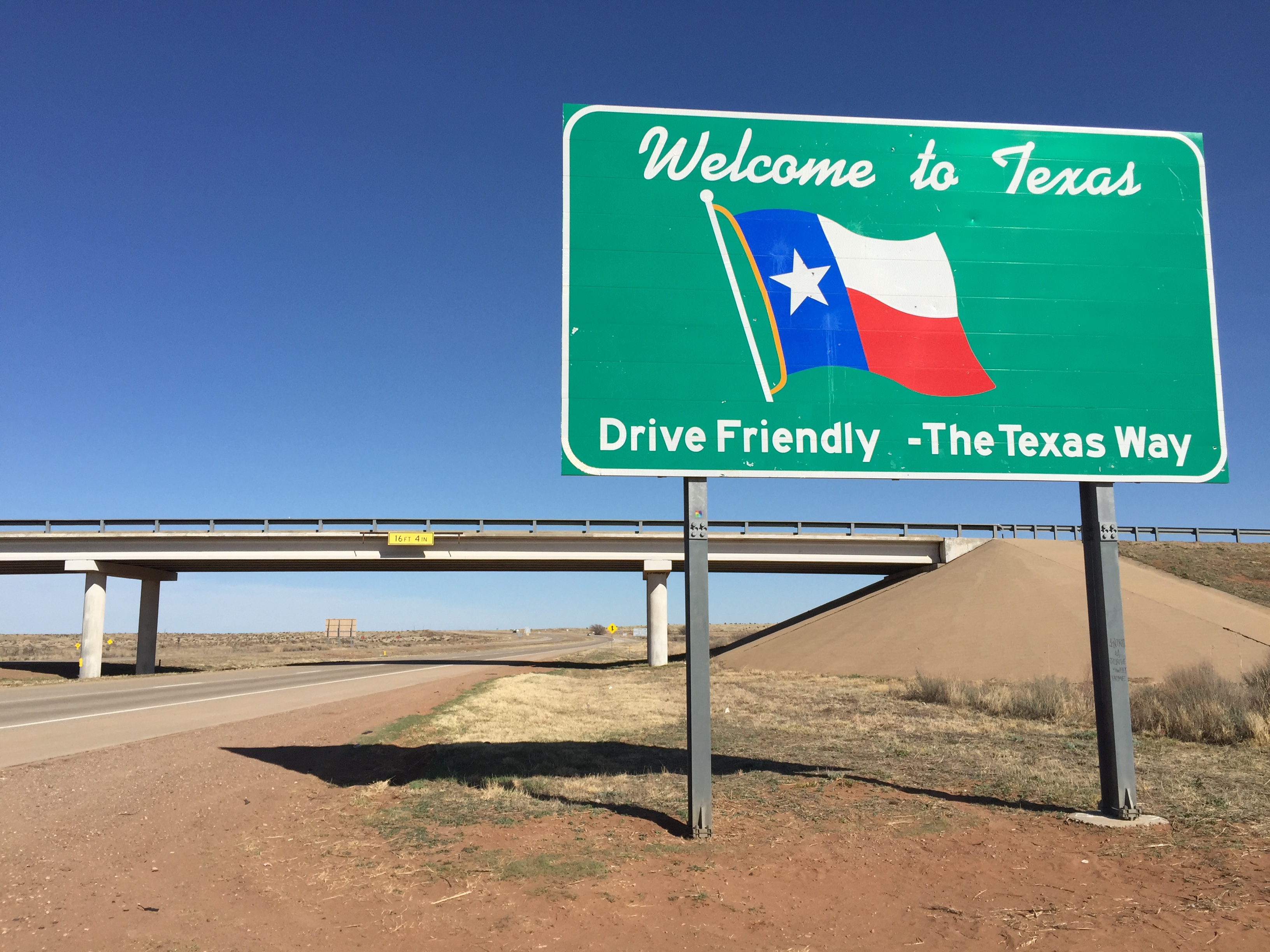
Echoes of Indigenous Tongues: The Caddoan Connection
The most widely accepted origin of the name Texas traces back to the indigenous Caddoan peoples, specifically a tribe known as the Hasinai confederation. These were the original stewards of much of what is now East Texas. The word in question is derived from the Caddoan word táysha, which translates to “friend” or “ally.” This term was used by the Hasinai to refer to themselves and their allies, distinguishing them from other native groups and, significantly, from the Spanish explorers who began to arrive in the region in the late 17th century.
The Role of the Spanish Missionaries and Explorers
It was the Spanish, in their relentless pursuit of new territories and the expansion of their empire, who first encountered and recorded the use of this term. Spanish explorers and missionaries, venturing into the North American interior from their established settlements in New Spain (modern-day Mexico), often relied on native guides and interpreters. When they interacted with the Hasinai, they learned of their designation of friendship. The Spanish, accustomed to adapting foreign place names into their own phonetic systems, transcribed táysha into tejas. This Anglicized form, “Texas,” eventually became the standard.
The Spanish mission system, established throughout the region in the 18th century, played a crucial role in disseminating the name. These missions, intended to convert native populations to Christianity and solidify Spanish control, were named after saints and given territorial designations. The Spanish governor of Coahuila and Texas, Marqués de San Miguel de Aguayo, established numerous missions, many of which were located within the traditional territories of the Hasinai. This widespread presence and the administrative structures that followed cemented “Tejas” as the geographical identifier for the region. The missions themselves, like the historic Mission San Antonio de Valero (better known as the Alamo), became central to the region’s identity and history.
The Evolution of “Texas”

From táysha to “Tejas” and finally to “Texas,” the name underwent a gradual phonetic and orthographic transformation. As Spanish influence waned and Anglo-American settlers began to arrive in greater numbers, particularly in the early 19th century, the spelling shifted. The Spanish pronunciation of “j” often had a guttural sound, similar to the English “h,” but as English speakers adopted the term, it softened. The spelling “Texas” emerged as the most common and eventually the official designation.
From Spanish Province to Mexican State
The territorial name “Tejas” was officially recognized by the Spanish crown as a province within the Viceroyalty of New Spain. After Mexico gained its independence from Spain in 1821, Texas became part of the newly formed nation, initially as part of the state of Coahuila y Tejas. This period saw increased immigration from the United States, leading to growing tensions between the Anglo settlers and the Mexican government, ultimately culminating in the Texas Revolution.
The Republic of Texas and Statehood
The successful revolt against Mexico in 1836 led to the establishment of the Republic of Texas. The name “Texas” was by then firmly entrenched as the identifier of this independent nation. The republic existed for nine years before joining the United States as the 28th state in 1845. Throughout these pivotal historical moments, the name “Texas” served as a constant, a symbol of the land and its people, carrying with it the legacy of its indigenous origins and the saga of its colonial and revolutionary past.
The Enduring Legacy of “Friend”
The irony that the name of a state often associated with rugged individualism and a fiercely independent spirit, and sometimes with a confrontational attitude, originates from a word meaning “friend” or “ally” is profound. It speaks to the complex tapestry of cultures that have woven themselves into the fabric of Texas. The Hasinai people, who once greeted newcomers with a gesture of amity, have a lasting linguistic monument in the very name of one of the most iconic states in the United States.
Connecting to the Land Through Its Name
To explore Texas is to connect with a history far older than its statehood. The name itself is an invitation to look beyond the modern metropolises like Houston, Dallas, or Austin and to consider the indigenous cultures that first navigated these plains and forests. It is a reminder that the foundations of this great state are built upon the interactions, exchanges, and eventual transformations of languages and peoples. The next time you hear or utter the name “Texas,” remember its humble beginnings as a greeting of peace, a testament to the enduring power of language to shape identity and place.
LifeOutOfTheBox is a participant in the Amazon Services LLC Associates Program, an affiliate advertising program designed to provide a means for sites to earn advertising fees by advertising and linking to Amazon.com. Amazon, the Amazon logo, AmazonSupply, and the AmazonSupply logo are trademarks of Amazon.com, Inc. or its affiliates. As an Amazon Associate we earn affiliate commissions from qualifying purchases.