
The confluence of great rivers has always held a magnetic pull for explorers, cartographers, and travelers alike. Throughout the history of the United States, few geographic junctions have played as pivotal a role in the expansion, commerce, and settlement of the nation as the point where the Ohio River meets the Mississippi River. This meeting point is not merely a line on a map; it is a dramatic display of nature’s power and a site steeped in historical significance.
The Geographic Convergence at Cairo
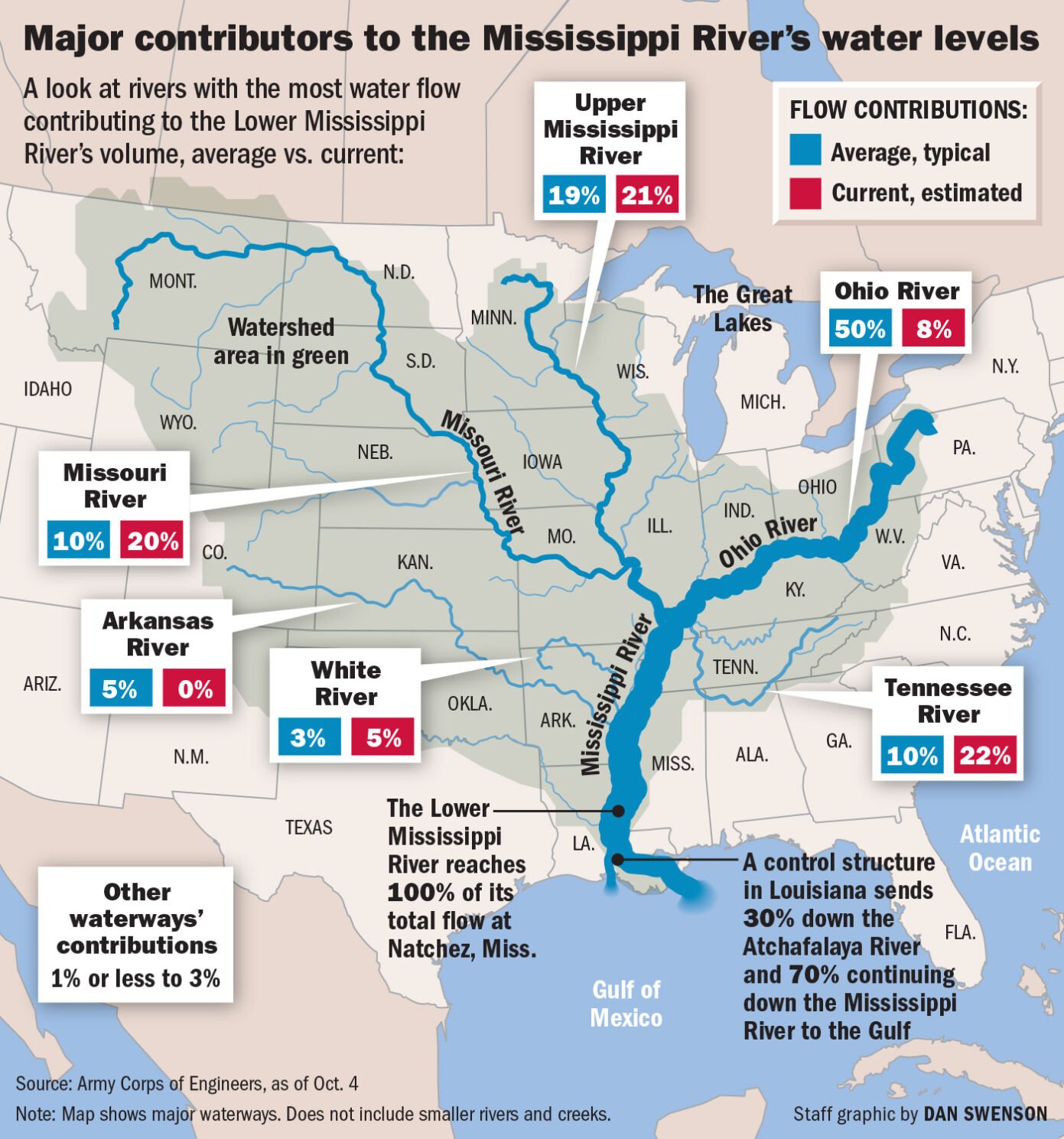
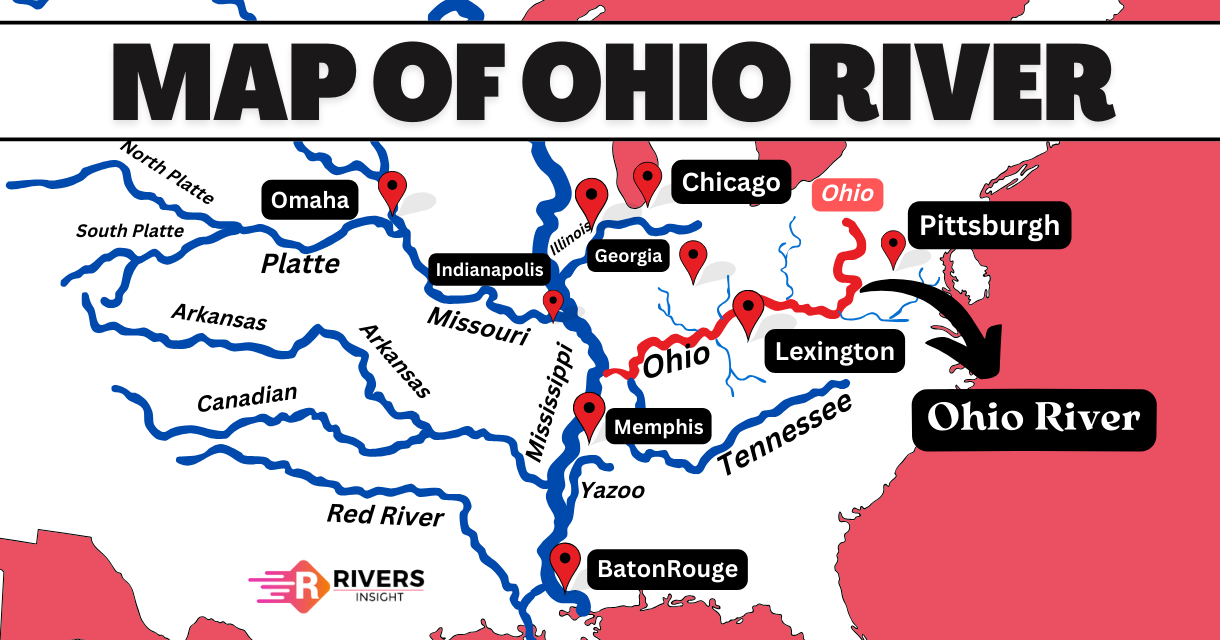
The exact location where the Ohio River surrenders its waters to the Mississippi is found at the southernmost tip of Illinois, specifically at the historic river town of Cairo. It is here that the two massive arteries of the American interior fuse, forever changing the character of the downstream flow.
The Dynamics of the Confluence
When standing at the banks in Cairo, one can observe a distinct difference in the waters of the two rivers. The Ohio River, flowing from the industrial and agricultural heartland of the Midwest, often carries a different sediment load and clarity compared to the powerful, silt-heavy current of the Mississippi. As they collide, the visual contrast is often striking, creating a swirling eddy of currents that marks the official end of the Ohio’s journey.
Strategic Importance in History
Historically, this point was the “Gateway to the West.” For 19th-century pioneers traveling by steamboat, the confluence represented a critical navigational junction. Control over this intersection meant control over the primary trade route for the entire Mississippi River Basin. During the American Civil War, the strategic value of the confluence was recognized by both the Union and the Confederacy, leading to significant fortification efforts in the region.
Exploring the Fort Defiance State Park
For modern travelers, the best way to witness this legendary meeting is by visiting Fort Defiance State Park. This site offers a rare vantage point where visitors can stand at the very tip of the peninsula and look out at the horizon where the two rivers become one.
Natural Beauty and Biodiversity
The area surrounding the confluence is part of a complex riparian ecosystem. The confluence point serves as a crucial habitat for various migratory birds and native wildlife. Travelers who enjoy nature photography or birdwatching will find the interplay of light on the water and the sheer scale of the landscape to be truly awe-inspiring. During the spring and autumn months, the skies above Cairo are often filled with waterfowl traversing the Mississippi Flyway.
Historical Markers and Architecture
While the town of Cairo has seen many changes over the decades, the remnants of its past are still visible. Visitors can explore the interpretive signage at the park, which details the logistical challenges of keeping the river channels navigable. The architecture in the surrounding area, though weathered by time and river flooding, tells the story of a once-booming port city that sat at the center of American riverine commerce.

Navigational Marvels and River Lore
The joining of these two rivers is not just a static geographic feature; it is an active, living component of the nation’s infrastructure. The U.S. Army Corps of Engineers manages this junction with meticulous care to ensure that deep-draft vessels can continue to transport goods from the Gulf of Mexico all the way up to Pittsburgh and Minneapolis.
The Role of Commercial Shipping
The confluence is a bustling hub for tugboats and massive barges. Watching these vessels navigate the merge is a fascinating lesson in physics and pilotage. The sheer scale of the towboats pushing long strings of barges against the current serves as a reminder that the rivers remain the lifeblood of inland logistics. Many tourists visit the riverside just to watch the slow, rhythmic dance of these iron giants navigating the confluence.
Folklore of the Great Rivers
Legends abound regarding the “Father of Waters” and the “Beautiful River.” The local folklore often speaks of the spirits of the river and the hidden depths where the two currents mingle. The meeting of these waters has inspired writers and musicians for centuries, cementing its place in the American consciousness as a symbol of unity and the sheer vastness of the continental landscape.
Tips for the Modern Traveler
Visiting the confluence requires a bit of planning, as it is located in a remote part of Southern Illinois. However, the experience of standing where these two legendary rivers meet is well worth the journey.
Best Time to Visit
- Spring: Witness the rivers at high volume as snowmelt from the north travels down the Ohio and Mississippi, leading to dramatic currents and lush, green landscapes.
- Autumn: The cooler temperatures make for comfortable hiking in Fort Defiance State Park, and the surrounding Shawnee National Forest provides a stunning backdrop of fall colors.
Essential Gear
- Binoculars: Essential for spotting barges, wildlife, and distant landmarks across the water.
- Sturdy Footwear: Much of the park area consists of natural paths and riverbank terrain, which can be uneven or muddy depending on recent rainfall.
- Camera: The panoramic views at the confluence are perfect for wide-angle landscape photography.
Nearby Attractions
If you are planning an extended trip, consider exploring more of the Ohio River Valley. A drive through the neighboring states of Kentucky and Missouri offers a deeper look into the cultural heritage of this region. Towns along the river banks often hold hidden gems, from historic Bed and Breakfast establishments to local museums that detail the life of riverboat captains and the evolution of the river economy.
The point where the Ohio River joins the Mississippi is a landmark that bridges the gap between the past and the present. It stands as a testament to the endurance of the American landscape and the persistent human drive to explore, map, and utilize these monumental waterways. Whether you are a history buff, a nature enthusiast, or simply a traveler looking for the next point on your map, the confluence in Cairo offers a profound experience that stays with you long after you have left the banks of the river.
LifeOutOfTheBox is a participant in the Amazon Services LLC Associates Program, an affiliate advertising program designed to provide a means for sites to earn advertising fees by advertising and linking to Amazon.com. Amazon, the Amazon logo, AmazonSupply, and the AmazonSupply logo are trademarks of Amazon.com, Inc. or its affiliates. As an Amazon Associate we earn affiliate commissions from qualifying purchases.