
California, a land of unparalleled natural beauty, vibrant cities, and diverse landscapes, is a dream destination for travelers worldwide. From the iconic beaches of Southern California to the towering redwoods of the north, and the world-renowned vineyards of Wine Country, the Golden State offers an endless array of experiences. However, like many regions globally, California also faces environmental challenges, most notably the seasonal threat of wildfires. For any traveler planning a trip to this magnificent state, understanding the wildfire situation is paramount for ensuring a safe, enjoyable, and responsible journey.
This guide aims to equip travelers with the knowledge and resources necessary to navigate their California adventures with confidence, even during fire season. Our focus will be on providing practical information about where fires typically occur, how to stay informed, and what steps to take to protect yourself and contribute to sustainable tourism.
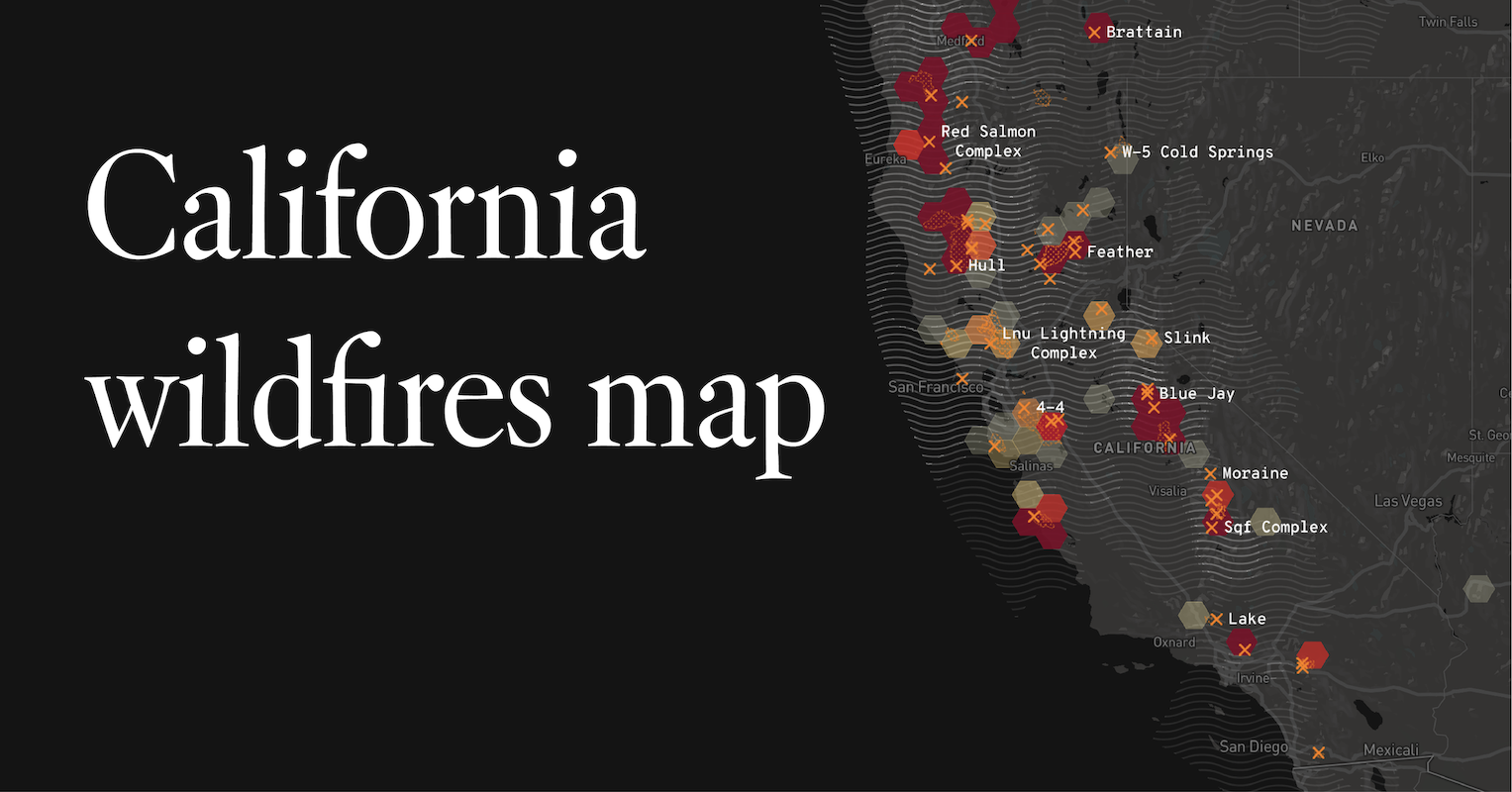
Understanding California’s Wildfire Landscape
Wildfires are a natural, albeit often devastating, component of California’s ecosystem. Decades of fire suppression, coupled with climate change, have led to more intense and destructive blazes. Understanding the underlying factors and typical patterns is the first step for any informed traveler.
The Seasonal Nature of Wildfires
California’s fire season traditionally runs from late spring through late autumn, peaking in late summer and fall. However, due to persistent drought conditions and warmer temperatures, the state now experiences a year-round fire threat. Key contributing factors include:
- Drought: Prolonged periods of insufficient rainfall dry out vegetation, turning forests and grasslands into tinderboxes.
- High Temperatures: Heatwaves exacerbate drought conditions and make ignition more likely.
- Santa Ana Winds and Diablo Winds: These strong, dry winds, particularly prevalent in Southern California (Santa Anas) and Northern California (Diablos), can rapidly spread fires, often carrying embers miles ahead of the main blaze and making containment incredibly challenging.
- Accumulated Fuel: Years of natural vegetation growth, combined with reduced controlled burns, provide ample fuel for fires to consume.
Travelers should be especially vigilant during these peak times and when strong winds are forecasted. While a fire might not be directly in a planned destination, smoke can travel hundreds of miles, affecting air quality and visibility.
Geographic Vulnerability
While wildfires can occur virtually anywhere in California, certain regions are historically more vulnerable due to their climate, vegetation, and topography.
- Forest and Mountainous Regions: Areas like the Sierra Nevada range, which includes iconic destinations such as Yosemite National Park and Sequoia National Park, are frequently impacted. The dense forests provide significant fuel, and remote access can complicate firefighting efforts.
- Chaparral and Brushlands: Much of Southern California’s hillsides are covered in highly flammable chaparral. When combined with Santa Ana Winds, these areas can experience fast-moving, destructive fires, often threatening residential communities and urban interfaces.
- Wine Country: Regions such as Napa Valley and Sonoma County in Northern California have unfortunately seen significant fires in recent years. These areas feature rolling hills covered in vineyards and oak woodlands, which can become dry and susceptible.
- Rural and Wildland-Urban Interface Areas: Communities situated at the edge of wildlands, whether near Lake Tahoe, coastal Big Sur, or inland valleys, are at higher risk.
It’s crucial to remember that a significant portion of California is vast and remains unaffected even during active fire incidents. The goal is to stay informed about specific, localized threats rather than blanket assumptions.
Essential Resources for Real-Time Fire Information
The key to safe travel in California during fire season is access to accurate, up-to-date information. Relying on official sources is critical to avoid misinformation and make informed decisions.
Official Government Alerts and Agencies
- CAL FIRE: The California Department of Forestry and Fire Protection (CAL FIRE) is the primary agency for wildfire response and information. Their website (fire.ca.gov) provides daily incident reports, fire maps, and public safety messages. This should be your first stop for comprehensive statewide information.
- InciWeb: The National Wildfire Coordinating Group’s InciWeb (inciweb.nwcg.gov) is an interagency incident information system that provides detailed information on large, active wildfires across the United States, including California. It often includes maps, closures, and evacuation details specific to individual incidents.
- Local Emergency Services: For granular, community-specific information, consult the websites and social media channels of county sheriff’s departments, emergency services offices, and city governments in your planned destination. They issue local evacuation orders, road closures, and shelter information.
- National Park Service and Forest Service: If your travel plans include national parks (e.g., Yosemite National Park, Sequoia National Park) or national forests, check their official websites directly for current conditions, closures, and fire restrictions.
Mapping Tools and Air Quality Indices
- AirNow.gov: This federal website provides real-time air quality information across the country, crucial for understanding smoke impacts. Look for the Air Quality Index (AQI) specific to your location. Poor air quality can significantly affect outdoor activities and pose health risks, especially for sensitive groups.
- PurpleAir: A network of crowd-sourced air quality sensors that offers very localized, real-time data, often more detailed than official stations. While unofficial, it can provide valuable insights into immediate surroundings.
- Google Maps/Waze: Check these navigation apps for real-time road closures and traffic diversions. During a fire, many routes may be impacted, even if they are far from the fire front itself.
Local News and Social Media
While official sources are paramount, local news outlets in California often provide immediate updates and local perspectives that can be highly informative. Follow reputable local news stations and newspapers online. On social media platforms like X (formerly Twitter), search for hashtags related to specific fires or official accounts of emergency services. Be discerning and verify information, always cross-referencing with official sources.

Navigating Travel During Fire Season: Safety and Planning
Travelers don’t need to cancel their California plans entirely during fire season, but careful planning and flexibility are essential. The vastness of the state means that even if one area is affected, many others remain open and beautiful.
Prioritizing Personal Safety
Your personal safety is paramount. Before and during your trip:
- Stay Informed and Have a Plan: Continuously monitor fire updates relevant to your destination. Know the local emergency communication channels (e.g., NIXLE alerts) and have a family communication plan.
- Know Evacuation Routes: If you are staying in a high-risk area, identify primary and secondary evacuation routes. Many hotels and accommodations will have pre-planned evacuation procedures; familiarize yourself with them.
- Prepare an Emergency Kit: Keep essentials like water, snacks, first-aid supplies, N95 masks (for smoke), and important documents readily accessible, especially if you’re traveling by car.
- Heed Warnings and Orders: If an evacuation order is issued for your area, leave immediately. Do not wait. Fire conditions can change rapidly.
- Avoid Restricted Areas: Never enter areas that have been closed due to fire activity, even if it seems safe. These closures are in place for your safety and to allow emergency personnel to work effectively.
Impact on Destinations and Attractions
Wildfires can directly or indirectly affect various types of California travel experiences:
- National and State Parks: These natural treasures are often at the front lines of wildfire impact. Park closures, trail closures, and campfire bans are common during fire season. Always check the park’s official website before visiting. For example, Yosemite National Park or Sequoia National Park might close specific areas or implement strict fire restrictions.
- Scenic Routes: Famous drives like the Pacific Coast Highway (Highway 1) might experience closures or detours due to fires, especially in areas like Big Sur. Always verify road conditions with Caltrans.
- Wineries and Farms: Wine Country businesses are particularly vulnerable, not just to direct fire damage but also to smoke taint affecting grapes, and the disruption of tourism. Check with individual wineries or regional tourism boards for their operational status.
- Urban Areas: Major cities like Los Angeles, San Francisco, or Sacramento are generally less directly threatened by fire fronts but can experience significant smoke impacts, leading to poor air quality and reduced visibility. This can affect outdoor activities and general comfort.
Air Quality Considerations
Smoke from wildfires contains fine particulate matter that can irritate eyes, throat, and lungs. For individuals with respiratory conditions (asthma, COPD), young children, or the elderly, prolonged exposure can be dangerous.
- Check AQI Daily: Use tools like AirNow.gov or PurpleAir to monitor the Air Quality Index (AQI) in your destination and along your travel route.
- Modify Activities: On days with poor air quality, opt for indoor activities like museums, galleries, or indoor dining instead of hiking, beach visits, or outdoor sports.
- Wear a Mask: N95 masks can help filter out particulate matter if you must be outdoors during smoky conditions.
- Consider Alternative Destinations: If a planned destination has consistently unhealthy air quality, consider shifting your trip to a less affected region of California or postponing.
Responsible Travel in Fire-Affected Areas and Beyond
Even during fire season, informed and responsible travel is possible and can even contribute positively to the state’s recovery efforts.
Supporting Local Communities
If an area has experienced a wildfire and is now open for tourism, consider visiting to help with economic recovery. Local businesses, from restaurants to hotels to shops, often suffer significantly from reduced tourism during and after a fire. By spending your travel dollars responsibly, you can play a part in their rebuilding. However, always ensure the community is genuinely ready for visitors and not still grappling with immediate recovery.
Fire Prevention Best Practices
Every traveler has a role to play in fire prevention:
- Campfire Safety: Observe all local fire restrictions. If campfires are allowed, ensure they are in designated fire rings, attended at all times, and fully extinguished before leaving. The safest option is often to avoid campfires altogether during high fire danger.
- Vehicle Precautions: Avoid driving or parking on dry grass, as hot exhaust pipes can easily ignite vegetation. Ensure your vehicle is properly maintained and your tires are correctly inflated to prevent sparks from blown tires.
- Smoking: If you smoke, do so only in designated areas. Never flick cigarette butts onto the ground.
- Leave No Trace: Always pack out everything you pack in. Any discarded materials, especially glass, can act as a fire starter.
- Adhere to Restrictions: Respect all “Red Flag Warnings,” fire bans, and other restrictions issued by local authorities and park services.

Flexibility and Travel Insurance
Given the unpredictable nature of wildfires, flexibility is a traveler’s best friend.
- Have Backup Plans: Be prepared to alter your itinerary, swap destinations, or change accommodation at short notice.
- Consider Travel Insurance: A comprehensive travel insurance policy that covers unforeseen circumstances, including natural disasters (if purchased before the event is known), can provide peace of mind and financial protection if your trip needs to be canceled, interrupted, or delayed due to wildfires. Read policy details carefully to understand coverage.
California remains an extraordinary destination, brimming with beauty and adventure. While wildfires present a real challenge, they do not diminish the state’s allure for informed and conscientious travelers. By utilizing official resources, prioritizing safety, and traveling responsibly, you can enjoy a memorable California experience while contributing to the safety and well-being of its communities and natural environments. Your awareness and preparedness are key to navigating the Golden State confidently, ensuring your travels are both safe and enriching.
LifeOutOfTheBox is a participant in the Amazon Services LLC Associates Program, an affiliate advertising program designed to provide a means for sites to earn advertising fees by advertising and linking to Amazon.com. Amazon, the Amazon logo, AmazonSupply, and the AmazonSupply logo are trademarks of Amazon.com, Inc. or its affiliates. As an Amazon Associate we earn affiliate commissions from qualifying purchases.