
California, a state renowned for its diverse landscapes and awe-inspiring natural wonders, is home to some of the planet’s most magnificent living organisms: the giant sequoias. These ancient giants, scientifically known as Sequoiadendron giganteum, are the largest trees by volume on Earth, drawing visitors from across the globe to stand in their colossal shadows. While their presence evokes a sense of timelessness and grandeur, pinpointing their exact locations requires understanding the specific ecological niches they inhabit and the protected areas where they thrive. This guide will navigate you through the primary regions in California where you can witness these arboreal titans.
The Majestic Giants of the Sierra Nevada
The overwhelming majority of giant sequoias are found in a narrow, west-facing belt along the western slopes of the Sierra Nevada mountain range. This particular environment provides the ideal conditions for their survival and growth: deep, well-drained soil, ample precipitation (especially snowpack), and a climate that balances sufficient warmth with periods of coolness. Their distribution is not continuous but rather concentrated in numerous groves, each with its own unique character and history.
Sequoia National Park: A Crown Jewel
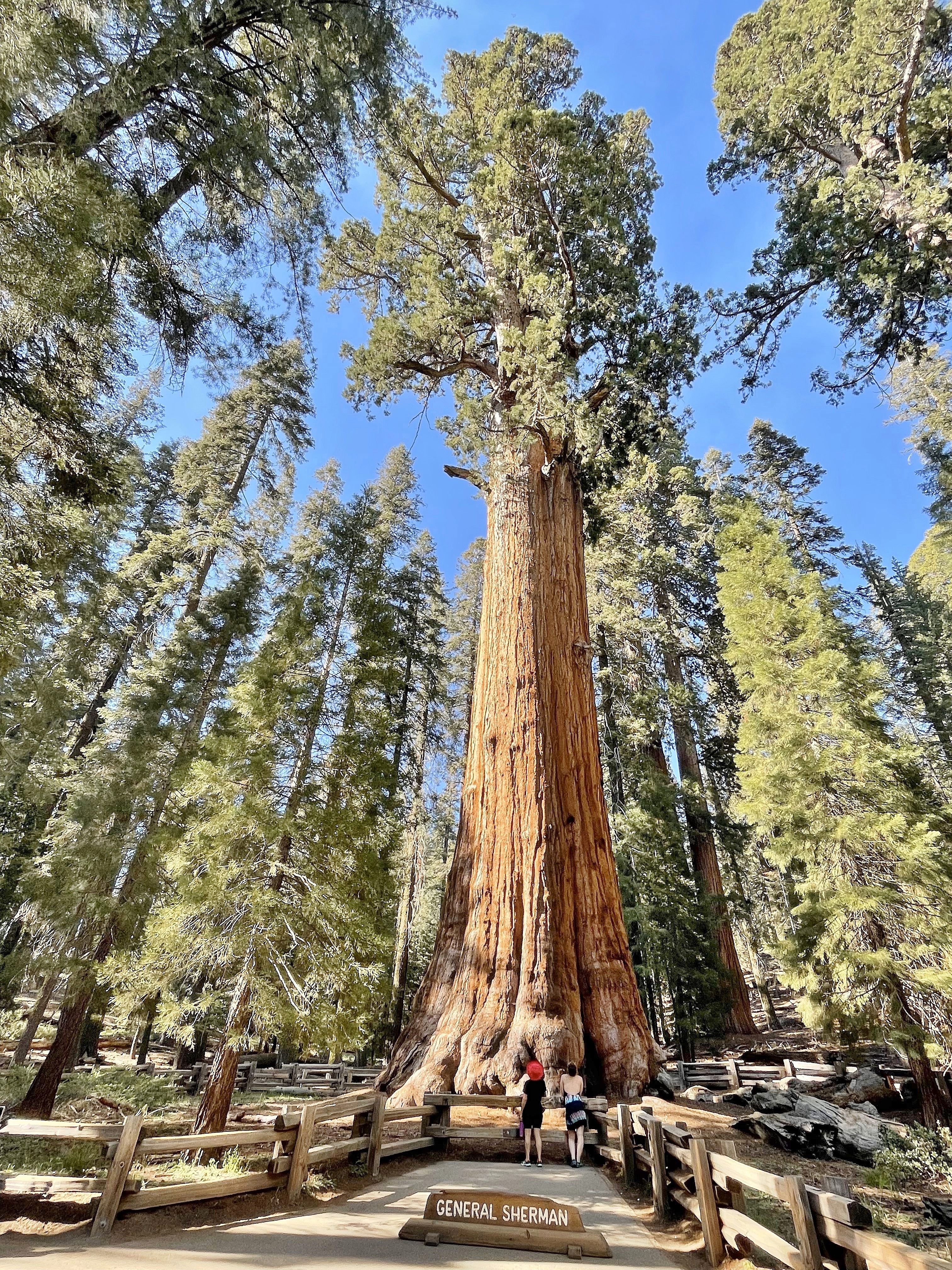
Sequoia National Park is arguably the most famous destination for encountering giant sequoias, and for good reason. It is home to the General Sherman Tree, the largest tree on Earth by volume, a truly mind-boggling spectacle of nature. The park boasts over 20,000 acres of giant sequoia groves, offering numerous opportunities for exploration and awe.
- General Sherman Tree and its Surroundings: The Giant Forest, a particularly dense and accessible grove, is where you’ll find the General Sherman Tree. Hiking trails, such as the Congress Trail, loop around this area, allowing visitors to marvel at other massive trees like the President Tree and the McKinley Tree. The sheer scale of these trees is difficult to comprehend until you are standing at their base, craning your neck to see their crowns.
- Moro Rock: While not a sequoia grove itself, Moro Rock offers panoramic views of the surrounding landscape, including the expansive forests where these giants reside. The granite dome provides a stunning vantage point to appreciate the vastness of the Sierra Nevada.
- Crescent Meadow: This picturesque meadow, surrounded by giant sequoias, offers a serene contrast to the immense trees. It’s a beautiful spot for a leisurely walk and photography, with the towering sentinels providing a dramatic backdrop.
Kings Canyon National Park: An Extension of Grandeur
Kings Canyon National Park, which is managed jointly with Sequoia National Park, is another prime location for experiencing giant sequoias. It is often considered an extension of Sequoia’s wonders, offering more remote and rugged terrain for exploration.
- Grant Grove: This iconic grove is home to the General Grant Tree, often referred to as the “Nation’s Christmas Tree.” The grove is easily accessible and features a paved loop trail, making it a popular spot for visitors. The General Grant Grove itself is a deeply moving place, embodying the enduring spirit of these ancient trees.
- Zumwalt Meadow: While known for its stunning meadow views and granite cliffs, the trails around Zumwalt Meadow also pass through areas populated by giant sequoias, offering a different perspective on their habitat.
Yosemite National Park: Giants in a Legendary Landscape
While Yosemite National Park is perhaps more widely celebrated for its granite cliffs like El Capitan and Half Dome, and its spectacular waterfalls, it also harbors significant giant sequoia groves. These groves provide a unique juxtaposition of the park’s iconic granite formations with the ancient, living wood of the sequoias.
Mariposa Grove: A Historic Sanctuary
The Mariposa Grove is Yosemite’s largest grove of giant sequoias and one of the most visited. It is a place steeped in history and natural beauty, with some of the most famous individual trees in the park located here.
- Grizzly Giant and the California Tunnel Tree: Among the most notable trees in the Mariposa Grove are the Grizzly Giant, estimated to be over 3,000 years old, and the California Tunnel Tree, which has a tunnel carved through its base, allowing visitors to walk through it. The resilience and sheer size of these trees are astonishing.
- Wawona Area: The Wawona region of Yosemite, where the Mariposa Grove is located, also offers other smaller groves and a historic hotel, providing a base for exploring the sequoias and the surrounding historical attractions.

Tuolumne and Merced Groves
Beyond the Mariposa Grove, Yosemite offers two other significant groves: the Tuolumne Grove and the Merced Grove. These groves are generally less crowded than Mariposa, offering a more contemplative experience.
- Tuolumne Grove: Accessible via a moderate hike, the Tuolumne Grove features a fallen tunnel tree and a number of impressive standing giants. Its location within the park provides a different ecological context for the sequoias.
- Merced Grove: This is the smallest and most remote of Yosemite’s three main groves, requiring a longer hike. It offers a chance to experience the sequoias in a more secluded setting.
Other Notable Sequoia Groves
While Sequoia, Kings Canyon, and Yosemite National Parks are the most prominent locations, several other areas in California are home to significant giant sequoia groves, often managed by the U.S. Forest Service or other state and local entities. These often provide more off-the-beaten-path experiences for those seeking solitude among the giants.
Giant Sequoia National Monument
Established to protect a significant portion of the remaining giant sequoia groves outside of the national parks, the Giant Sequoia National Monument encompasses a vast area within the Sequoia National Forest and Giant Sequoia National Monument. This monument preserves 34 groves of these magnificent trees.
- Trail of 100 Giants: Located within the Sequoia National Forest, the Trail of 100 Giants is a well-maintained, accessible trail that winds through a grove with a high concentration of mature giant sequoias. It’s an excellent option for families and those with limited mobility.
- Black Mountain Grove and Hume Lake: Various other groves are scattered throughout the monument, each offering its own unique charm. Areas around Hume Lake also provide access to some of these ancient forests.
Stanislaus National Forest and Sierra National Forest
The Stanislaus National Forest and Sierra National Forest also contain numerous groves of giant sequoias. These forests offer a more dispersed and less developed experience compared to the national parks.
- The Stanislaus Tree: This forest is home to the Stanislaus Tree, one of the largest living sequoias, though it is not as widely visited as those in the national parks.
- Nelder Grove: Within the Sierra National Forest, Nelder Grove is a historic grove featuring interpretive trails and some truly impressive specimens. The grove has a rich history of logging and conservation efforts.
Calaveras Big Trees State Park
Located further north in the Sierra Nevada than the major national parks, Calaveras Big Trees State Park is another important sanctuary for giant sequoias.
- North Grove and South Grove: The park features two distinct groves. The North Grove is more developed with paved trails and interpretive signs, showcasing trees like the “Empire State Tree” and the “Discovery Tree.” The South Grove, while less accessible and requiring a longer hike, offers a more wild and less crowded experience.

Planning Your Visit to the Giant Sequoias
When planning a trip to see the giant sequoias, consider the time of year, as weather can significantly impact accessibility and the overall experience. Summer months offer the most predictable weather but also the largest crowds. Spring and fall can provide a more tranquil visit with beautiful scenery, while winter can offer a unique, snow-dusted perspective, though access to some areas may be limited. Always check current park and forest conditions before your visit. The journey to stand among these ancient giants is a profound experience, connecting you to the deep history of the natural world and the enduring power of life itself.
LifeOutOfTheBox is a participant in the Amazon Services LLC Associates Program, an affiliate advertising program designed to provide a means for sites to earn advertising fees by advertising and linking to Amazon.com. Amazon, the Amazon logo, AmazonSupply, and the AmazonSupply logo are trademarks of Amazon.com, Inc. or its affiliates. As an Amazon Associate we earn affiliate commissions from qualifying purchases.