
California, the Golden State, beckons travelers with its unparalleled diversity, from the sun-kissed beaches of Southern California to the majestic redwood forests of the north, the bustling metropolises of Los Angeles and San Francisco, and the serene vineyards of Napa Valley. Millions flock here annually, drawn by iconic landmarks like the Golden Gate Bridge, world-class attractions such as the Disneyland Resort, and the breathtaking natural beauty of national parks including Yosemite. However, in recent years, a critical concern for both residents and prospective visitors has emerged: the increasing prevalence and intensity of wildfires. The question, “Where in California is fire?” is not merely a search for a location but a quest for understanding, safety, and responsible travel planning. This comprehensive guide aims to equip travelers with the knowledge needed to navigate the challenges posed by wildfires, ensuring a memorable and safe experience in this extraordinary state.
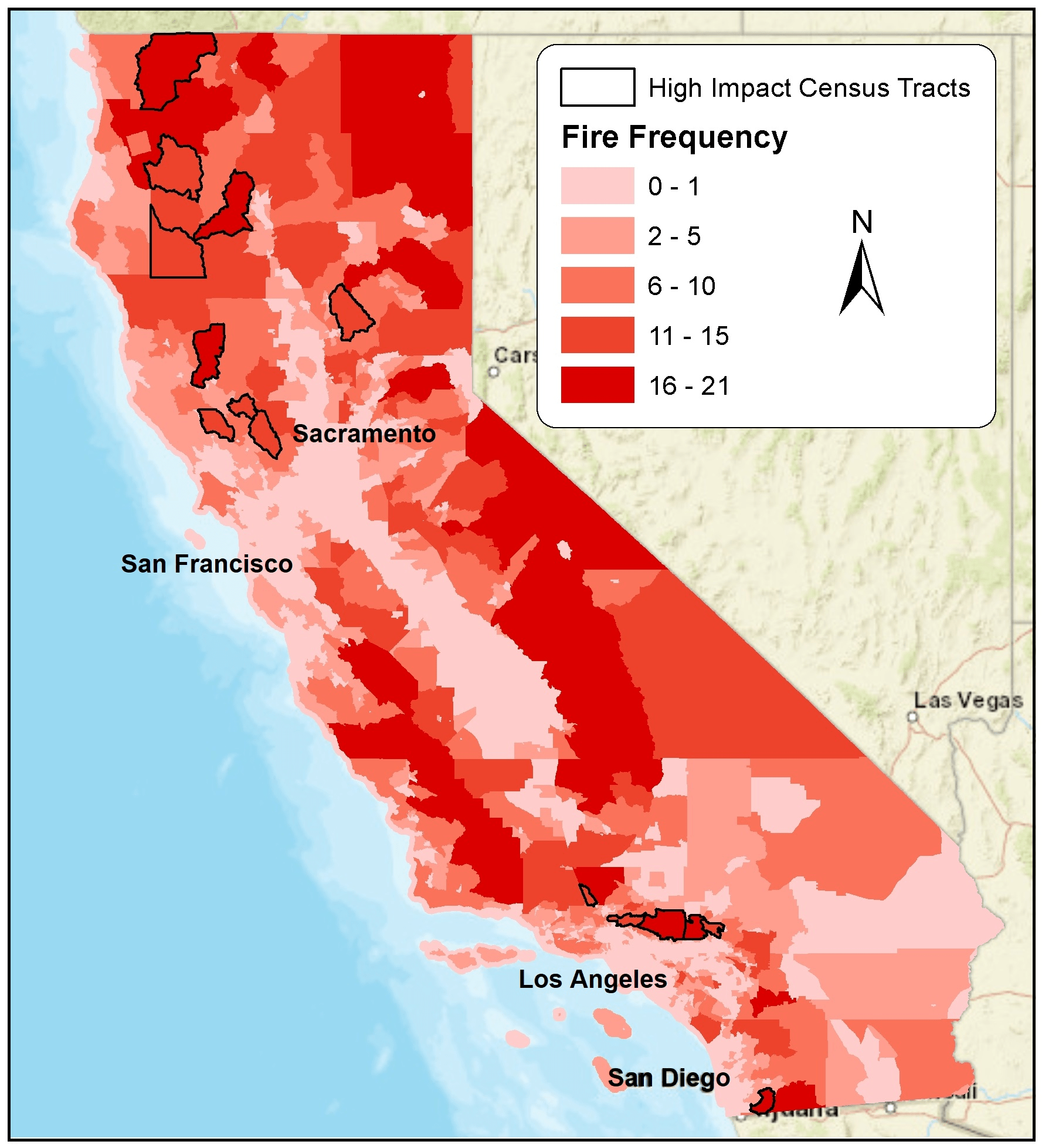
Navigating Travel in a Fire-Prone State: Understanding California’s Landscape
California’s unique geography, climate, and vegetation create an environment naturally susceptible to wildfires. Decades of fire suppression, coupled with climate change-induced drought conditions and warmer temperatures, have exacerbated this natural phenomenon, leading to what many now refer to as “fire season” – a period that can extend for much of the year. Understanding these underlying factors is the first step in comprehending the risks and planning an informed trip.
The Dynamics of Wildfires in the Golden State
Wildfires in California are primarily driven by several interconnected factors. The state’s diverse ecosystems, ranging from chaparral and shrublands to dense forests, accumulate dry vegetation that acts as fuel. Prolonged periods of drought, especially in regions like the Sierra Nevada mountains and parts of Southern California, leave this fuel bone-dry, making it highly combustible. When strong winds, such as the Santa Ana winds in the south or the Diablo winds in the north (often affecting areas around San Jose and Oakland), pick up, they can rapidly spread small ignitions into massive infernos.
Historically, lightning strikes have been a natural cause of wildfires, particularly in remote wilderness areas like those found in Sequoia National Park or Kings Canyon National Park. However, human activity is now the leading cause, from downed power lines and discarded cigarettes to unattended campfires. These ignitions, often occurring near populated areas or major transit routes like the Pacific Coast Highway, pose significant threats to communities and infrastructure, including hotels, resorts, and popular tourist attractions.
The Evolving Landscape of Travel Safety
For travelers, the presence of wildfires means adapting expectations and taking proactive steps to ensure safety. The primary concerns include direct threats from a fire (though fires rarely directly impact major urban tourist centers without significant warning), road closures that can disrupt travel plans, and poor air quality caused by smoke. Smoke plumes can travel hundreds of miles, affecting areas far from the active fire zones. For example, smoke from fires in Northern California could impact air quality in San Francisco or even as far south as Monterey.
The key takeaway is that while wildfires are a serious concern, they are often localized, and much of California remains unaffected at any given time. With careful planning, access to reliable, real-time information, and a flexible itinerary, travelers can still enjoy the vast majority of what the state has to offer. The notion of “fire season” has evolved to mean a prolonged period of vigilance, rather than a blanket cancellation of travel plans to the entire state.
Protecting Your Trip: Essential Safety Measures and Resources for Travelers
A successful and safe trip to California during periods of heightened fire risk hinges on preparedness and access to accurate information. This means more than just packing sunscreen; it involves actively monitoring conditions and having a contingency plan.
Real-Time Information and Preparedness
Before and during your trip, make use of official resources for fire updates and safety information. The California Department of Forestry and Fire Protection (CAL FIRE) website is the authoritative source for incident information, including interactive maps showing active fires, their containment levels, and evacuation orders. Similarly, the National Interagency Fire Center (NIFC) provides a broader overview for the entire United States.
Road closures are a major inconvenience and potential hazard. Check the California Department of Transportation (Caltrans) website for real-time traffic conditions and road closures before heading out, especially if your itinerary involves scenic drives like portions of Highway 1 through Big Sur or routes through national forests. Many areas, particularly wilderness areas and national parks such as Joshua Tree or Death Valley, may implement fire restrictions or temporary closures, so always check their official park websites.
- Before You Go: Research your specific destinations. Are they historically fire-prone? What are the current fire conditions?
- During Your Trip: Stay informed through local news outlets, weather apps, and official government websites. Sign up for emergency alerts if available in the regions you’re visiting.
- Accommodation: When booking hotels or resorts, especially in areas bordering wilderness (e.g., Santa Barbara, Malibu, or wine country lodges), inquire about their fire safety protocols and evacuation plans. Look for flexible cancellation policies. Many major hotel chains, like those under Marriott International or Hilton Worldwide, often have detailed emergency procedures.
- Travel Insurance: Consider purchasing comprehensive travel insurance that covers cancellations or interruptions due to natural disasters like wildfires.
Air Quality and Health Considerations
Beyond the direct threat of fire, smoke and poor air quality can significantly impact your travel experience and health, particularly for individuals with respiratory conditions. Websites like AirNow.gov provide real-time air quality index (AQI) readings, which can help you decide whether outdoor activities are advisable. An AQI above 100 generally indicates unhealthy air for sensitive groups, and above 150, unhealthy for everyone.

If air quality is poor in your planned destination, consider adjusting your itinerary. Opt for indoor attractions, museums, galleries, or consider shifting your trip to coastal areas where sea breezes often help clear the air. Cities like San Diego or Santa Monica might offer clearer skies than inland areas during wildfire events. Staying hydrated and wearing N95 masks can also offer some protection if you must be outdoors in smoky conditions. Your health and comfort should always take precedence over strict adherence to your original plans.
Choosing Your California Adventure: Destinations Beyond the Firelines
Despite the headlines, the vast majority of California remains open and safe for tourism, even during peak fire season. The key is to be selective, informed, and adaptable when choosing your destinations and planning your activities.
Exploring Unaffected Regions and Coastal Retreats
Many iconic California destinations are far less susceptible to large-scale wildfires due to their geography or urban development. Coastal areas, in particular, often benefit from cooler, moister air and prevailing winds that push smoke inland.
- Coastal Cities: San Francisco with its vibrant culture, historic cable cars, and culinary scene, or San Diego boasting beautiful beaches, Balboa Park, and the world-famous zoo, are generally excellent choices. Santa Barbara, while adjacent to wildlands, often maintains good air quality, allowing visitors to enjoy its Spanish colonial architecture and wine trails. Catalina Island offers a unique island escape, almost entirely isolated from mainland fire risks.
- The Deserts: Regions like Palm Springs and the surrounding Coachella Valley, while hot, are less prone to the types of large forest fires seen elsewhere. Joshua Tree National Park is also generally in areas with different fire dynamics, though it’s always wise to check current park conditions.
- Urban Centers: Major cities such as Los Angeles, Sacramento, Oakland, and Berkeley offer countless attractions, museums, dining experiences, and entertainment options that are largely unaffected by distant wildfires. If air quality is a concern, these urban hubs provide ample indoor activities.
- Northern Coasts and Redwood Forests: While some fires have occurred in or near redwood forests, especially further inland in areas like Humboldt County, many popular coastal sections of Redwood National and State Parks remain protected and accessible, offering a truly magnificent natural experience.
When selecting accommodation, consider properties that offer robust air filtration systems or are located in areas less exposed to wildfire smoke. A luxury resort like the Post Ranch Inn in Big Sur might face different considerations than a boutique hotel in downtown San Francisco. Always verify current conditions directly with your chosen hotels or tour operators.
Resilient Communities and Recovery Efforts
It’s also important to remember that many communities affected by past wildfires are incredibly resilient and rely heavily on tourism for their recovery. While it’s crucial to avoid active fire zones, supporting areas that have recovered can be a powerful way to contribute to their revitalization. Often, beautiful natural areas and charming towns rebuild quickly, and visiting them thoughtfully can infuse much-needed economic activity.
For example, areas in Sonoma County and Napa Valley have seen significant fire events in the past, yet their world-renowned wineries and hospitality industry have bounced back with vigor. A visit here, enjoying wine tastings and gourmet meals, directly supports local businesses and residents. Before ruling out a region, research its current status and whether it’s welcoming visitors. Many travel guides and local tourism boards actively promote specific itineraries to support these resilient communities.
Responsible Tourism and Supporting California’s Resilience
Traveling to California during fire season or even after a fire has impacted an area requires a heightened sense of responsibility. As visitors, we have a role to play in fire prevention and in supporting the state’s ongoing efforts to manage and recover from these natural events.
Contributing to Conservation and Local Economies
Responsible tourism begins with awareness and action. When visiting natural areas, always adhere to fire restrictions, such as campfire bans. Be extremely cautious with anything that could spark a fire, including disposing of cigarettes properly and ensuring vehicles have proper maintenance to prevent sparks from hot mufflers or catalytic converters. If you’re camping, use designated campgrounds and ensure your campfire is completely extinguished before leaving. These small actions can have monumental impacts.
Beyond prevention, your travel choices can support California’s resilience.
- Support Local Businesses: When traveling, prioritize locally owned hotels, restaurants, shops, and tour operators. This directly injects money into the local economy, helping communities thrive, especially those recovering from past fires.
- Engage with Conservation: Look for opportunities to support local environmental organizations or park services that are involved in forest management, restoration, and fire prevention efforts. Many national parks, like Yosemite National Park, have foundations that accept donations for conservation projects.
- Educate Yourself and Others: Share your knowledge about responsible travel and fire safety with fellow travelers. Understanding the unique challenges of California’s environment fosters a more respectful and sustainable approach to tourism.
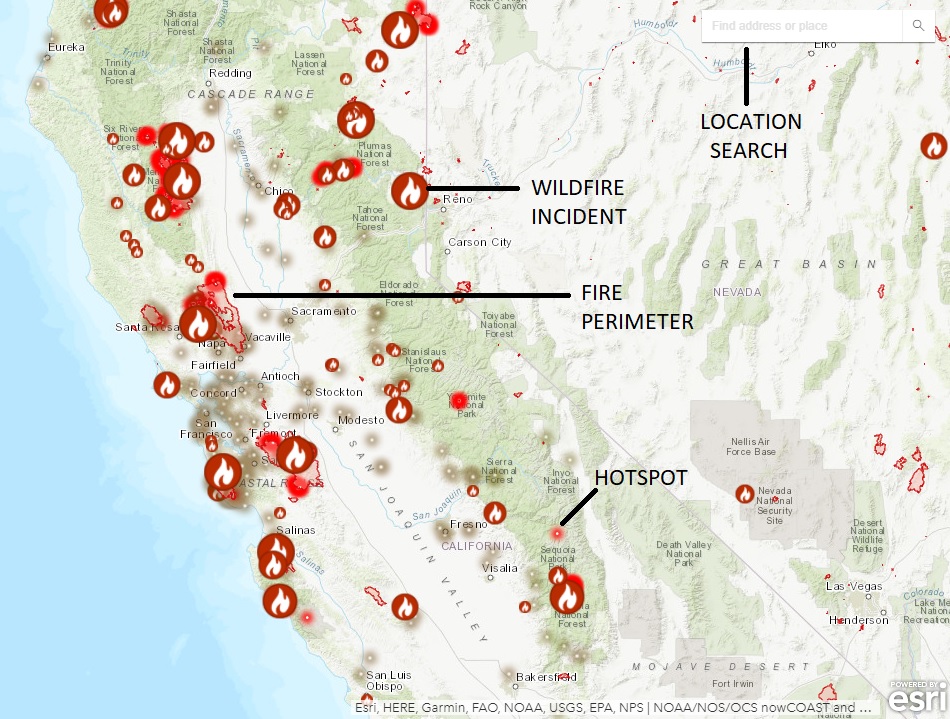
Future-Proofing Your California Experiences
Looking ahead, California is actively investing in long-term fire prevention and mitigation strategies, from forest thinning and prescribed burns to early detection systems and community hardening programs. As a traveler, staying informed about these initiatives and understanding their purpose contributes to a more informed perspective. It helps to contextualize the “Where in California is fire?” question not as a sign of permanent danger, but as a challenge the state is actively addressing.
The beauty and allure of California are undeniable. From the majestic granite cliffs of Yosemite and the towering sequoias of Sequoia National Park to the vibrant nightlife of Hollywood and the serene shores of Lake Tahoe, the state offers a lifetime of travel experiences. While wildfires present a dynamic element to consider, they need not deter you from exploring this incredible destination. With careful planning, vigilance, and a commitment to responsible tourism, you can safely discover the endless wonders of the Golden State, contributing positively to its enduring spirit and natural grandeur.
LifeOutOfTheBox is a participant in the Amazon Services LLC Associates Program, an affiliate advertising program designed to provide a means for sites to earn advertising fees by advertising and linking to Amazon.com. Amazon, the Amazon logo, AmazonSupply, and the AmazonSupply logo are trademarks of Amazon.com, Inc. or its affiliates. As an Amazon Associate we earn affiliate commissions from qualifying purchases.