
Colorado, a state synonymous with majestic mountain ranges and pristine winter landscapes, beckons travelers seeking the magic of snowfall. From the early whispers of autumn to the lingering drifts of spring, precipitation in the Centennial State takes on many forms, with snow being its most iconic. For those planning a visit, understanding where and when to witness this natural phenomenon can transform a good trip into an unforgettable adventure. This guide delves into the prime locations and timings for experiencing snow in Colorado, focusing on the diverse experiences it unlocks for travelers.
The Majestic Rockies: Snowfall’s Natural Domain
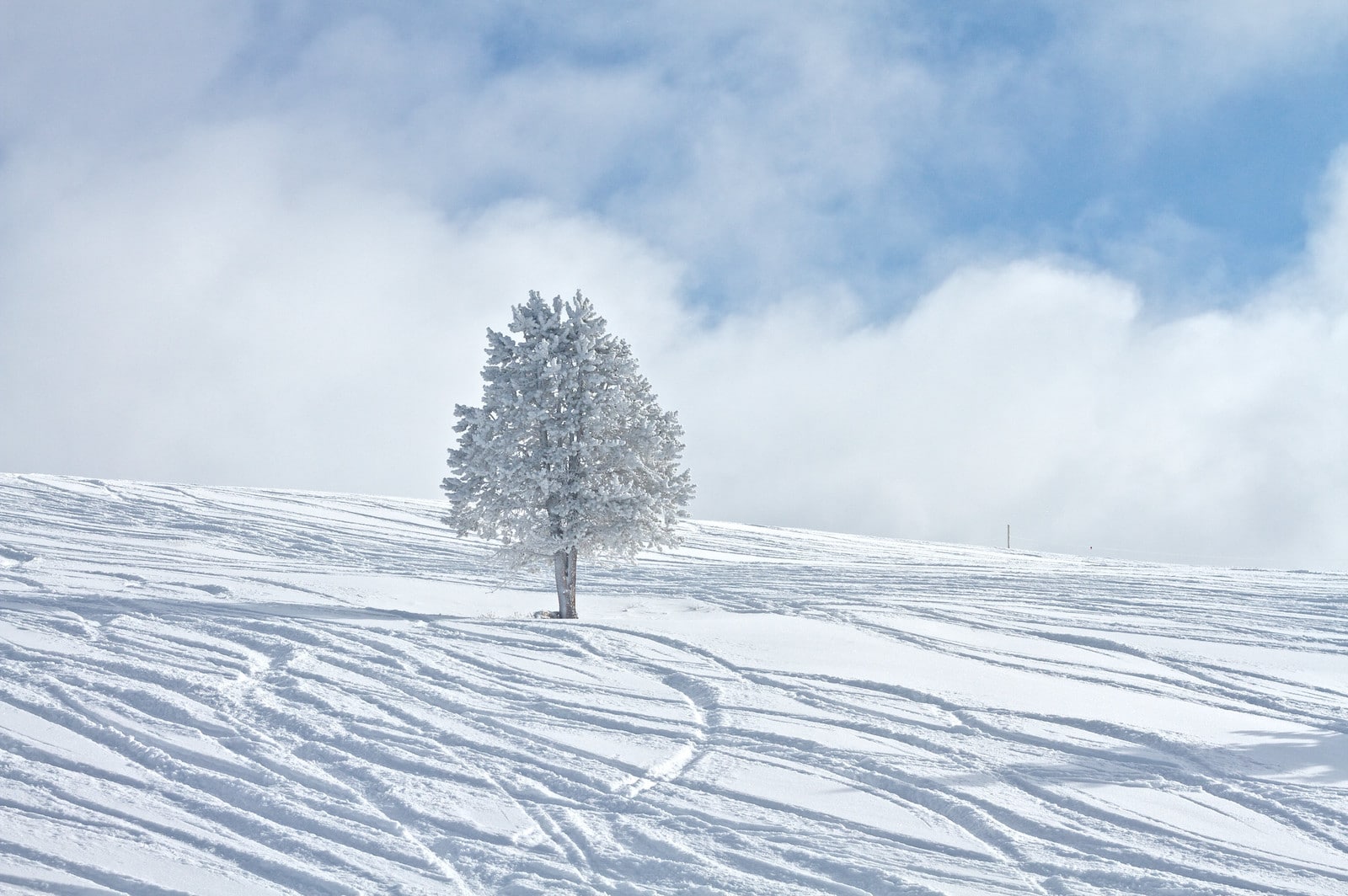
The Colorado Rockies are the undeniable heart of snowfall in the state. These towering peaks capture moisture from prevailing winds, creating a winter wonderland that blankets vast swathes of wilderness. For travelers seeking the quintessential snow experience, the mountain towns and national parks are the primary destinations.

The High Alpine Zones: Consistent Snowfall
The highest elevations, generally above 9,000 feet, are where snow reliably falls and accumulates throughout the winter season, typically from late October through April, and sometimes even into May and June on the highest peaks.
Ski Resorts: A Snow Lover’s Paradise
Colorado’s ski resorts are, by their very nature, prime locations for experiencing snow. Resorts like Aspen Snowmass, Vail, Breckenridge, and Steamboat Springs are situated at altitudes where consistent snowfall is a given. These destinations offer not just the chance to see snow, but to actively engage with it through skiing, snowboarding, snowshoeing, and other winter sports.
- Aspen Snowmass: Renowned for its luxury and challenging terrain, Aspen experiences significant snowfall across its four mountains: Aspen Mountain, Aspen Highlands, Buttermilk, and Snowmass. The season often begins with early snows in November, and heavy accumulations are common throughout December, January, and February.
- Vail: As one of the largest ski resorts in North America, Vail benefits from its location in the Gore Range, which often funnels storms. Its vast terrain means that snow conditions can vary, but the upper mountain bowls are almost always blanketed in white during peak winter.
- Breckenridge: Situated at a high altitude, Breckenridge boasts a long season and dependable snow. The resort’s highest peaks often hold snow well into late spring, making it a reliable choice for late-season snow enthusiasts.
- Steamboat Springs: Known for its “Champagne Powder,” Steamboat receives an average of over 300 inches of snow annually. The unique microclimate in the Park Range contributes to its famously light and fluffy snow.
National Parks and Wilderness Areas: Untamed Snowscapes
Beyond the groomed slopes of ski resorts, Colorado’s national parks and wilderness areas offer a more remote and natural encounter with snow.
- Rocky Mountain National Park: During winter, large sections of Rocky Mountain National Park become inaccessible by car, but accessible via snowshoe or cross-country skis. Trail Ridge Road is typically closed in winter, but areas like Bear Lake and Moraine Park offer stunning, snow-covered vistas and opportunities for winter wildlife viewing. The park receives substantial snowfall, particularly at higher elevations, transforming its alpine meadows and forests into serene, white landscapes.
- San Juan Mountains: This dramatic range in southwestern Colorado is a haven for those seeking rugged beauty and abundant snow. Towns like Telluride and Ouray are gateways to some of the most picturesque snowy scenery in the state. The San Juan National Forest and surrounding wilderness areas are often buried under deep snowpacks, creating breathtaking panoramas.
Mountain Towns: Charming Winter Destinations
Even if you’re not hitting the slopes, Colorado’s charming mountain towns offer a delightful experience of snowfall. Walking through historic main streets, sipping hot chocolate by a fireplace, and enjoying the gentle descent of snowflakes creates a quintessential winter holiday atmosphere.
- Estes Park: The gateway to Rocky Mountain National Park, Estes Park experiences snow throughout the winter, though often less intensely than the highest ski resorts. The town itself is beautiful when dusted with snow, and the surrounding Roosevelt National Forest provides a snowy backdrop.
- Durango: Located in southwestern Colorado, Durango offers a historic charm enhanced by winter’s touch. The Durango & Silverton Narrow Gauge Railroad operates winter excursions, providing a unique way to see the snow-covered San Juan Mountains.
- Crested Butte: Known for its extreme skiing and vibrant wildflowers in summer, Crested Butte transforms into a picturesque snowy village in winter. Its well-preserved Victorian architecture looks especially charming under a blanket of fresh snow.
Timing is Everything: When to Chase the Snow
While the high Rockies are a reliable bet for snow from November to April, the timing of snowfall can vary. Understanding the patterns can help you plan your trip for the best possible experience.

Early Season Snow (Late October – November)
The first snows often grace the highest peaks in late October. While not significant enough for widespread winter activities, this is when the mountains begin to don their white caps, offering beautiful early-season vistas. Ski resorts at high elevations may open their first runs in mid-to-late November, marking the official start of the ski season.
Peak Winter Season (December – February)
This is the prime time for a true Colorado snow experience. Snowfall is typically most abundant and consistent during these months. Resorts boast deep powder, back country areas are fully blanketed, and the classic winter landscapes are in full display. Many travelers plan their holiday trips during this period to experience the festive atmosphere and abundant snow.
Late Season Snow (March – April)
While many associate snow with the colder months, Colorado often sees significant snowfall well into spring. March can be one of the snowiest months, with April occasionally bringing late-season storms that refresh the snowpack. Ski resorts may continue to operate through April or even into May at higher elevations, offering spring skiing with longer daylight hours and warmer temperatures. This period can be ideal for those who prefer milder conditions for their winter activities.
Unexpected Snowfall
It’s important to remember that weather is unpredictable. Even in the shoulder seasons, or in lower elevations, unexpected snow events can occur. A brief, intense snowfall can transform a landscape overnight, offering a magical, albeit temporary, winter scene even outside the traditional winter months.
Beyond the Mountains: Snow in Colorado’s Front Range
While the mountains are the primary snow magnets, the Front Range corridor, which includes cities like Denver, Boulder, and Colorado Springs, also receives snowfall. However, it is generally less consistent and accumulates for shorter periods.
Denver and Surrounding Areas
Denver typically experiences several snowstorms each winter, but warm spells often melt accumulations quickly. When it does snow significantly in Denver, it creates a beautiful contrast between the urban landscape and the white dusting, offering a unique city-meets-snow experience. Travelers visiting Denver during winter can still enjoy a snowy ambiance, especially if they venture a short distance into the foothills.
Foothills and Lower Elevations
Towns situated in the foothills, such as Golden or Evergreen, often receive more snow than the city of Denver itself, as they are closer to the mountain weather patterns. These areas provide a more accessible taste of snowfall for those who don’t wish to travel deep into the mountains.
Planning Your Snow-Centric Colorado Adventure
When planning a trip focused on experiencing snow in Colorado, consider the following:
- Destination Choice: Decide whether you want the full immersion of a ski resort, the rugged beauty of a national park, or the charming ambiance of a mountain town.
- Timing: For the most reliable and abundant snow, aim for the peak winter season (December-February). For spring skiing and potentially fewer crowds, consider March or April.
- Activities: Beyond skiing and snowboarding, explore options like snowshoeing, ice skating, sleigh rides, and simply enjoying the scenic beauty of a snow-covered landscape.
- Accommodation: Mountain towns offer a range of lodging, from luxury resorts to cozy cabins. Booking in advance is highly recommended, especially during peak season.
- Driving Conditions: If you plan to drive, always check weather and road conditions, especially in mountain passes, as snow can cause significant travel disruptions. Four-wheel drive or chains may be necessary.
Colorado’s snow-laden landscapes offer a breathtaking spectacle and a wealth of recreational opportunities. Whether you’re an avid skier or simply someone who appreciates the serene beauty of a winter wonderland, understanding where and when to find the snow will ensure your journey to the Centennial State is a truly magical one.
LifeOutOfTheBox is a participant in the Amazon Services LLC Associates Program, an affiliate advertising program designed to provide a means for sites to earn advertising fees by advertising and linking to Amazon.com. Amazon, the Amazon logo, AmazonSupply, and the AmazonSupply logo are trademarks of Amazon.com, Inc. or its affiliates. As an Amazon Associate we earn affiliate commissions from qualifying purchases.