
Discovering Florida’s Hidden Gem: The Location of Cedar Key
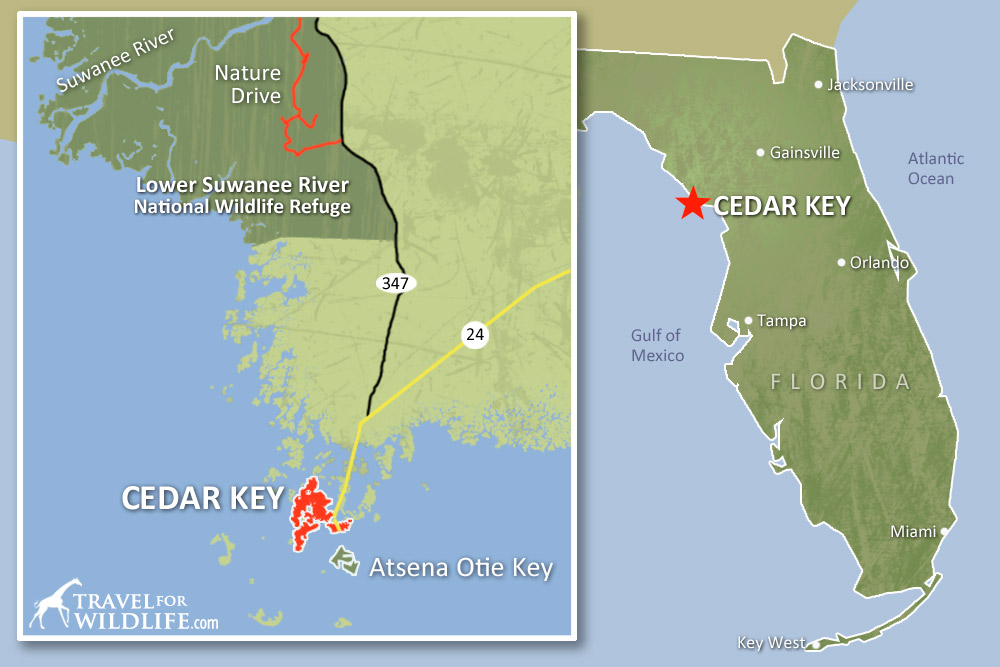
Nestled along the northwestern coast of Florida, Cedar Key is a quaint island city offering a stark contrast to the state’s more bustling tourist hubs. Far from the theme parks and high-rise condominiums, this historic fishing village provides an authentic glimpse into Old Florida’s charm. Situated off the main peninsula in the Gulf of Mexico, it’s a destination that appeals to those seeking tranquility, natural beauty, and a slower pace of life. Its unique position as an island community, accessible by a scenic causeway, immediately sets it apart, promising an escape into a world where time seems to slow down, and the rhythm of the tides dictates daily life.
A Nook on the Gulf Coast
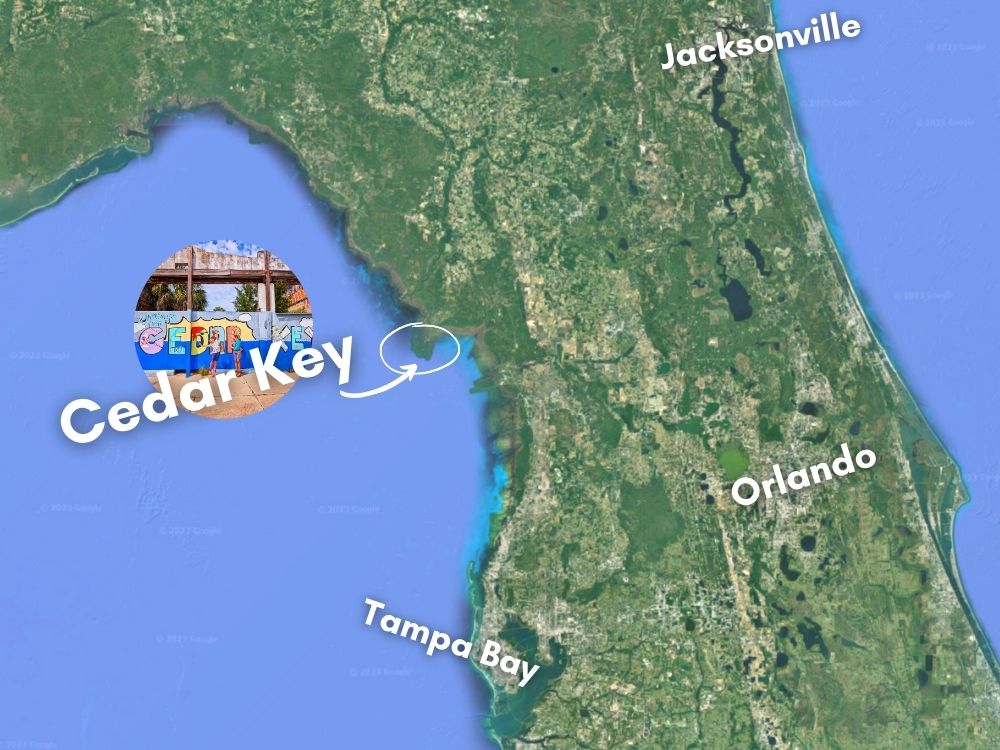
Cedar Key is geographically located in Levy County, approximately 50 miles southwest of Gainesville. It’s an integral part of Florida’s “Nature Coast,” an area celebrated for its untouched estuaries, abundant wildlife, and preserved natural habitats. The town itself is primarily situated on Way Key, one of a cluster of small islands that make up the Cedar Keys archipelago. This chain of islands, a significant portion of which is protected as the Cedar Key National Wildlife Refuge, creates a unique maritime environment, rich in biodiversity and scenic vistas. The proximity to the mouth of the Suwannee River further enhances its ecological significance, contributing to a vibrant ecosystem that supports a thriving clamming and fishing industry. This specific location on the Gulf of Mexico distinguishes it from Florida’s Atlantic coastline, offering different marine life, calmer waters, and breathtaking sunsets that paint the western sky.
Getting There: Navigating to Florida’s Natural Coast
Reaching Cedar Key is part of the adventure, involving a drive through Florida’s rural heartland before embarking on the picturesque causeway leading directly into town. The primary access route is State Road 24, which branches off U.S. Route 19 and U.S. Route 98 near the town of Otter Creek.
For travelers arriving by air, several major airports serve as gateways to this region:
- Gainesville Regional Airport (GNV): Approximately 60 miles northeast of Cedar Key, this is the closest regional airport, offering limited direct flights but convenient access.
- Tampa International Airport (TPA): Located about 120 miles south, TPA is a larger international airport with a broader range of flight options and rental car services. The drive from Tampa is a scenic route up U.S. Route 19, showcasing parts of Florida’s natural coastline.
- Orlando International Airport (MCO): Roughly 140 miles southeast, MCO is another major international hub. While a bit further, it offers extensive flight choices for those coming from a distance.
- Jacksonville International Airport (JAX): Situated about 150 miles northeast, JAX provides another viable option, especially for travelers exploring northern Florida before heading to Cedar Key.
Regardless of the starting point, a rental car is highly recommended to fully explore Cedar Key and its surrounding natural areas. The drive itself, particularly the final stretch across the marshlands, offers a gradual transition from mainland hustle to island serenity, building anticipation for the unique experience awaiting travelers.
The Unique Allure of Cedar Key: A Step Back in Time
Cedar Key’s allure lies in its ability to transport visitors to a bygone era. It eschews the manufactured excitement of modern tourist traps in favor of genuine charm, rich history, and profound natural beauty. This small island town has meticulously preserved its identity as a working waterfront community, where the rhythm of life is dictated by tides and tradition rather than commercialism. The authentic atmosphere, combined with stunning Gulf views, creates a destination unlike any other in Florida.
A Rich Tapestry of History and Heritage
The history of Cedar Key is as captivating as its landscape. Once a bustling port and industrial center in the 19th century, it was known for its pencil mill, lumber industry, and significant fishing fleet. The town played a crucial role in Florida’s early development, even serving as the western terminus for the state’s first cross-state railroad. This vibrant past is palpable in the historic architecture, the preserved docks, and the stories told by local residents. The Cedar Key Historical Society Museum provides an excellent window into this heritage, showcasing artifacts from Native American settlements, the Civil War era, and the town’s industrial boom and subsequent resilience through hurricanes and economic shifts. Walking the streets, visitors can envision the steamships arriving, the trains departing, and the bustling activity that once defined this island outpost. The Island Hotel, a historic landmark dating back to 1859, further epitomizes this enduring legacy, offering a tangible connection to Cedar Key’s storied past.
An Ecosystem Untouched: Nature’s Bounty
Beyond its history, Cedar Key is a haven for nature enthusiasts. Its location at the edge of the expansive Lower Suwannee National Wildlife Refuge and within the Cedar Key National Wildlife Refuge ensures a pristine environment teeming with diverse flora and fauna. These protected areas encompass thousands of acres of salt marshes, tidal flats, and hammocks, serving as critical habitats for migratory birds, marine life, and various terrestrial species. Birdwatching is a premier activity, with opportunities to spot roseate spoonbills, ospreys, pelicans, and numerous wading birds. The surrounding waters are also rich, home to dolphins, manatees, and an abundance of fish species. The commitment to preserving this natural bounty is evident everywhere, from the lack of large-scale development to the emphasis on eco-tourism. The undeveloped islands, particularly Atsena Otie Key, offer accessible beaches and trails where visitors can immerse themselves in the untouched coastal wilderness, reinforcing Cedar Key’s identity as a sanctuary for both nature and those who appreciate it.
Experiences Awaiting in Cedar Key
The charm of Cedar Key lies in its simplicity and the authentic experiences it offers. Life revolves around the water, the local culture, and the freshest seafood imaginable. Visitors are encouraged to shed their preconceived notions of a typical Florida vacation and embrace a slower, more immersive journey into a community that lives by its own unique rhythm.
Culinary Delights: From Gulf to Table
Cedar Key is renowned as a premier source of aquaculture products, particularly clams. It is often referred to as the “Clam Capital of Florida,” with local clam farms contributing significantly to the state’s seafood industry. This means that any culinary exploration in Cedar Key must begin with its exceptional seafood. Restaurants along the waterfront piers serve up daily catches, from succulent steamed clams and fried oysters to grilled mullet and snapper, often with stunning views of the Gulf of Mexico. The emphasis is on freshness and local sourcing, providing a true “dock-to-dish” experience. Beyond seafood, the town’s eateries offer a range of casual dining options, from pizza to homemade ice cream, ensuring there’s something to satisfy every palate after a day of exploration. The Cedar Key Seafood Festival, an annual event, further celebrates this culinary heritage, drawing visitors from across the region to indulge in a bounty of fresh catches.
Water-Based Adventures: Exploring the Estuary and Islands
Given its island setting, water activities are at the heart of the Cedar Key experience. Kayaking and paddleboarding are popular ways to explore the tranquil waters of the estuary, weaving through mangrove tunnels and spotting diverse birdlife and marine creatures in their natural habitat. Several local outfitters offer rentals and guided tours, catering to all skill levels. Fishing is another cornerstone activity, whether from the fishing pier, chartering a boat for an offshore adventure, or casting a line into the shallow flats. The waters around Cedar Key are famous for redfish, trout, and mackerel.
For a unique historical and natural excursion, visitors can take a short ferry ride to Atsena Otie Key, the site of the original Cedar Key settlement. Here, remnants of the past, including an old cemetery, blend with pristine natural beaches and nature trails, offering a serene escape and a tangible connection to the island’s beginnings. Boat tours of the Cedar Keys archipelago also provide opportunities to observe dolphins and various bird species, offering breathtaking photographic opportunities, especially during sunrise and sunset.
Art, Culture, and Local Charm
Despite its small size, Cedar Key boasts a vibrant artistic community. Numerous galleries showcase the work of local artists, often inspired by the island’s natural beauty, marine life, and historical architecture. These galleries are perfect places to find unique souvenirs and connect with the creative spirit of the town. Throughout the year, Cedar Key hosts several festivals and events that highlight its culture, including the Spring Arts Festival and the mentioned Cedar Key Seafood Festival. These events are not just attractions; they are community gatherings that invite visitors to participate in the local way of life, offering live music, craft vendors, and delicious food. The local shops, from quaint boutiques to bait and tackle stores, exude an undeniable charm, encouraging leisurely strolls and friendly interactions with the residents.
Planning Your Cedar Key Escape
A trip to Cedar Key requires a shift in mindset from typical Florida vacations. It’s about disconnecting, appreciating nature, and savoring the simple pleasures of a coastal community. Thoughtful planning ensures a smooth and rewarding experience in this unique destination.
Accommodation Options: Rustic Charm to Modern Comforts
Cedar Key offers a range of lodging options that reflect its character, from historic inns to charming vacation rentals and modern motels. The historic Island Hotel, with its deep roots and welcoming veranda, offers a step back in time, providing a truly unique stay. Numerous waterfront motels and resorts provide comfortable rooms, many with balconies offering stunning views of the Gulf of Mexico. For those seeking more space or a home-away-from-home feel, vacation rentals, including cottages and condominiums, are widely available, offering amenities like full kitchens and private docks. While there are no large chain resorts, the local accommodations are known for their personalized service and genuine hospitality, contributing to the overall relaxed atmosphere of the island. Travelers seeking a more immersive nature experience might also consider nearby campgrounds or RV parks, providing direct access to the natural environment.
Best Time to Visit and What to Pack
The ideal time to visit Cedar Key largely depends on preferred weather and activity. The cooler, drier months from October to April generally offer the most pleasant weather for outdoor activities, with temperatures ranging from the 60s to 70s Fahrenheit. This period also coincides with various festivals and events. The summer months (May to September) are hotter and more humid, with a higher chance of afternoon thunderstorms, but can still be enjoyable for those who don’t mind the heat and want to experience the calmer waters for swimming and boating. This is also the off-peak season, which may mean fewer crowds.
When packing, consider the casual, outdoors-focused nature of Cedar Key. Essentials include:
- Lightweight, breathable clothing: For comfort in Florida’s climate.
- Swimsuit and beach attire: Even if not swimming, for boat trips or relaxing by the water.
- Comfortable walking shoes: For exploring the town and trails.
- Insect repellent: Especially important during warmer months and near marshy areas.
- Sunscreen, hat, and sunglasses: Protection from the strong Florida sun is crucial.
- Binoculars and camera: For birdwatching and capturing the scenic beauty.
- Fishing gear: If you plan on casting a line.

Beyond the Key: Nearby Excursions
While Cedar Key itself offers ample opportunities for relaxation and exploration, its location makes it a convenient base for exploring other natural attractions on Florida’s Nature Coast. A short drive away, the expansive Lower Suwannee National Wildlife Refuge provides further opportunities for hiking, wildlife viewing, and kayaking through untouched wilderness. Its diverse habitats support a remarkable array of wildlife, including alligators, deer, and numerous bird species. The nearby town of Chiefland is known for its freshwater springs, such as Manatee Springs State Park, where visitors can swim, snorkel, or observe manatees in the cooler months. These nearby excursions offer a chance to deepen the appreciation for Florida’s unique natural environment, complementing the island charm of Cedar Key with diverse ecological experiences.
LifeOutOfTheBox is a participant in the Amazon Services LLC Associates Program, an affiliate advertising program designed to provide a means for sites to earn advertising fees by advertising and linking to Amazon.com. Amazon, the Amazon logo, AmazonSupply, and the AmazonSupply logo are trademarks of Amazon.com, Inc. or its affiliates. As an Amazon Associate we earn affiliate commissions from qualifying purchases.