
As the prospect of Tropical Storm (or potentially Hurricane) Milton looms over the Sunshine State, a ripple of concern spreads across both residents and prospective travelers. Florida, a perennial magnet for those seeking sun-drenched beaches, world-class theme parks, and vibrant cultural experiences, now faces the urgent task of monitoring and preparing for a significant weather event. For anyone with upcoming travel plans to this beloved destination, understanding the potential trajectory and impact of Milton is paramount. This article aims to provide a comprehensive guide for travelers, focusing on the potential implications for various regions, accommodation options, and tourism activities, while emphasizing preparedness and safety in the face of nature’s formidable power.

Understanding Milton’s Path and Potential Impact
Predicting the exact path and intensity of a tropical system like Milton is an evolving science, and forecasts can shift dramatically within hours. However, staying informed through official channels is the first step in mitigating risk and making informed decisions about travel.
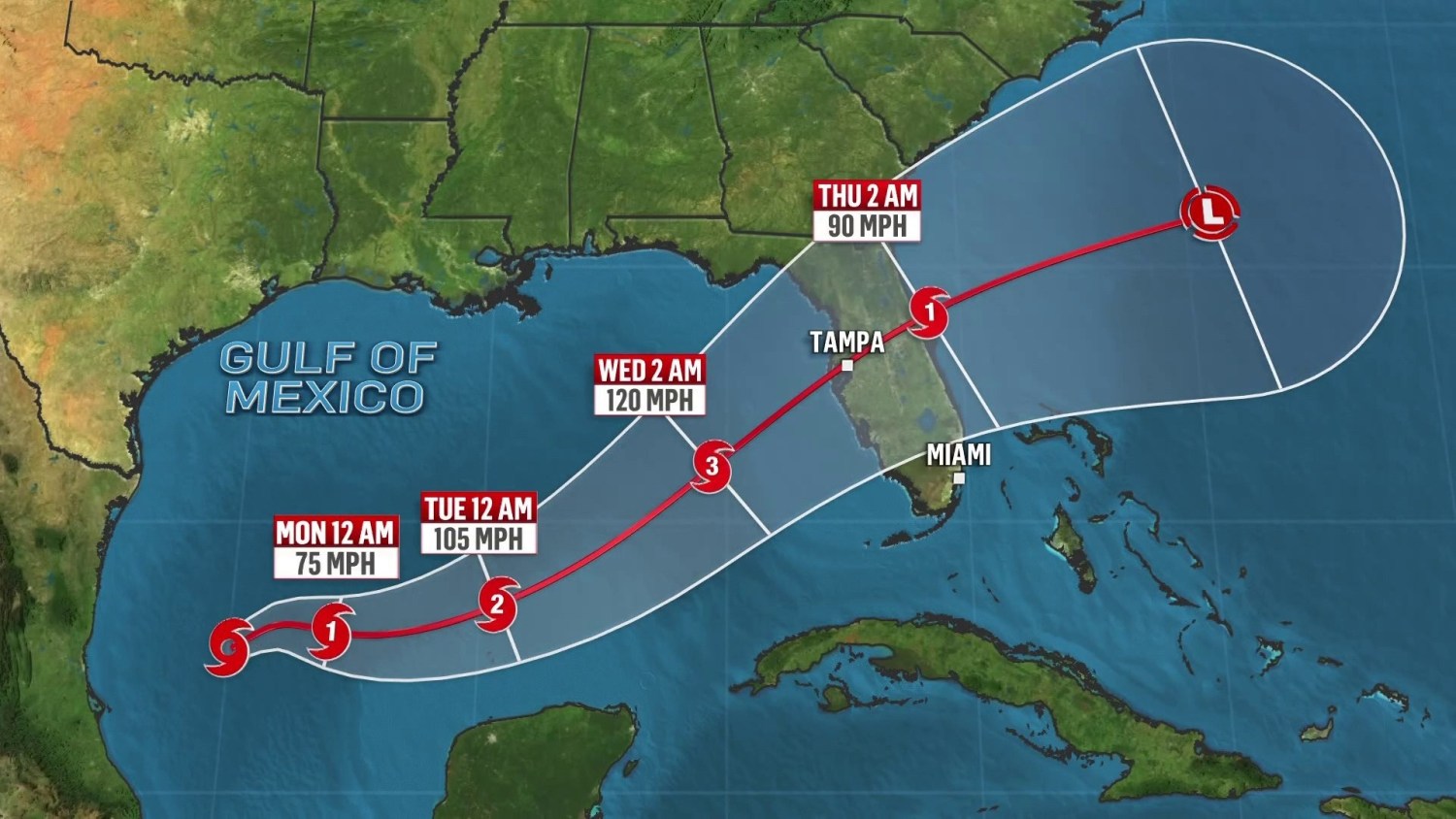
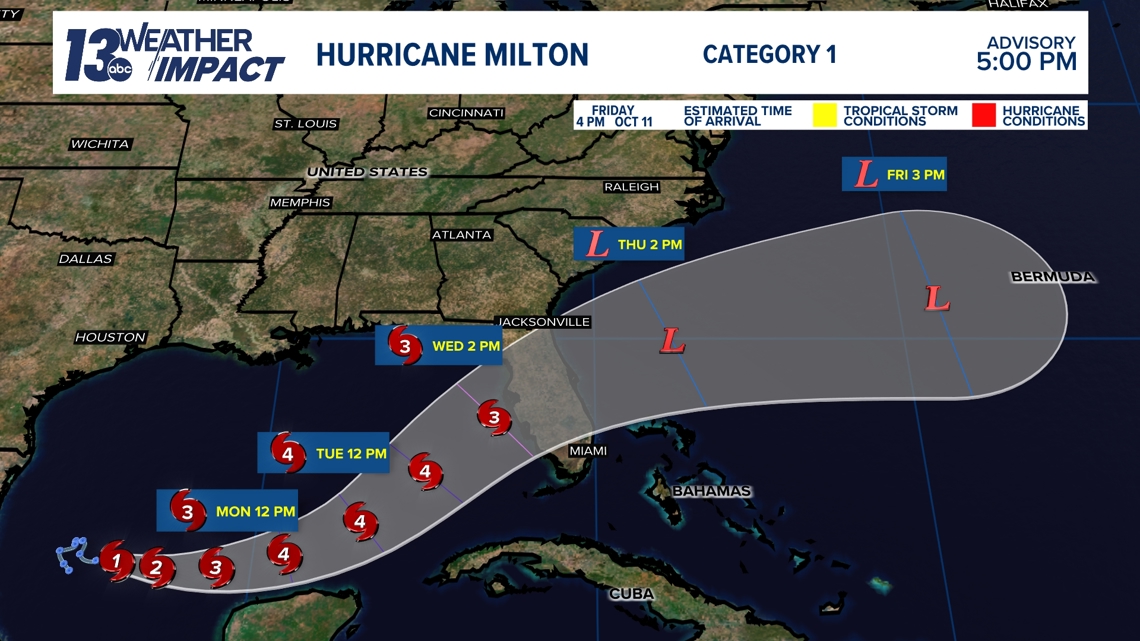
Tracking the Storm: Current Projections
Meteorological agencies constantly update their models, providing the most accurate information available. The National Hurricane Center (NHC) and the National Weather Service (NWS) are the primary sources for real-time tracking, cone of uncertainty graphics, and detailed advisories. Travelers should prioritize these official reports over social media rumors or less credible news outlets. The “cone of uncertainty” represents the probable track of the center of the storm, but it’s crucial to remember that impacts can extend far beyond this cone, affecting a broad area with heavy rainfall, strong winds, storm surge, and even tornadoes. The intensity of Milton upon landfall or close approach will dictate the severity of these impacts, ranging from tropical storm force winds and moderate flooding to devastating hurricane-force winds, extensive storm surge, and widespread power outages. This variability underscores the need for continuous monitoring.
General Regional Vulnerability: Coastlines and Inland Areas
Florida’s geography makes it particularly vulnerable to tropical systems. Its extensive coastline, low elevation in many areas, and numerous waterways mean that storm surge and freshwater flooding are significant threats. Coastal communities are always at higher risk for direct wind damage and inundation from the sea. However, inland areas are not immune. Heavy rainfall can lead to severe flash flooding, even hundreds of miles from the coast, disrupting transportation and daily life. Power outages can affect vast regions, and the potential for tornadic activity associated with tropical systems can pose additional, localized dangers. Understanding the general vulnerabilities of specific regions you plan to visit is crucial, allowing you to anticipate potential disruptions and assess the safety of your planned activities or accommodations.
Florida’s Diverse Destinations: What to Expect
Florida offers an incredible array of destinations, each with unique attractions and potential vulnerabilities to a storm like Milton. Here’s a region-by-region breakdown of what travelers should consider.
South Florida: Miami, Fort Lauderdale, The Keys
South Florida, encompassing vibrant cities like Miami and Fort Lauderdale, along with the picturesque Florida Keys, is often the first region to face direct impact or significant effects from storms tracking across the Caribbean or the Gulf of Mexico. These areas are characterized by extensive low-lying coastal zones, making them highly susceptible to storm surge and heavy rainfall-induced flooding. In Miami Beach, for instance, even moderate rainfall can lead to street flooding, let alone a tropical storm.
- Hotels and Accommodation: Many luxury hotels and resorts in Miami and Fort Lauderdale are built to withstand hurricane-force winds, but they will implement strict safety protocols, including boarding up windows, closing amenities, and potentially issuing evacuation orders. The Florida Keys, due to their linear geography and limited evacuation routes, are often among the first areas to receive mandatory evacuation orders. Travelers with bookings in these areas should be prepared for cancellations, early departures, and the closure of bridges and roads.
- Tourism: Attractions like Everglades National Park will close, and water-based activities such as boating, diving, and fishing will be suspended. Restaurants and shops may close, and public transportation could be limited or halted. The vibrant nightlife and cultural scenes will likely be put on hold until the storm passes and conditions are safe.
Southwest Florida: Naples, Fort Myers, Sarasota
The beautiful Gulf Coast of Southwest Florida, including popular spots like Naples, Fort Myers, and Sarasota, is renowned for its stunning beaches, upscale resorts, and natural beauty. This region is particularly vulnerable to storm surge from Gulf-originating storms.
- Hotels and Accommodation: Resorts and vacation rentals along the coast in Naples, Fort Myers Beach, and Sarasota will be on high alert. Many properties have robust hurricane preparedness plans, but guests should expect limited services or potential evacuation, especially if their accommodation is in a low-lying zone. The charming boutiques and art galleries might board up, and beachfront properties could experience significant damage depending on Milton’s intensity.
- Tourism: The pristine beaches, barrier islands like Sanibel and Captiva, and cultural attractions will likely close. Fishing charters, dolphin tours, and other water activities will be halted. The famous Clearwater Beach and its surrounding areas might also see significant disruptions.
Central Florida: Orlando and the Theme Parks
Central Florida, dominated by Orlando’s world-famous theme parks, presents a different challenge. While generally less susceptible to direct storm surge, it can experience significant impacts from heavy rainfall, strong winds, and flooding, especially around lakes and low-lying areas.
- Hotels and Accommodation: Orlando boasts an enormous number of hotels, resorts, and vacation apartments, many of which are designated shelters-of-last-resort for their guests. Major resorts like Walt Disney World Resort and Universal Orlando Resort have extensive hurricane policies, often allowing guests to rebook without penalty. While these properties are generally very sturdy, services like pools and outdoor activities will cease, and guests will be advised to stay indoors.
- Tourism: The biggest concern for travelers to Orlando is the operation of the theme parks. In the event of a direct threat, parks like Walt Disney World Resort, Universal Orlando Resort, and Busch Gardens Tampa Bay will close for the safety of guests and staff. Other attractions like Kennedy Space Center Visitor Complex on the coast, or attractions in Tampa and St-petersburg, would also be affected. Travel to and from Orlando International Airport (MCO) could be severely disrupted.
Northeast Florida: Jacksonville, St. Augustine
Northeast Florida, featuring cities like Jacksonville and historic St-augustine, has its own unique vulnerabilities. The St. Johns River, which flows through Jacksonville, can experience significant storm surge and freshwater flooding, impacting vast areas. St-augustine, with its ancient, low-lying infrastructure, is particularly prone to flooding.
- Hotels and Accommodation: Hotels in Jacksonville and on Amelia Island will likely follow standard hurricane procedures. In St-augustine, many charming bed and breakfasts and historic properties might be in flood zones, necessitating early evacuation.
- Tourism: Historic sites in St-augustine, including Castillo de San Marcos, may close. Beach access in Jacksonville and Amelia Island will be restricted. Boating on the St. Johns River will be dangerous and prohibited.
Northwest Florida: The Panhandle (Pensacola, Destin)
The Florida Panhandle, stretching from Tallahassee to Pensacola, including popular spots like Destin and Panama City Beach, is no stranger to tropical systems. This region can experience significant storm surge, especially in areas like Mexico Beach that have faced severe impacts in the past.
- Hotels and Accommodation: Numerous beachside resorts and vacation rentals in Destin, Panama City Beach, and Pensacola will be directly exposed to Milton if it tracks through the Gulf. Guests should anticipate mandatory evacuations, structural preparations like boarding up, and potential closures of all amenities. Recovery efforts in this region can sometimes take longer due to its more remote nature compared to other parts of Florida.
- Tourism: The famous white sand beaches and emerald waters will be closed, and all water sports, fishing charters, and coastal activities will be suspended. Inland attractions might also be affected by heavy rains and wind.
Navigating Travel and Accommodation During a Storm Threat
When a storm like Milton threatens, travel plans can quickly unravel. Understanding the protocols for hotels, transportation, and tourist activities is key to managing the situation effectively.
Hotels, Resorts, and Vacation Rentals: Policies and Preparedness
Accommodation providers in Florida are well-versed in hurricane preparedness. Most reputable hotels and resorts have comprehensive plans that prioritize guest safety.
- Cancellation and Rebooking Policies: Many establishments offer flexible cancellation or rebooking policies during a declared state of emergency or hurricane warning. It’s crucial to review your specific booking terms or contact your hotel directly. Third-party booking sites like Expedia or Booking.com may also have their own policies or work with the hotels to facilitate changes.
- Amenities and Services: Expect services to be limited or suspended. Pools, spas, fitness centers, and outdoor dining areas will likely close. Food and beverage options might be restricted to essentials, and in severe cases, power outages could affect air conditioning and elevators.
- Evacuation Orders: If your accommodation is in a mandatory evacuation zone, you will be required to leave. Hotels cannot override official evacuation orders. It’s wise to have a backup plan, whether that’s an inland hotel reservation or plans to leave the state.
- Safety Measures: Hotels will secure outdoor furniture, windows, and common areas. Staff will guide guests on shelter-in-place procedures if evacuation is not ordered, or assist with evacuation logistics if it is.
Transportation and Infrastructure: Flights, Roads, and Ports
A major storm can bring the entire transportation network to a standstill.
- Flights: Airports like Miami International Airport (MIA), Orlando International Airport (MCO), and Tampa International Airport (TPA) will issue advisories regarding flight cancellations and airport closures. If Milton poses a direct threat, airlines will likely cancel flights days in advance. Travelers should contact their airline for the latest information and prepare for significant delays or re-routing.
- Roads: State and interstate highways may be subject to closures due to flooding, fallen debris, or official evacuation orders. The Florida Department of Transportation (FDOT) provides real-time updates on road conditions. Evacuation routes can become extremely congested, so planning to leave early is vital.
- Ports: Cruise ports, such as Port Canaveral or those in Miami and Fort Lauderdale, will cancel or delay sailings. If you have a cruise scheduled, contact your cruise line immediately for information on itinerary changes or cancellations.
Tourism Activities and Landmarks: Closures and Safety
Virtually all tourism activities will cease during a hurricane threat.
- Theme Parks and Attractions: As mentioned, major theme parks in Orlando and Tampa will close. Other attractions, museums, zoos, and cultural sites across Florida will follow suit to ensure public safety.
- Beaches and Water Activities: All beaches will be closed, and swimming in the ocean will be extremely dangerous due to strong currents, rip tides, and potential marine debris. Boating, surfing, paddleboarding, and other water sports will be prohibited.
- Natural Landmarks: State parks, national parks, and wildlife refuges, including the Everglades National Park, will close well in advance of a storm to prevent visitors from becoming stranded or endangered.
Essential Tips for Travelers and Residents
Preparedness is not just for residents; it’s a critical aspect of responsible travel in hurricane-prone regions.
Prioritizing Safety: Evacuation and Emergency Kits
- Heed Official Warnings: Always follow instructions from local emergency management officials. If an evacuation order is issued for your area, leave promptly. Do not wait until conditions deteriorate.
- Emergency Kit: If you’re staying in Florida during a storm, even if not directly impacted, have an emergency kit. This should include water, non-perishable food, flashlights, batteries, a first-aid kit, essential medications, a weather radio, and fully charged power banks for your devices.
- Communication Plan: Ensure your family or travel companions have a communication plan in case cell service is disrupted. Designate an out-of-state contact.
Insurance and Rebooking: Protecting Your Investment
- Travel Insurance: If you frequently travel to hurricane-prone areas, comprehensive travel insurance is a wise investment. Read the policy carefully to understand what is covered regarding weather-related cancellations, delays, and medical emergencies. Some policies require purchase before a storm is named.
- Airline and Hotel Policies: Familiarize yourself with the hurricane policies of your airline, hotel, and any tour operators. Many will waive change fees or offer refunds during a declared emergency, but policies vary. Keep all booking confirmations and receipts easily accessible.
- Credit Card Benefits: Some credit cards offer travel protection benefits. Check with your card issuer to see if you have any coverage for trip delays or cancellations.
Staying Informed: Reliable Information Sources
- Official Weather Sites: Bookmark the National Hurricane Center (NHC) and National Weather Service websites. Use reliable weather apps.
- Local Emergency Management: Follow the social media accounts or websites of the local county emergency management offices for your destination. The Florida Office of Emergency Management website is also a vital resource.
- News Media: Stick to reputable local news channels for regional updates.
- Hotel Communications: Your hotel will likely communicate directly with guests regarding their operational status and safety guidelines.
In conclusion, while the exact path of Milton remains subject to change, the anticipation of its arrival underscores the importance of preparedness for anyone in or planning to visit Florida. By staying informed through official channels, understanding the potential impacts on different regions and services, and prioritizing safety above all else, travelers can make responsible decisions that protect both their well-being and their vacation investment. Florida’s resilience is remarkable, and it will undoubtedly rebound, but during the immediate threat of a storm like Milton, caution and awareness are the traveler’s best companions.
LifeOutOfTheBox is a participant in the Amazon Services LLC Associates Program, an affiliate advertising program designed to provide a means for sites to earn advertising fees by advertising and linking to Amazon.com. Amazon, the Amazon logo, AmazonSupply, and the AmazonSupply logo are trademarks of Amazon.com, Inc. or its affiliates. As an Amazon Associate we earn affiliate commissions from qualifying purchases.