
For six seasons, ABC captivated global audiences with the mysterious, supernatural, and often harrowing story of Oceanic Flight 815. While the narrative focused on a plane crash survivors’ struggle on a remote island in the South Pacific, the reality of the production was rooted firmly in the lush, diverse landscapes of Hawaii. Specifically, the island of Oahu served as the primary backdrop for almost every jungle, beach, and cave scene, transforming local geography into the legendary “Island.”
The Iconic Beaches of the North Shore
When fans think of Lost, they immediately visualize the crash site where the survivors gathered, debated, and built their initial camp. These scenes were filmed across several stunning stretches of coastline that capture the raw, untamed beauty of the Pacific.
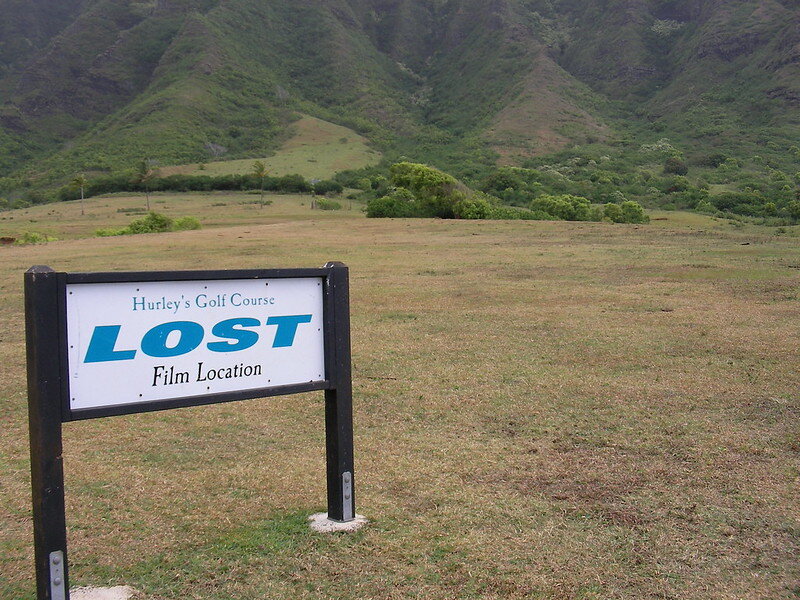
Mokuleia Beach
The most famous location is undoubtedly Mokuleia Beach, located on the northwestern tip of Oahu. This is where the fuselage of the plane rested during the pilot episodes. The vast, sandy expanse backed by the Waianae Mountains provided the isolation required to sell the premise of a remote survival story. Even today, walking along this shoreline evokes the haunting atmosphere of the early days of the series, though the pristine white sands are now mostly occupied by sunbathers and surfers rather than wreckage.
Police Beach
Just down the coast from Mokuleia Beach lies Police Beach, an area that became a primary hub for filming the castaways’ beach camp. The dense vegetation meeting the ocean provided the perfect natural boundary for the survivor encampment. Production crews favored this spot because of its accessibility for heavy equipment, yet its visual seclusion made it feel miles away from the bustling tourist hubs of Waikiki.
Deep into the Verdant Jungle
Beyond the beach, the “Island” was characterized by deep, prehistoric-looking forests and mountain ridges that hid bunkers, smoke monsters, and polar bears. The production team utilized the island’s varied microclimates to create a sense of vastness that belied the actual size of Oahu.
Waimea Valley
Waimea Valley served as one of the most versatile locations for the show. Known for its botanical gardens and cultural history, the valley’s lush greenery and winding trails acted as the stand-in for the “interior” of the island. Many scenes depicting the characters trekking through the thick underbrush or discovering the mysterious hatches were filmed within these verdant confines. The thick canopy allowed directors to control the lighting, mimicking the eerie, shadowed environment required for the show’s more suspenseful sequences.
Manoa Falls
For scenes requiring high drama and natural majesty, the crew ventured to Manoa Falls. The trail leading up to this famous waterfall—and the waterfall itself—provided a dramatic backdrop for the survivors’ expeditions. The steep, muddy trails and towering trees surrounding Manoa Falls captured the unforgiving nature of the environment, pushing characters to their breaking points as they sought answers about their predicament.

Urban Backdrops and Studio Sets
While nature dominated the screen, Lost also required sophisticated sets to replicate everything from foreign cities to specialized interior facilities. Much of this work was completed within the industrial corridors of Honolulu.
The Hawaii Film Studio
Most of the interior sequences, including the iconic “Swan Station” (the hatch) and the various medical facilities used by The Others, were constructed inside the Hawaii Film Studio. Located near Diamond Head, this facility allowed the showrunners to create the claustrophobic, high-tech environments that contrasted sharply with the wild jungle outside. By blending these studio sets with location shots from around the island, the show achieved a seamless visual language that kept viewers questioning what was real and what was fabricated.
Downtown Honolulu
When the plot moved into the characters’ pasts, Honolulu stepped in to play multiple cities. From Los Angeles to Sydney and Seoul, the diverse architecture of the city allowed producers to film flashbacks with remarkable accuracy. Streets near the Hawaii State Capitol were frequently transformed with international signage and period-appropriate vehicles to ground the characters’ memories in global locations.
Tips for Exploring Lost Filming Sites
For travelers and fans hoping to embark on their own Lost pilgrimage, it is essential to plan accordingly, as many of these sites are either on private property or within protected ecological zones.
Respecting the Land and Environment
Many of the most famous shooting locations are located within state parks or near indigenous sacred sites. When visiting areas like Kualoa Ranch, which featured heavily in the show’s wide-angle jungle shots, visitors should book guided tours. Kualoa Ranch is a massive private nature reserve that has hosted countless film productions beyond Lost. Professional guides can help you navigate the terrain while explaining the history and cultural significance of the land, ensuring that your visit remains respectful and sustainable.
Navigating Oahu’s Weather
The weather in Hawaii can shift in an instant. Just as the characters on the show dealt with sudden rainstorms and humidity, visitors trekking to Manoa Falls or the mountain trails near Nuuanu Pali Lookout should be prepared for slippery conditions. It is advisable to wear sturdy hiking boots and carry light rain gear. Furthermore, always check local alerts before heading out, as some areas may be closed for restoration or due to heavy rainfall.
A Legacy of Local Economy
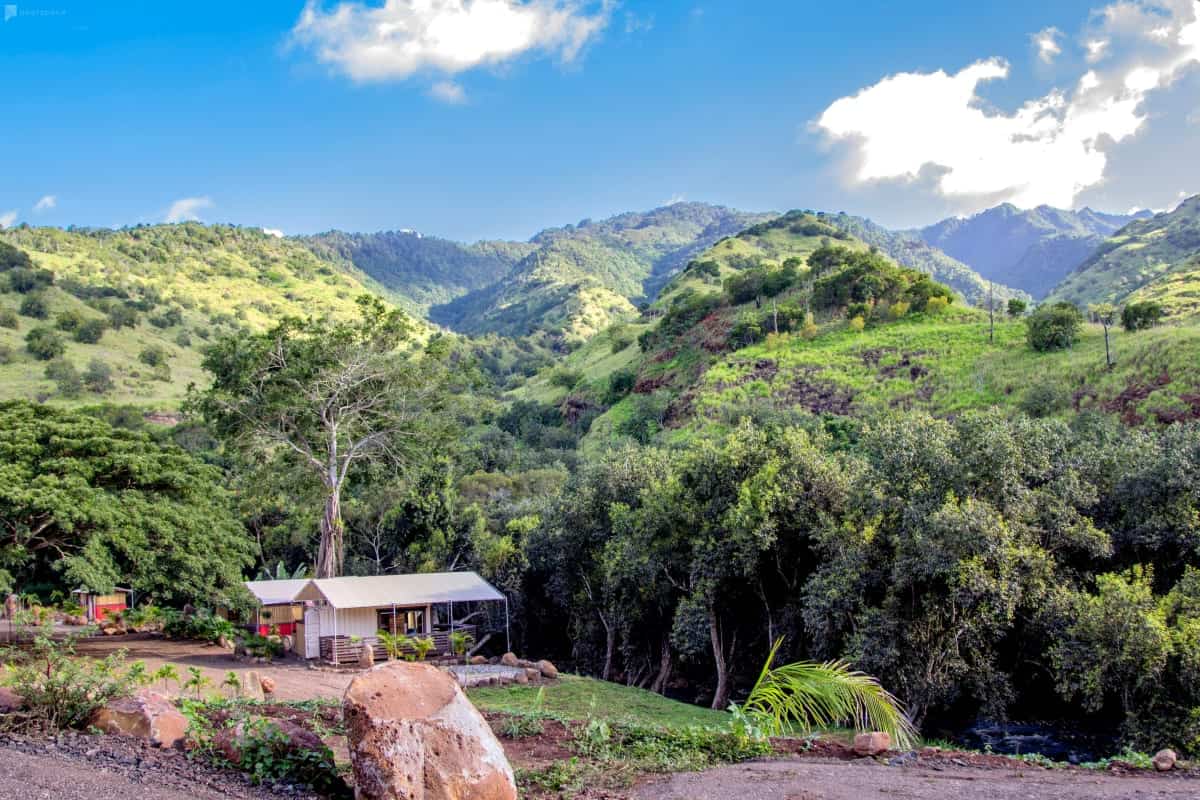
The production of Lost left a lasting impact on Hawaii, not only in terms of global tourism but also by fostering a robust local film industry. The dedication shown by the production teams in utilizing local crews and supporting regional businesses helped solidify the state’s reputation as a world-class filming hub. When you visit these spots, you are treading the same paths as the actors and crew who spent years turning Oahu into one of the most recognizable “characters” in television history.
Whether you are a die-hard fan of the show or simply a traveler looking to experience the breathtaking natural beauty of the Pacific Ocean, following the footsteps of Flight 815 offers a unique way to see the island. From the golden sands of Mokuleia Beach to the rugged, towering peaks that watch over the city, the locations used in Lost remain an integral part of Hawaii’s modern cultural identity. By visiting these spots, you are witnessing the intersection of creative storytelling and the untamed power of the Hawaiian Islands.
LifeOutOfTheBox is a participant in the Amazon Services LLC Associates Program, an affiliate advertising program designed to provide a means for sites to earn advertising fees by advertising and linking to Amazon.com. Amazon, the Amazon logo, AmazonSupply, and the AmazonSupply logo are trademarks of Amazon.com, Inc. or its affiliates. As an Amazon Associate we earn affiliate commissions from qualifying purchases.