
The question of where time changes in Nebraska is more than just a geographical curiosity; it touches upon the very fabric of daily life, influencing everything from business operations to travel plans. While the vast majority of the United States observes Daylight Saving Time (DST), a significant portion of Nebraska adheres to a different temporal rhythm. Understanding this distinction is crucial for anyone planning a trip, conducting business, or simply trying to coordinate schedules within the Cornhusker State.
Nebraska, like many other states, is divided between two time zones: the Central Time Zone and the Mountain Time Zone. However, the impact of DST is not uniform across the entire state. This article will delve into the specific areas of Nebraska where the clocks spring forward and fall back, and where they remain steadfast throughout the year. We will explore the historical and practical reasons behind this temporal division, providing a comprehensive guide for travelers and residents alike.
The Temporal Divide: Central vs. Mountain Time in Nebraska
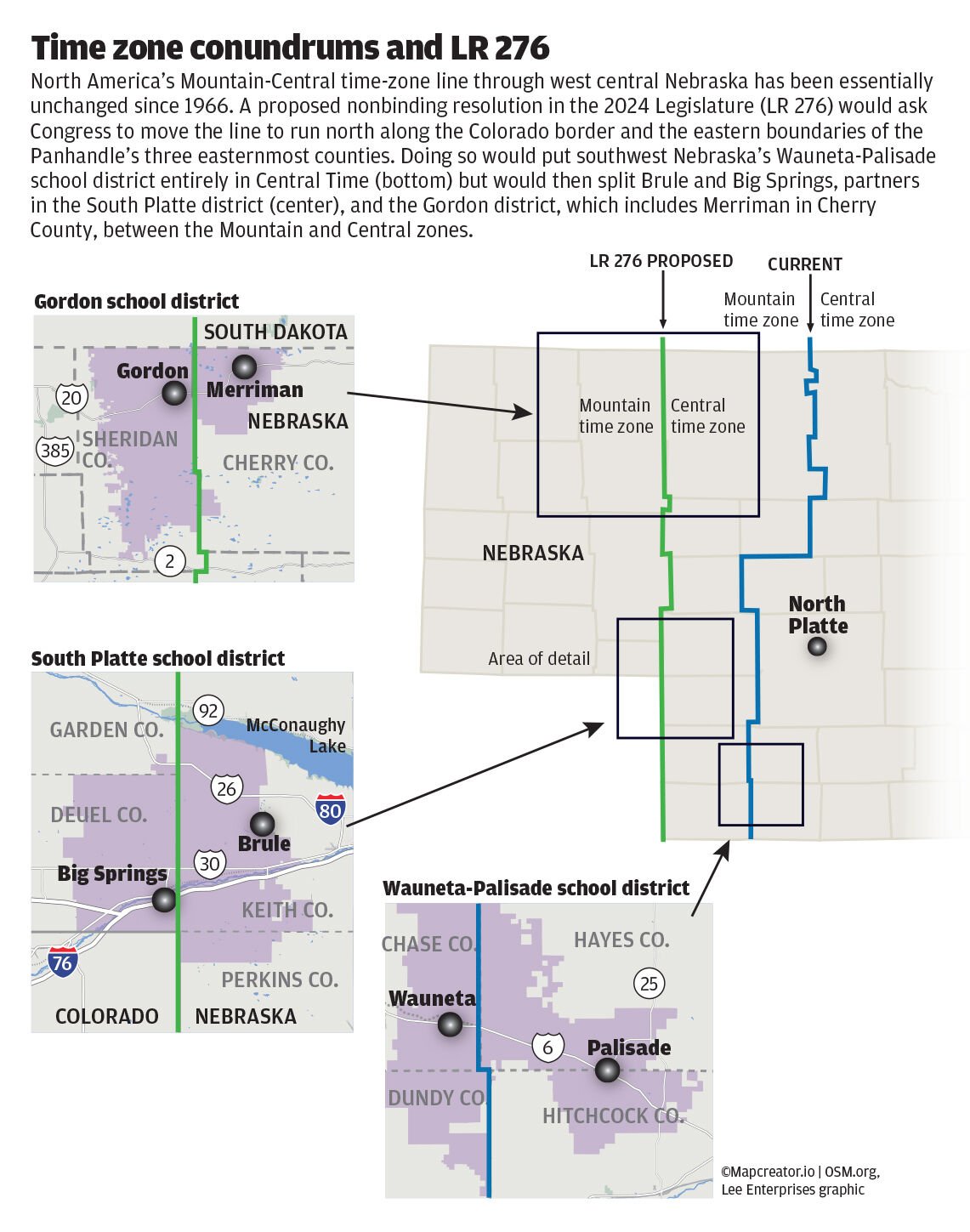
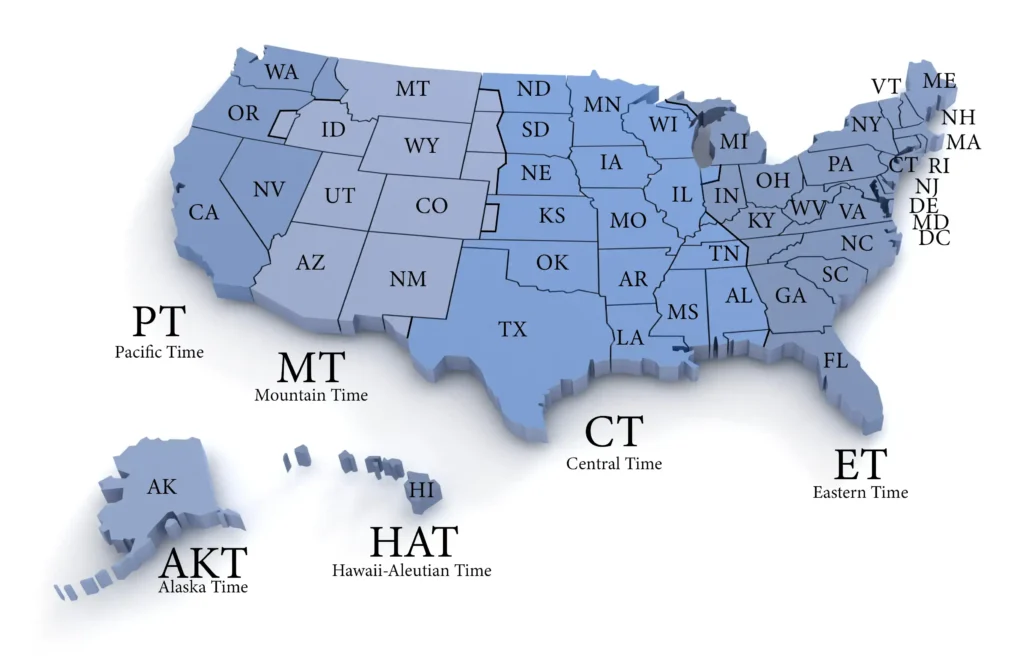
The primary reason for the time difference in Nebraska is its geographical position, straddling the boundary between the Central Time Zone (CT) and the Mountain Time Zone (MT). This division isn’t arbitrary; it’s a reflection of historical settlement patterns, economic ties, and the practicalities of daily life.
Central Time Zone: The Eastern Majority
The overwhelming majority of Nebraska falls within the Central Time Zone. This includes major cities such as Omaha, Lincoln, and Grand Island. For most of the year, these areas observe Central Standard Time (CST), which is UTC-6, and then switch to Central Daylight Time (CDT), UTC-5, during the warmer months when DST is in effect.
The adherence to Central Time for most of the state is largely due to its strong economic and cultural connections with other states in the Central Time Zone, particularly those to its east. This alignment facilitates business transactions, communication, and even social planning with a broader geographic region. When you’re in Omaha, for instance, the local time is synchronized with Chicago, Dallas, and Minneapolis.
Mountain Time Zone: The Western Panhandle
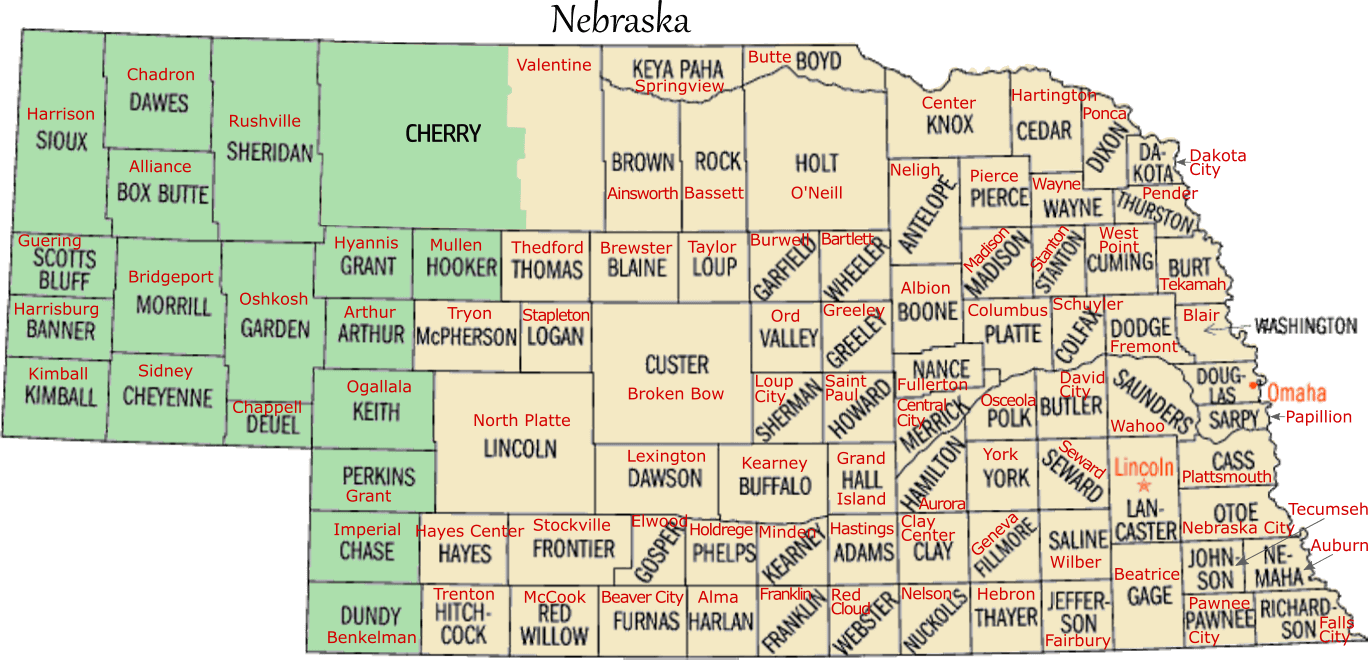
A smaller, but significant, portion of Nebraska observes the Mountain Time Zone. This predominantly encompasses the westernmost counties of the state, often referred to as the Nebraska Panhandle. Cities like Scottsbluff and Gering are located within this zone. Similar to the Central Time Zone, these areas observe Mountain Standard Time (MST), UTC-7, and then shift to Mountain Daylight Time (MDT), UTC-6, during DST.
The adoption of Mountain Time in the western part of the state is often attributed to its closer proximity and stronger economic ties with states in the Mountain Time Zone, such as Wyoming and Colorado. Historically, this alignment has made sense for local businesses and residents who conduct a significant amount of their commerce and social interactions with neighboring Mountain Time states. For travelers heading west from the rest of Nebraska, crossing into the Mountain Time Zone means setting their clocks back by one hour.
Daylight Saving Time: A Uniform (Mostly) Practice
While the question of which time zone Nebraska falls into is complex, the state’s participation in Daylight Saving Time (DST) is, for the most part, uniform across both zones. This means that when DST begins, both the Central Time Zone counties and the Mountain Time Zone counties in Nebraska will adjust their clocks forward by one hour. Conversely, when DST ends, both will revert to their standard times.
DST in the United States typically begins on the second Sunday in March and ends on the first Sunday in November. This practice is intended to maximize the use of natural daylight during the warmer months, with the goal of saving energy and providing more opportunities for outdoor activities.
The Mechanics of the Time Change
The transition to and from DST can sometimes lead to minor logistical challenges, especially for businesses and individuals who have operations or connections across the time zone boundary within Nebraska. For instance, a business with offices in both Omaha (Central Time) and Scottsbluff (Mountain Time) will need to account for the one-hour difference when scheduling meetings or coordinating workflows.
Travelers should be particularly mindful of this when planning their journeys. If you are driving across Nebraska from east to west, you will experience a time change twice: once when you cross into the Mountain Time Zone, and again if you are traveling during the DST period. For example, if you leave Omaha at 9:00 AM CDT and drive directly to Scottsbluff, you will arrive at approximately 11:00 AM MDT (assuming DST is in effect), even though the driving time is roughly the same. It is always advisable to confirm local times when making travel arrangements or appointments, especially when crossing state lines or time zone boundaries.
Navigating Nebraska: Practical Tips for Travelers
Understanding Nebraska‘s time zone landscape is essential for a smooth travel experience. Whether you’re visiting for business, leisure, or to explore its many attractions, being aware of the temporal shifts will prevent confusion and ensure you’re always on schedule.
Planning Your Itinerary
When planning your travel itinerary across Nebraska, it’s crucial to consider the time zone you’ll be in. If your trip involves visiting both eastern and western parts of the state, factor in the one-hour time difference when booking accommodations, tours, or making dinner reservations. For example, if you plan to visit the Chimney Rock National Historic Site in western Nebraska, which is in the Mountain Time Zone, and then head east to explore the Henry Doorly Zoo and Aquarium in Omaha, remember that you’ll be gaining an hour as you travel east.
When booking hotels in Nebraska, such as the Embassy Suites by Hilton Omaha Downtown Old Market or a charming resort in the Panhandle, always verify the local time zone of your chosen accommodation. This is particularly important if you’re arriving late or departing early, as you wouldn’t want to miss a check-in or check-out deadline due to a misunderstanding of the local time. The website Life Out of the Box often provides comprehensive guides and booking information for hotels, helping travelers make informed decisions.
Business and Communication
For businesses operating in Nebraska, understanding the time zone differences is paramount for efficient operations and clear communication. If your company has multiple locations across the state, establishing clear protocols for inter-office communication is vital. This might involve using timestamps that clearly indicate the originating time zone or designating a primary time zone for all official communications.
When scheduling meetings or conference calls that involve participants from different parts of Nebraska, it’s always best to specify the time in both time zones. For instance, a meeting might be scheduled for “10:00 AM CST / 9:00 AM MST.” This eliminates ambiguity and ensures everyone is aligned. This is also true when coordinating with clients or partners in neighboring states that might observe different DST schedules or time zones altogether.
Exploring Nebraska’s Landmarks and Attractions
Nebraska boasts a rich array of landmarks and attractions, from the historical sites of the western Panhandle to the bustling urban centers of the east. Understanding the time zones will help you make the most of your explorations.
In the western part of the state, within the Mountain Time Zone, you can explore attractions like Chimney Rock and the Scotts Bluff National Monument. These sites offer a glimpse into the history of westward expansion and the natural beauty of the Great Plains. When visiting these areas, remember that your watch will be one hour behind that of someone in Omaha.
Heading east into the Central Time Zone, you’ll find the vibrant city of Omaha, home to the Henry Doorly Zoo and Aquarium, the historic Old Market district, and numerous museums. Lincoln, the state capital, also resides in the Central Time Zone and offers attractions such as the Nebraska State Capitol and the International Quilt Museum.
When you visit these attractions, particularly those with specific opening and closing hours, double-check the local time. A missed opening can be frustrating, especially when you’ve traveled a significant distance. Many tourism websites and attraction pages will specify their operating hours according to the local time zone.
Family Trips and Lifestyle Considerations
For families planning a trip to Nebraska, being aware of the time change can impact nap times, meal schedules, and overall daily routines, especially for younger children. If you’re traveling with toddlers, transitioning between time zones might require a day or two for adjustment. Planning your activities around the local time in each region will help minimize disruption.
For those considering a long-term stay or relocation, understanding the time zone can influence lifestyle choices and daily routines. For instance, if you work remotely and have clients across the country, being in the Mountain Time Zone might offer an advantage for connecting with businesses on the West Coast, while being in the Central Time Zone provides better overlap with the East Coast.
Ultimately, the question of “Where In Nebraska Does The Time Change?” is answered by the geographical boundaries of the Mountain and Central Time Zones. The western Panhandle observes Mountain Time, while the rest of the state adheres to Central Time. The implementation of Daylight Saving Time is largely uniform, affecting both zones during the designated periods. By being informed about these temporal divisions, travelers and residents can navigate Nebraska with ease and make the most of their experiences in this diverse and fascinating state.
LifeOutOfTheBox is a participant in the Amazon Services LLC Associates Program, an affiliate advertising program designed to provide a means for sites to earn advertising fees by advertising and linking to Amazon.com. Amazon, the Amazon logo, AmazonSupply, and the AmazonSupply logo are trademarks of Amazon.com, Inc. or its affiliates. As an Amazon Associate we earn affiliate commissions from qualifying purchases.