
When the excitement of international travel builds, or the anticipation of returning home begins to simmer, one of the first practical questions that often arises is the precise location of the gateway that will facilitate your journey. For many, this means understanding the whereabouts of John F. Kennedy International Airport (JFK). Far from being a simple dot on a map, JFK is a colossal hub, intrinsically linked to the vibrant tapestry of New York City, and understanding its location is key to unlocking a smoother travel experience, whether you’re arriving for a whirlwind tour of the Big Apple or departing for distant shores.

This article delves into the geographical positioning of JFK Airport, exploring its administrative boundaries, its proximity to key urban centers, and its crucial role within the broader New York metropolitan area. Beyond just its coordinates, we’ll touch upon the logistical implications of its location, from transportation options to its impact on the surrounding communities and the overall tourism landscape of New York.
Navigating the Geography of a Global Gateway
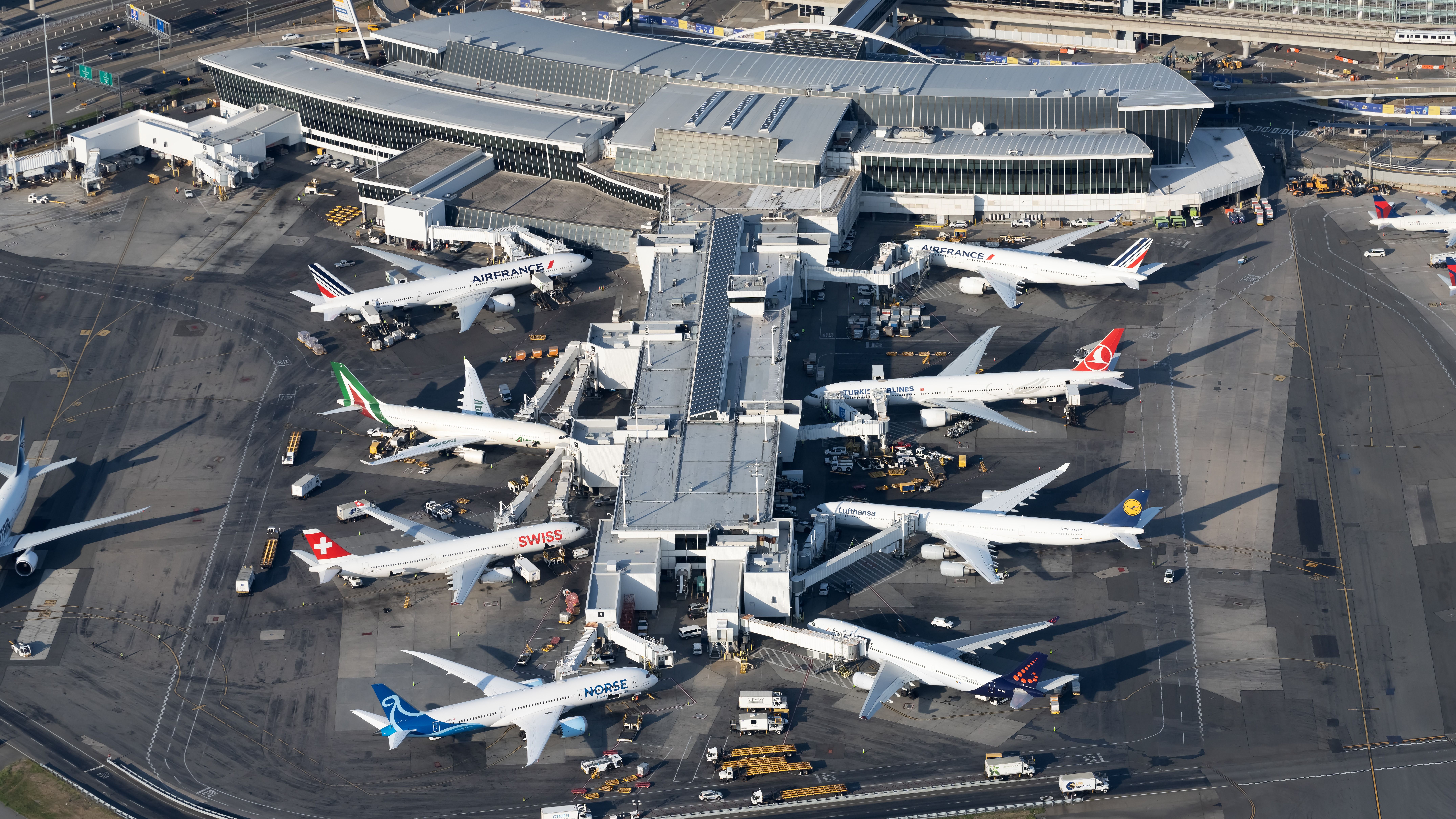
JFK Airport is not merely situated in New York; it is an integral part of its identity and its operational infrastructure. To pinpoint its location with accuracy, we must venture into the southeastern corner of Queens, one of the five boroughs that constitute New York City. Specifically, JFK Airport occupies a substantial expanse of land on the shores of Jamaica Bay, a vital ecological area that plays a significant role in the airport’s surroundings. This strategic placement, while offering proximity to the Atlantic Ocean and thus favorable wind patterns for aviation, also places it in a distinct geographic pocket of the city.
A Southeastern Queens Staple
The borough of Queens is the largest in land area of the five boroughs and is known for its incredible diversity, both in terms of its population and its geography. JFK Airport resides within the southeastern quadrant of Queens, a region that blends industrial areas with residential neighborhoods and significant natural reserves. The airport’s boundaries extend over approximately 4,930 acres, making it one of the busiest international airports in the world. Its immediate neighbors include communities like Howard Beach, Breezy Point, and the aforementioned Jamaica Bay.
The presence of Jamaica Bay is a defining feature of JFK Airport’s location. This estuarine sanctuary provides not only a stunning natural backdrop but also serves as a crucial buffer zone. It’s a habitat for a myriad of bird species, and efforts are continuously made to balance the operational needs of the airport with the preservation of this unique ecosystem. This proximity to a significant natural landmark underscores the airport’s unique geographical positioning, distinguishing it from airports situated in more densely urbanized inland areas.
Proximity to Manhattan and Beyond
While situated in Queens, the strategic positioning of JFK Airport is also defined by its relative proximity to Manhattan, the iconic heart of New York City. This distance is a critical factor for travelers, influencing their onward journey into the city. JFK Airport is approximately 12 miles southeast of Lower Manhattan, a distance that can translate to a commute of 30 minutes to over an hour, depending heavily on traffic conditions and the chosen mode of transportation.
This connection to Manhattan is facilitated by a network of major roadways and public transportation systems. The Van Wyck Expressway is a primary artery connecting the airport to the Long Island Expressway and other arterial routes leading into Queens and towards Manhattan. Similarly, the AirTrain JFK provides a vital link, connecting passengers to the New York City Subway and Long Island Rail Road at Jamaica Station, further expanding access to the entire metropolitan area. Understanding this geographical relationship is essential for planning transfers to Manhattan hotels, exploring world-renowned attractions like the Empire State Building, or catching a show on Broadway.
Transportation Hubs and Their Geographic Influence
The location of JFK Airport has profoundly shaped the transportation infrastructure that serves it, creating a complex web of options for travelers. This infrastructure, in turn, influences how people experience their arrival and departure from New York.
Accessing the City: A Multimodal Network
The strategic placement of JFK Airport necessitates a robust and diverse transportation network. The AirTrain JFK is arguably the most critical element of this network, functioning as the airport’s internal transit system and its primary connector to the wider New York public transportation grid. It loops around the airport, linking all terminals to Jamaica Station and Howard Beach Station. From these stations, travelers can access the Subway lines (such as the A and E trains) and the Long Island Rail Road, respectively, providing cost-effective and often time-efficient routes into Manhattan, Brooklyn, Queens, and even further afield on Long Island.
Beyond public transport, a fleet of yellow New York City taxis, car services, and ride-sharing options are readily available. Major expressways, including the Van Wyck Expressway, Cross Island Parkway, and the Belt Parkway, offer direct road access, though these routes can be subject to significant congestion, particularly during peak hours. For those considering car rentals, numerous agencies operate on-site or with convenient shuttle services, offering flexibility for exploring New York State and beyond. The choice of transportation is intrinsically linked to the airport’s location, influencing travel times and costs for reaching destinations like the Statue of Liberty or the vibrant neighborhoods of Greenwich Village.
The Impact on Surrounding Communities
The sheer scale of JFK Airport has a palpable impact on the surrounding communities within Queens. Areas like Howard Beach and South Ozone Park are directly influenced by the airport’s operations, from noise levels to employment opportunities. The airport is a significant employer, drawing a diverse workforce from across the New York metropolitan area. This economic interdependence is a direct consequence of the airport’s geographical footprint.
Furthermore, the proximity to the Jamaica Bay ecosystem has led to ongoing environmental considerations and preservation efforts. The airport authority works in conjunction with various environmental agencies to mitigate the impact on the bay’s delicate habitats. This geographic characteristic adds another layer to understanding JFK Airport, highlighting its role not just as a transportation hub but also as an entity coexisting within a significant natural and urban landscape.
Understanding JFK within the Broader New York Context
To truly grasp “Where in New York is JFK Airport?”, one must consider its role not in isolation, but as a vital component of the larger New York experience. It is the initial point of contact for millions of international visitors and the final departure point for countless others. Its location, therefore, has implications for the entire tourism and travel ecosystem of New York City and the surrounding regions.
A Gateway to Diverse Attractions
The location of JFK Airport in Southeastern Queens means that while it’s a significant journey into Manhattan, it also offers a more immediate connection to other parts of Queens and Brooklyn. This can be an advantage for travelers whose primary interests lie in exploring the burgeoning cultural scenes of Brooklyn, visiting the New York Hall of Science, or experiencing the diverse culinary landscapes of Queens, often referred to as the most ethnically diverse urban area in the world.
For those aiming for the iconic sights of Manhattan, like Times Square, Central Park, or the Metropolitan Museum of Art, the journey from JFK is a well-trodden path. The efficiency of the AirTrain and Subway systems, despite the distance, makes these world-famous attractions accessible. The existence of numerous hotels near the airport, catering to various budgets and travel styles, from luxury stays in Midtown Manhattan to more budget-friendly options closer to the airport itself, further emphasizes how the airport’s location influences accommodation choices and travel planning. Whether a traveler seeks a luxurious resort experience or a practical business stay, the proximity and accessibility from JFK are key considerations.

The Economic and Cultural Significance of Location
The presence of a major international airport like JFK is a significant economic driver for New York City. Its operations support thousands of jobs directly and indirectly, contributing billions of dollars to the local economy. This economic impact is geographically concentrated around the airport but reverberates throughout the region. The efficient functioning of JFK is therefore crucial for New York’s status as a global hub for finance, culture, and tourism.
From a cultural perspective, JFK Airport is the first impression of New York for many international visitors. The experience of arriving, clearing customs, and navigating transportation from the airport is the initial touchpoint with the city’s character. Its location in Queens, a borough celebrated for its multiculturalism, subtly introduces visitors to the diverse tapestry of New York even before they reach the more globally recognized landmarks. This geographical placement allows for an immediate immersion into the rich cultural fabric that defines the entire New York metropolitan area, from the culinary delights found in Flushing to the historical significance of Rockaway Beach. Understanding where JFK Airport is, therefore, is not just about geography; it’s about understanding a critical nexus point in the vibrant, complex, and ever-moving organism that is New York.
LifeOutOfTheBox is a participant in the Amazon Services LLC Associates Program, an affiliate advertising program designed to provide a means for sites to earn advertising fees by advertising and linking to Amazon.com. Amazon, the Amazon logo, AmazonSupply, and the AmazonSupply logo are trademarks of Amazon.com, Inc. or its affiliates. As an Amazon Associate we earn affiliate commissions from qualifying purchases.