
The majestic beauty of Oregon, a state renowned for its dramatic coastline, lush forests, and towering mountains, often captures the imagination of travelers and nature enthusiasts. From the vibrant urban landscapes of Portland to the serene wilderness of the Oregon Coast Range, Oregon offers an unparalleled diversity of experiences. However, like many regions in the western United States, Oregon is susceptible to wildfires, especially during the drier months. Understanding the current fire situation is crucial for anyone planning a trip, ensuring a safe and enjoyable exploration of this captivating state. This article aims to provide a comprehensive overview, addressing where fires might be occurring, how they can impact your travel plans, and what resources are available to help you stay informed.
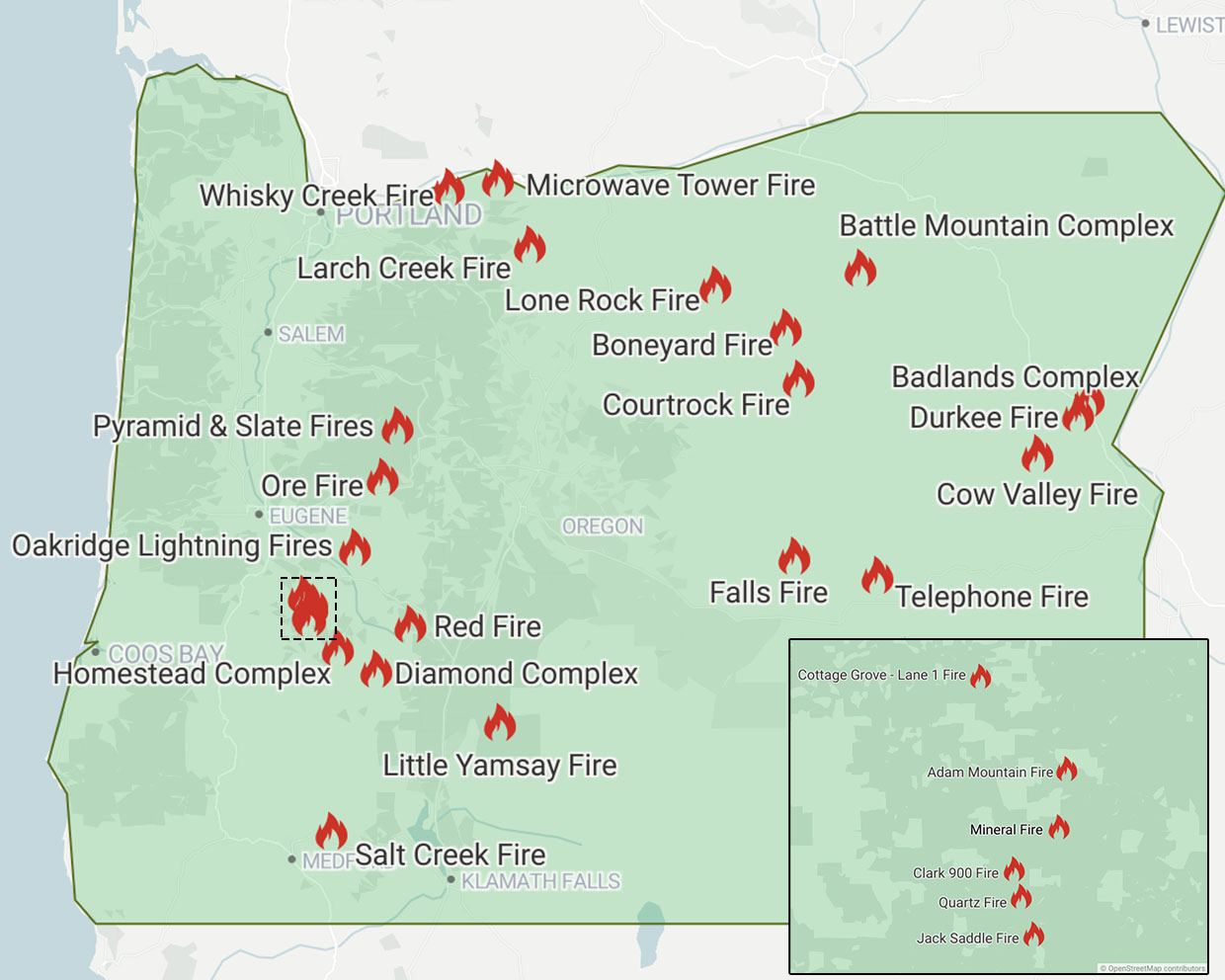
The Oregon Department of Forestry, along with various federal agencies, diligently monitors fire activity across the state. These efforts are vital not only for public safety but also for preserving the natural wonders that draw so many visitors. While Oregon‘s natural beauty is a significant draw for tourism, it’s also important to acknowledge the environmental challenges it faces. Wildfires, while a natural part of some ecosystems, can pose risks to infrastructure, air quality, and the very landscapes that make Oregon so appealing. Planning a trip requires a keen awareness of these dynamics, allowing for adjustments to itineraries and a greater appreciation for responsible travel.
Understanding Fire Activity in Oregon
Oregon‘s diverse geography plays a significant role in its wildfire patterns. The western part of the state, characterized by the temperate rainforests of the Coast Range and the majestic Cascade Mountains, experiences different fire dynamics than the drier, more arid regions east of the Cascades, such as the high desert country and parts of Eastern Oregon.
Factors Influencing Wildfire Occurrence
Several factors contribute to the likelihood and intensity of wildfires in Oregon:
- Weather Conditions: Prolonged periods of high temperatures, low humidity, and strong winds create tinderbox conditions, increasing the risk of ignition and rapid fire spread. Lightning strikes are a natural ignition source, especially in remote wilderness areas, while human-caused ignitions can occur from campfires, equipment use, or discarded cigarettes.
- Fuel Load: The accumulation of dry vegetation – grasses, shrubs, and fallen trees – acts as fuel for fires. Dense forests with significant deadwood are particularly vulnerable. Fire management agencies often conduct prescribed burns to reduce fuel loads in a controlled manner, but natural fuel buildup can still be a concern.
- Topography: Steep slopes can accelerate fire spread as flames travel uphill more quickly. Valleys and canyons can also influence wind patterns, potentially fanning the flames.
- Seasonality: The peak wildfire season in Oregon typically runs from late spring through early fall, with the highest risk often occurring in July, August, and September. However, conditions can vary year to year, and fires can occur outside these months.
Types of Fires and Their Impact on Travel
Wildfires in Oregon can range from small, contained incidents to large, complex fires that impact vast areas. The type and scale of a fire will directly influence travel plans.
- Small Incidents: These are often quickly contained by local fire departments or forest service crews and may have minimal impact on nearby communities or tourist routes.
- Moderate-Sized Fires: These can lead to temporary road closures, advisories for air quality, and potential restrictions on recreational activities in affected zones.
- Large, Complex Fires: These are the most disruptive, often necessitating widespread evacuations, prolonged road closures, and significant air quality degradation over large distances. They can impact major highways, close entire national forests, and affect popular tourist destinations for extended periods.
When planning a trip to Oregon, it’s essential to consider these factors and to have contingency plans in place, especially if your itinerary involves areas known for wildfire activity or during the peak fire season.
Navigating Fire-Related Travel Advisories and Resources
Staying informed about the current fire situation is paramount for any traveler venturing into Oregon. Fortunately, a wealth of resources is available to help you monitor fire activity, understand travel advisories, and make informed decisions about your journey.
Key Information Sources for Fire Updates
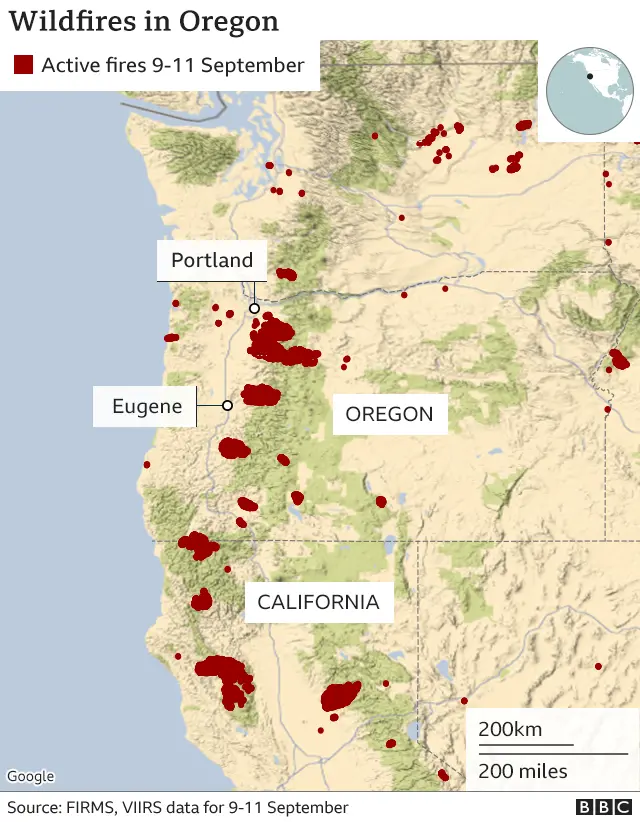
Several official sources provide real-time information on wildfires in Oregon:
- Oregon Department of Forestry (ODF): The ODF is the primary state agency responsible for wildfire suppression and prevention. Their website and social media channels offer incident reports, fire maps, and public safety alerts. For example, if there’s a significant fire near Bend, the ODF will be a primary source for updates.
- InciWeb: This is an interagency all-risk incident information management system. It provides comprehensive information on wildfires and other incidents across federal lands, including those managed by the U.S. Forest Service and the Bureau of Land Management. InciWeb is an excellent resource for detailed incident specifics, including maps, photos, and public meeting schedules.
- National Interagency Fire Center (NIFC): The NIFC provides national-level fire information, including daily wildfire statistics, predictive services, and links to regional fire information centers.
- Local Emergency Management Agencies: Many Oregon counties have their own emergency management agencies that provide localized alerts and information for residents and visitors within their jurisdictions.
- National Weather Service (NWS): The NWS issues fire weather watches and red flag warnings, indicating critical fire weather conditions. Monitoring NWS advisories can help anticipate potential fire activity.
Understanding Travel Advisories and Restrictions
Fire activity often leads to the implementation of various advisories and restrictions designed to protect public safety and prevent further ignitions. Travelers should be aware of the following:
- Fire Bans: These can range from restrictions on campfires and recreational fires to complete bans on all open burning. They are common during dry periods and can affect campgrounds, parks, and even residential areas.
- Area Closures: When fires pose a significant threat, authorities may close entire National Forests, State Parks, or specific recreational areas. This could impact access to popular landmarks like Crater Lake National Park or trails in the Columbia River Gorge.
- Road Closures: Wildfires can necessitate the closure of major highways and local roads for firefighter access, public safety, and to allow for controlled burns or other mitigation efforts. This can significantly alter travel routes and require detours.
- Evacuation Orders and Warnings: In the event of active fires threatening communities, evacuation orders (mandatory removal) and warnings (advisory to prepare for evacuation) will be issued. It is crucial to heed these directives immediately.
- Air Quality Advisories: Smoke from wildfires can travel hundreds of miles, leading to unhealthy air quality even in areas far from the fire’s origin. Air quality advisories, often issued by state environmental agencies or the U.S. Environmental Protection Agency (EPA), recommend limiting outdoor activities and taking precautions to protect respiratory health.
When planning your travel to Oregon, it is advisable to check these resources regularly leading up to and during your trip. Flexibility in your itinerary is key, and having alternative destinations or activities in mind can help mitigate disruptions caused by wildfire activity.
Impact on Oregon’s Tourism and Lifestyle
Wildfires in Oregon have a tangible impact on the state’s vibrant tourism industry and the lifestyle of its residents and visitors. From impacting famous landmarks to influencing choices in accommodation and activities, fire events necessitate a conscious approach to experiencing Oregon.
Affecting Destinations and Attractions
Many of Oregon‘s most beloved destinations are situated in or near areas prone to wildfires.
- National Forests and Parks: Vast areas like the Malheur National Forest, Willamette National Forest, and Siuslaw National Forest are frequently impacted by fire. This can lead to temporary or prolonged closures of hiking trails, campgrounds, and scenic viewpoints. Even iconic locations like Crater Lake National Park can experience smoke impacts or access restrictions during severe fire seasons. The Oregon Caves National Monument & Preserve might also face challenges depending on fire proximity and air quality.
- Coastal Regions: While the immediate coastal areas are less prone to large-scale forest fires due to higher humidity and proximity to the ocean, smoke can still drift from inland fires, affecting air quality and visibility along the Oregon Coast. Popular beach towns and attractions might experience reduced visitor numbers due to these conditions.
- Eastern Oregon: The drier landscapes of Eastern Oregon, including areas around Bend and the high desert, are particularly susceptible to wildfires. This can impact outdoor recreation opportunities such as hiking, camping, and exploring areas like the John Day Fossil Beds National Monument.

Influence on Accommodation and Lifestyle Choices
The presence of wildfires can significantly influence travel decisions, including where to stay and what activities to pursue.
- Accommodation: Travelers may need to be flexible with their accommodation plans. If a chosen hotel or resort in an affected area is inaccessible or experiencing poor air quality, alternative options might be necessary. This could involve seeking lodging in towns further away from the fire zones or opting for accommodations with better air filtration systems. For those considering longer-term stays, the potential for fire disruption might influence their choice of location.
- Activities and Experiences: Many of Oregon‘s popular activities, such as hiking, biking, fishing, and exploring scenic drives, are inherently outdoor-based. Wildfire smoke and closures can severely limit these experiences. Travelers might need to pivot to indoor activities, such as visiting museums in Portland or Salem, exploring local breweries and restaurants, or enjoying the amenities of their chosen hotel or villa. The allure of luxury travel or budget-conscious adventures can be tempered by the need to prioritize safety and air quality.
- Local Culture and Food: While direct impacts on accessing local cuisine might be less common unless restaurants are directly threatened, the overall atmosphere of a region can be affected. Smoke-filled skies can dampen the spirit of outdoor markets or festivals. However, the resilience of Oregon‘s communities often shines through, with local businesses adapting and continuing to offer their unique experiences.
Ultimately, experiencing Oregon during wildfire season requires a blend of preparedness, flexibility, and a deep appreciation for the natural environment and its challenges. By staying informed and adaptable, travelers can still have a rewarding and memorable visit, even amidst the complexities of wildfire activity.