
Hurricane Harvey, a catastrophic storm that struck in late August 2017, inflicted widespread devastation across the Texas coastline and inland communities. Its impact was not confined to a single point but rather a broad swathe of the state, characterized by its slow movement and unprecedented rainfall. Understanding the specific areas affected is crucial for appreciating the scale of the disaster and its long-term implications for the affected regions.
The Initial Landfall and Coastal Devastation
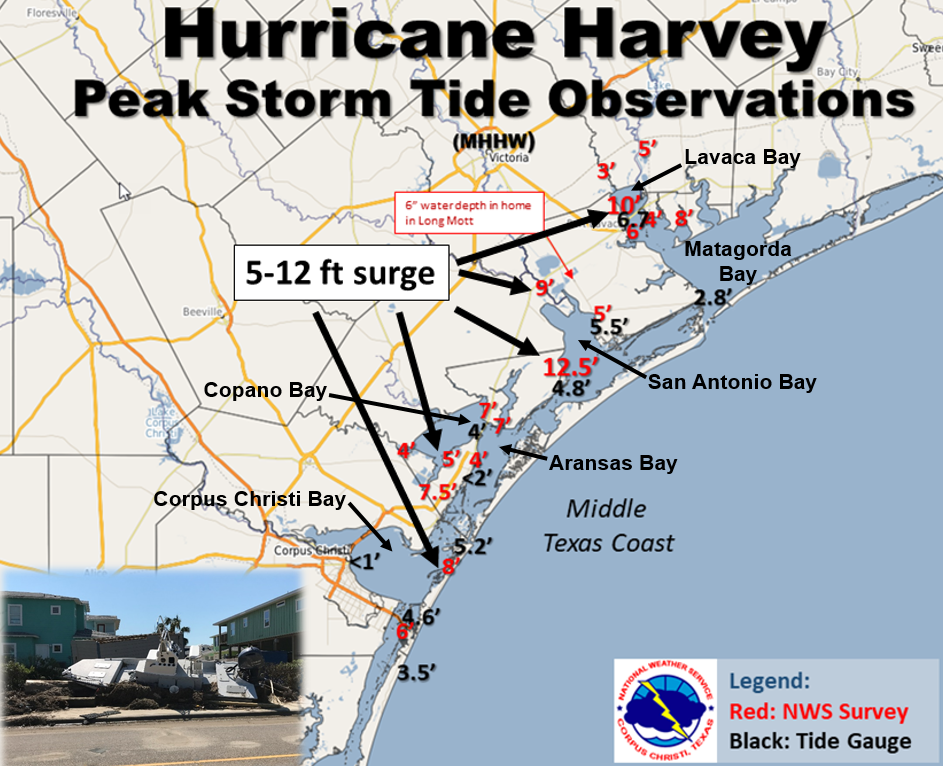
The most significant impacts of Hurricane Harvey were felt along the Texas Gulf Coast. The storm made its initial landfall as a Category 4 hurricane on August 25, 2017, near Rockport, a small coastal town in Aransas County. This initial impact brought with it destructive winds, storm surge, and torrential rain, leading to catastrophic damage in Rockport and surrounding communities. Buildings were reduced to rubble, and the town’s infrastructure, including its iconic water tower, was severely compromised.
Aransas County’s Ordeal
Aransas County bore the brunt of Harvey’s initial fury. Places like Fulton and Aransas Pass also experienced direct hits, with significant structural damage and widespread power outages. The storm surge inundated coastal areas, forcing thousands of residents to evacuate and leaving many without homes. The recovery efforts in these coastal communities were long and arduous, with rebuilding taking years to complete. The sheer force of the winds, estimated to be over 130 miles per hour at landfall, reshaped the landscape and the lives of its inhabitants.
Corpus Christi and Surrounding Areas
While Rockport was the primary point of landfall, the storm’s effects extended to other major coastal cities. Corpus Christi, a major port city, experienced strong winds and significant flooding. The storm surge pushed seawater into low-lying areas, impacting coastal neighborhoods and businesses. Further north, cities like Port Aransas and Port O’Connor also suffered immense damage from the wind and surge. The picturesque beach towns and fishing communities that draw tourists and residents alike were transformed into scenes of destruction.
The Unprecedented Inland Flooding: Houston and Beyond
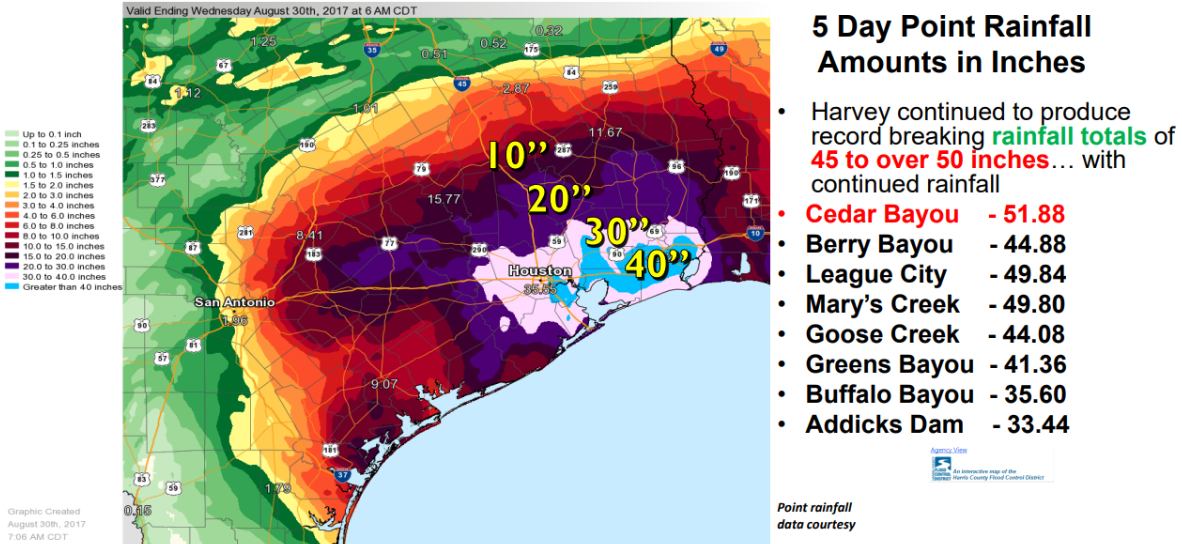
Perhaps the most defining characteristic of Hurricane Harvey was its prolonged inland phase and the record-breaking rainfall it unleashed. After making landfall, the storm stalled over southeastern Texas, hovering for days and dumping an astonishing amount of rain, particularly over the Houston metropolitan area. This led to catastrophic flooding that affected millions of people, even those far from the immediate coastline.
Houston: A City Submerged
The Greater Houston area became the epicenter of the disaster due to the sheer volume of rainfall. Over a 72-hour period, some areas received more than 40 inches of rain, leading to the inundation of neighborhoods, highways, and businesses. The city’s bayous and rivers swelled to historic levels, overwhelming drainage systems and flood control infrastructure. Many residents found their homes flooded, with some areas experiencing unprecedented levels of water, forcing mass evacuations and rescues. The sheer scale of the flooding in Houston overwhelmed emergency services, leading to countless stories of heroism and survival. Iconic landmarks and everyday streets alike were submerged, illustrating the pervasive nature of the crisis.
The Role of Reservoirs and Drainage
The city’s flood control systems, including the Addicks Reservoir and Barker Reservoir, were intentionally released to prevent catastrophic failure, a decision that led to significant flooding in downstream neighborhoods. This controversial but necessary action highlighted the immense pressure on the city’s infrastructure and the difficult choices made to mitigate even greater disasters. The rainfall totals far surpassed those of previous major floods, underscoring the unique severity of Harvey.
Eastern Texas and Louisiana Parishes

The slow-moving nature of Hurricane Harvey meant that its reach extended beyond Houston. Eastern Texas, including areas around Beaumont and Port Arthur, also experienced severe flooding. The Neches River and other waterways overflowed their banks, inundating communities and leading to widespread displacement. Even parts of western Louisiana experienced significant rainfall and flooding as the remnants of the storm moved eastward.
Impact on Infrastructure and Natural Landscapes
The impact of Hurricane Harvey extended beyond residential areas, significantly affecting the region’s critical infrastructure and natural environments. The storm’s intensity and prolonged duration tested the resilience of everything from transportation networks to delicate ecosystems.
Transportation Networks Crippled
Major transportation arteries in the affected areas were severely compromised. Highways, including stretches of Interstate 10, were submerged and impassable for extended periods. This disruption hindered rescue efforts, emergency response, and the delivery of essential supplies. The closure of major roads and the damage to bridges and overpasses created significant logistical challenges for recovery operations and for residents trying to navigate the affected areas. Airports, including George Bush Intercontinental Airport in Houston, experienced closures and disruptions, further isolating affected communities.
Energy Sector Vulnerabilities Exposed
The Texas Gulf Coast is a hub for the U.S. energy industry, with numerous refineries, chemical plants, and offshore oil and gas facilities. Hurricane Harvey forced the shutdown of many of these operations, leading to significant disruptions in fuel production and supply. Several facilities experienced minor damage or spills, highlighting the vulnerability of this critical infrastructure to extreme weather events. The long-term implications for energy prices and supply chains were felt for months following the storm.
Environmental Consequences
The widespread flooding also had significant environmental consequences. Industrial facilities flooded by storm surge and heavy rains released hazardous materials into the environment. The sheer volume of debris and pollutants washed into waterways and coastal areas posed long-term risks to ecosystems and public health. Coastal marshes and wildlife habitats, crucial for the region’s biodiversity, also suffered damage from the storm’s intensity and inundation. The impact on the Galveston Bay area, a vital estuary, was particularly concerning.
Communities Rebuilding and Remembering
The story of Hurricane Harvey is not just one of destruction, but also one of resilience and recovery. The affected communities, from small coastal towns to major metropolitan areas, have embarked on long journeys of rebuilding and remembrance.
The Spirit of Volunteerism and Mutual Aid
In the immediate aftermath of the storm, an extraordinary spirit of volunteerism and mutual aid emerged. Neighbors helped neighbors, and strangers came to the aid of those in need. Boat rescues, makeshift shelters, and community-led relief efforts demonstrated the strength and solidarity of the people of Texas. Organizations like SBP and numerous local non-profits worked tirelessly to provide assistance, rebuilding homes and offering support.
Long-Term Recovery and Preparedness
The recovery process for many affected areas has been a multi-year endeavor. Rebuilding homes, restoring infrastructure, and revitalizing local economies remain ongoing challenges. The lessons learned from Hurricane Harvey have spurred efforts to improve flood preparedness, update building codes, and enhance the resilience of coastal communities against future storms. The storm served as a stark reminder of the power of nature and the importance of community preparedness in the face of extreme weather events. The memory of the storm continues to shape planning and development along the Texas Coast.
LifeOutOfTheBox is a participant in the Amazon Services LLC Associates Program, an affiliate advertising program designed to provide a means for sites to earn advertising fees by advertising and linking to Amazon.com. Amazon, the Amazon logo, AmazonSupply, and the AmazonSupply logo are trademarks of Amazon.com, Inc. or its affiliates. As an Amazon Associate we earn affiliate commissions from qualifying purchases.