
The quest to locate “5 Points” in New York can lead one down fascinating historical avenues and through vibrant contemporary neighborhoods. Unlike a single, officially designated geographical point, “Five Points” refers to a historical district and a notorious former slum in Lower Manhattan. Understanding its evolution is key to appreciating its legacy and its impact on the city’s development. This exploration delves into the historical significance of the Five Points area, its transformation over time, and its modern-day echoes within the bustling urban landscape of New York City.
The Genesis of Five Points: A Historical Crossroads
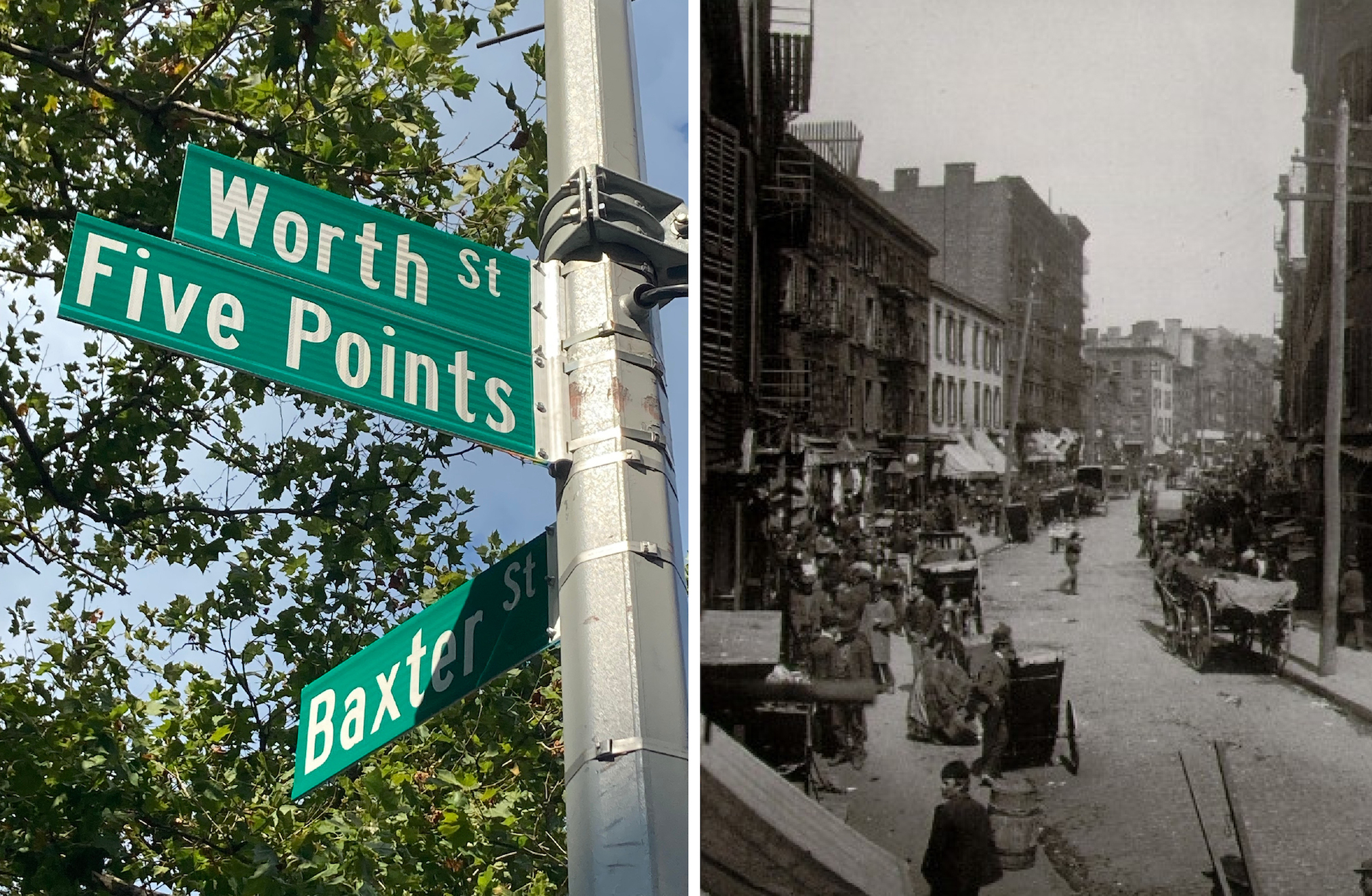
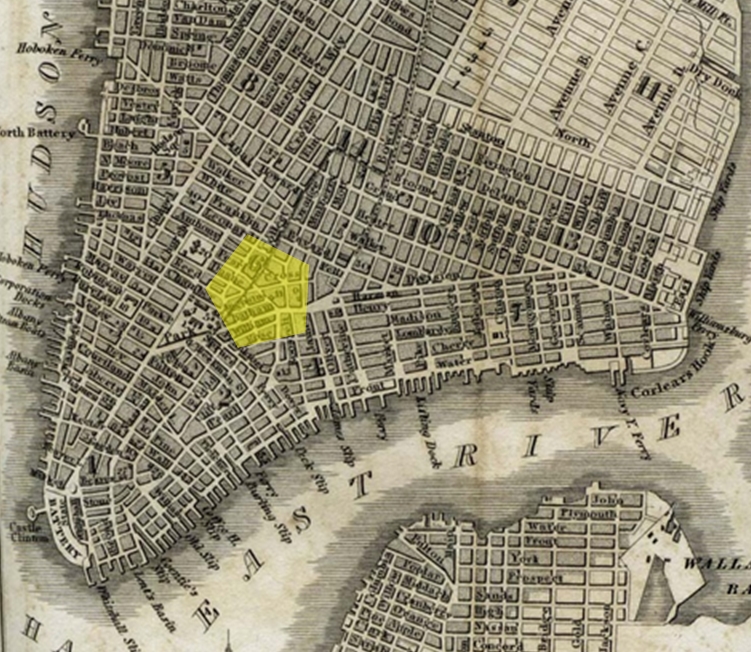
The area known as Five Points emerged in the early 19th century as a confluence of several streets, giving it its distinctive name. Primarily, it was the intersection of Anthony Street (now Worth Street), Cross Street (now Mosco Street), Orange Street (now Baxter Street), Little Water Street, and Mulberry Street. This intersection, situated in the heart of what was then known as the Lower East Side, became the epicenter of a rapidly growing and increasingly impoverished immigrant population.
A Melting Pot and a Breeding Ground
The initial allure of Five Points lay in its accessibility and the availability of cheap housing. As New York City experienced waves of immigration, particularly from Ireland during the Potato Famine and from Germany, many newcomers found themselves drawn to this dense urban core. However, the rapid influx outpaced the city’s ability to provide adequate infrastructure and resources.
- Overcrowding and Tenement Life: The tenements that sprang up in Five Points were often poorly constructed, lacking basic sanitation and ventilation. Families were crammed into single rooms, leading to the rapid spread of disease and a generally dismal living environment.
- Poverty and Social Stratification: The economic opportunities in the area were scarce, and many residents struggled with abject poverty. This economic hardship, coupled with a lack of social services, contributed to the widespread crime and vice that characterized the district.
- Ethnic Enclaves: While often depicted as a homogeneous slum, Five Points was, in reality, a complex tapestry of ethnic communities. Irish immigrants formed a significant presence, often clashing with established communities and other immigrant groups. Later, Italian immigrants would also contribute to the district’s demographic makeup.
The Shadow of Crime and Corruption
The name “Five Points” quickly became synonymous with crime, poverty, and social despair. The area was notorious for its saloons, gambling dens, and brothels, attracting a rough element and fostering an environment ripe for exploitation. Gangs, such as the notoriously violent Dead Rabbits and Roach Guards, emerged from the streets of Five Points, engaging in turf wars and contributing to the district’s lawless reputation.
The proximity to political power also meant that corruption was rampant. Tammany Hall, the powerful Democratic political machine, exerted significant influence in the area, often using the votes of the impoverished residents for their own gain while offering little genuine support in return. This cycle of poverty, crime, and political manipulation solidified Five Points’ grim image in the public consciousness.
From Slum to Redevelopment: The Transformation of Five Points
The dire conditions and notorious reputation of Five Points eventually spurred efforts towards reform and redevelopment. The 19th century witnessed a gradual, albeit often contested, process of change that would reshape the physical and social landscape of the district.
The Era of Reform and Intervention
As the 19th century progressed, social reformers, journalists, and philanthropic organizations began to highlight the appalling conditions in Five Points. The stark realities of poverty, disease, and crime were brought to the forefront, sparking public outcry and calls for action.
- Missionary Work and Social Services: Religious organizations and charitable groups established missions, schools, and soup kitchens in the area, attempting to provide a modicum of relief and education to residents. Efforts were made to offer vocational training and to help immigrants assimilate into American society.
- Journalistic Exposés: Writers and muckraking journalists documented the squalor of Five Points, creating vivid narratives that shocked the public and pressured politicians to address the issues. The graphic depictions of tenement life and the struggles of its inhabitants played a crucial role in galvanizing reform movements.
- Urban Planning and Infrastructure Improvements: Over time, the city began to implement more systematic urban planning initiatives. Streets were widened, parks were created, and efforts were made to improve sanitation and public health.
Demolition and Reconstruction
The physical fabric of Five Points also underwent significant alteration. As the district became increasingly undesirable and viewed as a blight on the city, there were concerted efforts to clear the slums and rebuild.
- The Columbus Park Project: A significant milestone in the redevelopment of the area was the creation of Columbus Park. This park was established in the late 19th century on the site of some of the most notorious tenement blocks, symbolizing a deliberate effort to erase the physical remnants of the old slum and create a more salubrious environment. The park was named in honor of Christopher Columbus, reflecting the city’s Italian heritage.
- The Rise of Chinatown: As the original immigrant populations dispersed or moved on, and as new waves of immigrants arrived, the demographic character of the area began to shift. By the early 20th century, the southern portion of the former Five Points district began to transform into Chinatown, a vibrant and burgeoning community that continues to thrive today. This transformation marked a significant transition from a European immigrant enclave to an Asian cultural hub.
- Building for the Future: The space previously occupied by Five Points was redeveloped with new buildings, including courthouses and commercial structures. The construction of institutions like the New York State Supreme Court and the New York City Criminal Court on or adjacent to the former Five Points site signifies the area’s return to a more integrated role within the civic and legal framework of New York City.
Five Points Today: Echoes in Modern Manhattan
While the physical manifestation of the Five Points slum no longer exists, its historical legacy is deeply woven into the fabric of modern New York City. The area today is a complex and dynamic urban space, bearing the marks of its past while embracing its present.
Lingering Historical Markers and Cultural Memory
Though streets have been renamed and buildings replaced, the ghost of Five Points persists in subtle ways, and its stories continue to be told.
- Geographical Nomenclature: The very name “Five Points” remains a potent reminder of the area’s historical identity, even if the precise geographical configuration of the original intersection is now largely obscured by urban development. Street names like Mulberry Street and Baxter Street still echo the district’s past.
- Cultural Representations: The history of Five Points has been immortalized in literature, film, and academic study. Works like Herbert Asbury’s “The Gangs of New York” and Martin Scorsese’s film of the same name have brought the dramatic and often brutal history of the district to a wider audience, ensuring its place in the collective memory of New York City. These narratives explore the lives of immigrants, the rise of gangs, and the struggle for survival in one of America’s most challenging urban environments.
- Archaeological Discoveries: Archaeological investigations in the area have unearthed artifacts that provide tangible links to the lives of Five Points’ former inhabitants, offering insights into their daily routines, diet, and living conditions. These discoveries help to humanize the historical narratives and provide a more grounded understanding of the past.

A Vibrant and Evolving Urban Landscape
The geographical footprint of the historical Five Points district now encompasses several vital and distinct neighborhoods, each with its own character and importance.
- Chinatown’s Enduring Spirit: The southern part of the historical Five Points area is now the heart of Manhattan’s Chinatown. This vibrant community continues to be a significant cultural and economic hub, a testament to the enduring power of immigrant communities to shape and revitalize urban spaces. The bustling markets, authentic restaurants, and cultural festivals offer a rich experience for visitors.
- Civic and Legal Centers: The northern and western edges of the former Five Points district are now dominated by significant civic and legal institutions. The presence of courthouses underscores the area’s reintegration into the city’s governance and judicial systems. These modern structures stand in stark contrast to the ramshackle tenements that once defined the landscape.
- Cultural and Recreational Hubs: Columbus Park, the green lung established on the former slum site, continues to serve as a vital recreational space for the diverse communities living in and around the area. It is a place where residents gather, children play, and the history of the land is subtly acknowledged. Nearby, other cultural attractions and bustling commercial areas contribute to the dynamic energy of the contemporary neighborhood.
In conclusion, pinpointing “Five Points New York” is not about finding a current geographical marker. It is about understanding a historical district whose name evokes a complex past of struggle, immigration, poverty, and eventual transformation. From its origins as a notorious slum in Lower Manhattan to its present-day existence as a vibrant tapestry of cultural enclaves and civic institutions, the story of Five Points is a quintessential narrative of New York City’s relentless evolution and its capacity for reinvention.
LifeOutOfTheBox is a participant in the Amazon Services LLC Associates Program, an affiliate advertising program designed to provide a means for sites to earn advertising fees by advertising and linking to Amazon.com. Amazon, the Amazon logo, AmazonSupply, and the AmazonSupply logo are trademarks of Amazon.com, Inc. or its affiliates. As an Amazon Associate we earn affiliate commissions from qualifying purchases.