
The New York Strip steak is widely considered the gold standard of American steakhouse dining. Whether you are dining at a high-end establishment in New York City or exploring the culinary scene in Chicago, the strip steak appears on nearly every premium menu. Its popularity is derived from its robust flavor, tender texture, and the perfect balance of intramuscular fat. To truly appreciate this cut, one must understand the anatomy of the cow and the specific region from which this prized piece of meat is sourced.
The Anatomy of the Cow: Identifying the Short Loin
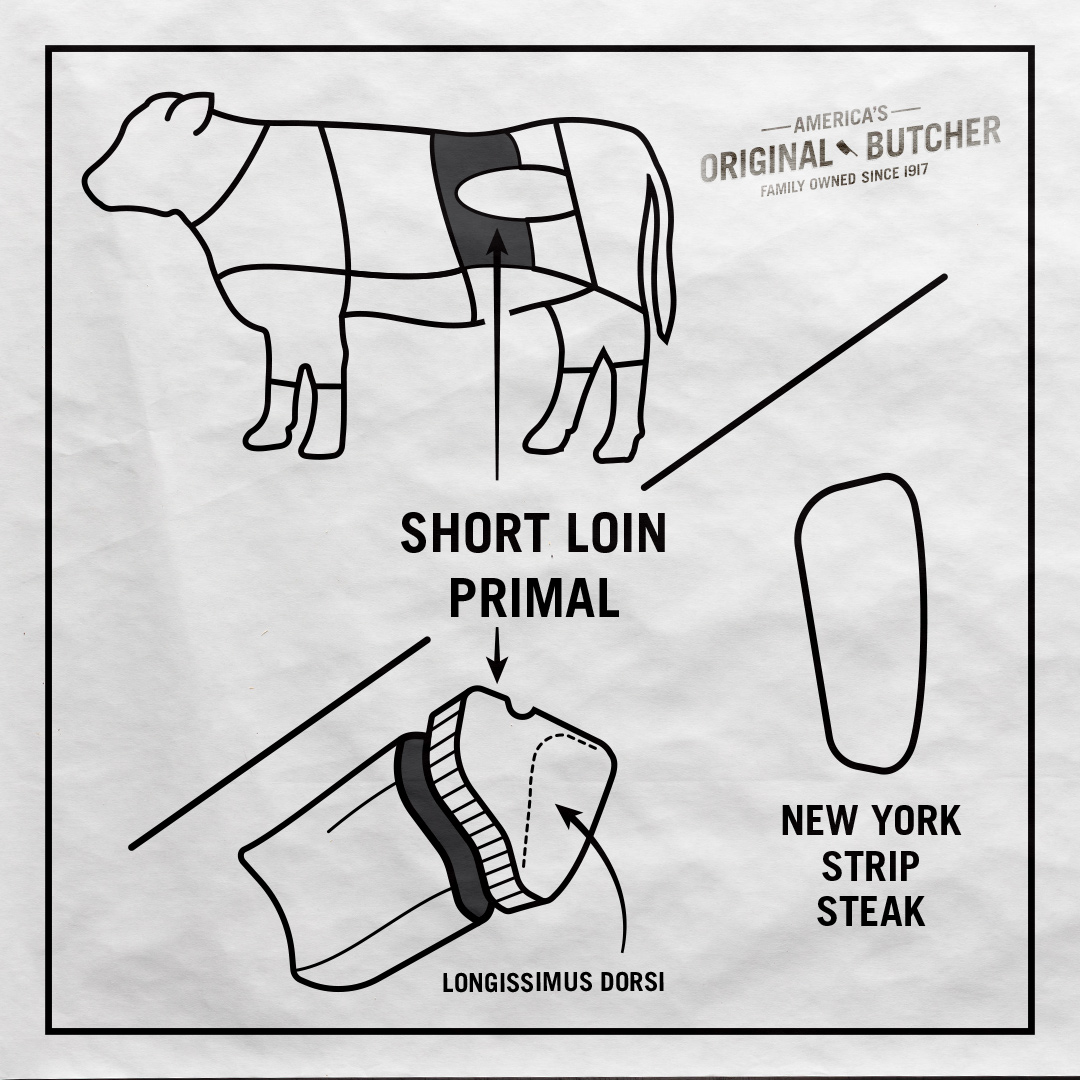
The New York Strip is a primary cut of beef that comes from the subprimal portion known as the short loin. To understand the geography of the steak, it is essential to visualize the anatomy of a steer. The short loin is located in the middle of the back of the cow, directly behind the ribs and ahead of the sirloin.
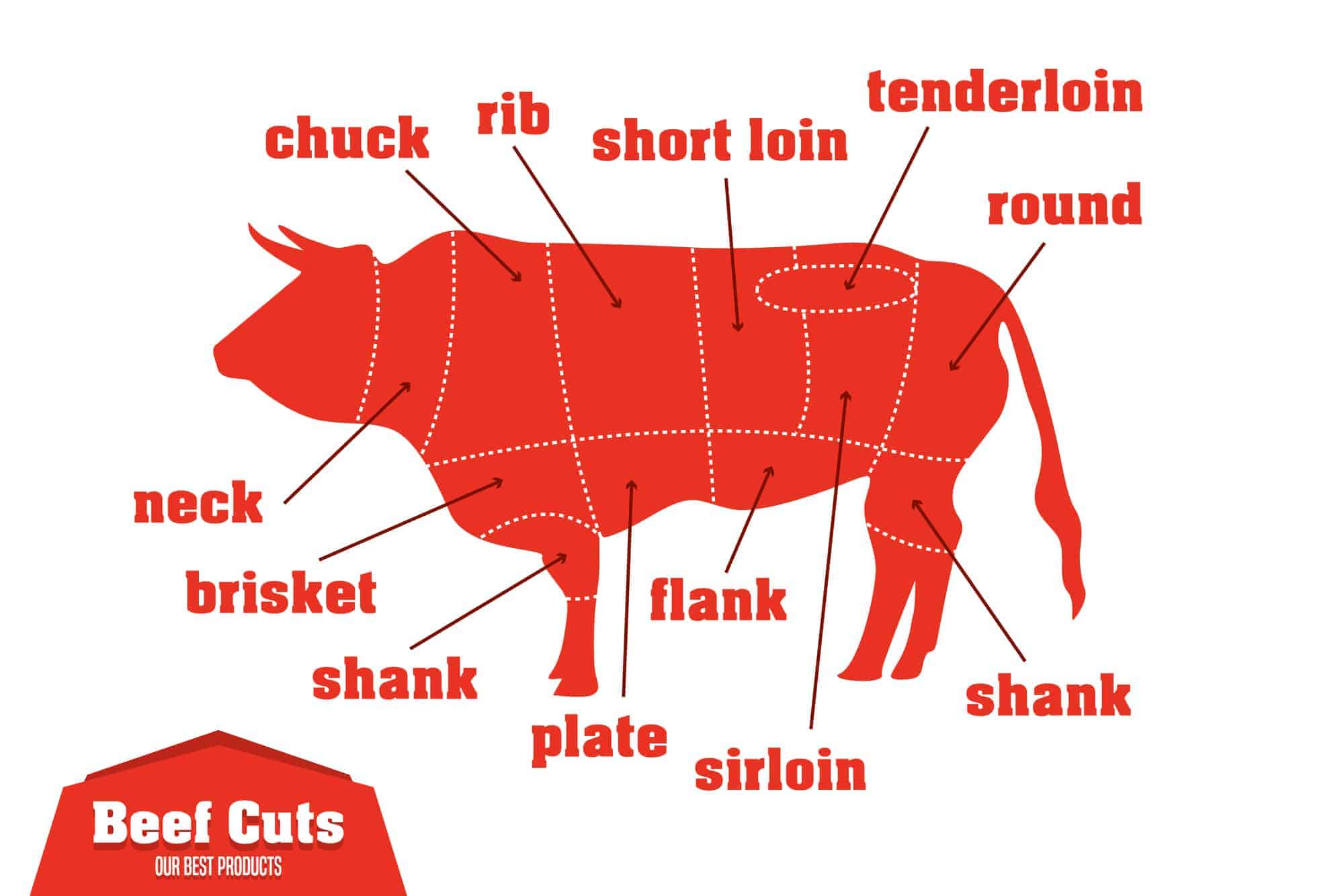
The Physiology of the Muscle
The cow’s short loin area is home to the longissimus dorsi muscle. Because this muscle does very little work while the animal is grazing or moving, the meat remains incredibly tender compared to cuts from the shoulder (chuck) or the leg (round). The limited physical activity of this muscle allows for a finer grain and a softer bite, which are the hallmarks of a premium steak.
The Relationship Between the Strip and the Filet
The short loin is divided into two distinct sides by the T-shaped lumbar vertebra. On one side of the bone sits the New York Strip; on the other sits the tenderloin (often referred to as the filet mignon). When a butcher leaves the bone in and includes both the strip and the tenderloin, the resulting cut is a T-bone steak or a Porterhouse. The New York Strip is essentially what remains when the bone is removed and the tenderloin is separated, leaving the large, flavorful loin muscle on its own.
What Defines the Quality of a New York Strip?
While the location of the cut determines its inherent tenderness, the quality of a New York Strip is largely defined by marbling and aging. Culinary experts in food hubs like Texas or Kansas City often look for specific indicators of excellence before deciding how to prepare the steak.
The Importance of Intramuscular Fat
Marbling refers to the tiny, white flecks of fat distributed throughout the red muscle tissue. Unlike the thick layer of fat on the exterior of a steak, which can be trimmed away, intramuscular marbling melts during the cooking process. This process, known as rendering, bastes the meat from the inside out, providing the savory, buttery flavor that defines the New York Strip. A high-quality strip will have a consistent, lace-like pattern of marbling throughout the entire cut.
The Role of Dry-Aging
Many top-tier steakhouses in cities like Las Vegas specialize in dry-aged beef. Dry-aging involves hanging the short loin in a climate-controlled room with specific humidity and airflow for several weeks. During this time, two things happen: natural enzymes break down the connective tissues, making the meat even more tender, and the water content evaporates, concentrating the beefy, umami-rich flavor. A well-aged New York Strip possesses a unique, slightly nutty flavor profile that sets it apart from a standard “fresh” cut.

Preparing the Perfect Strip Steak
Understanding where the steak comes from is only the first step. The way the strip is prepared—whether it is grilled at a backyard barbecue or seared in a cast-iron skillet at a luxury hotel restaurant like the Waldorf Astoria—can drastically change the dining experience.
The Sear and the Crust
Because the New York Strip has a firm texture, it stands up well to high-heat cooking methods. Professionals often recommend starting with a very hot surface to achieve a Maillard reaction. This chemical reaction creates the dark, savory crust on the exterior of the steak, which provides a satisfying crunch that contrasts beautifully with the tender interior.
Temperature and Resting
The strip steak is best enjoyed when cooked to medium-rare or medium. Because it is a leaner cut than a ribeye, overcooking can lead to a loss of moisture. Once the desired internal temperature is reached, the steak must be rested. Resting allows the juices, which have been driven to the center by the heat, to redistribute throughout the muscle fibers. This ensures that every bite is succulent and flavorful.
The Cultural Significance of the New York Steak
Beyond the butcher shop and the kitchen, the New York Strip represents a specific era of American culinary identity. It is a symbol of the classic American steakhouse, an institution that gained prominence in the industrial age of the United States.
The Steakhouse Experience
Dining out for a steak is a cultural tradition that has permeated various tourist destinations. Whether you are visiting the The Palm in various major cities or seeking a high-end dining experience near the Golden Gate Bridge, the New York Strip remains a consistent anchor of the menu. It is reliable, satisfying, and deeply connected to the history of the cattle industry.
Why the Name Persists
There is some historical debate regarding why the “Strip” earned its geographical prefix. Most historians agree that the cut was popularized in the 19th century by restaurants in Manhattan. As the dish gained notoriety, the “New York” prefix became a shorthand for quality and luxury. Today, regardless of where the cow was raised—whether in the wide-open plains of Montana or the specialized farms of Nebraska—a high-quality cut from the short loin is almost universally marketed as a New York Strip.
Choosing the Right Cut at the Market
When browsing a butcher shop, one can identify a high-quality New York Strip by looking for a few telltale signs. First, the color should be a bright, cherry red; avoid meat that appears dull or greyish. Second, the texture should be firm to the touch, not slimy or overly soft. Finally, ensure that the strip has a clean, white fat cap. This thin edge of fat is crucial for flavor, though it should be trimmed down to about a quarter-inch if it is excessively thick.
Whether you are a home cook learning the craft or a traveler seeking the best bite in Los Angeles, understanding the origin of your food enhances the appreciation of the meal. The New York Strip is more than just a piece of protein; it is a masterpiece of biology and butchery that highlights the best qualities of the short loin. By selecting well-marbled cuts and applying the right cooking techniques, you can experience the pinnacle of what this iconic steak has to offer.
LifeOutOfTheBox is a participant in the Amazon Services LLC Associates Program, an affiliate advertising program designed to provide a means for sites to earn advertising fees by advertising and linking to Amazon.com. Amazon, the Amazon logo, AmazonSupply, and the AmazonSupply logo are trademarks of Amazon.com, Inc. or its affiliates. As an Amazon Associate we earn affiliate commissions from qualifying purchases.