
Amelia Island, a jewel among Florida’s barrier islands, captivates visitors with its pristine beaches, historic charm, and lush natural landscapes. For many prospective travelers, the fundamental question “Where is Amelia Island located in Florida?” is the crucial starting point for planning an unforgettable getaway. Situated in the northeasternmost corner of the state, this enchanting island offers a unique blend of Southern hospitality and coastal serenity, making it a premier destination for those seeking relaxation, adventure, and a touch of history. Understanding its precise location not only facilitates travel logistics but also unlocks the context of its rich heritage and ecological significance, positioning it as an accessible yet secluded escape.
Unveiling Amelia Island’s Geographical Charm
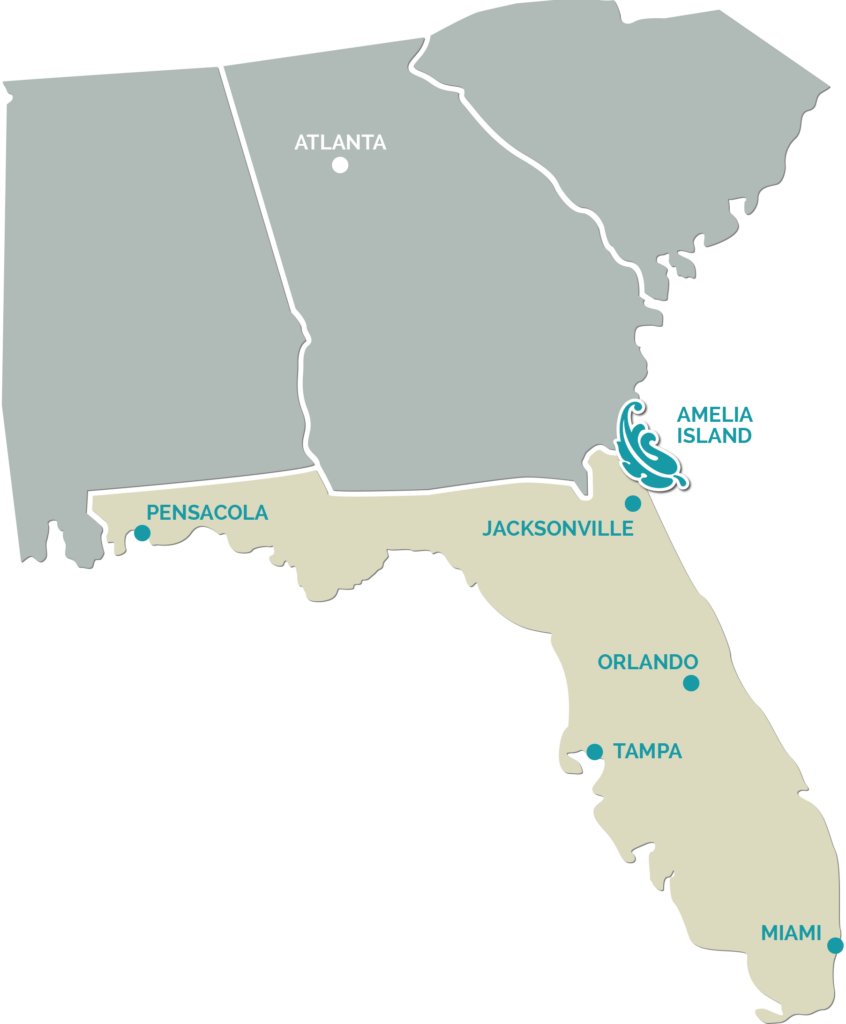
Amelia Island’s strategic location in Northeast Florida is integral to its appeal. It is the northernmost barrier island on Florida’s Atlantic Ocean coast, a geographical distinction that contributes significantly to its distinct character and accessibility. This prime positioning allows it to serve as a gateway, offering convenient access from various parts of the southeastern United States while maintaining an aura of serene seclusion. Its location defines its climate, its flora and fauna, and its historical development, all of which are compelling aspects for any traveler.
Nestled in Northeast Florida
Amelia Island is specifically situated just south of the Florida-Georgia state line, a mere stone’s throw from the charming coastal regions of Georgia. This proximity allows for a cultural blend, where the laid-back Southern charm of Georgia subtly intertwines with the vibrant energy of Florida’s beach communities. The island itself is approximately 13 miles long and 4 miles wide at its broadest point, a manageable size that allows visitors to explore its diverse offerings without extensive travel between attractions. It is bordered by the Atlantic Ocean to the east, offering miles of picturesque coastline, and by the St. Marys River and numerous marshlands to the west, providing a habitat for abundant wildlife and opportunities for tranquil exploration. This unique geographical embrace by both ocean and river systems creates a diverse ecosystem that supports a wide range of outdoor activities, from deep-sea fishing to kayaking through serene estuaries. The main town on the island is Fernandina Beach, a historic port city renowned for its well-preserved Victorian architecture and vibrant downtown district. This town serves as the heart of Amelia Island, providing most of its dining, shopping, and cultural experiences, all within easy reach of the island’s natural wonders.
Proximity to Major Cities and Transport Links
Despite its idyllic, somewhat remote feel, Amelia Island is surprisingly accessible. It lies approximately 35 miles northeast of Jacksonville, Florida’s largest city. This close proximity means that travelers can fly into Jacksonville International Airport (JAX), a major hub, and reach Amelia Island with a relatively short and scenic drive. The journey from JAX typically takes about 45 minutes to an hour, making it an ideal destination for weekend getaways or longer vacations without the hassle of extensive travel post-flight. Furthermore, the island is conveniently located just a short drive off Interstate 95 (I-95), the primary north-south artery along the East Coast. This makes it an easily reachable destination for those traveling by car from neighboring states such as Georgia, South Carolina, and beyond. The ease of access, combined with its perceived remoteness, is a key factor in Amelia Island’s allure as a travel destination, offering a perfect balance between convenience and escape.
The Gateway to the Golden Isles
Amelia Island’s position at the northern tip of Florida means it essentially serves as the southern gateway to the chain of barrier islands known as the Golden Isles, which extend northward into Georgia. While Amelia Island itself is firmly in Florida, its ecological and cultural ties to this wider coastal region are evident. Directly across the St. Marys River, accessible by ferry, lies Cumberland Island National Seashore in Georgia, a wild and undeveloped expanse famous for its feral horses and pristine wilderness. This connection highlights Amelia Island’s role as part of a larger, interconnected coastal ecosystem that offers continuous stretches of natural beauty and historical significance. Travelers visiting Amelia Island often find themselves exploring its immediate surroundings but also appreciating its place within this broader, captivating coastal landscape, which adds another layer of depth to their travel experience.
A Rich Tapestry of History and Natural Beauty
Amelia Island’s geographical position has profoundly shaped its identity, giving rise to a remarkable history and fostering an environment of unparalleled natural beauty. These two aspects are deeply intertwined, offering visitors a holistic travel experience that educates, inspires, and rejuvenates.
The Eight-Flag Island Legacy
One of Amelia Island’s most distinguishing features is its unique history, often referred to as the “Eight-Flag Island.” This moniker signifies that it is the only place in the United States to have been under the dominion of eight different flags: French, Spanish, British, Patriot, Green Cross of Florida, Mexican, Confederate, and American. Each period left its indelible mark, shaping the architecture, culture, and very spirit of the island. Historic Downtown Fernandina Beach, for instance, is a testament to this layered past, boasting more than 50 blocks of Victorian-era architecture listed on the National Register of Historic Places. Walking through its charming streets, visitors can explore independent boutiques, art galleries, and acclaimed restaurants housed in beautifully preserved buildings that whisper tales of pirates, industry, and changing empires. This rich historical narrative provides an engaging backdrop for tourism, allowing travelers to immerse themselves not just in scenic beauty, but in a living museum of American history.
Pristine Beaches and Coastal Ecosystems
Beyond its historical allure, Amelia Island is celebrated for its breathtaking natural environment. Its 13 miles of uncrowded beaches are characterized by soft, white sand and gentle waves, making them perfect for sunbathing, swimming, shelling, and long, leisurely strolls. The unique geological composition of the beaches, often adorned with fossilized shark teeth, offers a fascinating treasure hunt for visitors. But the island’s natural beauty extends far beyond its shoreline. The coastal ecosystems here are incredibly diverse, encompassing maritime forests, salt marshes, and tidal creeks that teem with wildlife. Birdwatchers will delight in the array of migratory and resident species, while nature enthusiasts can explore the wetlands by kayak or paddleboard, encountering dolphins, manatees, and various fish species. The commitment to preserving these natural habitats ensures that Amelia Island remains a sanctuary for both wildlife and those seeking an escape into nature.
State Parks and Preserves
Integral to the preservation of Amelia Island’s natural environment are its dedicated state parks and preserves. Fort Clinch State Park, located at the northern tip of the island, is a prime example. This park offers a unique blend of history and nature, featuring a well-preserved 19th-century fort that visitors can explore, complete with costumed re-enactors. Surrounding the fort are miles of pristine beaches, sand dunes, and maritime hammocks, providing opportunities for camping, fishing, hiking, and cycling. Further south, visitors can explore American Beach, a historically significant African American beach community founded in 1935. While not a state park, it holds immense cultural value and offers access to beautiful stretches of coastline. Nearby, Little Talbot Island State Park and Big Talbot Island State Park are accessible via a short drive south on A1A, offering a more rugged and undeveloped coastal experience. These neighboring parks provide further opportunities for kayaking, birding, and exploring diverse ecosystems, including unique boneyard beaches. The proximity of these protected areas enhances Amelia Island’s appeal as a destination for eco-tourism and outdoor adventure, allowing travelers to connect deeply with Florida’s natural heritage.

Beyond the Map: What Makes Amelia Island a Premier Travel Destination
While its location and natural beauty lay the groundwork, it’s the rich array of activities, cultural experiences, and culinary excellence that truly elevate Amelia Island to a premier travel destination. The island cleverly leverages its geographical advantages and historical depth to create a multifaceted experience for every type of traveler.
Diverse Activities for Every Traveler
Amelia Island caters to a broad spectrum of interests, ensuring that every visitor finds something to cherish. For the active traveler, opportunities abound: golfing on championship courses like those at the Omni Amelia Island Resort or The Golf Club of Amelia Island, horseback riding on the beach, cycling along scenic trails, or engaging in water sports such as kayaking, paddleboarding, and fishing charters. Those seeking relaxation can indulge in luxurious spa treatments at resorts like The Ritz-Carlton, Amelia Island, or simply unwind on the uncrowded beaches. History buffs can delve deeper into the past at Fort Clinch State Park, explore the historic district, or visit the Amelia Island Museum of History. For families, the island offers pirate cruises, nature tours, and opportunities for educational exploration. The diverse range of activities ensures that Amelia Island is not just a place on the map, but a vibrant and engaging destination.
Culinary Delights and Local Flavors
Amelia Island’s location, surrounded by the Atlantic and abundant waterways, naturally lends itself to a thriving culinary scene centered around fresh seafood. Fernandina Beach, in particular, is known as the birthplace of the modern shrimping industry in Florida, a legacy celebrated annually at the Isle of Eight Flags Shrimp Festival. Local restaurants proudly serve up fresh catches, from succulent shrimp and oysters to various local fish, prepared in a myriad of styles. Beyond seafood, the island boasts a diverse gastronomic landscape, from casual beachfront eateries to upscale, fine-dining establishments offering farm-to-table experiences and international cuisine. Many restaurants highlight Southern influences, using locally sourced ingredients to create dishes that are both innovative and comforting. This focus on local flavors and high-quality ingredients makes dining an integral and delightful part of the Amelia Island travel experience, adding another layer of authenticity to the visit.
Unique Events and Festivals
Throughout the year, Amelia Island hosts a variety of events and festivals that showcase its unique culture and vibrant community spirit. The aforementioned Isle of Eight Flags Shrimp Festival is perhaps the most famous, drawing tens of thousands of visitors annually with its arts and crafts vendors, live music, and, of course, an abundance of shrimp. The Amelia Island Concours d’Elegance, a prestigious automotive event, attracts classic car enthusiasts from around the world. Other events include the Amelia Island Jazz Festival, the Amelia Island Chamber Music Festival, and numerous arts and literary events. These festivals not only provide entertainment but also offer visitors a deeper insight into the island’s community, history, and artistic talents. Attending one of these events can significantly enhance a travel itinerary, providing a unique cultural immersion that goes beyond standard sightseeing.
Planning Your Visit to Amelia Island
Strategically planning your trip to Amelia Island, armed with knowledge of its location and offerings, will ensure a seamless and enriching travel experience. Considering the best time to visit and understanding local transport options are key components of a well-orchestrated vacation.
Best Time to Visit
Amelia Island enjoys a subtropical climate, characterized by warm, humid summers and mild winters. The shoulder seasons—spring (March to May) and fall (September to November)—are often considered the ideal times to visit. During these periods, the weather is pleasantly warm, humidity is lower, and the island experiences fewer crowds. Spring brings blooming flowers and comfortable temperatures perfect for outdoor activities. Fall offers cooler breezes, beautiful sunsets, and a calendar full of festivals, including the Shrimp Festival. Summer (June to August) is hot and humid, with a higher chance of afternoon thunderstorms, but it’s also prime time for beach activities and water sports. Winter (December to February) is mild and generally sunny, making it a popular escape for those looking to avoid colder climates, though ocean swimming might be too chilly for some.
Getting There and Around
As established, Amelia Island is easily accessible by car via I-95 and by air through Jacksonville International Airport (JAX). From JAX, rental cars, taxis, and ride-sharing services are readily available for the short drive to the island. Once on Amelia Island, having a car is generally recommended for exploring beyond Fernandina Beach, especially if you plan to visit Fort Clinch State Park or other areas. However, within Fernandina Beach’s historic district, walking and cycling are popular and enjoyable ways to get around. Many hotels and resorts offer shuttle services, and there are also local taxi and trolley services. Cycling is particularly popular, with numerous dedicated paths and trails weaving through the island, offering a scenic way to explore its natural beauty and attractions.
Accommodation Overview
Amelia Island offers a diverse range of accommodation options to suit every preference and budget, all within the “Travel” context of what a destination provides. From luxurious resorts such as the Omni Amelia Island Resort and The Ritz-Carlton, Amelia Island, which offer extensive amenities and direct beach access, to charming bed-and-breakfasts nestled in the historic district, and a variety of vacation rentals, travelers have ample choice. There are also more budget-friendly hotels and motels located both on the island and just off the causeway. When considering your stay, think about your priorities—be it beachfront luxury, historic charm, or proximity to specific activities—and choose an option that best complements your desired travel experience on this beautiful island.

The Enduring Allure of Amelia Island
Amelia Island’s location in the northeastern corner of Florida is more than just a geographical coordinate; it is the foundation upon which its entire appeal rests. This strategic position grants it accessibility, defines its climate, shapes its unique eight-flag history, and blesses it with an extraordinary natural environment. For travelers seeking a destination that seamlessly blends historical intrigue with stunning coastal landscapes, vibrant cultural events, and diverse recreational opportunities, Amelia Island stands out. It is a place where every turn reveals a new facet of its charm, from the serene beauty of its beaches to the bustling life of Fernandina Beach. Understanding “Where is Amelia Island located in Florida?” is merely the first step on a journey to discovering a truly exceptional travel destination that promises rich experiences and lasting memories.
LifeOutOfTheBox is a participant in the Amazon Services LLC Associates Program, an affiliate advertising program designed to provide a means for sites to earn advertising fees by advertising and linking to Amazon.com. Amazon, the Amazon logo, AmazonSupply, and the AmazonSupply logo are trademarks of Amazon.com, Inc. or its affiliates. As an Amazon Associate we earn affiliate commissions from qualifying purchases.