
Arizona, often affectionately known as the Grand Canyon State, is a captivating and geographically significant state located in the southwestern region of the United States. For travelers and adventurers planning their next escape, understanding Arizona’s position on the map is the first step towards unlocking a world of breathtaking natural wonders, vibrant cultural experiences, and unparalleled opportunities for both adventure and relaxation. Situated squarely in the heart of the American Southwest, Arizona shares its borders with a diverse set of states and even an international neighbor, contributing to its unique blend of landscapes, climates, and cultural influences.
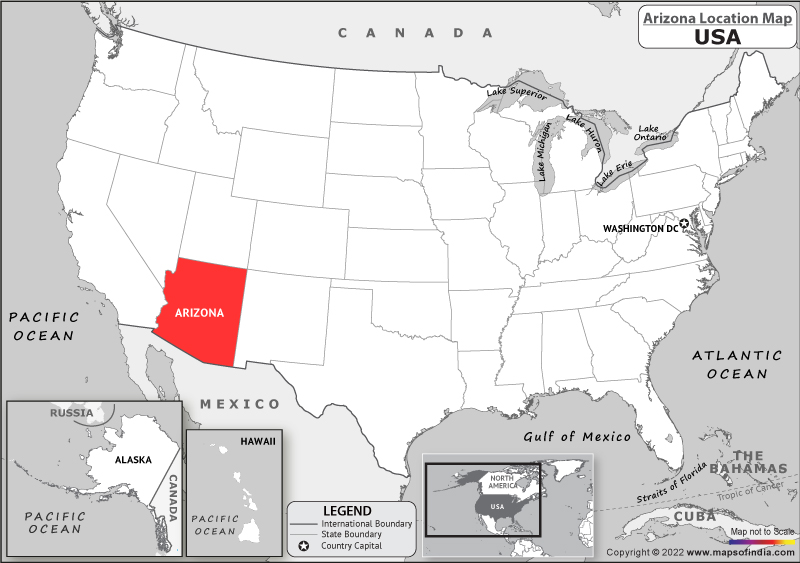
This prime location grants Arizona a distinctive identity, characterized by its iconic red rock formations, vast deserts teeming with saguaro cacti, pine-covered mountains, and a rich tapestry of Native American heritage. From the scorching desert floors to the cool, high-altitude forests, the state offers an incredible spectrum of environments, making it a year-round destination for various types of travel and tourism. Whether you are drawn to the rugged beauty of its canyons, the spiritual energy of its vortexes, the bustling energy of its modern cities, or the serene tranquility of its starry nights, knowing precisely where Arizona lies sets the stage for an unforgettable journey.
This article will not only pinpoint Arizona’s exact spot on the globe but will also delve into what makes this location so pivotal to its appeal as a premier travel destination. We’ll explore its geographical neighbors, the diverse climates it encompasses, its most famous landmarks and cities, and how its unique position contributes to the exceptional experiences it offers to every visitor.
Locating the Grand Canyon State: Arizona’s Place in the Southwest
To truly appreciate Arizona, one must first grasp its geographical context. Positioned within the southwestern quadrant of the United States, Arizona is a land of striking contrasts, defined by its arid deserts, dramatic mountain ranges, and expansive plateaus. Its precise coordinates place it between approximately 31° and 37° North latitude and 109° and 115° West longitude, encompassing an area of roughly 113,990 square miles, making it the sixth-largest state by total area.
A Jewel of the American Southwest
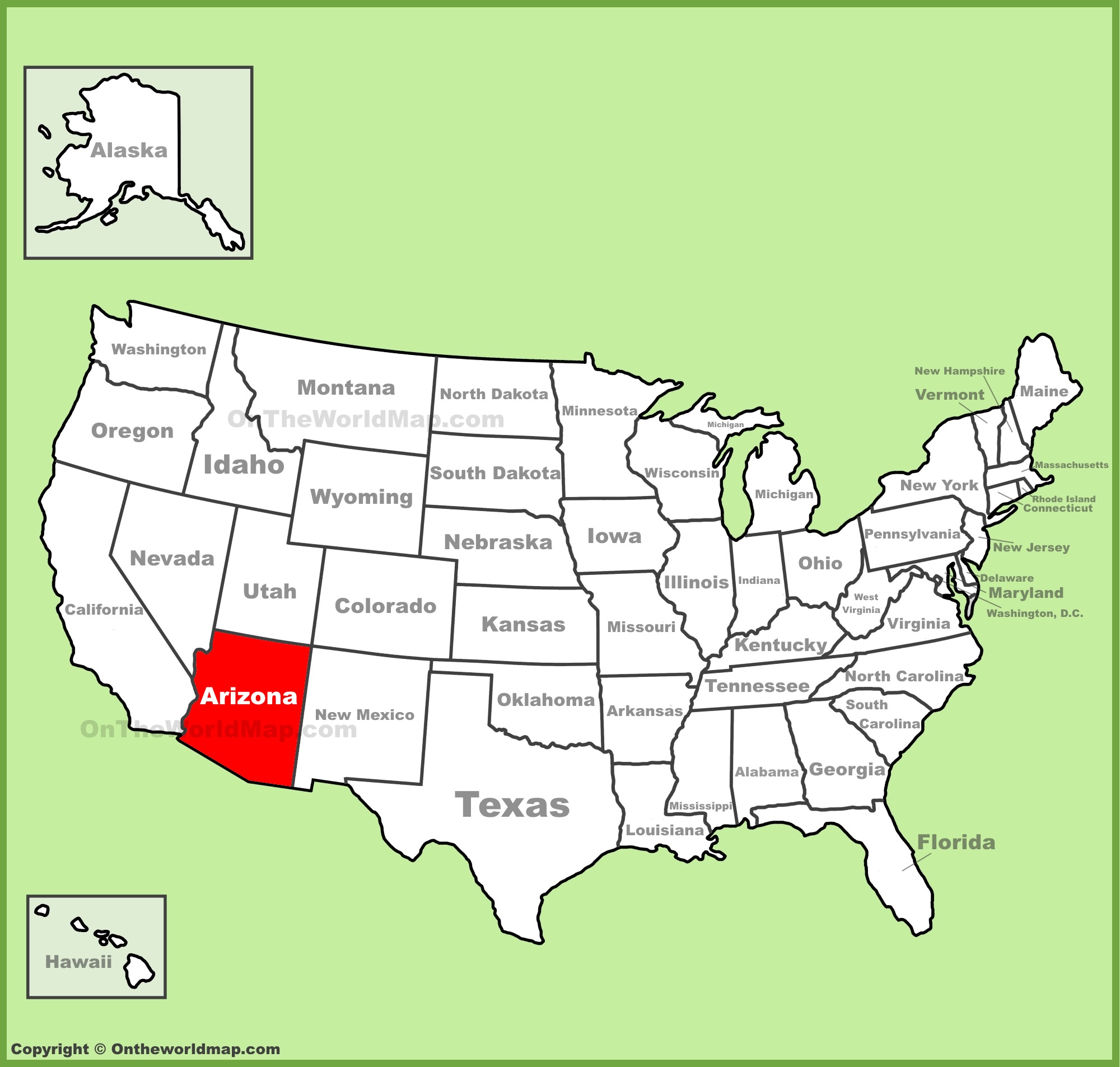
Arizona’s strategic location means it shares borders with several key states and an international country. To its west lie California and Nevada, bringing it within relatively easy reach of major urban centers like Los Angeles and Las Vegas, respectively. To the north, it borders Utah, creating a natural bridge to the stunning landscapes of the Colorado Plateau. The eastern border is shared with New Mexico, while a small northeastern corner touches Colorado at the famous Four Corners Monument, the only point in the United States where four states meet. To the south, Arizona shares a lengthy international border with Mexico, particularly the states of Sonora and Baja California, which imbues the state with a rich cross-cultural heritage and a vibrant southwestern lifestyle.
This unique bordering configuration is crucial to understanding the diverse landscapes and climates found within Arizona. The southern and western parts of the state are characterized by the Sonoran Desert, famous for its iconic saguaro cacti and hot, arid conditions. Moving northward and eastward, the elevation gradually rises, transitioning into grasslands, chaparral, and ultimately vast ponderosa pine forests around cities like Flagstaff. This higher elevation leads to a significantly different climate, featuring four distinct seasons with mild summers and snowy winters, a stark contrast to the desert heat. The Colorado Plateau in northern Arizona is home to some of the world’s most spectacular geological formations, including the Grand Canyon, which is a testament to millions of years of natural erosion.
The varied geography supports an equally diverse range of ecosystems, from desert riparian areas to alpine tundra, making Arizona a fantastic destination for ecotourism and wildlife viewing. Its location has also historically made it a crossroads of cultures, influencing everything from its architecture and cuisine to its art and traditions.
Arizona’s Iconic Landmarks and Natural Wonders
Arizona’s place on the map translates directly into an extraordinary collection of landmarks and natural attractions that draw millions of visitors annually. From ancient geological marvels to bustling urban centers, the state offers something for every type of traveler.
The Majestic Grand Canyon and Beyond
Undoubtedly, the crown jewel of Arizona and one of the world’s most famous natural wonders is the Grand Canyon National Park. Carved by the Colorado River over millions of years, this colossal chasm stretches 277 miles long, up to 18 miles wide, and over a mile deep. Its sheer scale and dramatic, multicolored layers of rock offer unparalleled vistas and opportunities for hiking, rafting, and simply contemplating the raw power of nature. Visitors can explore the South Rim, open year-round with numerous viewpoints and services, or the more remote and rugged North Rim, open seasonally.
Beyond the Grand Canyon, Arizona boasts a wealth of other spectacular natural formations. In the northeastern part of the state, within the Navajo Nation, lies Monument Valley. This iconic landscape of towering sandstone buttes and mesas has been the backdrop for countless Western films and is a powerful symbol of the American West. Nearby, the ethereal slot canyons of Antelope Canyon, particularly Upper Antelope Canyon and Lower Antelope Canyon, offer a surreal experience as light filters through narrow, winding passages, illuminating the sculpted sandstone walls.

Further south, near Tucson and Phoenix, Saguaro National Park protects vast forests of the majestic saguaro cacti, which can grow over 50 feet tall and live for more than 150 years. This park is an essential place to experience the unique biodiversity of the Sonoran Desert. On the western edge of the state, straddling the border with Nevada, stands the colossal Hoover Dam. This engineering marvel, constructed during the Great Depression, harnesses the power of the Colorado River to create Lake Mead, a massive reservoir offering recreational activities and an impressive testament to human ingenuity.
Desert Oasis Cities and Cultural Hubs
Arizona’s map is dotted with vibrant cities that serve as gateways to its natural wonders and offer rich cultural experiences.
- Phoenix and Scottsdale: As the state capital and its largest metropolitan area, Phoenix is a sprawling desert metropolis known for its sunny weather, world-class golf courses, and luxurious resorts. Adjacent Scottsdale is renowned for its vibrant nightlife, upscale shopping, and burgeoning art scene. Both cities offer a plethora of dining options, from authentic Southwestern cuisine to fine dining establishments.
- Tucson: To the south, Tucson exudes a more historic and laid-back charm. Surrounded by five mountain ranges, it offers stunning natural beauty alongside a rich Mexican-American heritage, evidenced in its historic Barrio Viejo district and its UNESCO City of Gastronomy designation. The Arizona-Sonora Desert Museum here is a must-visit, blending a zoo, botanical garden, and natural history museum.
- Sedona: Nestled amidst breathtaking red rock formations, Sedona is famous for its purported vortex energy sites, attracting spiritual seekers and artists alike. The town offers spectacular hiking trails, thriving art galleries, and numerous wellness retreats, all set against a dramatic crimson backdrop.
- Flagstaff: Located in the cooler, pine-forested region of northern Arizona, Flagstaff serves as a popular gateway to the Grand Canyon and other national parks. It’s a vibrant college town with a historic downtown, outdoor adventure sports, and the renowned Lowell Observatory, making it a hub for stargazing.
Experiencing Arizona: Tourism, Lifestyle, and Accommodation
Arizona’s location and diverse topography directly translate into an incredibly rich and varied tourism landscape. From the luxury lifestyle of its resort cities to the rugged adventure travel opportunities in its wild spaces, the state truly offers something for everyone.
Diverse Travel Experiences and Local Culture
- Adventure and Outdoors: For the adrenaline seeker, Arizona is a playground. Options range from challenging hikes in the Grand Canyon and Sedona, mountain biking on world-class trails, rock climbing, and even white-water rafting on the Colorado River. The cooler northern regions are ideal for skiing and snowboarding in winter, particularly at Arizona Snowbowl near Flagstaff.
- Relaxation and Wellness: Arizona is also a haven for those seeking tranquility and rejuvenation. Cities like Scottsdale and Sedona are home to some of the nation’s most opulent spa resorts, offering holistic treatments, yoga, and meditation amidst stunning natural backdrops. The serene desert environment itself contributes to a sense of peace and well-being.
- Cultural Immersion: The state’s rich Native American heritage is deeply woven into its cultural fabric. Visitors can explore ancient cliff dwellings at places like Montezuma Castle National Monument or delve into contemporary Native American art and culture at various cultural centers and annual events. The vibrant art scenes in Sedona and Scottsdale, along with the unique blend of Mexican and American influences in Tucson’s gastronomy, provide diverse cultural experiences.
- Family-Friendly Fun: Arizona caters well to family trips with attractions like the Phoenix Zoo, the Children’s Museum of Phoenix, and various water parks. The endless opportunities for outdoor adventure, from easy nature walks to scenic drives, ensure that children of all ages will find something to enjoy.
Finding Your Perfect Arizona Stay
Given its popularity as a travel destination, Arizona offers an extensive range of accommodation options to suit every preference and budget.
- Luxury Resorts: For those seeking a luxury lifestyle experience, Phoenix and Scottsdale are home to world-class properties offering immaculate suites, championship golf courses, exquisite spas, and unparalleled amenities. Examples include The Phoenician, a Luxury Collection Resort, Scottsdale, Arizona Biltmore, A Waldorf Astoria Resort, and Sanctuary Camelback Mountain, A Gurney’s Resort & Spa.
- Boutique Hotels: In artistic enclaves like Sedona or historic districts in Tucson, visitors can find charming boutique hotels that offer personalized service and unique character, often reflecting the local culture and aesthetic.
- Vacation Rentals and Villas: For families, groups, or those desiring a long-term stay, a wide selection of vacation rentals, from desert villas to cozy cabins in the mountains, are available across the state. These often come with fully equipped kitchens and ample living space.
- Budget-Friendly Options: Travelers on a budget will find numerous hotels, motels, and campgrounds throughout Arizona, particularly near popular national parks and along major highways. Booking in advance and using comparison tools are highly recommended, especially during peak seasons, to secure the best rates and availability. Checking reviews can also help ensure a quality stay.
Practical Tips for Visiting Arizona
To make the most of your Arizona adventure, consider these practical tips:
- Best Time to Visit: The ideal time to visit most of Arizona is during the cooler months, from October to April. During this period, the desert temperatures are pleasant for hiking and outdoor activities, and the weather in the northern regions is crisp and invigorating, with opportunities for snow sports in winter. Summers (June to September) can be intensely hot in the lower desert regions, though the high country (Flagstaff, Grand Canyon North Rim) offers a pleasant escape from the heat.
- Transportation: A rental car is virtually essential for exploring Arizona, as many of its attractions are spread out and public transportation outside of major cities is limited. Phoenix Sky Harbor International Airport (PHX) is the main hub for air travel into the state.
- What to Pack: Due to the varied climate, packing layers is always a good idea. Regardless of the season, include sun protection – sunscreen, hats, and sunglasses – as the Arizona sun is intense. Comfortable walking shoes are a must for exploring, and if you plan on hiking, bring sturdy hiking boots. Most importantly, stay hydrated by drinking plenty of water, especially in the desert.
In conclusion, understanding “Where Is Arizona On A Map?” reveals a state uniquely positioned to offer an incredible breadth of travel experiences. Its location in the American Southwest is the fundamental reason behind its diverse landscapes, from the awe-inspiring depths of the Grand Canyon to the vibrant urban oases of Phoenix and Scottsdale, and the spiritual allure of Sedona. This geographical advantage has cultivated a rich blend of tourism opportunities, catering to those seeking thrilling adventures, serene wellness retreats, deep cultural immersion, or unforgettable family vacations. With a myriad of accommodation choices and practical considerations to ensure a smooth trip, Arizona stands ready to welcome travelers into its magnificent and multifaceted embrace.
LifeOutOfTheBox is a participant in the Amazon Services LLC Associates Program, an affiliate advertising program designed to provide a means for sites to earn advertising fees by advertising and linking to Amazon.com. Amazon, the Amazon logo, AmazonSupply, and the AmazonSupply logo are trademarks of Amazon.com, Inc. or its affiliates. As an Amazon Associate we earn affiliate commissions from qualifying purchases.