
Back Bay, Boston, is more than just a dot on a map; it’s a vibrant, historically rich, and architecturally stunning neighborhood that encapsulates much of what makes Boston a world-class travel destination. For those planning a visit to Massachusetts’ capital, understanding its location, accessibility, and unique appeal is key to unlocking an unforgettable experience. This guide delves into the essence of Back Bay, positioning it firmly within the urban fabric of Boston and highlighting why it deserves a prime spot on any traveler’s itinerary.
Pinpointing Back Bay on the Boston Map
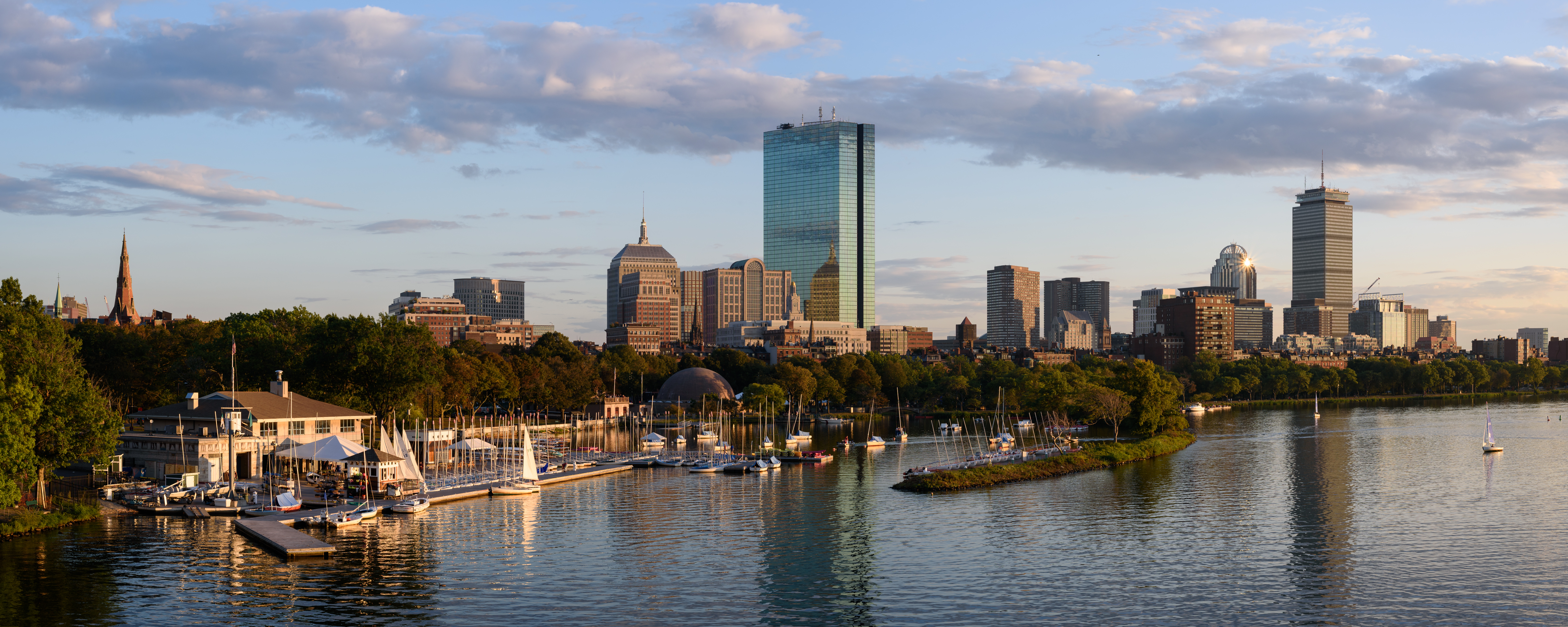
Geographically, Back Bay is situated in the heart of Boston, immediately west of the city’s historic core and adjacent to the tranquil waters of the Charles River. Its strategic placement makes it a central hub for exploring various facets of the city, from the bustling downtown district to the academic prowess of neighboring Cambridge.
Defining the Back Bay Boundaries
The neighborhood’s boundaries are well-defined, providing a clear understanding of its extent. To the east, Back Bay borders the iconic Boston Common and Public Garden, serving as a graceful transition from the historic Beacon Hill area. The Charles River forms its natural northern boundary, offering picturesque esplanades and stunning views of the Cambridge skyline. To the south, Boylston Street and the Massachusetts Turnpike delineate its edge, leading into areas like the South End. The western border extends roughly to Kenmore Square, a bustling intersection known for its proximity to Fenway Park and Boston University. Within these boundaries lies a grid of streets, including the famed Newbury Street and Commonwealth Avenue, which are quintessential to the Back Bay experience.
A Storied History of Landfill and Transformation
What makes Back Bay’s location particularly fascinating is its origin. Far from being a natural landmass, much of Back Bay was once, as its name suggests, a tidal bay of the Charles River. In the mid-19th century, a monumental engineering project transformed this marshland into solid ground, using gravel brought by rail from Needham. This ambitious landfill project created the flat, orderly street grid that characterizes the neighborhood today, a stark contrast to the winding, colonial-era streets of older Boston districts. This historical context not only explains its distinctive urban planning but also imbues the area with a unique narrative of human ingenuity and urban development.
Navigating Your Way to Back Bay
Given its central location, Back Bay is remarkably accessible, making it an ideal base for exploring Boston and beyond. Travelers have numerous options for reaching and moving around this iconic neighborhood.
Public Transit: The T and Commuter Rail
Boston’s efficient public transportation system, operated by the MBTA (Massachusetts Bay Transportation Authority) and affectionately known as “the T,” offers seamless connectivity to Back Bay. The neighborhood is served by several key stations:
- Back Bay Station: A major transportation hub, Back Bay Station provides access to the Orange Line subway, multiple MBTA Commuter Rail lines (including services to Framingham/Worcester and Providence/Stoughton), and Amtrak intercity trains, connecting Boston to New York City and beyond.
- Copley Station: Located in the heart of Copley Square, this station is on the Green Line, offering easy access to Boston University, Boston College, and the Museum of Fine Arts.
- Arlington Station: Situated at the eastern edge of Back Bay, near the Public Garden, this Green Line stop is perfect for those exploring the common and its surroundings.
From Boston Logan International Airport, travelers can take the Silver Line bus to South Station, then transfer to the Red Line to Park Street and then the Green Line to Copley or Arlington, or simply opt for a taxi or rideshare directly to their Back Bay destination.
Driving and Parking Considerations
While Back Bay is accessible by car, driving within the neighborhood can be challenging due to one-way streets and heavy traffic, especially during peak hours. Parking, particularly on-street, is also notoriously difficult and expensive. Visitors planning to drive should consider utilizing parking garages, such as those available at the Prudential Center or Copley Place, which offer more convenient (though not inexpensive) options for day-long or overnight parking. For most tourists, relying on public transit, walking, or ride-sharing services is often a more efficient and stress-free approach.
Walking and Cycling Around
One of the greatest pleasures of Back Bay is its pedestrian-friendly design. The grid layout, coupled with broad sidewalks and tree-lined streets, makes walking an ideal way to explore. Distances between major attractions are manageable, allowing visitors to soak in the atmosphere and discover hidden gems at their own pace. For those who prefer cycling, the Charles River Esplanade offers dedicated bike paths, and bike-sharing services are available throughout the city.

Why Back Bay is a Premier Travel Destination
Back Bay’s allure extends far beyond its convenient location and ease of access. It is a destination in itself, boasting a rich tapestry of history, culture, shopping, and dining that captivates every traveler.
Architectural Grandeur and Historic Streets
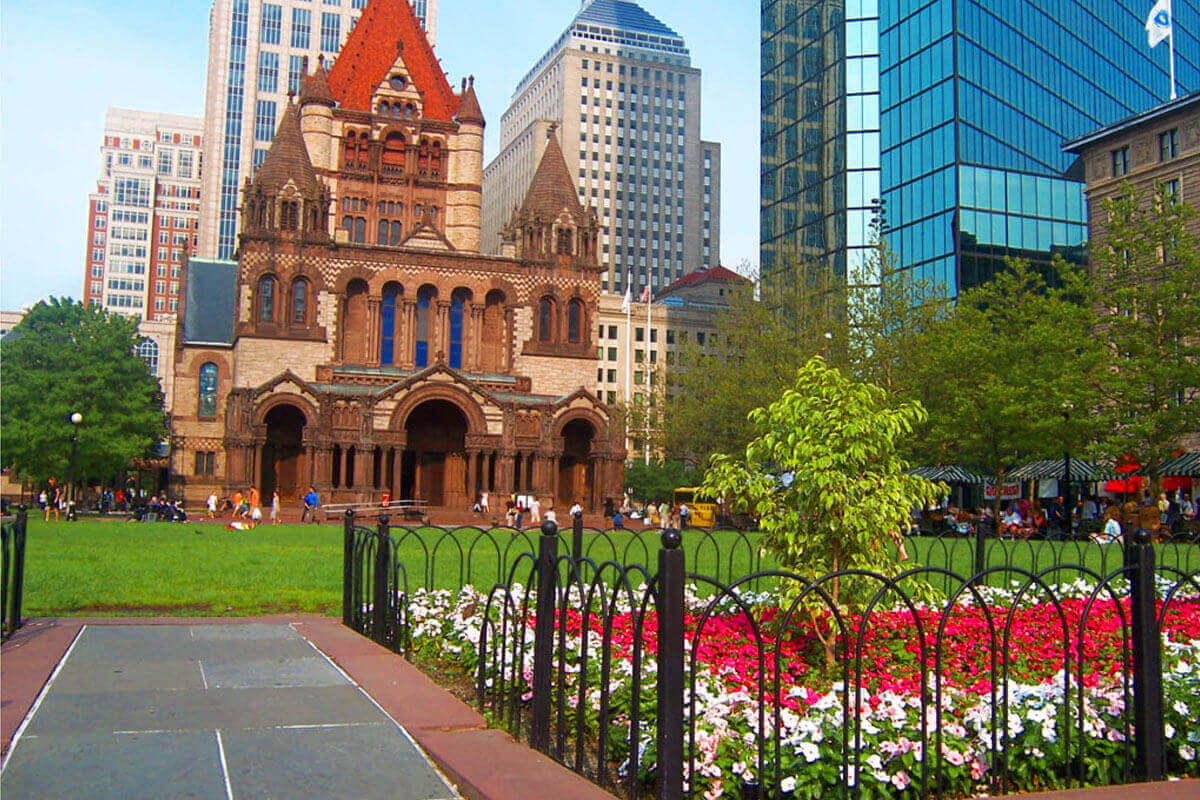
The neighborhood is celebrated for its stunning Victorian brownstone architecture, meticulously preserved and reflecting the opulence of the late 19th century. Walking down streets like Commonwealth Avenue, with its grand mansions and central mall, feels like stepping back in time. Architectural masterpieces abound, including the Romanesque Trinity Church and the contemporary glass facade of the John Hancock Tower (now known as 200 Clarendon Street), both framing the iconic Copley Square. The Boston Public Library, a landmark in its own right, showcases exquisite Renaissance Revival architecture and serves as a cultural beacon.
World-Class Shopping and Dining
Back Bay is a paradise for shoppers and food enthusiasts. Newbury Street is arguably Boston’s most famous shopping destination, a picturesque avenue lined with high-end boutiques, art galleries, cafes, and restaurants housed in renovated brownstones. From luxury brands to independent shops, there’s something for every taste and budget. For a more traditional mall experience, the Prudential Center and Copley Place offer an array of department stores, brand-name retailers, and diverse dining options, all interconnected for easy, weather-protected access. The culinary scene is equally diverse, ranging from casual eateries to upscale dining experiences, reflecting Boston’s status as a gastronomic hotspot.
Green Spaces and Cultural Gems
Beyond its urban sophistication, Back Bay offers serene green spaces and significant cultural institutions. The Public Garden, with its famous Swan Boats and vibrant flowerbeds, provides an idyllic escape, especially beautiful in spring and summer. The Charles River Esplanade is perfect for a leisurely stroll, jog, or bike ride, offering stunning views of the city skyline and the river activity. Cultural attractions are plentiful; while the main Museum of Fine Arts and Isabella Stewart Gardner Museum are slightly west of Back Bay, they are easily accessible, and the Boston Public Library itself hosts numerous exhibitions and events.
Planning Your Back Bay Experience
To truly make the most of your travel to Back Bay, consider these practical tips.
Best Time to Visit
Back Bay, like much of Boston, shines in the spring (April-May) and fall (September-October). Spring brings blooming flowers to the Public Garden and comfortable temperatures for walking. Fall boasts the iconic New England foliage, turning the trees along Commonwealth Avenue and the Esplanade into a spectacular display of colors. Summer (June-August) is also popular, with outdoor dining and events, though it can be warm and humid. Winter (November-March) offers a quieter, often snow-covered charm, but requires bundling up.
Recommended Itineraries
- Half-Day Explorer: Start at the Public Garden, stroll down Commonwealth Avenue for architectural admiration, then explore the shops and cafes of Newbury Street. Conclude with a visit to Copley Square to see Trinity Church and the Boston Public Library.
- Full-Day Immersion: Expand the half-day itinerary by adding an extended visit to the Boston Public Library (including a tour), a leisurely walk or bike ride along the Charles River Esplanade, and a more extensive shopping and dining experience on Newbury Street or at the Prudential Center. Consider catching a show at a nearby theater or enjoying dinner with a view.
- Cultural Deep Dive: Dedicate time to the Boston Public Library, and then venture slightly out of Back Bay to the Museum of Fine Arts or the Isabella Stewart Gardner Museum, both easily accessible by the Green Line.
Where to Stay
Back Bay is home to some of Boston’s most prestigious hotels, offering a range of luxury and boutique accommodations. Staying within the neighborhood puts you within walking distance of many attractions and provides excellent access to public transportation. From classic grand hotels to modern high-rises, options abound to suit various preferences and budgets, ensuring a comfortable and convenient base for your Boston adventure.
In essence, Back Bay is not merely a geographic location but a destination brimming with character, beauty, and activity. Its central position, ease of access, and wealth of attractions make it an indispensable part of any Boston travel plan. Understanding “Where is Back Bay?” is the first step toward discovering one of New England’s most captivating urban experiences.
LifeOutOfTheBox is a participant in the Amazon Services LLC Associates Program, an affiliate advertising program designed to provide a means for sites to earn advertising fees by advertising and linking to Amazon.com. Amazon, the Amazon logo, AmazonSupply, and the AmazonSupply logo are trademarks of Amazon.com, Inc. or its affiliates. As an Amazon Associate we earn affiliate commissions from qualifying purchases.