
For many, the mention of Alabama might conjure images of bustling cities like Birmingham or historic landmarks in Montgomery. Yet, the heart of the state holds countless hidden gems, destinations that offer a different pace and a unique kind of charm for the discerning traveler. One such place, often overlooked but rich in natural beauty and historical significance, is Bibb County. Travelers seeking an authentic slice of the American South, away from typical tourist throngs, frequently find themselves asking: “Where exactly is Bibb County, Alabama?” This article aims to pinpoint its location, unveil its distinctive character, and elaborate on why this particular corner of the state serves as an enticing, albeit understated, travel destination. Its allure lies in its pristine rivers, dense forests, and the quiet dignity of its small towns, inviting those who appreciate the unspoiled and the genuinely local.
Pinpointing Bibb County’s Place on the Map
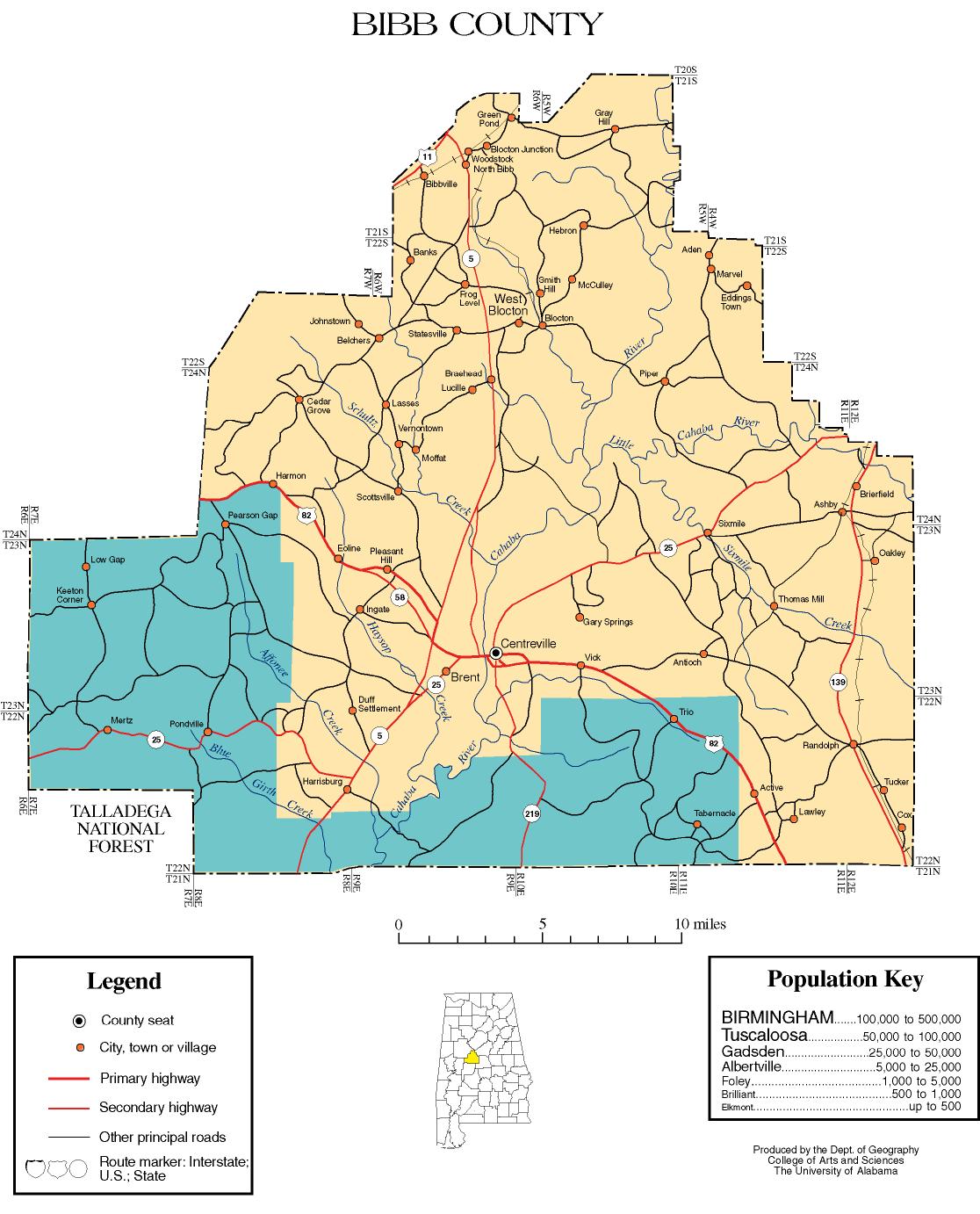
Understanding where Bibb County is situated geographically is the first step in appreciating its role as a potential travel destination. Located in the central part of Alabama, it occupies a strategic position that blends accessibility with a sense of rural escape. Its proximity to major urban centers, combined with its distinct natural boundaries, defines its identity and contributes to its unique appeal for those looking to explore beyond the well-trodden paths.
Geographical Coordinates and Surrounding Counties
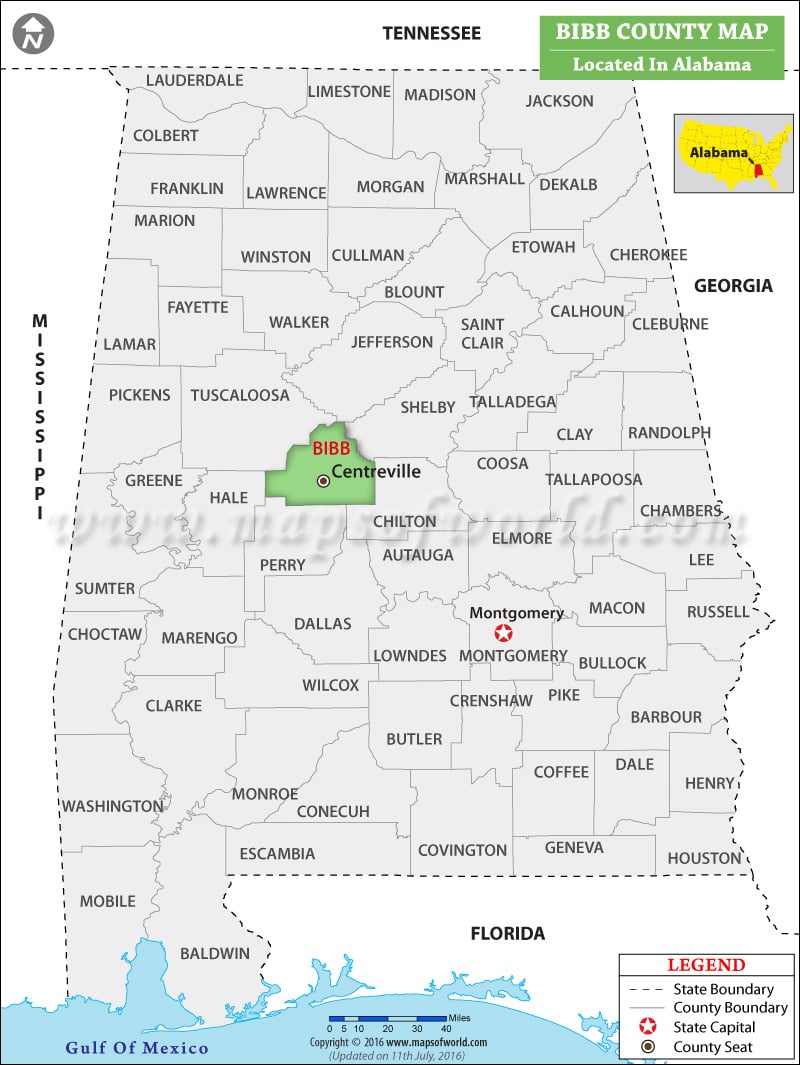
Bibb County is nestled squarely in the central Alabama region, placing it southwest of Birmingham and northwest of Montgomery. Its county seat, Centreville, serves as the governmental and commercial hub, a testament to its central location within the county. Geographically, Bibb County stretches across diverse terrain, characteristic of the transition between the Appalachian foothills and the Gulf Coastal Plain. Its precise coordinates place it roughly between 32.7 degrees and 33.3 degrees North latitude, and 87.0 degrees and 87.5 degrees West longitude. This position means it benefits from a temperate climate, experiencing all four distinct seasons, each offering a different facet of its natural beauty for visitors to enjoy.
The county is bordered by a series of other Alabama counties, each contributing to its regional identity and historical context. To its north lies Tuscaloosa County and Jefferson County, the latter home to Birmingham. Shelby County borders it to the east, while Chilton County and Perry County are to the southeast and southwest, respectively. To the west, it shares a boundary with Hale County. This constellation of neighboring counties means that Bibb County is well-integrated into the larger central Alabama region, allowing travelers to combine a visit here with explorations of surrounding areas, thereby enriching their overall travel experience.
Access and Connectivity
Despite its rural character, Bibb County is remarkably accessible, making it an ideal destination for weekend getaways or longer, contemplative trips. The county is traversed by several key roadways that link it to Alabama’s larger transportation network. Interstate 20/59 runs just north of the county, providing a direct arterial link to Birmingham and points further north, as well as to Tuscaloosa and onward to Mississippi to the west. Meanwhile, U.S. Highway 82 cuts directly through the heart of the county, connecting Centreville and Brent to Tuscaloosa in the west and providing a route toward Montgomery in the east.
Additionally, State Route 25 and State Route 5 offer crucial north-south arteries, linking the various communities within Bibb County and connecting them to adjacent regions. For travelers arriving by air, the nearest major airport is Birmingham-Shuttlesworth International Airport (BHM), which is approximately an hour’s drive from Centreville. This robust road network ensures that, once visitors arrive in Alabama, reaching Bibb County is a straightforward and scenic journey, setting the tone for the tranquil experiences that await within its borders. The relative ease of access is a significant advantage for travelers looking for an authentic Southern experience without venturing too far off the beaten path.
A Glimpse into Bibb County’s Unique Character as a Travel Destination
Bibb County’s identity as a travel destination is deeply rooted in its unspoiled natural landscapes and its collection of charming, historically rich towns. It offers a contrasting experience to the urban centers, appealing to those who seek peace, outdoor adventure, and a genuine connection with local culture and history. The county provides a tranquil backdrop for relaxation and exploration, making it a compelling choice for a specific type of traveler.
Natural Beauty and Outdoor Appeal
The crown jewel of Bibb County’s natural landscape is undoubtedly the Cahaba River. Renowned as one of the most biodiverse rivers in North America, the Cahaba is a marvel for nature enthusiasts and a prime reason to visit the area. It is home to a staggering array of aquatic species, including a unique collection of freshwater mussels and snails, and notably, the rare Cahaba lily. Traveling to Bibb County often means planning activities around this majestic waterway: kayaking, canoeing, fishing, or simply enjoying the serene beauty from its banks. The river’s pristine waters and verdant riparian zones offer exceptional opportunities for wildlife viewing, birdwatching, and photography, providing a refreshing escape into nature’s embrace.
Beyond the river, a significant portion of the county is covered by the Oakmulgee Division of the Talladega National Forest. This expansive forestland is a haven for hikers, campers, and hunters, featuring miles of trails that wind through old-growth timber, across rolling hills, and alongside clear streams. The Pinhoti Trail, a long-distance hiking trail, has sections that traverse this region, attracting dedicated trekkers. The forest provides a rich habitat for deer, wild turkeys, and a variety of smaller mammals and birds, making it an ideal spot for ecotourism. Its natural areas allow travelers to disconnect from the modern world and immerse themselves in the quiet grandeur of the Southern wilderness, fostering a profound sense of rejuvenation.
Quaint Towns and Community Charm
Bibb County is dotted with several small towns, each possessing its own unique character and contributing to the overall charm of the region. Centreville, as the county seat, offers a glimpse into local government, small businesses, and community life. Its historic downtown area, though modest, provides a sense of the past with its classic Southern architecture and local eateries. Brent, adjacent to Centreville, shares many of its characteristics, offering a combined experience of local commerce and residential tranquility.
Further north, Woodstock and West Blocton tell tales of the county’s industrial past, particularly its coal mining heritage. West Blocton, in particular, is known for its historic coke ovens, remnants of an industry that once fueled the region’s economy. These towns offer travelers a chance to interact with locals, explore small-town shops, and perhaps uncover antique treasures or locally crafted goods. They embody the authentic, unhurried pace of rural Alabama, where community events, local festivals, and genuine Southern hospitality are part of the everyday fabric. Visiting these towns is not just about sightseeing; it’s about experiencing a way of life that values community, history, and the simple pleasures, making Bibb County an inviting destination for those seeking genuine cultural immersion.

Historical Echoes and Heritage for the Curious Traveler
For the historically inclined traveler, Bibb County offers a compelling narrative, weaving together stories of Native American heritage, early American settlement, and the industrial boom of the 19th and early 20th centuries. Its landscape is dotted with markers and sites that speak to a rich and complex past, making it a valuable destination for those who wish to delve deeper into Alabama’s history.
Tracing Bibb County’s Past
The land that is now Bibb County was originally inhabited by various Native American tribes, predominantly the Creek Nation and Choctaw. Their presence shaped the early landscape and left an indelible mark on the region, influencing its early trails and place names. With the arrival of European settlers in the late 18th and early 19th centuries, the area began to transform. Bibb County itself was established in 1818, just a year before Alabama achieved statehood, making it one of the oldest counties in the state. Named after Dr. William Wyatt Bibb, Alabama’s first governor, its formation heralded an era of growth centered on agriculture, particularly cotton, and the nascent iron and coal industries.
The 19th century saw the rise of numerous small communities, many of which were tied to the extraction of mineral resources. The discovery of coal and iron ore deposits led to the development of mining towns and significant industrial activity. These industries played a crucial role in the economic development of central Alabama, linking Bibb County to larger industrial networks and contributing to the state’s eventual industrial prominence. Traces of this past are still visible today, offering a tangible connection to the lives and labors of previous generations. For a traveler, understanding this historical evolution provides a richer context for exploring the landscapes and communities that exist today.
Preserving Legacy: Historical Sites and Markers
Bibb County takes pride in preserving its legacy, offering several sites that invite travelers to step back in time. The most notable example is the Brierfield Ironworks Historical State Park, located near the community of Brierfield. This park is a testament to Alabama’s significant role in the iron industry, particularly during the Civil War era when its furnaces produced vital materials for the Confederacy. Visitors can explore the remnants of the ironworks, including reconstructed buildings, furnace ruins, and a museum that vividly narrates the history of the site and the lives of those who worked there. It’s a poignant reminder of the industrial might and human effort that shaped the region.
In West Blocton, the historic coke ovens stand as impressive, albeit silent, witnesses to the area’s coal mining heritage. These beehive-shaped ovens, once used to convert coal into coke for the iron furnaces, are a unique architectural and historical feature, offering a glimpse into the arduous lives of miners and the industrial processes of the past. Beyond these specific sites, many of Bibb County’s older buildings, churches, and cemeteries hold stories waiting to be discovered, offering travelers an opportunity to engage with the past on a more intimate level. For those with an interest in American history, particularly the industrial and Civil War eras, Bibb County presents a layered and insightful narrative, transforming a simple journey into a meaningful historical exploration.
Planning Your Journey to Bibb County
Embarking on a trip to Bibb County, Alabama, promises a different kind of travel experience – one focused on natural beauty, historical depth, and the quiet charm of the South. To make the most of your visit, a bit of planning regarding the best time to go and how to navigate the region will significantly enhance your adventure.
Best Time to Visit
The temperate climate of central Alabama means Bibb County is a welcoming destination throughout much of the year, but specific seasons offer distinct advantages depending on your travel preferences.
- Spring (March to May): This is arguably the most picturesque time to visit. The weather is generally mild and pleasant, ideal for outdoor activities like hiking, kayaking on the Cahaba River, and exploring the national forest. The highlight of spring is the blooming of the Cahaba lilies, typically from mid-May to early June, which draws nature photographers and enthusiasts from afar. The forests are lush, and the wildlife is active, making it perfect for nature observation.
- Summer (June to August): Summers can be hot and humid, but they are also excellent for water-based activities. The Cahaba River becomes a popular spot for swimming, tubing, and fishing. Early mornings and late afternoons are best for hiking to avoid the midday heat. Local festivals and community events often take place during the summer, offering a taste of local culture.
- Autumn (September to November): Fall brings cooler temperatures and stunning foliage, transforming the forests into a vibrant tapestry of reds, oranges, and yellows. This season is perfect for scenic drives, hiking, and enjoying the crisp air. It’s also a popular time for hunting in the Talladega National Forest. The comfortable weather makes it conducive for exploring historical sites like the Brierfield Ironworks.
- Winter (December to February): Winters are generally mild, with occasional cold snaps. While some outdoor activities might be limited by colder temperatures or potential rain, it can be a tranquil time to visit for those seeking solitude. The leafless trees offer different perspectives of the landscape, and indoor historical explorations are always an option.
Considering your primary interests – whether it’s the Cahaba lilies, active water sports, or autumnal hikes – will help you determine the optimal time for your Bibb County adventure.
Getting Around
Once you arrive in Bibb County, a personal vehicle is highly recommended, if not essential, for exploring the region. Public transportation options are extremely limited, reflecting the rural nature of the area. Renting a car from Birmingham-Shuttlesworth International Airport (BHM) or other nearby urban centers would be the most practical approach.
The county’s road network, primarily composed of U.S. and State Highways, along with well-maintained county roads, makes navigation relatively straightforward. GPS and mapping applications work reliably in most areas, though it’s always wise to have a physical map or downloaded offline maps, especially when venturing into the more remote parts of the Talladega National Forest. For those planning river activities, local outfitters often provide shuttles or guidance for canoe and kayak trips. When exploring the towns, walking is the best way to soak in the local atmosphere and discover hidden gems. Whether you’re driving along a scenic byway or venturing onto a forest trail, a sense of adventure and readiness for exploration will be your best companions in Bibb County.
In conclusion, Bibb County, Alabama, may not be the first name that comes to mind when planning a trip to the United States, but for travelers seeking a profound connection with nature, a deep dive into Southern history, and an experience of genuine small-town hospitality, it stands out as a rewarding destination. Its pristine waterways, expansive forests, and historical markers offer a compelling narrative of Alabama’s past and present, all wrapped in an accessible yet secluded package. By understanding its location and what it offers, travelers can uncover a truly authentic and enriching journey in the heart of the South.
LifeOutOfTheBox is a participant in the Amazon Services LLC Associates Program, an affiliate advertising program designed to provide a means for sites to earn advertising fees by advertising and linking to Amazon.com. Amazon, the Amazon logo, AmazonSupply, and the AmazonSupply logo are trademarks of Amazon.com, Inc. or its affiliates. As an Amazon Associate we earn affiliate commissions from qualifying purchases.