
Nestled high in the San Bernardino Mountains of Southern California, Big Bear is a jewel among mountain destinations, offering a picturesque escape from the bustling city life below. Often referred to simply as Big Bear, this popular resort community encompasses two distinct municipalities: Big Bear Lake, which is the vibrant heart of the area with its charming Big Bear Lake Village and main attractions, and Big Bear City, a more residential area to the east. The question “Where is Big Bear California?” points not just to a spot on a map, but to a versatile destination that promises adventure, relaxation, and unforgettable experiences throughout all four seasons.
With an elevation of approximately 6,750 feet (2,058 meters) above sea level, Big Bear offers a refreshing change of pace and climate. It’s a place where pine-scented air invigorates the senses, where pristine lake waters reflect towering peaks, and where a sense of community thrives amidst natural beauty. Whether you’re a thrill-seeker drawn to the slopes, a nature lover eager to explore hiking trails, or simply seeking a tranquil retreat, understanding its precise location and how to get there is the first step towards planning an idyllic getaway. This article will guide you through Big Bear’s geographical context, its diverse offerings, and essential tips for experiencing this beloved Golden State treasure.
Unveiling Big Bear’s Majestic Location
Big Bear’s allure begins with its prime location. Perched within the expansive San Bernardino National Forest, it benefits from a diverse ecosystem, stunning panoramas, and a tranquil atmosphere that feels worlds away from urban sprawl, yet remains remarkably accessible.
Nestled in the San Bernardino Mountains
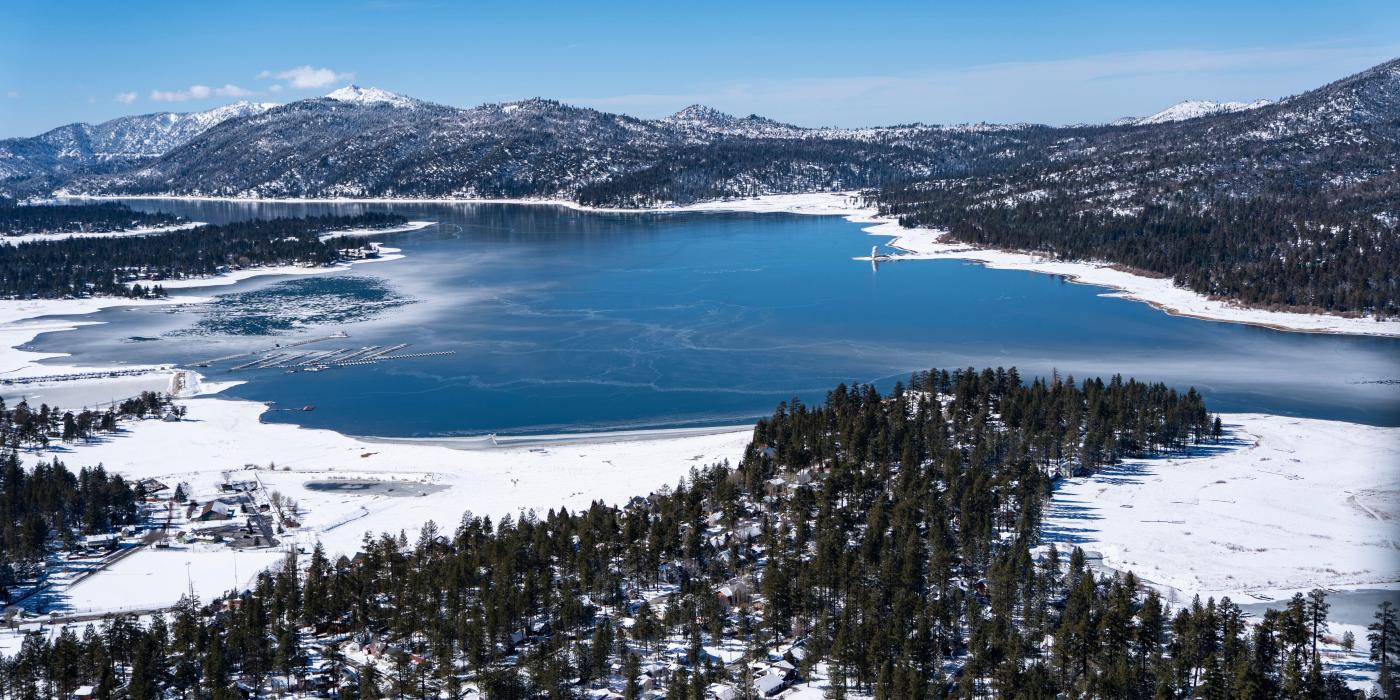
The San Bernardino Mountains are a majestic range forming part of the Transverse Ranges system in Southern California. Big Bear is centrally located within these mountains, providing it with a distinctly alpine environment. The centerpiece of the region is Big Bear Lake itself – a seven-mile-long, man-made lake that serves as the focal point for numerous recreational activities. The lake was originally formed by the construction of a dam in the late 19th century, creating a vital water source and a stunning backdrop for the surrounding communities.
The immediate surroundings of Big Bear are characterized by dense pine forests, rugged terrain, and a rich variety of wildlife. This elevation ensures a distinct four-season climate, setting it apart from the often arid or temperate conditions found in other parts of California. Winter brings abundant snowfall, transforming the landscape into a winter wonderland, while summer offers warm, sunny days perfect for lake and mountain adventures. The fall foliage provides a spectacular display of colors, and spring ushers in vibrant wildflowers and burgeoning life. This unique mountainous setting within easy reach of millions of residents makes Big Bear a coveted destination for both short breaks and extended stays.
Accessibility from Southern California’s Major Hubs
One of Big Bear’s greatest advantages is its convenient accessibility from major metropolitan areas across Southern California, making it a popular weekend getaway. Driving is the primary mode of transportation to Big Bear, with several scenic routes winding up the mountainside.
- From Los Angeles and Orange County: Big Bear is approximately a two to three-hour drive, depending on traffic and specific starting points. The most common routes involve taking the I-10 East to California State Route 330 North, which then connects to California State Route 18 (the “Rim of the World Highway”) leading directly into Big Bear. An alternative is California State Route 38, a longer but often less congested and equally scenic route, especially popular during heavy traffic periods or snow.
- From San Diego: The drive typically takes around three hours. Visitors from San Diego will often take I-15 North to the I-215 North, eventually connecting to California State Route 330 or California State Route 38.
- From the Inland Empire (e.g., Riverside, San Bernardino, Ontario): Big Bear is even closer, often just a one to two-hour drive, making it an ideal day trip destination for many.
It’s important for travelers to be aware of mountain driving conditions, especially during winter months when snow chains may be required by law. Always check road conditions before departing, particularly during inclement weather, as routes can occasionally be temporarily closed for safety. Despite the winding roads, the journey itself is part of the experience, offering breathtaking vistas as you ascend into the high country.
A Four-Season Playground: What Big Bear Offers
Big Bear’s identity as a premier travel destination stems from its incredible versatility, catering to a wide array of interests regardless of the time of year. Its robust tourism infrastructure supports a vibrant economy built around outdoor recreation, hospitality, and local culture.
Winter Wonderland: Skiing, Snowboarding, and More
When winter blankets the San Bernardino Mountains in a thick layer of snow, Big Bear truly transforms into a winter wonderland, attracting visitors from across the globe. It’s home to two of Southern California’s most popular ski resorts:
- Snow Summit: Known for its beautifully groomed runs, diverse terrain suitable for all skill levels, and excellent snowmaking capabilities. Snow Summit is also famous for its scenic sky chair rides, which operate year-round, offering spectacular views even when the snow isn’t falling.
- Bear Mountain: This resort is a haven for snowboarders and freestyle skiers, boasting extensive terrain parks, half-pipes, and a more rugged, natural terrain experience. The two resorts are connected by a free shuttle service, allowing visitors to easily enjoy both.
Beyond skiing and snowboarding, winter in Big Bear offers a plethora of activities. Families flock to tubing parks for exhilarating downhill slides, while others enjoy ice skating at the outdoor rinks in Big Bear Lake Village. Snowshoeing and cross-country skiing trails wind through the silent, snow-laden forests, offering a serene way to experience the season’s beauty. For those seeking unique thrills, helicopter tours provide unparalleled aerial views of the snow-covered peaks and frozen lake.
Summer Adventures: Lake Activities and Mountain Trails
As the snow melts and the sun graces the mountain peaks, Big Bear Lake comes alive with summer energy. The lake itself becomes a hub of activity, inviting visitors to partake in an extensive range of water sports. Boating is immensely popular, with options for pontoon boats, speedboats, jet skis, and even fishing boats available for rent. Anglers can try their luck catching trout, bass, and catfish, often participating in local fishing tournaments. Kayaking, paddleboarding, and canoeing offer a more tranquil way to explore the lake’s coves and shoreline, including scenic spots like Boulder Bay Park.
Away from the water, the surrounding San Bernardino National Forest transforms into a hiker’s paradise. Hundreds of miles of trails cater to all fitness levels, from gentle lakeside strolls to challenging climbs that reward with panoramic views. Popular trails include:
- Cougar Crest Trail: A moderate hike offering stunning views of Big Bear Lake and connecting to the famous Pacific Crest Trail.
- Castle Rock Trail: A steeper, more strenuous climb leading to impressive rock formations and expansive vistas.
- Pine Knot Trail: A well-maintained path popular with both hikers and mountain bikers, offering scenic forest views.
Mountain biking is another major draw, with trails ranging from beginner-friendly paths to expert downhill runs, many accessible via the Snow Summit sky chair. Ziplining, off-roading adventures (especially in areas like Holcomb Valley), and even horseback riding contribute to Big Bear’s reputation as an outdoor adventure capital. The Big Bear Discovery Center serves as an excellent starting point for explorers, offering maps, educational exhibits, and information on local flora and fauna.
Year-Round Charm: The Village and Wildlife
Beyond the seasonal sports, Big Bear retains a captivating charm throughout the year, primarily centered around Big Bear Lake Village. This picturesque area is the social and commercial heart of the community, featuring a delightful collection of boutique shops, art galleries, and diverse restaurants. Strolling through the village, visitors can enjoy everything from cozy cafes to upscale dining experiences, catering to various tastes and preferences. Live music, seasonal festivals, and community events often fill the village square, creating a lively atmosphere.
A unique and heartwarming attraction is the Big Bear Alpine Zoo, which serves as a rehabilitation facility for injured, orphaned, and abandoned wild animals, with the goal of releasing them back into their natural habitats. Those animals that cannot be returned to the wild find a permanent home at the zoo, allowing visitors to see and learn about native California wildlife such as bears, eagles, and wolves up close. It’s a wonderful educational experience for families and a testament to the community’s commitment to wildlife conservation. The scenic Fawnskin area on the north shore also offers a quieter alternative with beautiful views and access to the Discovery Center.

Planning Your Big Bear Escape: Accommodation and Travel Tips
To fully enjoy everything Big Bear has to offer, careful planning regarding accommodation, travel logistics, and local insights is essential. The destination caters to a wide range of budgets and preferences, ensuring a comfortable stay for every visitor.
Finding Your Perfect Big Bear Accommodation
Accommodation in Big Bear is as diverse as its activities, ranging from rustic cabins to luxurious resorts, perfect for any traveler whether seeking adventure, relaxation, or a family-friendly environment.
- Cabins and Vacation Rentals: These are the most popular choices, offering a quintessential mountain experience. From cozy one-bedroom retreats to expansive multi-room lodges, vacation rentals provide amenities like fully equipped kitchens, fireplaces, hot tubs, and stunning views. Websites like Airbnb and VRBO are popular for finding these, as are local property management companies specializing in Big Bear.
- Hotels and Resorts: For those preferring traditional hotel services, options like The Lodge at Big Bear Lake offer standard rooms, suites, and sometimes resort-style amenities such as pools, fitness centers, and on-site dining. Big Bear Frontier is another popular choice, offering a mix of hotel rooms and cabin-style lodging with lake access. There are also several charming Boutique Hotels offering unique experiences.
- Budget-Friendly Options: Motels and smaller lodges provide more economical choices, often located conveniently close to major attractions. Camping is also a viable option during warmer months, with several campgrounds available within the San Bernardino National Forest.
Booking in advance is highly recommended, especially during peak seasons (winter ski season, summer holidays, and major festivals) when demand is high and prices can escalate. Comparing prices and amenities across different platforms and types of accommodation can help secure the best deal for your specific needs.
Essential Travel Information and Local Insights
Navigating Big Bear can be made even smoother with a few key travel tips:
- Best Time to Visit: This depends entirely on your desired activities. Winter (December to March) is ideal for snow sports. Summer (June to August) is perfect for lake activities and hiking. Spring (April to May) and Fall (September to November) offer milder weather, fewer crowds, and beautiful scenery, great for hiking and enjoying the serene environment.
- Packing Essentials: Regardless of the season, layered clothing is always a good idea due to fluctuating mountain temperatures. In winter, waterproof outerwear, gloves, hats, and sturdy boots are crucial. In summer, swimwear, sun protection, and comfortable hiking shoes are a must.
- Transportation within Big Bear: Once you arrive, a car is generally recommended for exploring the wider area, though a free trolley service operates in the Big Bear Lake area. Parking is generally available, though it can be scarce in the Big Bear Lake Village during peak times.
- Altitude Sickness: Given Big Bear’s elevation, some visitors may experience mild altitude sickness symptoms such as headaches or dizziness. Staying hydrated and taking it easy on your first day can help.
- Local Etiquette: Big Bear locals are proud of their community and natural surroundings. Practicing Leave No Trace principles, respecting wildlife, and supporting local businesses contributes to a positive experience for everyone.
For dining, the Big Bear Lake Village offers a wide selection, from casual eateries to fine dining. Don’t miss local favorites like Grizzly Manor Cafe for breakfast or Nottingham’s Tavern for pub fare and a lively atmosphere. Many restaurants feature patios perfect for enjoying the mountain air.
Beyond the Slopes and Shores: Embracing the Big Bear Lifestyle
Big Bear is more than just a location; it’s a lifestyle destination that caters to diverse tastes, fostering a vibrant local culture and an appreciation for its natural splendor.
Family Fun and Romantic Retreats
Big Bear’s versatility makes it an ideal destination for various types of travelers. Families will find endless entertainment, from the gentle slopes of the beginner ski areas and tubing parks to summer lake adventures and the educational Big Bear Alpine Zoo. Many accommodations are family-friendly, offering ample space and amenities. Specialized kids’ programs at the ski resorts ensure that even the youngest visitors have a memorable and safe experience.
Couples seeking a romantic getaway will also discover Big Bear to be perfectly suited for their needs. The charming cabins with fireplaces, scenic lakeside walks, intimate dining experiences in the village, and tranquil spa services create an idyllic setting for connection and relaxation. Stargazing under the clear mountain skies, enjoying a sunset cruise on Big Bear Lake, or simply unwinding together in a private hot tub are just a few ways to embrace the romantic ambiance. Whether it’s an adventurous honeymoon or a peaceful anniversary trip, Big Bear provides the perfect backdrop.
Culinary Delights and Local Flavors
The culinary scene in Big Bear is surprisingly diverse for a mountain town, offering everything from hearty breakfast joints to gourmet dining. The emphasis is often on comfort food with a mountain twist, but international flavors are also well-represented. Many restaurants source local ingredients where possible, reflecting a commitment to freshness and supporting regional producers. Cafes offer a cozy spot to warm up with a hot beverage after a day on the slopes, while lakeside restaurants provide stunning views to accompany your meal. Seasonal events, such as farmers’ markets and food festivals, also highlight local produce and artisan crafts, allowing visitors to taste the true flavors of the region. From the casual charm of Grizzly Manor Cafe for a filling breakfast to the more refined ambiance of a village bistro, there’s a dining experience to satisfy every craving and occasion.
Preserving the Natural Beauty
A core aspect of the Big Bear lifestyle and tourism philosophy is a deep respect for its pristine natural environment. The community actively promotes sustainable tourism practices, encouraging visitors to embrace the “Leave No Trace” principles. This includes staying on marked trails, properly disposing of waste, respecting wildlife, and minimizing environmental impact. Efforts are made to maintain the health of Big Bear Lake through conservation programs and to protect the vast San Bernardino National Forest that surrounds it. Local organizations and the Big Bear Discovery Center play crucial roles in educating visitors about the importance of ecological preservation. This commitment ensures that Big Bear remains a beautiful and healthy destination for generations to come, allowing future visitors to experience the same breathtaking landscapes and abundant recreation that draws so many to this special part of North America.
In conclusion, “Where is Big Bear California?” is a question that opens the door to discovering a dynamic mountain retreat. Its location in the San Bernardino Mountains, its accessibility from major Southern California cities, and its year-round appeal make it an unparalleled destination for travel, accommodation, and a memorable lifestyle experience in the heart of America’s premier western state.
LifeOutOfTheBox is a participant in the Amazon Services LLC Associates Program, an affiliate advertising program designed to provide a means for sites to earn advertising fees by advertising and linking to Amazon.com. Amazon, the Amazon logo, AmazonSupply, and the AmazonSupply logo are trademarks of Amazon.com, Inc. or its affiliates. As an Amazon Associate we earn affiliate commissions from qualifying purchases.