
Nestled in the remote and rugged frontier of West Texas, the Big Bend region stands as a testament to the raw, untamed beauty of the American Southwest. Far from the bustling metropolises, this vast expanse of desert, mountains, and river offers an unparalleled escape into a landscape shaped by ancient forces and vibrant ecosystems. It’s a destination that beckons adventurers, nature lovers, and anyone seeking solace amidst breathtaking panoramas and starry night skies. But for many, the initial question remains: exactly “Where is Big Bend in Texas?”
This comprehensive guide will not only pinpoint the geographical heart of this iconic region but also delve into its diverse attractions, the journey required to reach its majestic embrace, and the myriad of experiences and accommodations that await those who venture into its depths. From detailed travel itineraries and essential preparation tips to insights into its unique landmarks and the lifestyle it offers, we aim to provide everything you need to plan an unforgettable journey to one of Texas’s most cherished natural treasures.

Unveiling the Enigma: Pinpointing Big Bend’s Location
The allure of Big Bend often lies in its very remoteness, a characteristic that defines its wild beauty and preserves its pristine environment. Understanding its precise location is the first step in unlocking the adventure it promises.
A Remote Frontier in West Texas
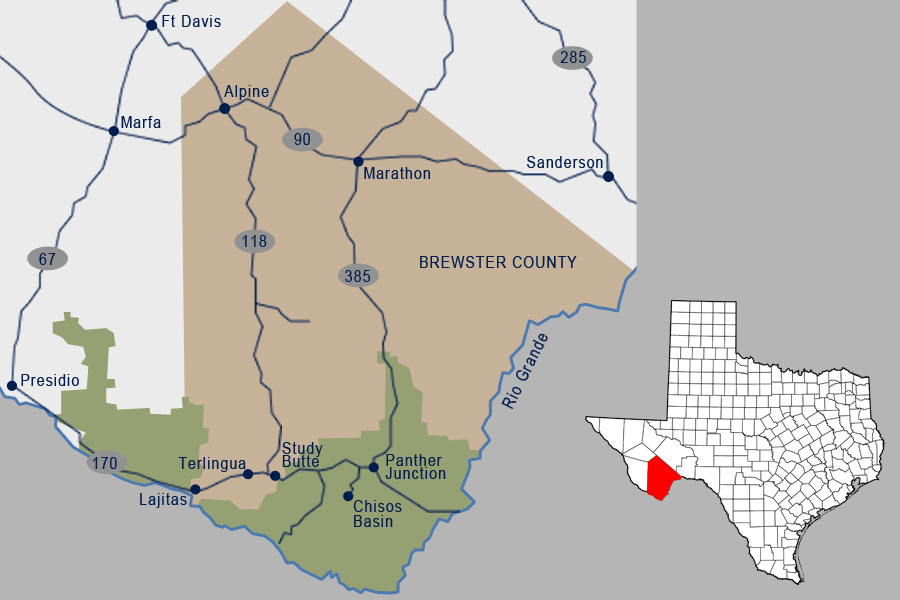
Big Bend is situated deep within the Chihuahuan Desert, a vast arid region covering parts of the United States and Mexico. Specifically, it occupies the southwestern corner of Texas, forming a natural border with Mexico along the meandering course of the Rio Grande. This strategic positioning gives the region its name, referring to the dramatic bend in the river that delineates the international boundary.
While there isn’t a single “Big Bend” city, the region encompasses a constellation of smaller, often historic, communities that serve as gateways and service hubs. These include the quaint and artistic town of Marfa, known for its mysterious lights and vibrant arts scene, the academic and ranching hub of Alpine, the historic frontier outpost of Fort Davis, and the charming railroad town of Marathon. Further into the heart of the region, near the national park’s entrance, you’ll find the quirky ghost town of Terlingua and the resort community of Lajitas. These towns, though small, provide essential amenities, accommodations, and a taste of local West Texas culture for travelers exploring the vast landscapes.
The nearest major cities are hundreds of miles away, emphasizing the area’s isolated charm. El Paso lies roughly 300 miles to the northwest, while San Antonio is about 400 miles to the east. This significant distance from urban centers ensures minimal light pollution, contributing to Big Bend’s reputation as one of the best places on Earth for stargazing, and offering an escape from the hustle and bustle that is increasingly rare in our modern world.
The Dual Majesty: National Park vs. State Park
When people refer to Big Bend, they are typically speaking about two distinct, yet equally magnificent, protected areas: Big Bend National Park and Big Bend Ranch State Park. While both preserve the stunning beauty of the Chihuahuan Desert and the Rio Grande, they offer unique experiences and are managed differently.
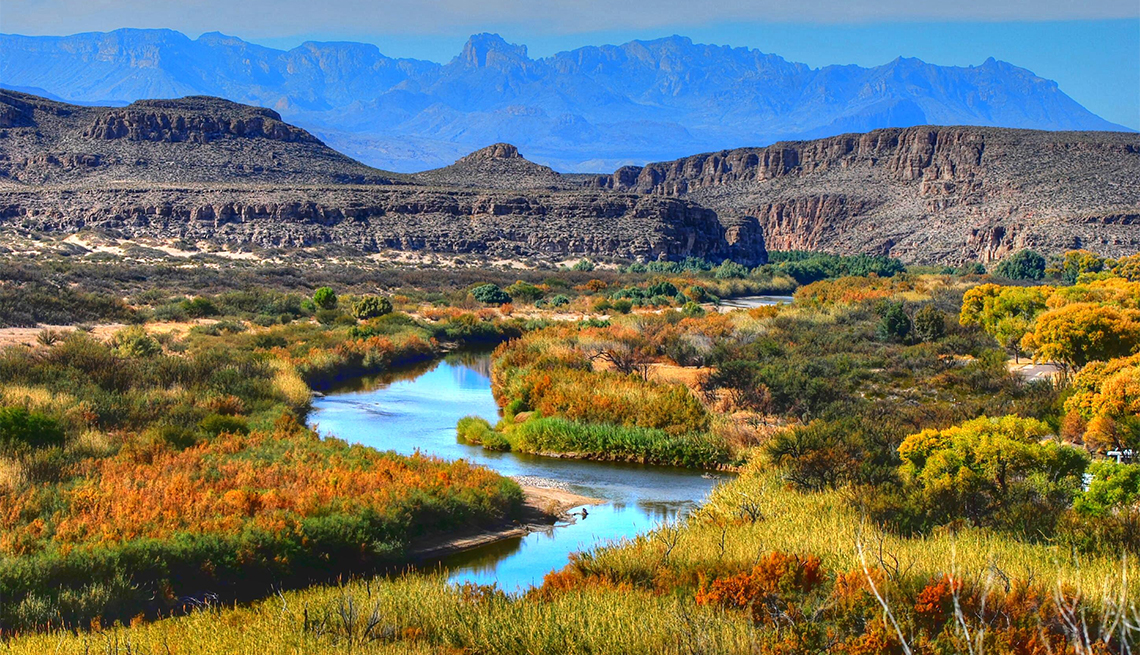
Big Bend National Park, established in 1944, is the crown jewel of the region. It encompasses over 800,000 acres, making it one of the largest and least visited national parks in the contiguous United States. The park is renowned for its incredible geological diversity, featuring rugged mountain ranges (most notably the Chisos Mountains), vast desert expanses, and the life-giving ribbon of the Rio Grande carving dramatic canyons. Its unique ecosystem supports an astonishing array of plant and animal life, including many species found nowhere else in the United States. Visitors to the National Park can expect well-maintained roads, visitor centers with ranger programs, and a wide range of developed hiking trails and campgrounds.
West of the National Park lies Big Bend Ranch State Park, often referred to as “the other Big Bend.” At over 300,000 acres, it is the largest state park in Texas and provides an even more primitive and rugged experience. This park appeals to those seeking a truly off-the-beaten-path adventure, with fewer paved roads and more challenging backcountry trails. The State Park boasts its own stunning stretches of the Rio Grande and offers unparalleled opportunities for mountain biking, equestrian activities, and remote camping. While amenities are more basic, the reward is an even deeper immersion into the raw, untouched wilderness.
Understanding the distinction between these two parks is crucial for planning your itinerary, as each offers different levels of infrastructure, activities, and solitude. Together, they form an expansive and unparalleled natural wonderland in the heart of West Texas.
Journeying to the Heart of the Chihuahuan Desert
Reaching Big Bend is an integral part of the adventure itself. Its isolation means that getting there requires careful planning, but the scenic drives through the vast Texas landscape are a memorable preamble to the wonders that await.
Getting There: Access Routes and Considerations
Due to its remote location, most visitors arrive at Big Bend by car. The journey is often part of the allure, transforming into a road trip through the dramatic scenery of West Texas. There are no direct commercial flights into the immediate Big Bend area, necessitating a drive from a larger airport.
The closest major airports are Midland International Air and Space Port (MAF) to the northeast and El Paso International Airport (ELP) to the northwest. Both are roughly a 4-5 hour drive from the entrance to Big Bend National Park. Renting a vehicle from either of these airports is the most common approach for travelers. Those coming from farther east in Texas might also consider flying into San Antonio International Airport (SAT) or Austin-Bergstrom International Airport (AUS), though these involve significantly longer drives (7-8 hours).
Once you’re on the ground in West Texas, the main arteries leading to Big Bend are US-90, US-67, and US-385.
- From the north (e.g., Midland, Fort Stockton), you’ll typically take US-385 South directly into the park’s northern entrance near Persimmon Gap.
- From the west (e.g., El Paso, Marfa, Alpine), you’d follow US-67 or TX-118 South towards Terlingua and the park’s western entrance. This route is also the primary access for Big Bend Ranch State Park along the scenic River Road (FM 170).
It’s crucial to note that cell service is extremely limited, if not nonexistent, within large parts of both parks and on many of the access roads. Download offline maps and have a physical map readily available. Fuel stations are sparse; ensure your tank is full before venturing into the more isolated areas.
Essential Gear and Preparations
A trip to Big Bend is an adventure that demands thoughtful preparation, particularly concerning supplies and vehicle readiness. The desert environment is beautiful but unforgiving, and services are few and far between.
Vehicle: A reliable vehicle is paramount. While many of the main roads within Big Bend National Park are paved and accessible to most cars, some scenic drives and all backcountry roads require a high-clearance vehicle, and often 4×4 capability, especially in Big Bend Ranch State Park. Check your tires, fluid levels, and overall vehicle condition before you set out. Always carry a spare tire, a jack, and tools for minor repairs.
Water: This cannot be overstressed. The desert climate means dehydration is a constant risk. Carry a minimum of one gallon of water per person, per day, for drinking, cooking, and hygiene. For hiking, carry at least a gallon of water per person for every 10 miles.
Food: Pack enough non-perishable food for your entire stay, especially if you plan on camping or staying in remote accommodations. While there are limited dining options in Terlingua, Lajitas, and the Chisos Mountains Lodge, these should not be relied upon for all meals, particularly during peak seasons or if you have dietary restrictions.
Clothing: Dress in layers. Desert temperatures can fluctuate wildly, with hot days and surprisingly cold nights, especially in the mountains. Lightweight, breathable clothing for sun protection, a wide-brimmed hat, sunglasses, and sturdy hiking boots are essential. Even in summer, bring a jacket or fleece for evenings.
Navigation and Safety: Beyond maps, consider a GPS device or satellite communication tool (like a SPOT device or Garmin InReach) if you plan on extensive backcountry exploration. Inform someone of your itinerary. First aid supplies, a flashlight/headlamp, and sunscreen are also crucial.
Fuel: Fill up your gas tank whenever you have the opportunity. The distances between gas stations are significant, and running out of fuel in the middle of the desert can be a serious safety hazard. The only gas station within the National Park is at the Panther Junction area, and it’s not always open or reliable.
By meticulously preparing for your journey, you can ensure a safe, comfortable, and truly immersive experience in the unparalleled wilderness of Big Bend.
Beyond the Horizon: Exploring Big Bend’s Wonders
Once you’ve navigated the journey and prepared for the unique environment, Big Bend unfolds into a playground of natural wonders and thrilling activities, offering experiences that cater to every type of traveler.
Iconic Landmarks and Natural Attractions
The diversity of Big Bend’s landscape is truly astonishing, ranging from towering mountain peaks to deep river canyons and ancient desert floor.
- Chisos Basin: Tucked away in the heart of the Chisos Mountains, the Chisos Basin is a verdant oasis offering some of the park’s most iconic views. Surrounded by dramatic cliffs, it’s a popular starting point for several hikes, including the challenging but rewarding climb to Emory Peak, the highest point in the park. The Window Trail provides breathtaking sunset views through a natural V-shaped notch in the mountains.
- Santa Elena Canyon: This majestic canyon, carved by the Rio Grande, is arguably one of the most stunning sights in Big Bend. With sheer limestone cliffs rising 1,500 feet on either side (one in Texas, one in Mexico), it creates a dramatic chasm that feels both intimate and grand. A short, accessible trail leads to the canyon’s mouth, and for the more adventurous, river trips through the canyon are an unforgettable experience.
- Langford Hot Springs: Located along the banks of the Rio Grande, these natural hot springs offer a therapeutic soak with a view. The remnants of an old bathhouse add a historical touch to this unique natural spa, providing a perfect spot to relax after a day of hiking.
- Mule Ears Peaks: These distinctive twin volcanic formations jutting out of the desert landscape are a prominent landmark and offer fantastic photographic opportunities, particularly at sunrise or sunset. The hike to their base provides a closer look at the unique geology.
- Balanced Rock: A geological marvel found in Big Bend Ranch State Park, this impressive formation features a massive boulder precariously perched atop a narrow pedestal. It requires a rugged hike but is a quintessential photo opportunity and a testament to the desert’s sculptural beauty.
- Fossil Discovery Exhibit: For those interested in the deep history of the region, this outdoor exhibit near the park’s northern entrance showcases the incredible paleontological finds from Big Bend, including dinosaur bones and ancient marine creatures, offering a glimpse into what this area looked like millions of years ago.
Adventure Activities and Experiences
Big Bend is a haven for outdoor enthusiasts, offering a diverse array of activities that allow visitors to fully immerse themselves in its untamed wilderness.
- Hiking: With hundreds of miles of trails ranging from easy strolls to strenuous multi-day treks, hiking is arguably the most popular activity. Explore diverse ecosystems from desert lowlands to mountain forests. Popular trails include the Lost Mine Trail, the South Rim Trail, and the accessible Window Trail in Big Bend National Park, or the challenging trails to Closed Canyon and Ojito Adentro in the State Park.
- Stargazing: Big Bend boasts some of the darkest night skies in North America, earning it a Gold Tier International Dark Sky Park designation. The sheer number of visible stars, planets, and the Milky Way is an awe-inspiring experience that alone justifies a visit. Many visitors plan their trips around meteor showers or new moon phases to maximize this unparalleled celestial show.
- River Trips: Kayaking, canoeing, and rafting down the Rio Grande are exceptional ways to experience the park from a unique perspective. Whether it’s a short float through Santa Elena Canyon or a multi-day backcountry expedition, the river offers stunning views and a chance to truly connect with the borderland landscape. Several outfitters in Terlingua and Lajitas offer guided tours.
- Scenic Drives: Beyond the adventure of hiking, the park offers incredibly scenic drives. The Ross Maxwell Scenic Drive leads to Santa Elena Canyon with numerous overlooks, while the unpaved Old Maverick Road offers a glimpse into the park’s more rugged terrain. In Big Bend Ranch State Park, FM 170, also known as the River Road, is considered one of the most scenic drives in Texas, hugging the Rio Grande with breathtaking twists and turns.
- Wildlife Viewing: The diverse habitats of Big Bend support a rich array of wildlife. Keep an eye out for javelinas, deer, roadrunners, and over 450 species of birds. More elusive creatures like mountain lions and black bears also call the park home. Respecting wildlife from a distance is crucial for both visitor safety and animal welfare.
These activities, combined with the sheer majesty of the landscape, create an unforgettable journey for any traveler.
Where to Stay: Accommodations in the Big Bend Region
After a day of exploring canyons, scaling mountains, or floating the Rio Grande, a comfortable place to rest is essential. The Big Bend region offers a range of accommodation options, from rustic campsites to charming hotels and unique vacation rentals, catering to different preferences and budgets.
Lodging within the Parks
For those seeking the deepest immersion in nature, staying within Big Bend National Park is an unparalleled experience.
- Chisos Mountains Lodge: This is the only lodge located inside Big Bend National Park. Situated in the scenic Chisos Basin, it offers hotel rooms, cottages, and cabins with incredible mountain views, especially from its restaurant, which boasts one of the best dining panoramas in Texas. Amenities are basic but comfortable, focusing on the natural surroundings. Due to its popularity and limited availability, booking well in advance (often 6-12 months out) is highly recommended.
- Camping: Both Big Bend National Park and Big Bend Ranch State Park offer numerous camping opportunities, appealing to both budget travelers and those seeking a true wilderness experience.
- Developed Campgrounds: In the National Park, sites at Chisos Basin, Rio Grande Village, and Cottonwood Campground offer amenities like restrooms, water, and picnic tables. Reservations are essential, especially during peak season (fall to spring).
- Backcountry Camping: For the ultimate solitude, backcountry permits allow camping in designated primitive sites accessible by hiking or high-clearance vehicles. This is where you can truly connect with the silence and majesty of the desert, under a canopy of countless stars. This option requires significant preparation and adherence to Leave No Trace principles.
- State Park Camping: Big Bend Ranch State Park offers primitive drive-up and backcountry campsites, providing an even more rugged and isolated experience.
Charming Stays in Nearby Towns
Just outside the park boundaries, the communities surrounding Big Bend provide a variety of lodging options, often with unique local flavor and more extensive services.
- Terlingua: The historic ghost town of Terlingua offers an eclectic mix of accommodations, from rustic cabins and casitas to adobe homes and renovated miners’ dwellings. It’s a vibrant hub for local culture, live music, and offers several dining choices, making it a popular base for exploring the area.
- Lajitas: A few miles west of Terlingua along FM 170 (the River Road), Lajitas Golf Resort offers a more luxurious experience. This full-service resort features a golf course, spa, various dining options, and comfortable rooms, suites, and villas, providing a high-end option for those seeking amenities amidst the wilderness.
- Marathon: Located about an hour north of the park entrance, Marathon is known for its charming historic hotels, such as the famous Gage Hotel. This boutique hotel offers a blend of historic charm and modern comfort, with beautifully appointed rooms, a pool, and fine dining. Marathon also has smaller motels and vacation rentals.
- Alpine: As the largest town in the Big Bend region, Alpine provides the most extensive range of services and accommodation options. You’ll find traditional hotels, motels, bed and breakfasts, and vacation rentals. It’s a good base for stocking up on supplies and enjoying a broader selection of restaurants.
- Fort Davis: Home to Davis Mountains State Park and the McDonald Observatory, Fort Davis offers a few historic hotels and motels, providing a quieter, more historical ambiance.
When considering accommodation, it’s always advisable to book well in advance, especially during the peak season from October to April, as options can be limited. Reviews and comparison tools on travel websites can help you find the perfect stay to complement your Big Bend adventure, whether you’re seeking luxury, budget-friendly options, or a unique local experience.
Embracing the Local Lifestyle: Food and Culture
The Big Bend region is not just about natural beauty; it also boasts a distinct culture, shaped by its frontier history, Mexican influence, and the resilient spirit of its residents. Food plays a significant role in this, with local eateries often serving up hearty Tex-Mex fare, barbecue, and unique desert-inspired dishes. From the quirky cantinas of Terlingua Ghost Town to the refined dining at the Gage Hotel in Marathon, culinary experiences here are as diverse as the landscape. Engaging with locals in these small communities often yields valuable insights and stories, adding another rich layer to your travel experience.
Planning Your Unforgettable Big Bend Adventure
A trip to Big Bend requires strategic planning to maximize enjoyment and ensure safety in this unique and challenging environment. Considering the best time to visit and tailoring your trip to your lifestyle preferences will enhance your overall experience.
Best Time to Visit and Travel Tips
The best time to visit Big Bend is generally from late fall through spring (October to April). During these months, temperatures are milder, making hiking and outdoor activities much more comfortable. Daytime highs typically range from the 60s to 80s Fahrenheit, with cooler nights. This is also the peak season, so expect larger crowds, especially during holidays and spring break, and book accommodations and campsites far in advance.
Summer (May to September) brings intense desert heat, with daytime temperatures often exceeding 100°F (38°C). While the mountains offer some reprieve with cooler temperatures, most desert activities become strenuous and potentially dangerous. However, summer visits can offer advantages for those who tolerate heat, such as fewer crowds and stunning monsoon thunderstorms that bring dramatic skies and flash floods. If visiting in summer, plan activities for early mornings and late evenings, carry ample water, and be aware of heat exhaustion risks.
General Travel Tips:
- Start Early: No matter the season, begin your outdoor activities at sunrise to beat the heat and crowds.
- Stay Hydrated: Always carry more water than you think you’ll need.
- Leave No Trace: Pack out everything you pack in. Respect wildlife, plants, and geological features.
- Check Conditions: Before heading out, check weather forecasts, road conditions, and trail closures at visitor centers. Flash floods can occur during rain, and desert roads can become impassable.
- Mind the Sun: The desert sun is intense. Use sunscreen, wear a wide-brimmed hat, and protective clothing.
- Border Considerations: The Rio Grande is an international border. Be aware of your surroundings and adhere to park regulations regarding border safety. Do not attempt to cross into Mexico illegally.
Catering to Every Traveler: From Budget to Luxury
Big Bend is a destination that can accommodate a range of travel styles and budgets, making it an ideal choice for diverse groups of adventurers.
- Budget Travelers: For those on a tight budget, camping is the most economical option. Developed campgrounds offer basic amenities at a low cost, while primitive backcountry sites provide a free (with permit) and truly immersive experience. Packing your own food and cooking your meals will further reduce expenses. Many free hiking trails offer world-class exploration.
- Mid-Range Adventurers: This category often enjoys the comfort of motels or cabins in nearby towns like Terlingua or Alpine, balancing cost with convenience. They might opt for a guided river trip or two, complementing their self-guided hikes.
- Luxury Seekers: While rugged, Big Bend does offer luxury options. The Chisos Mountains Lodge offers comfort within the National Park, while Lajitas Golf Resort provides a full-service, upscale experience with golf, spa, and fine dining. The Gage Hotel in Marathon is another excellent choice for those seeking historic elegance and premium amenities. These travelers might also prefer private guided tours, customized itineraries, and higher-end vehicles for exploring.
- Family Trips: Big Bend can be a fantastic educational and adventurous destination for families. Kid-friendly activities include short, accessible hikes (like the Window Trail or the Rio Grande Village Nature Trail), junior ranger programs, and stargazing. The Fossil Discovery Exhibit is also a hit with younger explorers. Developed campgrounds or family-friendly vacation rentals in Alpine or Terlingua are good accommodation choices.
- Solo Explorers/Business Stays: While less common for pure business, Big Bend offers profound solitude for solo travelers seeking reflection or outdoor challenges. For those combining remote work with exploration, towns like Alpine offer better connectivity and facilities, allowing for a blend of productive work and inspiring outdoor adventures.
No matter your travel style, a meticulously planned trip ensures that your Big Bend adventure is not only memorable but also perfectly tailored to your expectations, providing an immersive experience in one of Texas’s most extraordinary landscapes.
In conclusion, “Where is Big Bend in Texas?” is a question that opens the door to a world of rugged beauty, vast wilderness, and unparalleled adventure. It is in the heart of the Chihuahuan Desert, along the magnificent bend of the Rio Grande, a place where the mountains meet the desert, and the stars illuminate the darkest skies. Whether you seek thrilling hikes, peaceful river floats, or simply the profound silence of a truly remote landscape, Big Bend promises an experience that will etch itself into your memory, inviting you back to explore its depths again and again. It’s not just a location; it’s a journey, an experience, and a testament to the enduring wild spirit of Texas.
LifeOutOfTheBox is a participant in the Amazon Services LLC Associates Program, an affiliate advertising program designed to provide a means for sites to earn advertising fees by advertising and linking to Amazon.com. Amazon, the Amazon logo, AmazonSupply, and the AmazonSupply logo are trademarks of Amazon.com, Inc. or its affiliates. As an Amazon Associate we earn affiliate commissions from qualifying purchases.