
Big Sky Resort, a titan of the American ski industry, beckons adventurers and snow enthusiasts to its vast, untamed terrain. Nestled in the heart of Montana, this expansive destination is far more than just a collection of ski slopes; it’s an immersive experience woven into the dramatic tapestry of the Rocky Mountains. Understanding its precise location is the first step to unlocking the magic of Big Sky.
The Geographic Heart of Big Sky
Big Sky Resort is situated in southwestern Montana, specifically in Gallatin County. It lies approximately 43 miles south of Bozeman, a vibrant college town that serves as the primary gateway for most travelers. The resort itself is perched on the edge of the Gallatin National Forest, a sprawling wilderness that contributes to its secluded yet accessible charm.

Proximity to Gateway Cities and Airports
The closest major airport is Bozeman Yellowstone International Airport (BZN). This modern facility receives commercial flights from numerous major cities across the United States, making it the most convenient entry point for national and international visitors. From Bozeman, travelers can rent a car, take a shuttle service, or arrange for private transportation to reach Big Sky Resort. The drive itself is scenic, offering a gradual introduction to the grandeur of the Montana landscape.
Another, though less common, option is to fly into Salt Lake City International Airport (SLC), which is a considerably longer drive (approximately 5-6 hours). This might be an option for those seeking to combine their trip with other destinations in the Intermountain West.
The Unique Location within the Mountains
What sets Big Sky Resort apart is its unique placement within the vastness of the American West. It doesn’t sit in a quaint mountain village that has organically grown over centuries. Instead, Big Sky was intentionally developed as a destination resort, meticulously planned to maximize access to its incredible natural features. It’s strategically located to take advantage of the immense skiable acreage offered by Lone Mountain, aptly named for its distinctive solitary peak.
The resort’s physical location is a significant part of its appeal. It offers a sense of remoteness and wildness, allowing visitors to feel truly immersed in nature, while still maintaining world-class amenities and infrastructure. This balance is crucial to its identity as a premier destination for both winter sports and summer adventure.
Navigating to Big Sky Resort
The journey to Big Sky is an integral part of the experience, offering breathtaking vistas that foreshadow the natural splendor awaiting at the resort. Understanding the routes available is key to planning a smooth and enjoyable trip.
Driving Routes from Major Hubs
From Bozeman, the primary route is via U.S. Highway 191 South. This well-maintained highway winds through the scenic Gallatin Canyon, offering stunning views of the Gallatin River and towering mountain peaks. The drive takes approximately 45-60 minutes, depending on road conditions and traffic.
For those coming from the south, particularly from West Yellowstone and Yellowstone National Park, the route is also via U.S. Highway 191 North. This approach offers a different perspective, showcasing the transition from the geothermal wonders of the park to the alpine environment of Big Sky. During the winter months, access from West Yellowstone might be restricted to snowmobiles or snow coaches depending on the season and road closures.
Transportation Options at the Resort

Once at Big Sky Resort, transportation is designed to be convenient. The resort operates its own shuttle system, connecting various lodging areas, the base area, and dining establishments. This is particularly useful during the peak winter season when parking can be at a premium. Many visitors choose to stay within the resort village and rely on these shuttles for easy access to the slopes and amenities.
For those wishing to explore beyond the resort’s immediate vicinity, rental cars are readily available at Bozeman Yellowstone International Airport (BZN). However, it’s important to note that winter driving in Montana can be challenging. Visitors should be prepared for snow and ice, and ensure their vehicle is equipped with appropriate tires. Chains or studded tires may be recommended or even required depending on the conditions.
Understanding Big Sky’s Location in Context
To truly grasp “where Big Sky Resort is,” it’s essential to place it within its broader geographic and cultural context. It’s not just a pin on a map; it’s a significant element within the larger ecosystem of Montana and the Northern Rockies.
Proximity to Yellowstone National Park
One of the most compelling aspects of Big Sky Resort’s location is its proximity to Yellowstone National Park. Situated a mere 45 miles from the park’s west entrance, Big Sky serves as an ideal basecamp for those wishing to explore the world’s first national park. This unique geographical relationship allows for a dual vacation experience, combining the thrill of world-class skiing with the awe-inspiring natural wonders of geysers, hot springs, and abundant wildlife. Visitors can easily spend a day or two exploring Old Faithful, Grand Prismatic Spring, and the Lamar Valley before hitting the slopes.
The “Biggest Skiing in America” Claim
Big Sky Resort proudly boasts the title of “The Biggest Skiing in America.” This claim is rooted in its immense skiable acreage, which is the largest in the United States. The resort encompasses over 5,800 acres of skiable terrain, spread across four mountains: Lone Mountain, Andesite Mountain, Flat Iron Mountain, and Dakota Ridge. Its sheer scale and vertical drop are a testament to its location within a vast mountain range that offers seemingly endless opportunities for exploration. This extensive terrain caters to all skill levels, from beginners on gentle slopes to expert skiers and snowboarders seeking challenging chutes and off-piste adventures.
The Big Sky Community
Beyond the resort itself, the area known as Big Sky has evolved into a distinct community. While the resort is the primary draw, a growing residential and commercial area has developed around it. This includes the town of Big Sky, which offers a wider range of services, dining, and lodging options outside the immediate resort base. Understanding the location of the resort also means understanding the surrounding community that supports and enhances the visitor experience, offering a glimpse into the lifestyle of those who call this magnificent part of Montana home.
The Experience of Being at Big Sky
The location of Big Sky Resort is not just a matter of coordinates; it dictates the entire experience of visiting. The vastness, the natural beauty, and the access to adventure are all direct consequences of its placement.
Alpine Vistas and Natural Landscapes
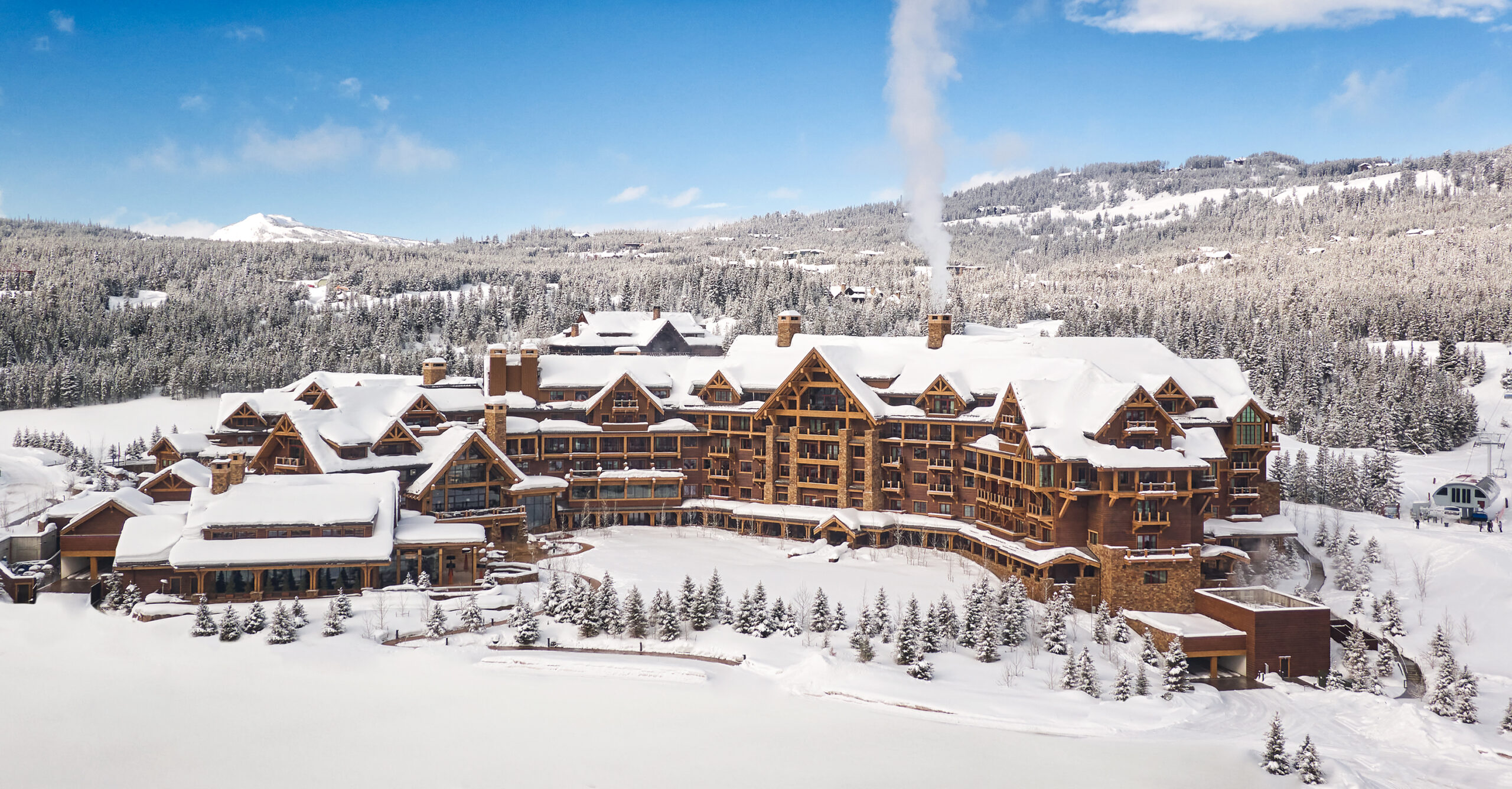
The resort is situated at an elevation that provides breathtaking panoramic views of the surrounding mountain ranges, including the Madison Range and the Gallatin Range. The dominant feature is the majestic Lone Mountain, which stands sentinel over the resort. During winter, these landscapes are transformed into a pristine white wonderland, offering a serene and awe-inspiring backdrop for skiing and snowboarding. In the summer, the same mountains reveal lush green meadows, sparkling blue lakes, and a vibrant ecosystem teeming with wildlife.
The Sense of Remoteness and Adventure
Despite its world-class amenities and accessibility, Big Sky Resort retains a profound sense of remoteness. This is a place where you can truly disconnect from the hustle and bustle of urban life and reconnect with nature. The sheer scale of the terrain means that even during peak season, you can often find uncrowded slopes and a feeling of being in the wilderness. This sense of adventure is amplified by the challenging terrain, the potential for wildlife sightings, and the sheer beauty of the untouched natural environment. It’s a destination that appeals to those seeking both exhilarating outdoor pursuits and a profound sense of peace and solitude.
LifeOutOfTheBox is a participant in the Amazon Services LLC Associates Program, an affiliate advertising program designed to provide a means for sites to earn advertising fees by advertising and linking to Amazon.com. Amazon, the Amazon logo, AmazonSupply, and the AmazonSupply logo are trademarks of Amazon.com, Inc. or its affiliates. As an Amazon Associate we earn affiliate commissions from qualifying purchases.