
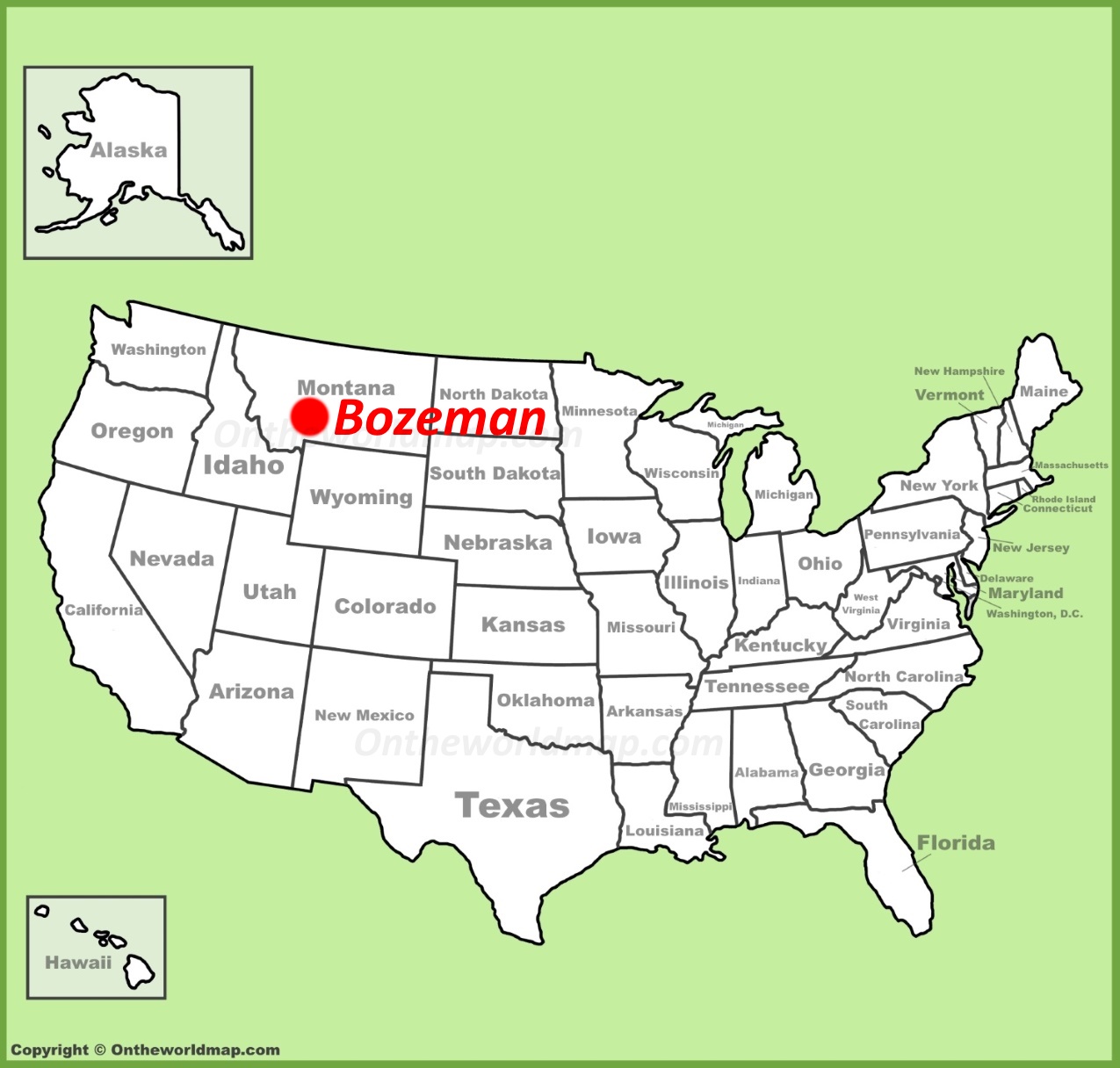
Nestled in the heart of the Rocky Mountains of southwestern Montana, Bozeman is more than just a dot on the map; it’s a vibrant city that serves as a gateway to some of North America‘s most breathtaking natural wonders and a destination in its own right. Often referred to as “The Last Best Place,” Montana embodies a spirit of adventure, rugged beauty, and genuine Western hospitality. Within this majestic state, Bozeman stands out as a thriving hub, attracting outdoor enthusiasts, cultural explorers, and those simply seeking a scenic escape.
For many first-time visitors, the question “Where is Bozeman?” often precedes a deeper dive into what makes this city so special. It’s a question that unlocks a world of possibilities, from world-class skiing and fly-fishing to a burgeoning culinary scene and a rich historical tapestry. As a premier travel destination, Bozeman perfectly blends urban sophistication with a wild frontier spirit, offering an unparalleled experience for every type of traveler. Whether you’re planning an adventurous solo journey, a romantic getaway, a family vacation, or even considering a business trip with a scenic backdrop, understanding Bozeman’s unique location and offerings is the first step towards an unforgettable Montana adventure. This article will guide you through its geographical context, highlight its magnetic attractions, detail the diverse accommodation options, and provide essential tips for planning your perfect visit to this extraordinary corner of the United States.
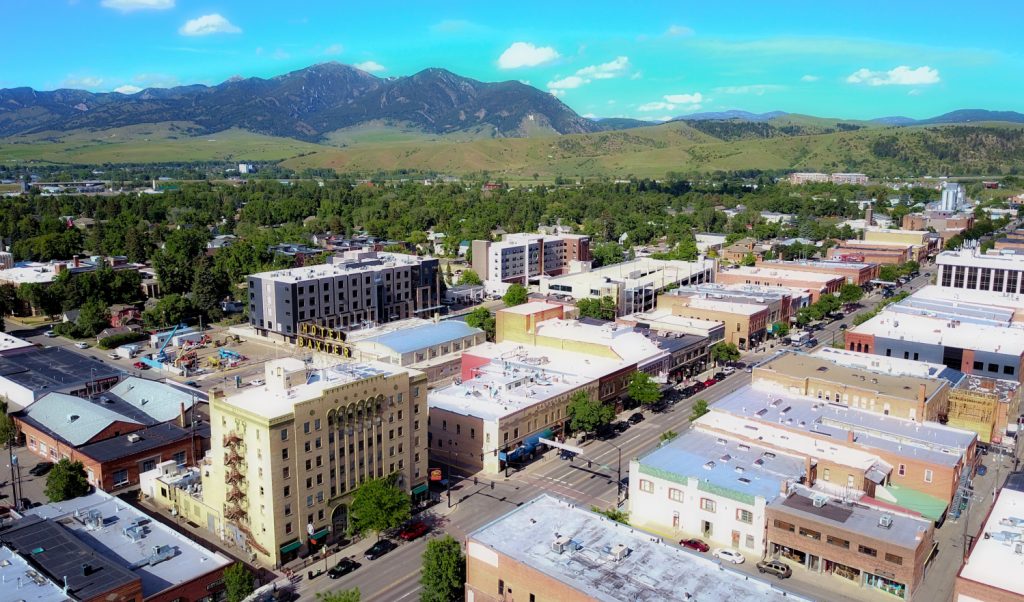
Pinpointing Bozeman: A Gem in the Big Sky Country
To truly appreciate Bozeman, one must first grasp its geographical significance. It’s not just a city; it’s a strategic location that positions travelers at the crossroads of unparalleled natural beauty and accessible urban amenities. Its setting dictates much of its charm and the activities it offers, making its precise placement a key factor in any travel plan.
Geographical Coordinates and Regional Context
Bozeman is centrally located in the Gallatin Valley, a vast expanse of fertile land framed by no less than five distinct mountain ranges: the Bridger Mountains to the northeast, the Tobacco Root Mountains to the west, the Big Belt Mountains to the north, the Spanish Peaks and the Gallatin Range to the south. This unique topographical arrangement contributes to its stunning panoramic views and the abundance of outdoor recreational opportunities available year-round. Sitting at an elevation of approximately 4,820 feet (1,469 meters) above sea level, Bozeman experiences distinct seasons, each offering its own set of activities and breathtaking landscapes. The city serves as the county seat of Gallatin County, one of Montana’s most populous and rapidly growing areas, signifying its economic and cultural importance within the state.
The Gateway to Yellowstone and Beyond
One of Bozeman’s most significant claims to fame is its proximity to Yellowstone National Park, the world’s first national park. The park’s North Entrance, located in Gardiner, Montana, is just about an hour and a half drive from Bozeman, making the city an ideal base for exploring Yellowstone. This strategic location allows visitors to experience the park’s geothermal wonders, iconic wildlife, and vast wilderness during the day, while returning to the comforts and amenities of a vibrant city in the evening. Beyond Yellowstone, Bozeman is also relatively close to other natural treasures like Grand Teton National Park (though a longer drive), and countless national forests, wilderness areas, and state parks that dot the Montana landscape. This makes it a central point for multi-day excursions into the greater Yellowstone ecosystem.
Accessibility: Getting to Bozeman
Despite its seemingly remote Rocky Mountain location, Bozeman is remarkably accessible. The city is served by the Bozeman Yellowstone International Airport (BZN), the busiest airport in Montana. BZN offers direct flights to numerous major cities across the United States, including Denver, Salt Lake City, Seattle, Chicago, Dallas, and Atlanta, making it convenient for both domestic and international travelers to reach. For those preferring a scenic road trip, Bozeman is situated directly off Interstate 90, a major east-west highway, connecting it to other cities in Montana like Missoula and Billings, as well as to neighboring states. Car rentals are readily available at the airport, which is highly recommended for exploring the region’s vast landscapes and remote attractions.
Discovering Bozeman’s Allure: Attractions and Experiences
Bozeman’s appeal extends far beyond its convenient location. The city itself and its surroundings offer a diverse array of attractions and experiences that cater to every interest, from adrenaline-pumping adventures to tranquil cultural explorations. This blend of natural beauty and urban sophistication defines the Bozeman experience.
Outdoor Adventures: Embracing Montana’s Wild Side
For outdoor enthusiasts, Bozeman is nothing short of paradise. The surrounding Rocky Mountains provide a playground for year-round activities.
In winter, the slopes beckon. Big Sky Resort, one of the largest ski resorts in North America, is a world-renowned destination offering thousands of acres of skiable terrain, from gentle groomed runs to challenging chutes. Closer to the city, Bridger Bowl Ski Area is a local favorite, known for its incredible powder and friendly atmosphere. Beyond downhill skiing and snowboarding, winter visitors can enjoy cross-country skiing, snowshoeing, ice climbing, and even dog sledding.
When the snow melts, the landscape transforms into a haven for summer activities. Hiking and mountain biking trails abound, with options ranging from leisurely walks to strenuous climbs offering panoramic views. The iconic Gallatin River, along with the Madison River and Yellowstone River, are world-famous for fly-fishing, attracting anglers from around the globe seeking trophy trout. Whitewater rafting, kayaking, and paddleboarding are popular ways to experience Montana’s pristine waterways. Rock climbing, horseback riding, and wildlife viewing opportunities are also plentiful, ensuring that every day can be a new adventure.
Urban Charms and Cultural Richness
While the wilderness defines much of the region, Bozeman’s vibrant urban core offers a delightful contrast. Historic Downtown Bozeman is a lively hub filled with unique boutiques, art galleries, and a fantastic array of restaurants, cafes, and breweries. Visitors can spend hours exploring Main Street, discovering local crafts, fashion, and art, or simply enjoying a craft beer at one of the many microbreweries that have become a staple of Bozeman’s social scene.
The city is also home to significant cultural landmarks. The Museum of the Rockies, affiliated with the Smithsonian Institution, is renowned for its dinosaur fossil collection, particularly its T-Rex specimens, and its exhibits on Montana history and Native American culture. Another unique institution is the American Computer & Robotics Museum, which chronicles the history of computing and artificial intelligence. Montana State University contributes significantly to the city’s intellectual and cultural vibrancy, hosting various events, performances, and lectures throughout the year, infusing Bozeman with a youthful and dynamic energy. The local food scene, driven by farm-to-table principles and a focus on regional ingredients, offers everything from casual pub fare to upscale dining experiences, reflecting Bozeman’s sophisticated yet unpretentious character.
Day Trips and Excursions from Bozeman
Bozeman’s central location makes it an excellent starting point for various day trips. A short drive east takes you to Livingston, a charming railway town known for its historic architecture, art scene, and proximity to the Yellowstone River and the Absaroka-Beartooth Wilderness. To the south, the resort town of Big Sky offers not just skiing but also summer activities like zip-lining, mountain biking, and scenic gondola rides. The picturesque route through the Gallatin Canyon towards Big Sky and West Yellowstone is a destination in itself, with stunning river views and opportunities for fishing and rafting. For a unique experience, a visit to Lewis and Clark Caverns State Park, Montana’s first state park, offers guided tours through spectacular limestone caves. Each excursion from Bozeman provides a different facet of Montana’s diverse landscape and rich history.
Accommodating Your Stay: Hotels and Lodging in Bozeman
As a premier travel destination, Bozeman offers a wide spectrum of accommodation options, ensuring that every traveler can find the perfect place to rest and recharge after a day of exploration. From luxurious boutique hotels to comfortable budget-friendly stays and unique vacation rentals, the city caters to diverse preferences and travel styles.
Luxury and Boutique Stays
For those seeking an upscale experience, Bozeman has several standout options that blend sophisticated amenities with local character. The Kimpton Armory Hotel Bozeman, housed in a historic armory building, offers a luxurious stay with a rooftop bar, a music hall, and an elegant restaurant. It’s a fantastic example of adaptive reuse, providing modern comfort while preserving the building’s rich history. Another excellent choice is The Element Bozeman, part of the Marriott family, which focuses on sustainable design and offers spacious, modern suites equipped with kitchens, perfect for extended stays or families. These establishments often boast amenities like fitness centers, indoor pools, and concierge services to enhance your visit.
Comfortable Mid-Range Options
Bozeman also excels in providing high-quality, comfortable mid-range hotels that offer excellent value without compromising on convenience or service. Brands like SpringHill Suites by Marriott Bozeman and Hilton Garden Inn Bozeman are popular choices, offering spacious rooms, complimentary breakfast, indoor pools, and easy access to both downtown and the airport. These hotels are often ideal for families, business travelers, and those looking for a reliable and pleasant stay. Many include essential amenities such as free Wi-Fi, on-site dining, and fitness facilities, making them a convenient base for exploring the area.
Vacation Rentals and Unique Stays
Beyond traditional hotels, Bozeman boasts a thriving market for vacation rentals, including apartments, cozy cabins, and larger homes. These options are particularly appealing for groups, families, or travelers seeking a more localized and independent experience. Platforms like Airbnb and VRBO list numerous properties, ranging from charming downtown lofts to secluded retreats with mountain views. For those interested in long-term stays, several serviced apartments and extended-stay hotels cater to visitors who wish to immerse themselves in the Bozeman lifestyle for a longer period. Additionally, adventurous travelers might consider glamping sites or rustic cabins in the surrounding areas for a truly unique Montana experience. When choosing accommodation, it’s advisable to consider factors like pet-friendliness, proximity to attractions, and specific amenities that align with your travel style.
Planning Your Bozeman Adventure: Tips for Travelers
A trip to Bozeman promises adventure and unforgettable memories, but a well-planned itinerary can significantly enhance your experience. Considering the local climate, popular activities, and practical logistics will help ensure a smooth and enjoyable visit.
Best Time to Visit and Seasonal Highlights
Bozeman offers distinct experiences depending on the season:
- Summer (June to August): This is peak tourist season, drawing crowds for hiking, fishing, rafting, and exploring Yellowstone National Park. The weather is generally warm and sunny, ideal for outdoor activities. However, accommodations book up quickly, and prices can be higher.
- Fall (September to October): A beautiful time to visit, with crisp air, fewer crowds, and stunning fall foliage. Fishing remains excellent, and hiking is still popular. It’s a great shoulder season for those looking for a quieter experience.
- Winter (November to March): Transforms Bozeman into a winter wonderland, perfect for skiing at Big Sky Resort or Bridger Bowl Ski Area, snowshoeing, and cross-country skiing. Yellowstone National Park also offers unique winter tours. Be prepared for cold temperatures and snow.
- Spring (April to May): Another shoulder season, offering a transition with melting snow, budding wildflowers, and fewer visitors. Some trails may still be muddy or closed, but it’s an excellent time for wildlife viewing and early-season fishing.
Budgeting Your Trip: From Luxury to Economical
Travel in Bozeman can be tailored to various budgets. Luxury travelers will find high-end hotels, gourmet dining, and guided private tours. Mid-range options are plentiful for accommodation, dining, and activities. Budget travelers can opt for more economical motels, vacation rentals, and enjoy free outdoor activities like hiking. Dining out can range from affordable casual eateries to upscale restaurants. To save money, consider visiting during the shoulder seasons (spring and fall), cooking some meals in a vacation rental, and taking advantage of the vast number of free natural attractions. Transportation costs should also be factored in, especially if renting a car, which is highly recommended for exploring beyond the city limits.
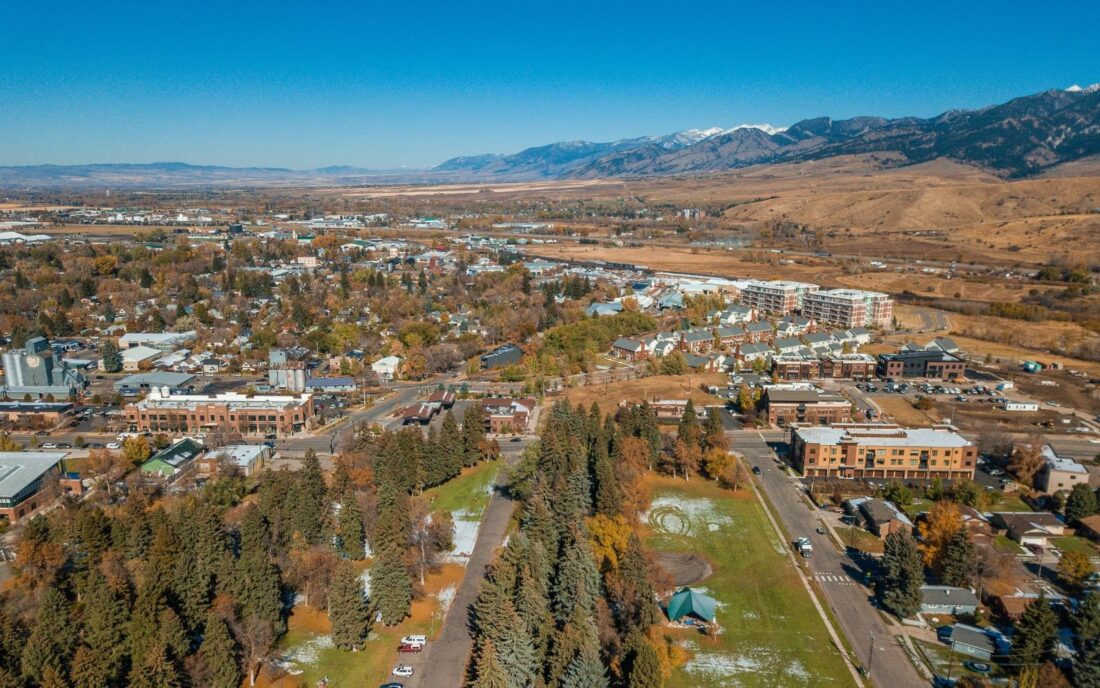
Essential Packing and Local Insights
When packing for Bozeman, think layers, regardless of the season, as mountain weather can change rapidly. Even in summer, evenings can be cool. Sturdy hiking boots, rain gear, and sun protection are always advisable. For winter, heavy winter clothing, including waterproof jackets and pants, gloves, hats, and insulated boots, is essential.
Embracing local culture involves respecting the natural environment and local customs. Practice Leave No Trace principles when enjoying the outdoors. Wildlife is abundant, so always maintain a safe distance and never feed animals. The people of Bozeman are generally friendly and welcoming, embodying a relaxed, outdoorsy lifestyle. Don’t be afraid to strike up a conversation with locals for insider tips on hidden gems or the best fishing spots. Checking local tourism boards and visitor centers upon arrival can also provide up-to-date information on events, trail conditions, and safety advisories, ensuring a safe and memorable Montana experience.
In conclusion, Bozeman, Montana, is much more than just a location; it’s a destination that captivates with its stunning natural beauty, vibrant urban scene, and endless opportunities for adventure and relaxation. Its strategic position as a gateway to Yellowstone National Park combined with its thriving local culture and diverse accommodation options make it an ideal choice for your next travel endeavor. Whether you’re drawn by the call of the wild, the charm of a bustling college town, or the desire for a luxurious escape, Bozeman is ready to welcome you to the heart of the Big Sky Country. Planning your trip here isn’t just about finding it on a map; it’s about discovering a place where unforgettable memories are forged amidst Montana’s magnificent landscape.
LifeOutOfTheBox is a participant in the Amazon Services LLC Associates Program, an affiliate advertising program designed to provide a means for sites to earn advertising fees by advertising and linking to Amazon.com. Amazon, the Amazon logo, AmazonSupply, and the AmazonSupply logo are trademarks of Amazon.com, Inc. or its affiliates. As an Amazon Associate we earn affiliate commissions from qualifying purchases.