
Bristol Bay, Alaska, is a region that embodies the very essence of raw, untamed wilderness, drawing adventurers, anglers, and nature enthusiasts from across the globe. Far from the well-trodden paths of mainstream tourism, it represents a frontier where nature reigns supreme, offering an escape into a world of breathtaking landscapes, abundant wildlife, and profound solitude. Understanding its location is the first step in appreciating its unique allure and planning an unforgettable journey to this remote corner of the Last Frontier.
Unveiling the Geographical Heart of Alaska’s Wilderness
Bristol Bay is not a single point on a map but rather a vast, intricate ecosystem encompassing a bay, a watershed, and a cultural region. Its geographical significance lies in its immense scale and its critical role as the gateway to some of North America’s most pristine environments.
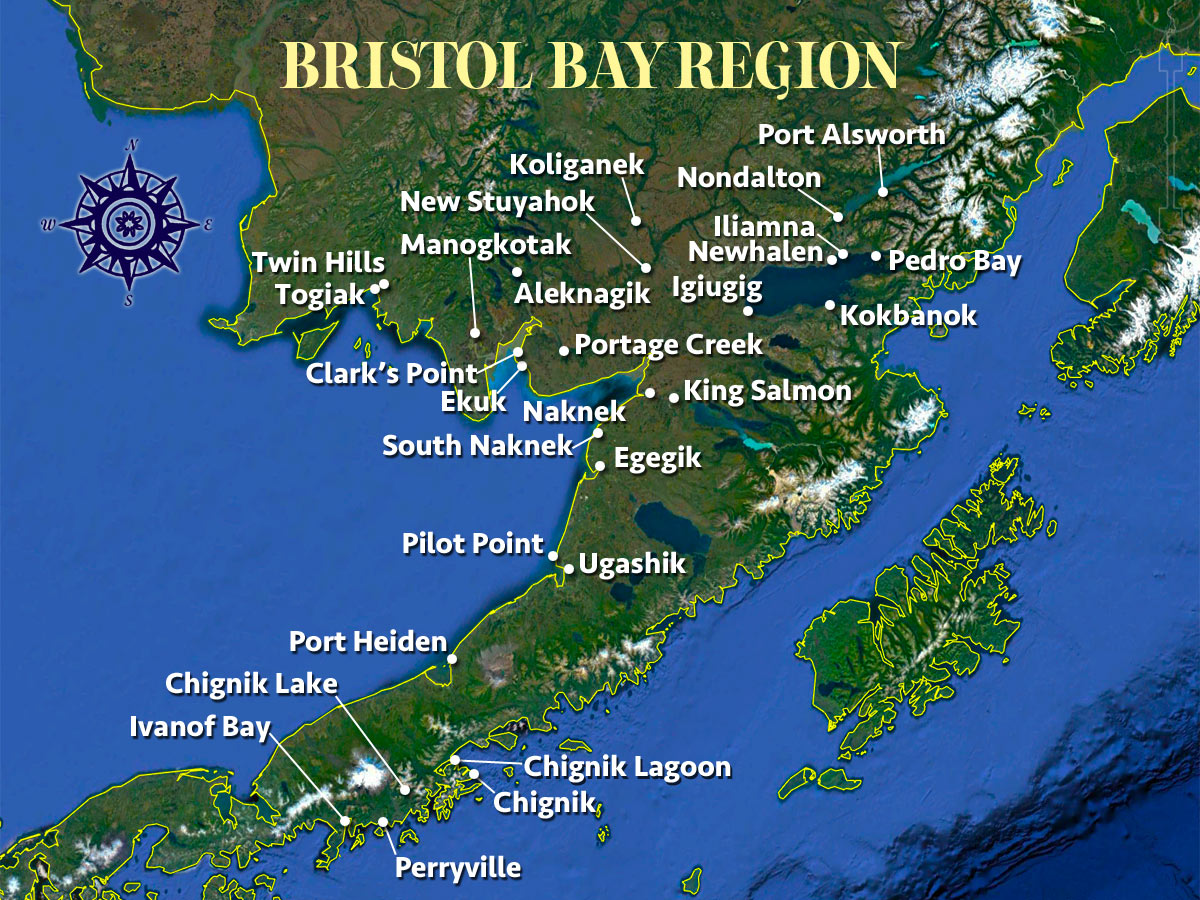
Pinpointing Bristol Bay’s Location
Geographically, Bristol Bay is a large embayment of the Bering Sea located in southwestern Alaska. It stretches approximately 250 miles (400 km) from west to east, forming a distinct crescent shape along the coastline. To its south, the Alaska Peninsula extends southwestward, dotted with active volcanoes and rugged mountains, eventually leading to the Aleutian Islands. To the north, the bay’s watershed extends inland, reaching deep into interior Alaska, characterized by a vast network of rivers, lakes, and tundra.
The region is defined less by precise administrative boundaries and more by its natural features. Key communities within or near the Bristol Bay area include Dillingham, King Salmon, Naknek, and Egegik, which serve as crucial hubs for travel and commerce in this remote domain. Access to these towns is primarily by air, connecting them to larger Alaskan cities like Anchorage and Fairbanks.
A Landscape Forged by Nature
The landscape of Bristol Bay is a testament to the raw power of geological and ecological processes. It is largely flat to gently rolling tundra and boreal forest, punctuated by towering mountain ranges such as the Aleutian Range to the south and east. Volcanic activity has shaped much of the Alaska Peninsula, creating dramatic, ash-covered peaks and fertile valleys.
The watershed is immense, fed by several major river systems including the Nushagak River, Kvichak River, Naknek River, and Egegik River, among many others. These rivers drain enormous freshwater lakes such as Iliamna Lake (the largest lake in Alaska and the eighth largest freshwater lake in the United States) and Lake Clark. This intricate network of freshwater bodies, flowing into the Bering Sea, is what makes Bristol Bay an ecological powerhouse, particularly for its fish populations. The confluence of freshwater and saltwater creates an incredibly rich biome, supporting an astonishing array of flora and fauna unique to subarctic environments.
The Jewel of the Last Frontier: Why Travel to Bristol Bay?
Traveling to Bristol Bay is an immersive journey into one of the world’s most vital and vibrant natural habitats. It’s a destination for those seeking profound connections with nature, unparalleled outdoor recreation, and an escape from the ordinary.
World-Class Fishing: The Sockeye Salmon Capital
Without exaggeration, Bristol Bay is the undisputed salmon capital of the world. It hosts the largest sockeye salmon run globally, with millions upon millions of salmon returning to their natal streams to spawn each year. This makes it an unparalleled destination for sportfishing. Anglers from around the world flock to its rivers and streams to experience the thrill of catching wild Alaskan salmon, including not only sockeye but also king (chinook), silver (coho), chum, and pink salmon. Beyond salmon, the region’s clear, cold waters teem with trophy-sized rainbow trout, Arctic char, grayling, and Dolly Varden, providing diverse fishing opportunities for fly-fishing and spin-fishing enthusiasts alike. The sheer abundance and pristine quality of the fisheries here are what truly set Bristol Bay apart.
Unparalleled Wildlife Viewing Opportunities
The immense salmon runs are the lifeblood of the entire Bristol Bay ecosystem, supporting an incredible diversity of wildlife. For wildlife photographers and enthusiasts, it offers truly world-class viewing opportunities.
- Brown Bears: The region is home to one of the densest populations of brown bears (grizzlies) in North America. These magnificent creatures are frequently seen foraging along riverbanks, particularly during the salmon runs, offering incredible and often intimate viewing experiences. Places like Katmai National Park and Preserve, with its famous Brooks Falls, are technically adjacent to the Bristol Bay watershed but draw from its bounty, and many guided trips to Bristol Bay can incorporate bear viewing.
- Marine Mammals: Along the coastal areas, visitors might spot seals, sea lions, and even various whale species in the Bering Sea.
- Birds: The wetlands and tundra are vital nesting grounds and migratory stops for an astounding variety of birdlife, including bald eagles, peregrine falcons, various species of ducks, geese, and shorebirds, making it a birdwatcher’s paradise.
- Other Mammals: Caribou, moose, and wolves also roam the vast interior, though they are often more elusive than the more commonly sighted bears and waterfowl.

Outdoor Adventure Beyond Fishing
While fishing is a primary draw, Bristol Bay offers a wealth of other outdoor adventures.
- Kayaking and Canoeing: The countless rivers and lakes provide ideal conditions for multi-day paddling expeditions, allowing travelers to explore remote wilderness areas unreachable by other means. Wood-Tikchik State Park, the largest state park in the United States, is a prime example, offering thousands of miles of interconnected waterways.
- Hiking and Backpacking: While designated trails are scarce, the vast tundra and mountainous areas present challenges for experienced backpackers seeking true solitude and off-trail exploration. Opportunities range from day hikes from wilderness lodges to multi-day traverses across untouched landscapes.
- Photography Expeditions: The dramatic landscapes, dynamic wildlife, and ever-changing light conditions make Bristol Bay an extraordinary destination for photographers, from amateur to professional.
- Flightseeing Tours: Given the expansive and remote nature of the region, flightseeing tours offer a breathtaking aerial perspective, revealing vast braided rivers, pristine lakes, volcanic peaks, and endless tundra, often providing unique wildlife viewing opportunities from above.
Planning Your Expedition to Bristol Bay
A trip to Bristol Bay requires careful planning due to its remote location and unique logistical challenges. This isn’t a destination for impromptu travel; it’s an expedition that rewards thorough preparation.
Accessing the Remote Wilderness
There are no roads leading into most of Bristol Bay. The primary mode of transportation is by air.
- Commercial Flights: Travelers typically fly into Anchorage (ANC), the largest city in Alaska. From Anchorage, regularly scheduled flights on regional carriers like Alaska Airlines or Ravn Alaska connect to larger regional hubs such as Dillingham (DLG) or King Salmon (AKN).
- Charter Flights and Bush Planes: Once at these regional hubs, access to wilderness lodges, remote fishing camps, or specific backcountry locations is almost exclusively via smaller charter planes, often floatplanes or wheeled bush planes. These flights are an adventure in themselves, offering stunning aerial views of the landscape. Many lodges and outfitters arrange these final legs of the journey.
Essential Gear and Preparedness
The Alaskan wilderness demands respect and proper preparation.
- Layered Clothing: Weather can change rapidly. Waterproof and windproof outer layers are essential, along with warm fleece or down mid-layers and moisture-wicking base layers.
- Sturdy Footwear: Waterproof hiking boots or waders (for anglers) are a must.
- Insect Protection: Mosquitoes and other biting insects can be prolific, especially in summer. Pack strong insect repellent and consider head nets.
- Safety Gear: Depending on the activity, bear spray, satellite communication devices (like an InReach or SPOT device), and a well-stocked first-aid kit are highly recommended. Many reputable lodges and guides will provide or suggest specific gear lists.
- Guided Trips: For those unfamiliar with wilderness travel, particularly in remote Alaska, booking a trip with an experienced guide or staying at a reputable wilderness lodge is highly advisable. They provide expertise, equipment, and logistical support, enhancing both safety and enjoyment.
Best Times to Visit
The prime travel season for Bristol Bay is during the Alaskan summer, typically from June through September.
- June-July: Peak sockeye salmon runs occur, making it the busiest time for fishing. This period also offers long daylight hours and often pleasant temperatures.
- August-September: Coho (silver) salmon runs peak, and rainbow trout fishing can be exceptional as they feed on salmon eggs. Fall colors begin to emerge, offering stunning photographic opportunities, and bear viewing remains excellent.
- Shoulder Seasons: While less common for general tourism, late May/early June offers opportunities for king salmon, while late September into early October can provide unique fall hunting or photography experiences before winter sets in.
Embracing the Culture and Community of Bristol Bay
Beyond its natural grandeur, Bristol Bay is also a region rich in cultural heritage, home to vibrant Native Alaskan communities whose way of life has been intrinsically linked to the land and its resources for millennia.
Native Alaskan Heritage
The region has been continuously inhabited for thousands of years by various Indigenous peoples, including the Yup’ik, Dena’ina, and Alutiiq (Sugpiaq). Their cultures are deeply intertwined with the salmon and other wildlife, which have historically provided sustenance, materials, and spiritual connections. Visitors to communities like Dillingham or King Salmon may have opportunities to learn about traditional subsistence practices, view local art, and understand the resilience and richness of these living cultures. Many residents participate in commercial and subsistence fishing, continuing traditions passed down through generations. Organizations like the Bristol Bay Native Corporation play a crucial role in preserving this heritage and fostering economic development in the region.

Sustainable Practices and Conservation Efforts
Bristol Bay stands as a global example of effective conservation, primarily due to the ongoing efforts to protect its pristine environment and unparalleled fisheries. The region has been the subject of significant environmental debates, particularly concerning proposals for large-scale mining operations that could threaten its delicate ecosystem. The robust environmental advocacy by local communities, conservation groups, and even global partners highlights the universal recognition of Bristol Bay’s ecological importance.
When visiting, travelers are encouraged to engage in responsible tourism, supporting local businesses, respecting wildlife and cultural sites, and practicing leave-no-trace principles. By doing so, visitors contribute to the preservation of this irreplaceable natural wonder, ensuring that future generations can also experience the magic of Bristol Bay, Alaska. It is a journey not just to a destination, but to the heart of what wild Alaska truly represents.
LifeOutOfTheBox is a participant in the Amazon Services LLC Associates Program, an affiliate advertising program designed to provide a means for sites to earn advertising fees by advertising and linking to Amazon.com. Amazon, the Amazon logo, AmazonSupply, and the AmazonSupply logo are trademarks of Amazon.com, Inc. or its affiliates. As an Amazon Associate we earn affiliate commissions from qualifying purchases.