
Bronzeville, a neighborhood steeped in history and vibrant culture, is an essential destination for anyone seeking to understand the soul of Chicago. Located on the South Side of the city, it’s more than just a geographic location; it’s a testament to resilience, artistic expression, and the enduring spirit of the African American community. To truly experience Chicago, one must explore the rich tapestry of Bronzeville.
A Historic Heartbeat on the South Side
Bronzeville’s story is deeply intertwined with the Great Migration, a period when African Americans moved from the rural South to Northern cities, seeking better economic opportunities and escaping racial segregation. Chicago became a beacon, and Bronzeville emerged as a vital center of African American life and culture. From the early 20th century through the mid-20th century, it was a thriving hub, often referred to as the “Black Belt,” and later, affectionately, as Bronzeville.
The Genesis of a Cultural Epicenter
The establishment of Bronzeville as a distinct community was shaped by restrictive housing covenants that, while intended to segregate, inadvertently created a concentrated area where African American culture could flourish. This period saw the rise of influential Black businesses, churches, social organizations, and, most notably, a flourishing arts scene.
Geographic Boundaries and Evolution
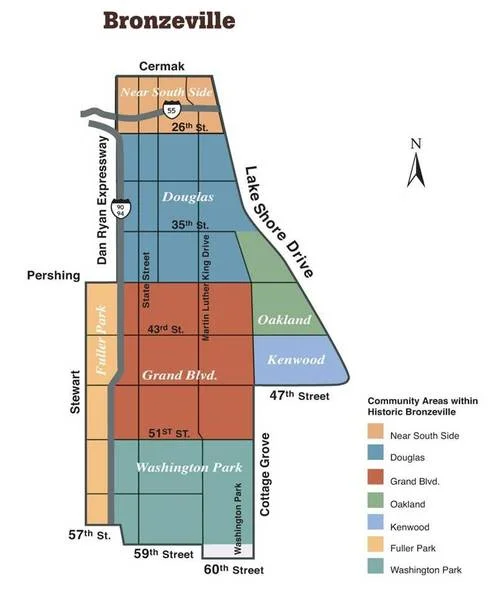
Defining the precise boundaries of Bronzeville can be fluid, as neighborhoods evolve. However, it is generally understood to encompass the area roughly between the Chicago River to the north, 31st Street to the south, Lake Michigan to the east, and the Dan Ryan Expressway (or State Street) to the west. Today, the neighborhood continues to be a dynamic urban area, undergoing revitalization while striving to preserve its invaluable heritage.
Bronzeville’s Enduring Legacy: Culture, Arts, and Activism
Bronzeville’s significance extends far beyond its geographical coordinates. It was a cradle of creativity and a powerful center for civil rights activism, leaving an indelible mark on American history and culture.
The Harlem Renaissance of the Midwest
Often compared to Harlem in New York, Bronzeville was a magnet for literary, musical, and artistic talent. Writers like Richard Wright, Langston Hughes, and Gwendolyn Brooks found inspiration and community here. The legendary music venues along 26th Street and 31st Street hosted jazz greats such as Louis Armstrong, Duke Ellington, and Billie Holiday, making Bronzeville the heart of the blues and jazz scene in Chicago.
Landmarks of Historical Importance
Several landmarks stand as silent witnesses to Bronzeville’s rich past:
- The Chicago Defender: This influential newspaper, founded in 1905, played a pivotal role in shaping African American opinion and encouraging migration north. Its former offices are a significant historical site.
- The Supreme Life Building: Once the headquarters of a major African American insurance company, this building symbolizes the economic empowerment and success achieved within the community.
- The Wabash Avenue YMCA: A vital social and community center, it provided housing, recreational facilities, and meeting spaces for African Americans arriving in Chicago. It also served as a hub for early civil rights organizing.
- The Parkway Ballroom: A historic ballroom that hosted legendary performances by jazz and blues artists, it remains an iconic venue representing the area’s vibrant entertainment history.
The Power of Community and Activism

Bronzeville was not only a cultural melting pot but also a hotbed of activism. Leaders like Ida B. Wells championed civil rights and fought against racial injustice from this vibrant neighborhood. The community’s collective voice was instrumental in advocating for equality and challenging discrimination.
Experiencing Bronzeville Today: A Living Museum
Visiting Bronzeville today offers a unique opportunity to walk through history while experiencing a contemporary, evolving urban landscape. The neighborhood’s past is palpable, integrated into its present-day charm.
A Journey Through Time and Art
- The DuSable Black History Museum and Education Center: As the first independently established museum dedicated to Black history in the United States, it is an indispensable stop for understanding the African American experience in Chicago and beyond. Its exhibits cover a vast spectrum of history, art, and culture.
- Public Art and Murals: Throughout Bronzeville, vibrant murals and sculptures adorn buildings and public spaces, telling stories of the neighborhood’s past and present, celebrating its heroes, and reflecting its ongoing artistic dynamism.
- Architectural Heritage: Walking through Bronzeville reveals a fascinating mix of architectural styles, from the classic Chicago bungalows to grander Victorian homes and significant public buildings, many of which have been beautifully preserved or thoughtfully restored.
Culinary Delights and Local Flavors
Bronzeville’s culinary scene reflects its rich heritage. Visitors can savor authentic Southern and soul food at long-standing establishments, offering a taste of tradition and comfort. Newer eateries also bring contemporary flair, showcasing the neighborhood’s evolving gastronomic landscape. Exploring local cafes and restaurants provides a delicious way to connect with the community.
Community Events and Contemporary Life
Bronzeville remains a living, breathing community. Visitors may have the chance to experience local festivals, music performances, and art exhibitions that highlight the ongoing cultural contributions of its residents. The neighborhood’s transformation includes new residential developments and businesses, demonstrating its continuous evolution while holding firm to its historical roots.
Planning Your Visit to Bronzeville
To make the most of your exploration of Bronzeville, consider the following practical tips and recommendations.
Getting There and Around
Bronzeville is easily accessible by public transportation. The Chicago Transit Authority (CTA) offers several ‘L’ train lines and bus routes serving the neighborhood. The Green Line has multiple stops within Bronzeville, including 35th Street-White Sox and 47th Street. Once in the neighborhood, walking is an excellent way to discover its hidden gems, or you can utilize local bus routes for longer distances.
Recommended Itinerary
- Morning: Begin at The DuSable Black History Museum and Education Center to immerse yourself in the historical context.
- Lunch: Enjoy a meal at a local soul food restaurant, savoring traditional flavors.
- Afternoon: Take a guided walking tour to uncover architectural details and historical markers, or explore independently, seeking out public art and landmarks like The Wabash Avenue YMCA and The Supreme Life Building.
- Evening: Depending on the schedule, you might find live jazz or blues performances at venues that continue the musical legacy of Bronzeville.

Respect and Engagement
When visiting Bronzeville, approach the neighborhood with respect for its history and residents. Engage with local businesses, attend community events if possible, and be mindful that it is a vibrant, living community, not just a historical exhibit. Understanding its past allows for a deeper appreciation of its present. Bronzeville is a cornerstone of Chicago’s identity, offering a profound and enriching travel experience that resonates long after your visit.
LifeOutOfTheBox is a participant in the Amazon Services LLC Associates Program, an affiliate advertising program designed to provide a means for sites to earn advertising fees by advertising and linking to Amazon.com. Amazon, the Amazon logo, AmazonSupply, and the AmazonSupply logo are trademarks of Amazon.com, Inc. or its affiliates. As an Amazon Associate we earn affiliate commissions from qualifying purchases.