
California, a land of unparalleled natural beauty, vibrant cities, and diverse landscapes, remains a dream destination for countless travelers worldwide. From the sun-kissed beaches of Southern California to the majestic forests of the North, the Golden State offers an endless array of experiences. However, in recent years, conversations around visiting California have often intersected with concerns about wildfires. These natural events, while historically a part of the state’s ecosystem, have grown in intensity and frequency, leading many prospective visitors to ask: “Where exactly is California on fire, and how does this affect my travel plans?”
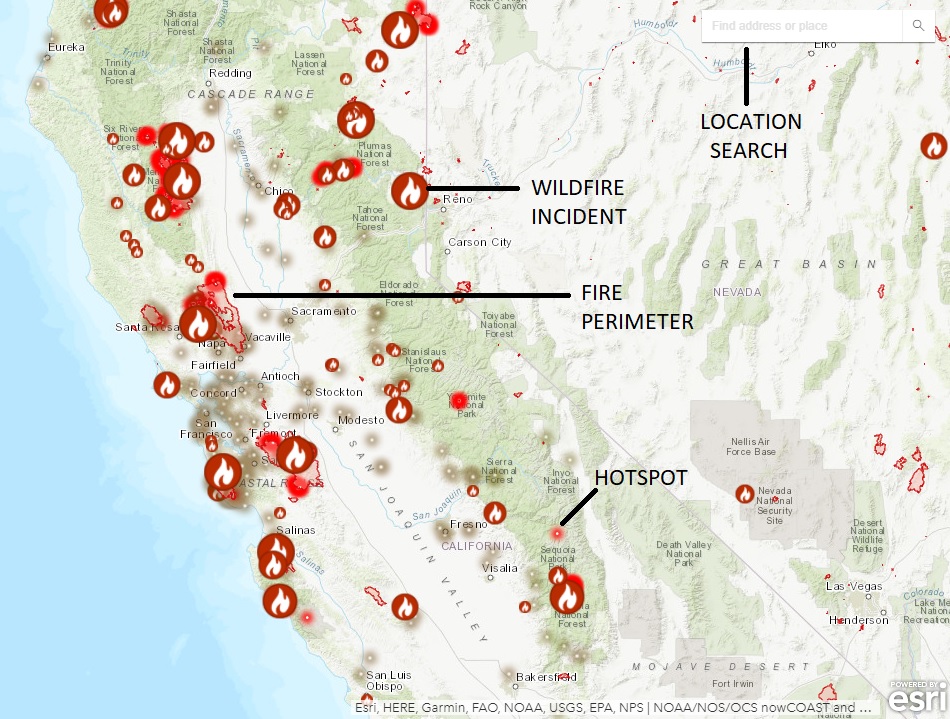
Understanding the dynamic nature of wildfires is crucial for responsible and enjoyable travel. It’s important to recognize that “on fire” is rarely an accurate description for the entire state, which spans over 163,000 square miles. Instead, wildfires are localized events, often affecting specific regions while vast swaths of the state remain untouched and open for tourism. This article aims to provide a comprehensive guide for travelers, shedding light on the reality of California wildfires, their potential impact on various destinations, and how to plan a safe and memorable trip during what has become known as “fire season.” Our focus will be on offering practical advice, highlighting resilient destinations, and encouraging informed decision-making for every type of traveler, from those seeking luxury resorts to adventurers exploring rugged Landmarks.
Understanding the Landscape: California’s Wildfire Challenges
Wildfires in California are complex phenomena driven by a confluence of factors, including climate change, prolonged droughts, strong winds, and an accumulation of dry vegetation. The fire season typically runs from late spring through late autumn, though the precise timing and intensity can vary significantly year to year. While headlines might paint a broad picture, it’s vital for travelers to delve deeper and understand the localized nature of these events. A fire burning in a remote forest in Northern California will have little to no direct impact on a coastal city hundreds of miles away, beyond potentially affecting air quality in certain wind patterns.
The primary concerns for travelers when wildfires occur are direct threats to life and property, evacuation orders, road closures, and air quality issues. Smoke from distant fires can travel, leading to hazy skies and health advisories, particularly for sensitive groups. However, tourist destinations are generally quick to communicate any risks, and emergency services are well-equipped to manage situations as they arise. The state’s vast infrastructure, including a robust network of roads and numerous alternative routes, usually ensures that travel is possible even when localized areas are impacted.
A Shifting Reality for California Travel and Tourism
The tourism industry in California has adapted significantly to the recurring challenge of wildfires. Hotels, resorts, and tourism operators have implemented enhanced safety protocols, improved communication strategies, and often offer more flexible booking policies during peak fire season. For instance, many properties in areas historically prone to fires, like parts of Napa Valley or Sonoma County, have invested in fire-resistant landscaping and advanced alert systems.
The state’s commitment to tourism remains unwavering, with ongoing efforts to restore affected areas and promote safe travel. Local culture, food scenes, and a myriad of activities continue to thrive across most of California, making it an attractive destination for various lifestyle preferences, from luxury travel to budget-friendly family trips. It’s about being informed and making smart choices rather than canceling travel plans altogether. The goal is to avoid areas actively impacted by fire and to be mindful of advisory warnings, ensuring both personal safety and a positive experience.
Impact on Destinations: Where to Stay Informed
When considering a trip to California, it’s helpful to break down the state into its major regions and understand how wildfires might affect each. While no region is entirely immune, some are historically more susceptible than others due to vegetation, topography, and climate.
North, Central, and South California: Regional Considerations
Northern California: This region, home to vast forests, redwood groves, and wine countries, has seen some of the most significant wildfire activity. Areas like Napa Valley and Sonoma County have experienced fires that impacted vineyards and some communities. However, these regions are incredibly resilient, with many wineries and accommodations quickly reopening and adapting. The coastal regions, such as Mendocino and areas north of San Francisco, often remain largely unaffected by direct fire threats, though they can experience periods of poor air quality if winds carry smoke from inland fires. Major cities like San Francisco itself, with its iconic Golden Gate Bridge and bustling urban attractions, are typically very safe, as fires rarely threaten metropolitan areas directly.
Central California: This expansive region includes the Sierra Nevada mountains, the fertile San Joaquin Valley, and parts of the central coast. Mountainous areas, including popular national parks, are more prone to fires. However, the coastal stretch, encompassing gems like Big Sur and the scenic Highway 1, generally maintains its allure, though road closures on Highway 1 can occur due to mudslides following intense fires, rather than the fires themselves. Sacramento, the state capital, is typically insulated from direct wildfire threats, though it may experience smoky conditions.
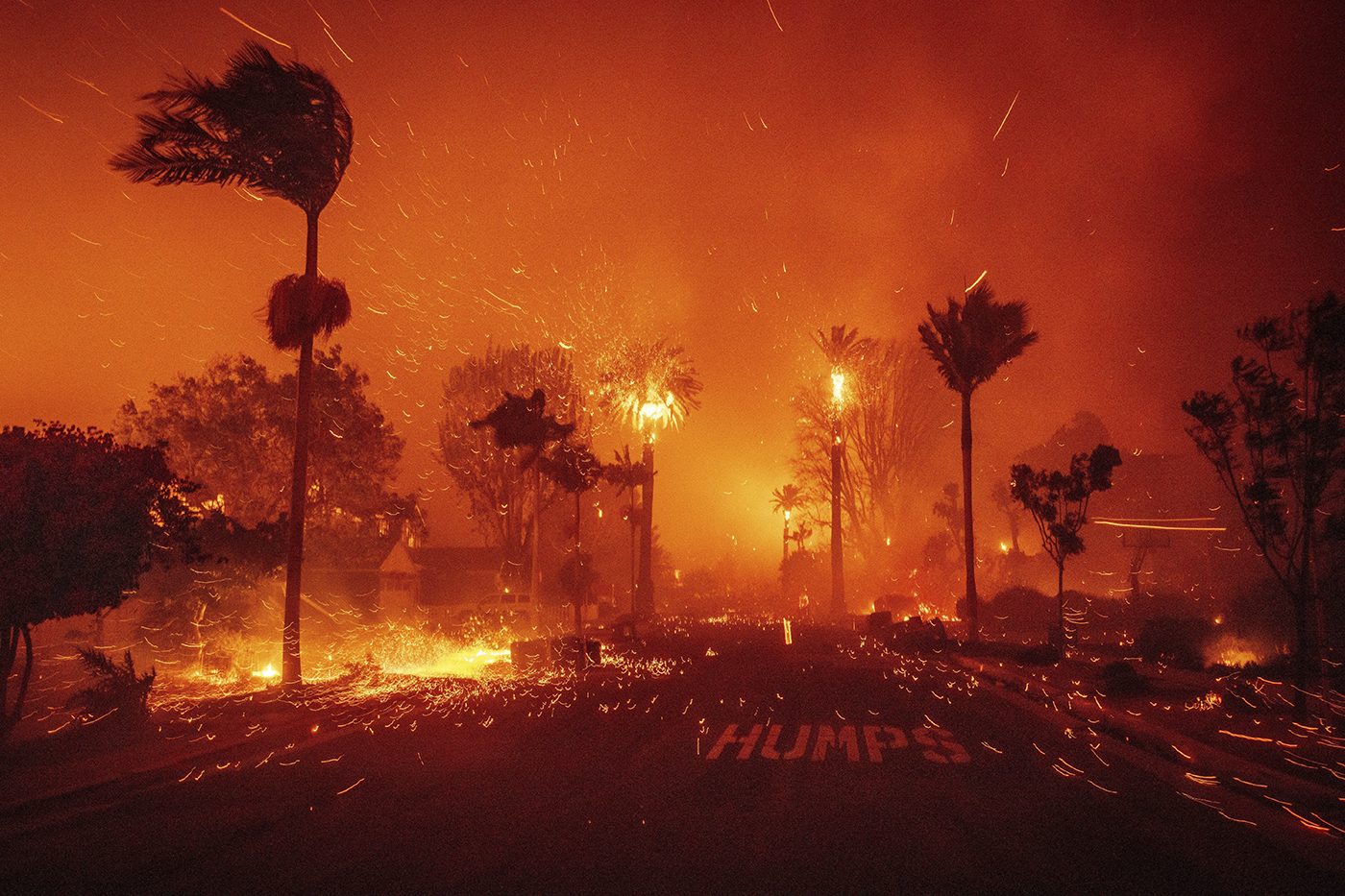
Southern California: Known for its Mediterranean climate, chaparral landscapes, and dense population centers, Southern California also faces wildfire risks, particularly in its foothills and canyon areas. Places like Malibu and parts of Ventura County have seen significant fires. However, major urban hubs such as Los Angeles, San Diego, and Orange County with attractions like Disneyland and the beaches of Santa Monica, generally remain safe. Resorts in Palm Springs and the desert regions are less frequently affected by forest fires, though desert brush fires can occur.
National Parks and Natural Landmarks: Access and Air Quality
California’s national parks are jewel in its crown, drawing millions of visitors annually. Parks like Yosemite National Park, Sequoia National Park, and Redwood National Park are predominantly forested and, therefore, more susceptible to wildfires. Park authorities are vigilant, often implementing controlled burns and strict fire prevention measures. During fire events, specific sections or entire parks might be closed for safety, or access might be restricted. Air quality can also be a significant issue, impacting outdoor activities like hiking and sightseeing.
However, parks like Death Valley National Park or the coastal areas of Channel Islands National Park are less directly affected by the typical forest fires. Lake Tahoe, a popular destination on the California-Nevada border, can experience smoke impacts even if fires are not directly on its shores. Travelers planning to visit these natural Landmarks should always check the official park websites and air quality indexes (like AirNow.gov) immediately before and during their trip for the most up-to-date information on closures, conditions, and advisories.
Cities and Coastal Retreats: Often Unaffected
For many travelers, California’s allure lies in its vibrant cities and picturesque coastal towns. The good news is that major urban centers and popular coastal destinations are often far removed from direct wildfire threats. San Francisco, with its iconic cable cars and diverse culinary scene, rarely faces direct fire danger. Similarly, Los Angeles, encompassing the glamour of Hollywood and the luxury of Beverly Hills, or the sunny beaches of San Diego, remain premier destinations throughout the year.
The Pacific Coast Highway offers breathtaking drives, and while sections near forested hills or canyons can sometimes be impacted, the majority of the route and its charming towns like Santa Barbara and Santa Monica typically remain open and welcoming. The biggest concern for city and coastal travelers might be air quality on certain days, which is usually temporary and often manageable by staying indoors or wearing masks if advised. These areas offer countless hotels, resorts, and unique accommodations, ensuring that visitors can find a comfortable and safe base for their exploration.

Planning Your Trip: Essential Safety Tips for Travelers
Responsible travel during California’s wildfire season involves proactive planning and flexibility. By taking a few key steps, travelers can significantly reduce risks and enhance their overall experience.
Monitoring Current Conditions and Evacuation Orders
The single most important tip is to stay informed. Rely on official sources for up-to-date information on wildfires.
- CalFire Website: This is the primary source for current fire incidents, maps, and statistics across California.
- Local Emergency Services Websites: For specific counties or cities, check their emergency management or sheriff’s department websites for localized alerts and evacuation orders.
- Air Quality Monitoring: Websites like AirNow.gov provide real-time air quality data by zip code. If air quality is unhealthy, it’s advisable to limit outdoor activities.
- Park and Forest Service Sites: If visiting national or state parks, always check their official websites for closures and advisories.
- News Media: Follow reputable local news outlets for community-specific updates.
It’s prudent to check these resources a few days before your trip, and then daily while you are in California, especially if your itinerary includes areas historically prone to fires. Should an evacuation order be issued for an area you plan to visit or are currently in, always follow instructions immediately for your safety.
Accommodation and Booking: What to Consider
When booking hotels, suites, apartments, or villas, especially during peak fire season:
- Flexibility is Key: Look for accommodation options with flexible cancellation or rebooking policies. Many hotels understand the unpredictable nature of wildfire events and offer more lenient terms.
- Direct Communication: If you have concerns, contact your chosen accommodation directly. Ask about their wildfire safety protocols, potential impacts on their amenities, and their policy regarding cancellations due to natural disasters.
- Location Awareness: Before booking, check the location relative to any current or historical fire zones. While a specific hotel might be safe, its proximity to affected areas could impact air quality or access roads.
- Reviews and Comparison: Use accommodation booking sites to compare options and read recent reviews, which might offer insights into local conditions or hotel responses to previous incidents.
For long-term stays or unique accommodations, ensure your host or landlord has clear emergency plans and communication channels.
Travel Insurance and Flexibility: Your Best Allies
Consider purchasing comprehensive travel insurance that covers unforeseen events, including natural disasters like wildfires. Review policy details carefully to understand what is covered, such as trip interruption, cancellation due to evacuation orders, or medical emergencies related to air quality.
Beyond insurance, cultivating a flexible mindset is paramount. Be prepared to alter your itinerary if conditions change. This might mean swapping a hiking day for a museum visit, or even re-routing your road trip to avoid a specific area. California has so much to offer that even with minor adjustments, you can still have an incredible experience. Having alternative destinations in mind, whether a bustling city or a serene coastal town, can save your trip from disappointment.
Exploring California Responsibly: Unaffected Regions and Sustainable Tourism
Despite the challenges posed by wildfires, the vast majority of California remains welcoming and safe for travelers. By focusing on unaffected regions and adopting sustainable tourism practices, visitors can still enjoy the state’s beauty while supporting its recovery and resilience.
Discovering Resilient Destinations
Many of California’s most beloved destinations are rarely, if ever, directly threatened by wildfires.
- Urban Adventures: Los Angeles, San Francisco, and San Diego offer world-class museums, culinary experiences, entertainment, and shopping that are largely unaffected. Explore Hollywood’s Walk of Fame, ride cable cars in San Francisco, or visit the San Diego Zoo without concern for direct fire impact.
- Coastal Escapes: The iconic Pacific Coast Highway stretches for hundreds of miles, connecting charming towns like Santa Barbara, Santa Monica, and Laguna Beach. These coastal areas offer stunning beaches, ocean activities, and vibrant communities.
- Desert Wonders: Palm Springs and the surrounding desert landscapes, while warm in summer, offer unique resorts, art scenes, and natural beauty often distinct from wildfire-prone forested areas. Death Valley National Park remains a stunning, otherworldly destination.
- Resilient Wine Regions: Even in areas like Napa Valley and Sonoma County that have faced fires, the spirit of restoration is strong. Many wineries and restaurants, particularly those with robust infrastructure and effective prevention measures, continue to operate and welcome guests, offering unique insights into the region’s resilience.
These destinations offer a wealth of experiences, from luxury travel to budget-friendly options, ensuring that every traveler can find their perfect California adventure.
Supporting Local Economies Post-Fire
One of the most meaningful ways travelers can contribute to California’s well-being is by supporting local economies, especially in areas that have experienced fires. While direct visitation to burn zones is often restricted and unsafe, visiting neighboring towns or regions that rely on tourism can provide crucial economic lifelines.
- Dine Locally: Choose local restaurants and cafes over chains.
- Shop Small: Purchase souvenirs and goods from independent boutiques and artisans.
- Book Local Tours: Support local tour operators who provide guided experiences.
- Stay at Local Hotels: Opt for independently owned hotels, guesthouses, or unique accommodations.
Your tourism dollars directly help communities rebuild and recover, fostering a sense of solidarity and support.
How to Contribute to California’s Recovery
Beyond simply visiting, travelers with a desire to give back can explore several avenues:
- Donate to Reputable Fire Relief Funds: Organizations like the California Community Foundation or local Red Cross chapters often have specific funds dedicated to wildfire relief and recovery.
- Volunteer (if appropriate and safe): While direct firefighting or immediate disaster response requires specialized training, sometimes organizations seek volunteers for long-term recovery efforts. Always check with official agencies for safe and effective ways to help.
- Practice Fire Prevention: Even as a visitor, you have a role in prevention. Adhere to all fire bans, properly extinguish campfires, avoid parking vehicles on dry grass, and be mindful of anything that could spark a blaze, especially when exploring natural areas.
California is a magnificent state that continues to captivate hearts with its diverse offerings. While wildfires are a serious concern, they are also localized and manageable with proper information and responsible travel practices. By staying informed, remaining flexible, and choosing your destinations wisely, you can still experience the vibrant culture, stunning Landmarks, and unforgettable experiences that make California truly golden. Embark on your California adventure with confidence, knowing you are prepared and contributing to its enduring spirit.