
Canal Street in New York City. The name itself conjures images of bustling markets, vibrant street life, and a kaleidoscope of cultures. For many visitors and even some New Yorkers, pinpointing its exact location can feel like navigating a labyrinth of iconic avenues and bustling neighborhoods. This storied thoroughfare, a vital artery in the heart of Manhattan, serves as a gateway to some of the city’s most dynamic districts and offers an unforgettable experience for anyone seeking an authentic taste of New York City life.
At its core, Canal Street is more than just a street; it’s a phenomenon. It’s a place where the pulse of commerce beats strongly, where you can find everything from high-fashion knockoffs to artisanal crafts, from exotic street food to bustling import shops. Its significance extends beyond its commercial appeal, however, acting as a geographical and cultural marker that separates and connects distinct Manhattan neighborhoods, most notably Chinatown and SoHo. Understanding where Canal Street is located is key to unlocking a deeper understanding of the urban tapestry of New York City.
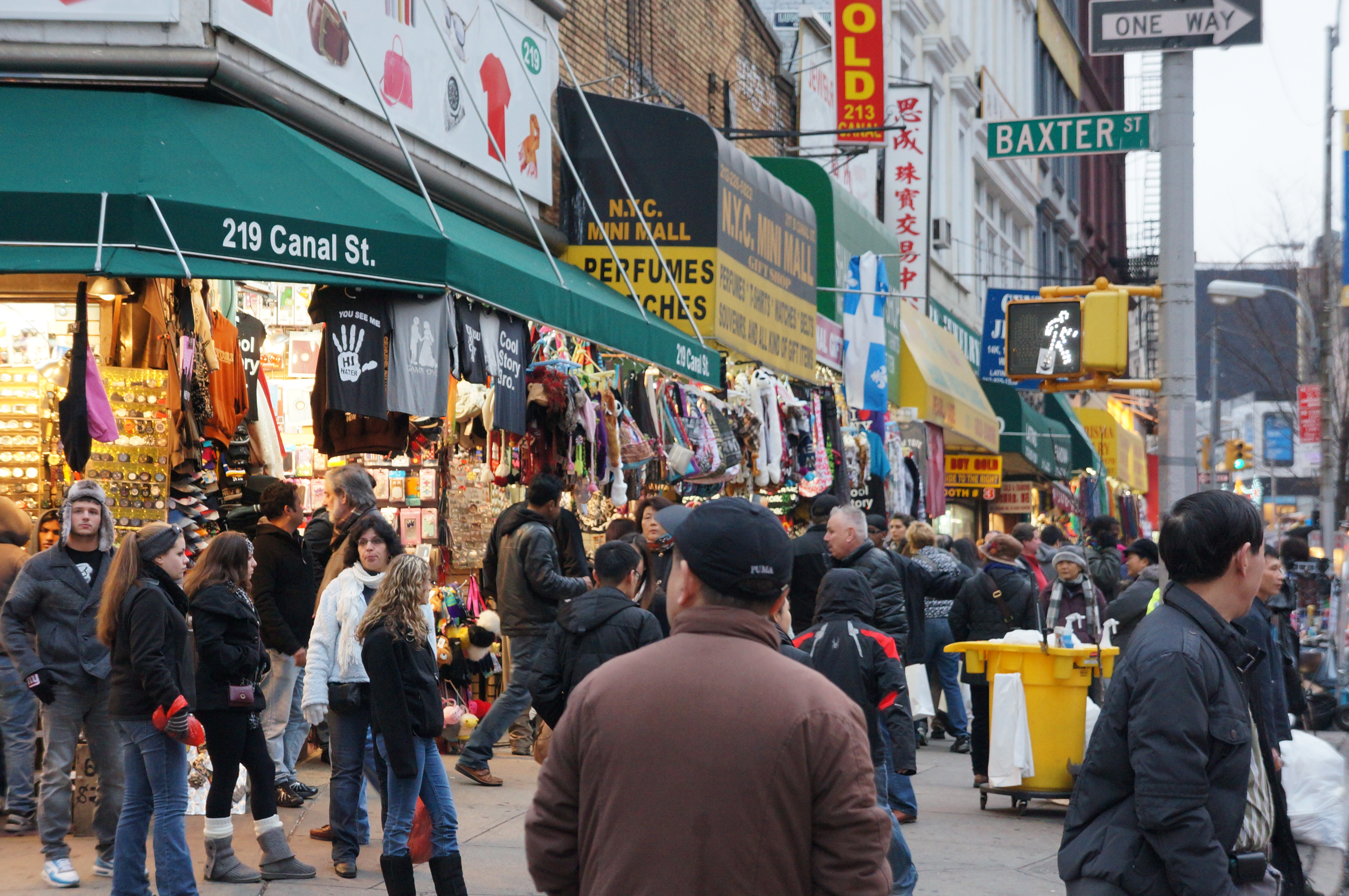
Navigating the Streets: Canal Street’s Geographic Heart
To truly grasp the essence of Canal Street, one must first understand its placement within the intricate grid of New York City. Primarily, Canal Street runs east to west across Lower Manhattan. It originates in the east near the East River, specifically near the intersection with Clinton Street, and stretches westward, eventually terminating at the Hudson River, near the Holland Tunnel entrance. This east-west orientation makes it a crucial artery for cross-town travel and a significant boundary.
Boundaries and Neighborhoods: The Defining Lines of Canal Street
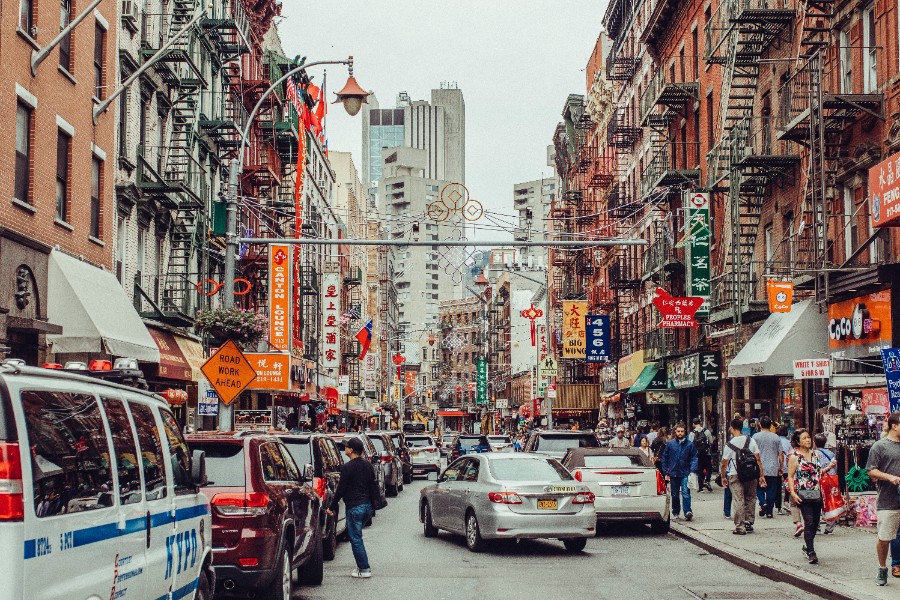
The most prominent and widely recognized section of Canal Street lies between Mott Street and Broadway. This is where its identity as the vibrant gateway to Chinatown is most powerfully established. To the west of Broadway, Canal Street transitions into the trendy, cobblestoned streets of SoHo, known for its cast-iron architecture, upscale boutiques, and art galleries. The juxtaposition of these two distinct neighborhoods, with Canal Street acting as the dividing line, is one of its most fascinating characteristics.
To the north of Canal Street, you’ll find the bustling commercial district of SoHo, a haven for shoppers and art enthusiasts alike. To the south, the vibrant and densely populated Chinatown unfolds, a world of its own, brimming with culinary delights, traditional markets, and a rich cultural heritage. Further west, Canal Street continues its journey, leading towards the Tribeca neighborhood, known for its loft apartments and celebrity residents, and ultimately reaching the waterfront.
Historically, Canal Street was actually a canal, part of the Collect Pond. This pond, once a source of fresh water for the burgeoning city, was eventually filled in during the early 19th century due to pollution. The street was then built over its former path, giving it its unique name. This historical context adds another layer to the street’s significance, reminding us of New York City‘s constant evolution and adaptation.
The Canal Street Experience: More Than Just a Location
Understanding where Canal Street is located is only the first step. To truly appreciate it, one must immerse themselves in the experiences it offers. This is where the website’s core themes of travel, tourism, and lifestyle come into play, as Canal Street is a microcosm of all these elements.
A Shopper’s Paradise and a Food Lover’s Dream
For many, Canal Street is synonymous with shopping. The sidewalks are often lined with vendors selling a vast array of goods, from handbags and sunglasses to electronics and souvenirs. It’s a place where bargaining is part of the experience, and the thrill of finding a hidden gem at a good price is a palpable energy. While it’s important to be discerning and aware of authenticity, the sheer volume and variety of merchandise are astounding.
Beyond the physical goods, Canal Street is an olfactory and gustatory adventure. The aromas of authentic Chinese cuisine waft from numerous restaurants and food stalls. You can find everything from steaming bowls of noodles and dumplings to crispy Peking duck and sweet red bean buns. This is a prime destination for experiencing the authentic flavors of Chinatown, a culinary landscape that has evolved over generations and continues to thrive. Don’t miss the chance to sample some of the local delicacies; it’s an essential part of the Canal Street experience.
Cultural Immersion and Urban Exploration
Canal Street is a melting pot of cultures, a reflection of New York City’s diverse population. As you walk its length, you’ll encounter people from all walks of life, speaking different languages and bringing with them their unique traditions. This is a place where you can witness the vibrant daily life of a bustling metropolis, a living testament to the city’s multicultural fabric.
For travelers interested in local culture, Canal Street offers an unparalleled opportunity for immersion. Observe the interactions in the markets, listen to the conversations, and soak in the atmosphere. It’s a sensory overload in the best possible way. The architectural styles also tell a story, with the historical buildings of Chinatown giving way to the industrial-chic loft buildings of SoHo. Exploring these transitions offers a visual narrative of the city’s development.
The area surrounding Canal Street is also rich in historical landmarks and attractions. While Canal Street itself might be primarily known for its commerce, its proximity to other significant sites makes it an excellent base for exploration. A short walk can lead you to the historic streets of Lower East Side, the financial district of the Financial District, or the artistic enclave of Greenwich Village.
Practical Tips for Visiting Canal Street
When planning your visit to Canal Street, a few practical tips can enhance your experience and ensure you make the most of your time in this dynamic part of New York City.
Getting There and Getting Around
Canal Street is incredibly accessible via public transportation. Several New York City Subway lines stop directly at or near Canal Street, including the N, Q, R, W, J, Z, 6, and 1, 2, 3 lines. This makes it easy to reach from anywhere in the city. Depending on your destination within the Chinatown or SoHo districts, walking is often the best way to explore, allowing you to soak in the sights and sounds at your own pace.
What to Expect and How to Navigate
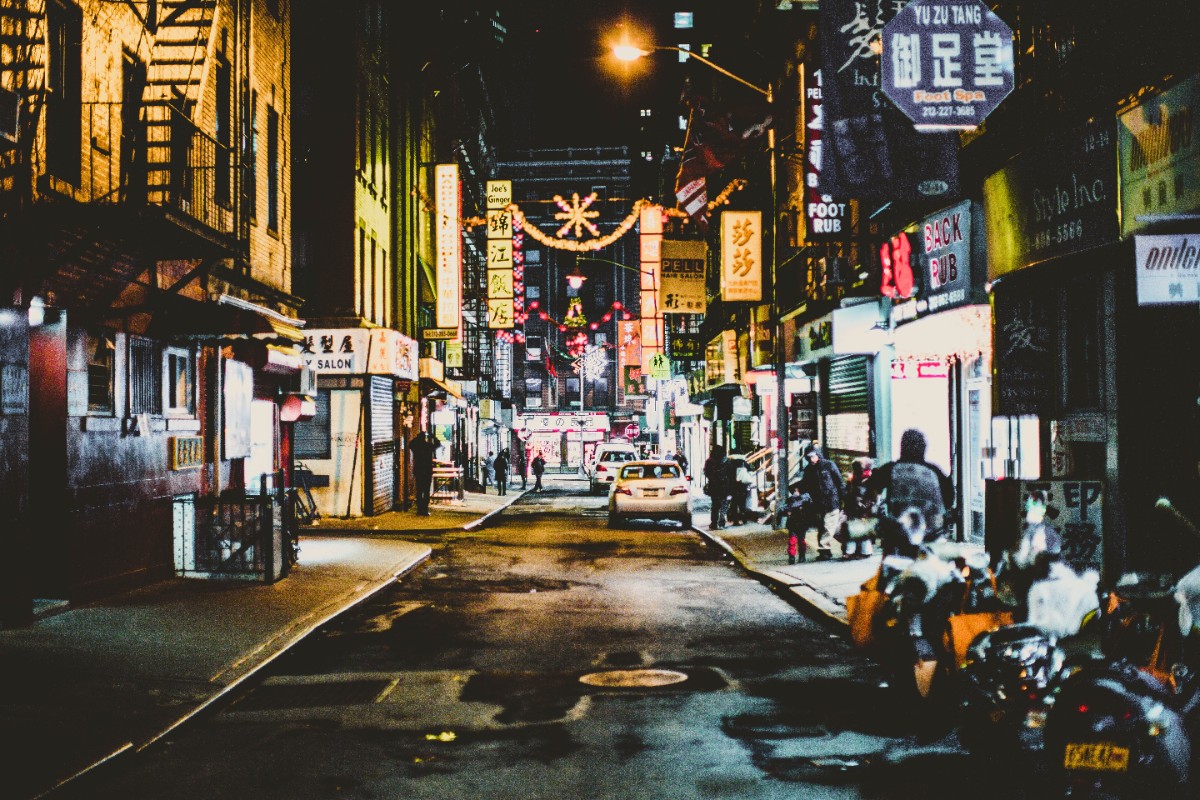
As mentioned, Canal Street can be very crowded, especially during peak hours and weekends. Be prepared for bustling crowds and take precautions with your belongings. For shoppers, it’s wise to have some cash on hand, as not all vendors accept credit cards. Familiarize yourself with the general direction you want to go – whether it’s deeper into Chinatown for dim sum or towards SoHo for boutique shopping – to avoid feeling overwhelmed.
Consider visiting during weekdays if you prefer a slightly less crowded experience. However, the weekend energy is also part of what makes Canal Street so unique. Embrace the chaos, be open to discovery, and enjoy the vibrant, authentic spirit of this iconic New York City street. Whether you’re looking for a bargain, a delicious meal, or simply a glimpse into the heart of Manhattan’s diverse neighborhoods, Canal Street is a destination that promises an unforgettable urban adventure.
LifeOutOfTheBox is a participant in the Amazon Services LLC Associates Program, an affiliate advertising program designed to provide a means for sites to earn advertising fees by advertising and linking to Amazon.com. Amazon, the Amazon logo, AmazonSupply, and the AmazonSupply logo are trademarks of Amazon.com, Inc. or its affiliates. As an Amazon Associate we earn affiliate commissions from qualifying purchases.