
Canal Street, a pulsating artery in the heart of Manhattan, is far more than just a street; it is a vibrant destination, a sensory explosion, and a gateway to the rich tapestry of New York City’s immigrant history and entrepreneurial spirit. Nestled within the bustling borough of Manhattan, this iconic thoroughfare is synonymous with bustling markets, diverse cultures, and an energetic atmosphere that draws millions of visitors each year. Understanding its location is the first step in unlocking the myriad experiences it offers, from its historical significance to its present-day allure as a prime spot for shopping, dining, and immersing oneself in the city’s dynamic urban landscape.
Navigating the Geography of Canal Street
Canal Street stretches across Lower Manhattan, serving as a significant boundary and a central hub for several distinct neighborhoods. Its eastward trajectory begins in the west, near the Hudson River, and continues across the island, eventually terminating near the East River. This east-west orientation places it strategically, connecting various parts of downtown Manhattan and offering a diverse range of experiences as one traverses its length.
The Heart of Chinatown
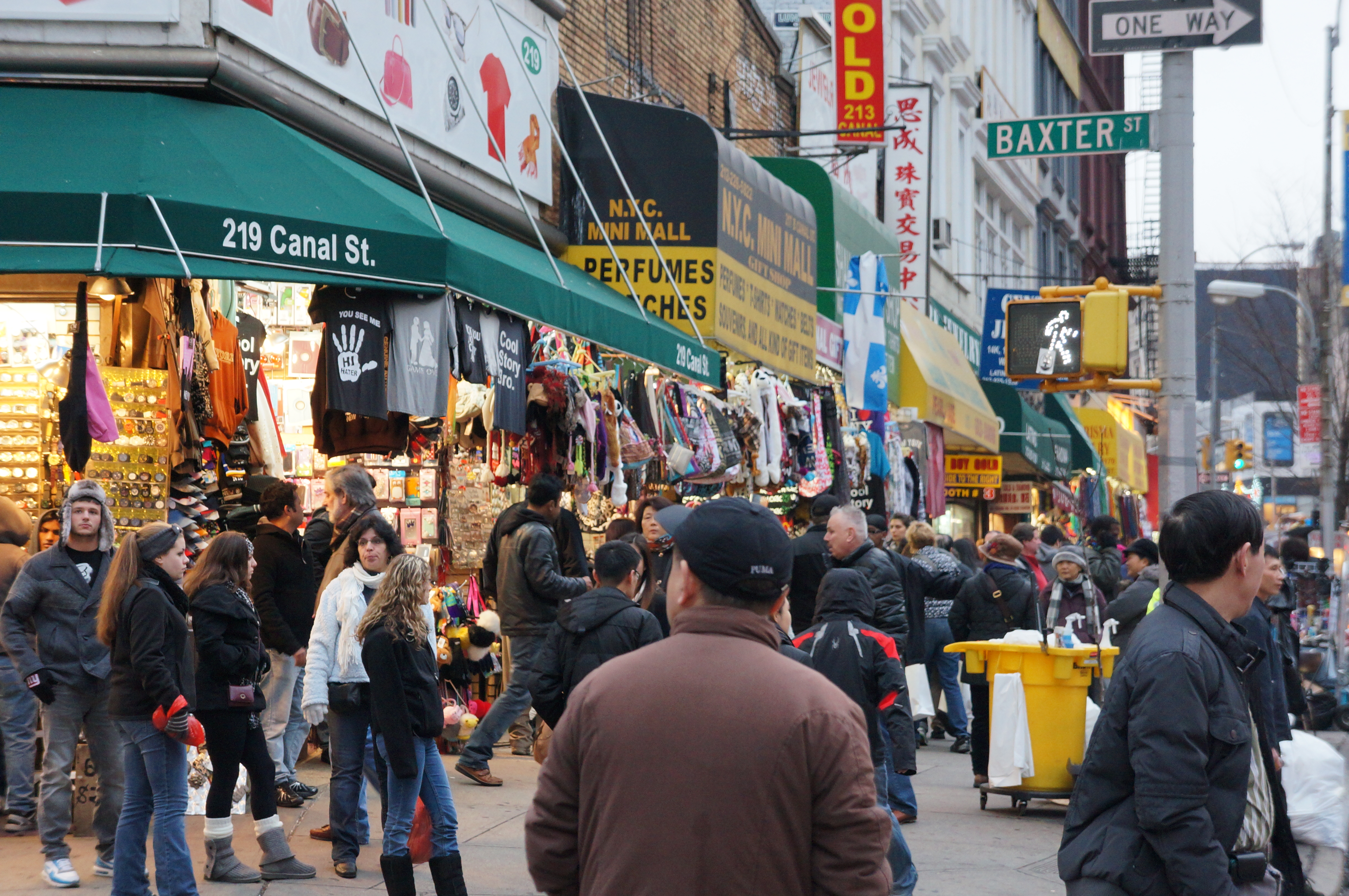
Perhaps the most iconic stretch of Canal Street is its eastern segment, which forms the vibrant epicenter of Chinatown. Here, the street becomes a lively bazaar, a kaleidoscope of sights, sounds, and smells. Red lanterns hang overhead, calligraphy adorns shop signs, and the air is thick with the aroma of authentic Chinese cuisine. This section is where many visitors first encounter the bustling energy that defines Canal Street, with vendors lining the sidewalks selling everything from fashion accessories and electronics to souvenirs and traditional Chinese goods. Navigating this part of Canal Street requires an openness to sensory input and a willingness to explore the countless shops and stalls.
Boundaries and Connections
To the west, Canal Street transitions through areas that reflect a different facet of New York’s urban fabric. It forms the southern border of SoHo, a neighborhood renowned for its cast-iron architecture, upscale boutiques, and art galleries. This juxtaposition highlights the eclectic nature of Canal Street, acting as a conduit between the vibrant street markets of Chinatown and the more sophisticated shopping and cultural scene of SoHo. Further west, it approaches the vibrant waterfront, hinting at the maritime history of the area.
Proximity to Other Downtown Landmarks
Canal Street’s strategic location also makes it easily accessible and a convenient starting point for exploring other notable downtown destinations. It is within walking distance of areas like Little Italy, the financial district, and Tribeca. Its proximity to major transportation hubs, including numerous subway lines, further solidifies its role as a central point of access for both tourists and locals alike. Understanding its geographical context is key to planning a comprehensive visit to this dynamic part of New York City.
The Allure of Canal Street: A Multifaceted Destination
Canal Street’s enduring appeal lies in its ability to offer something for everyone, from budget-conscious shoppers seeking a bargain to those interested in experiencing authentic local culture. Its transformation over the decades from a drainage canal to the bustling thoroughfare it is today is a testament to the resilience and dynamism of New York City.
A Shopper’s Paradise
For many, Canal Street is synonymous with shopping. The street is legendary for its extensive range of goods, often sold at prices that are hard to beat. From imitation designer handbags and watches to electronics, jewelry, and souvenirs, the variety is staggering. Bargaining is often part of the experience, adding to the lively and interactive nature of shopping here. While quality can vary, the thrill of finding a hidden gem at an incredible price is a significant draw. Shoppers can spend hours exploring the labyrinthine shops and street vendors, discovering a world of affordable fashion and unique finds.
A Culinary Journey
The culinary landscape of Canal Street is as diverse and exciting as its shopping offerings. Within the heart of Chinatown, visitors can indulge in authentic dim sum, steaming bowls of noodles, and a wide array of regional Chinese delicacies. The aromas wafting from the numerous restaurants and food stalls are an irresistible invitation to embark on a gastronomic adventure. Beyond Chinese cuisine, the surrounding neighborhoods offer a taste of other global flavors, reflecting the multicultural mosaic of New York City. From quick bites from street carts to sit-down dining experiences, Canal Street promises a delicious exploration for every palate.
Cultural Immersion
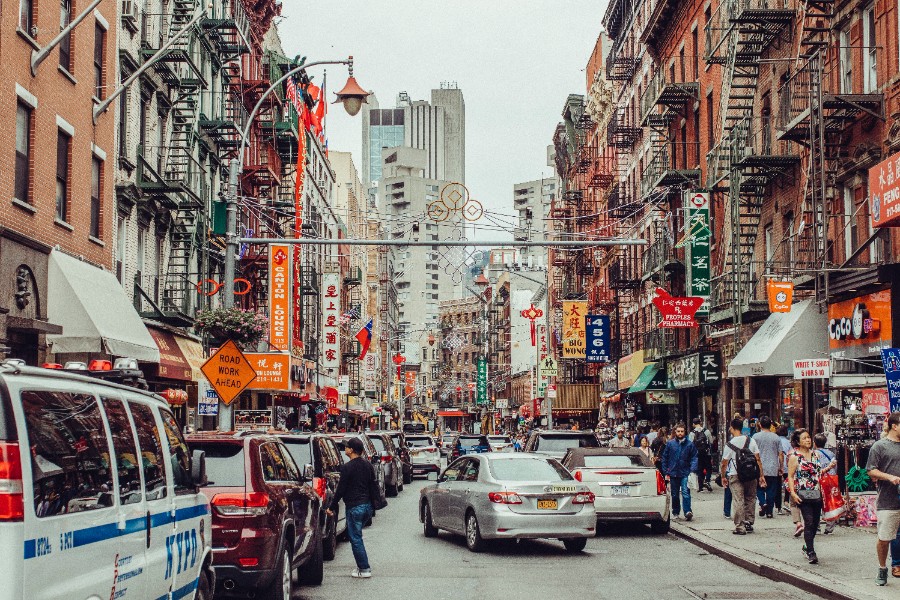
Beyond its commercial aspects, Canal Street offers a profound opportunity for cultural immersion. Walking its streets is like stepping into a different world, where languages, traditions, and customs converge. Observing the daily life of the residents, participating in the vibrant street commerce, and engaging with the diverse communities that call this area home provides an authentic glimpse into the multicultural heart of New York City. The street acts as a living museum, showcasing the immigrant experience and the enduring spirit of entrepreneurship that has shaped the city.
Historical Significance and Evolution
Canal Street’s origins are rooted in the city’s early development and its practical needs. What is now a bustling commercial street was once a much different feature of the urban landscape, with a history that is integral to understanding its present-day character.
From Drainage Canal to Thriving Thoroughfare
Originally, Canal Street was indeed a canal, constructed in the early 19th century to drain the Collect Pond, a former natural freshwater pond that had become heavily polluted. This engineering feat transformed a stagnant body of water into a functional waterway used for transporting goods. Over time, as Manhattan continued to develop and expand, the canal was gradually filled in, and by the mid-19th century, it had been converted into a street. This transition from a functional waterway to a public street laid the groundwork for its future as a commercial hub.
The Rise of Diverse Communities
As the street developed, it became a focal point for various immigrant communities, most notably the Chinese community who began to establish a significant presence in the late 19th and early 20th centuries. They transformed the area into the vibrant Chinatown we know today, bringing their businesses, traditions, and cultural heritage. The area’s accessibility and relatively affordable rents attracted these new arrivals, fostering a unique urban ecosystem. Over time, other ethnic groups also contributed to the evolving character of the neighborhoods surrounding Canal Street, creating a rich tapestry of cultures.
A Symbol of Urban Dynamism
The history of Canal Street is a microcosm of New York City’s larger narrative – one of constant change, adaptation, and the integration of diverse populations. From its humble beginnings as a drainage system to its current status as a globally recognized destination, Canal Street embodies the relentless energy and entrepreneurial spirit that define New York City. Its evolution reflects the city’s capacity to reinvent itself and to embrace the contributions of people from all corners of the world.
Tips for Experiencing Canal Street
To truly make the most of a visit to Canal Street, a thoughtful approach can enhance the experience. Understanding the best times to visit, how to navigate its bustling environment, and what to keep an eye out for can transform a casual stroll into a memorable adventure.
Strategic Timing for Exploration
Canal Street is at its most vibrant, and perhaps its most overwhelming, during peak shopping hours and on weekends. For a slightly less crowded experience, consider visiting on a weekday morning. This allows for a more relaxed exploration of the shops and a better opportunity to interact with vendors. However, if the energetic buzz is what you seek, then the weekend throngs are precisely what you’re looking for. Be prepared for crowds, especially during holidays and major sales events.
Navigating the Crowds and Commerce
Navigating Canal Street requires a degree of patience and a keen sense of awareness. The sidewalks can become very crowded, with shoppers, vendors, and delivery personnel all vying for space. Keep your belongings secure and be mindful of your surroundings. When shopping, don’t be afraid to engage with vendors; many are friendly and happy to chat. Remember that bargaining is often expected, so approach it with a good-natured attitude. Trying different food stalls and small eateries is highly recommended for an authentic taste of the local offerings.

Embracing the Unexpected
One of the greatest joys of Canal Street is the element of surprise. Beyond the main thoroughfares, venture into the smaller side streets and alleyways that branch off. You might discover hidden artisan shops, unique eateries, or quiet courtyards that offer a brief respite from the bustle. Keep an open mind, be willing to explore, and allow yourself to be swept up in the vibrant energy of this iconic New York City street. Whether you’re seeking a bargain, a delicious meal, or a genuine cultural experience, Canal Street promises an unforgettable journey through the heart of New York City.
LifeOutOfTheBox is a participant in the Amazon Services LLC Associates Program, an affiliate advertising program designed to provide a means for sites to earn advertising fees by advertising and linking to Amazon.com. Amazon, the Amazon logo, AmazonSupply, and the AmazonSupply logo are trademarks of Amazon.com, Inc. or its affiliates. As an Amazon Associate we earn affiliate commissions from qualifying purchases.