
Cape Coral, often referred to as a “Waterfront Wonderland,” is a prominent city nestled on the southwestern coast of Florida. Its unique geography, characterized by an extensive network of canals, sets it apart as a premier travel destination for those seeking sun, water activities, and a relaxed coastal lifestyle. Understanding its precise location is the first step in planning an unforgettable journey to this charming Southwest Florida gem.
Pinpointing Cape Coral’s Location on the Florida Map
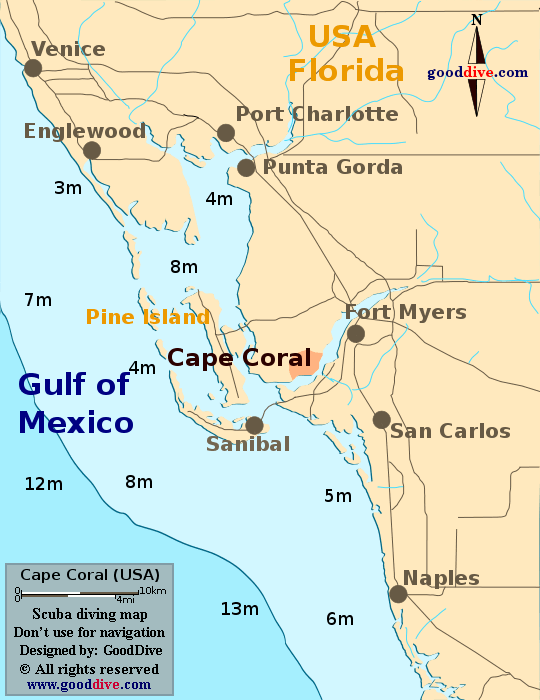
Cape Coral is situated in Lee County, directly across the Caloosahatchee River from its larger neighbor, Fort Myers. This strategic placement provides Cape Coral with excellent access to the pristine waters of the Gulf of Mexico, making it a boater’s paradise. Geographically, it lies approximately 120 miles south of Tampa, 150 miles west of Miami, and about 160 miles southwest of Orlando.

The city occupies a large peninsula, bordered to the east by the Caloosahatchee River and to the west by Matlacha Pass and Pine Island Sound, both leading to the Gulf of Mexico. Its proximity to barrier islands like Sanibel Island and Captiva Island further enhances its appeal, offering travelers convenient access to some of Florida’s most famous beaches and shelling opportunities. The flat terrain of Cape Coral allowed for the extensive canal system that defines its urban landscape, a feature that contributes significantly to its identity as a travel hotspot. This intricate network of waterways—reportedly over 400 miles long—is integral to the city’s residential and recreational character, providing countless properties with direct boat access to the river and beyond.
Its location in Southwest Florida also means it enjoys a subtropical climate, characterized by warm, humid summers and mild, dry winters. This makes it an attractive year-round destination, particularly for those looking to escape colder climates during the winter months. The consistent sunshine and gentle sea breezes create an inviting environment for outdoor activities, from leisurely strolls along the waterfront to adventurous fishing expeditions in the Gulf of Mexico. The accessibility from major interstate highways and its proximity to international airports further solidify its status as an easily reachable travel spot, welcoming visitors from across the globe eager to experience the unique charm of a canal-laden city.
A Traveler’s Introduction to the Waterfront Wonderland
Cape Coral is not just a city; it’s an experience defined by its unique aquatic landscape. As a travel destination, its primary allure lies in its unparalleled access to water-based activities and a lifestyle centered around the ocean. The vast network of canals provides residents and visitors alike with an opportunity to live, dine, and play along the water’s edge. Many homes feature private docks, making boat ownership or rental a highly practical and popular way to explore the area.
Travelers are drawn to Cape Coral for its serene environment, which contrasts with the bustling energy of other Florida tourist hubs. Here, the pace is slower, allowing for true relaxation and immersion in nature. The city’s carefully planned layout ensures that green spaces and parks are abundant, providing natural havens for wildlife and recreational areas for people. Birdwatching, kayaking through mangrove tunnels, and spotting manatees are common activities that connect visitors with the region’s rich biodiversity.
Beyond its natural beauty, Cape Coral has cultivated a vibrant local culture that blends modern amenities with a laid-back, community-focused atmosphere. Downtown areas and waterfront promenades offer a diverse array of dining options, from fresh seafood restaurants boasting Gulf of Mexico catches to international cuisines. Boutique shops, art galleries, and lively entertainment venues contribute to a welcoming environment for all types of travelers. Whether one seeks a tranquil retreat, an active water sports adventure, or a cultural exploration, Cape Coral presents a multifaceted appeal that caters to a wide range of travel preferences, all underscored by its distinctive canal system.
The Allure of Waterfront Living
The extensive canal system in Cape Coral means that a significant portion of the city’s homes and accommodations offer direct waterfront access. For travelers, this translates into unique opportunities: rent a vacation home with a private dock and bring your boat, or simply enjoy breakfast with a view of the water, watching boats cruise by. This distinct feature elevates the travel experience, moving beyond standard hotel stays to more immersive, localized living. The ability to launch a kayak or paddleboard directly from your backyard, or to easily embark on a fishing charter, is a luxury that few destinations can offer on such a broad scale. It fosters a sense of freedom and adventure, allowing travelers to truly embrace the coastal lifestyle of Southwest Florida.
Key Attractions and Experiences for Travelers
Cape Coral offers a diverse range of attractions and activities that cater to various interests, ensuring a fulfilling travel experience.
Water-Based Adventures
The city’s identity as a “Waterfront Wonderland” naturally leads to an abundance of water-centric activities. Boating is paramount, with numerous marinas offering boat rentals, charters, and excursions. From leisurely cruises along the canals to deep-sea fishing trips in the Gulf of Mexico, the options are limitless. Kayaking and paddleboarding are popular ways to explore the calmer canal waters and mangrove tunnels, providing intimate encounters with local wildlife. For families, the SunSplash Family Waterpark offers thrilling slides and aquatic fun, making it a perfect spot to cool off during warmer months. The Cape Coral Yacht Club boasts a public beach, a fishing pier, and a boat ramp, serving as a hub for both locals and visitors.
Nature and Wildlife Exploration

Cape Coral and its surroundings are rich in natural beauty and wildlife. Sirenia Vista Park is a prime location for spotting manatees, especially during cooler months when these gentle giants seek warmer waters. The park also features kayaking trails and observation platforms. For birdwatchers, the many preserves and parks throughout Lee County offer opportunities to see various wading birds, raptors, and migratory species. A short drive will take travelers to the renowned J.N. “Ding” Darling National Wildlife Refuge on Sanibel Island, famous for its incredible birdlife and ecological diversity.
Parks and Recreation
Beyond the canals, Cape Coral provides ample green spaces for recreation. Four Freedoms Park offers a playground, a public beach area on the Caloosahatchee River, and regularly hosts community events. Numerous other neighborhood parks provide facilities for picnics, sports, and quiet contemplation. The city also features several golf courses, catering to enthusiasts looking to enjoy a round amidst scenic Florida landscapes. Biking and walking paths are prevalent, encouraging active exploration of the city’s charming neighborhoods and waterfront views.
Planning Your Visit: Access and Ideal Seasons
Reaching Cape Coral is relatively straightforward, making it an accessible destination for travelers. The primary gateway is Southwest Florida International Airport (RSW), located in Fort Myers, approximately 30-40 minutes’ drive from Cape Coral. This airport serves numerous domestic and international routes, connecting visitors from various parts of the world. Another option, particularly for budget airlines, is Charlotte County Airport (PGD) in Punta Gorda, about 45 minutes north. From either airport, rental cars, ride-sharing services, and taxis are readily available.
For those driving, Cape Coral is well-connected to major Florida highways, including I-75, which runs north-south through the state. Travelers can take Exit 136 (Colonial Boulevard) or Exit 139 (Six Mile Cypress Parkway) and head west towards Cape Coral via the bridges crossing the Caloosahatchee River.
The best time to visit Cape Coral largely depends on personal preferences, though the winter and spring months are generally considered ideal.
Optimal Travel Seasons
- Winter (December to February): This is peak season, characterized by mild temperatures (averaging in the 70s Fahrenheit/20s Celsius), low humidity, and minimal rainfall. It’s perfect for outdoor activities like boating, fishing, and exploring natural preserves. However, accommodations and flights can be more expensive, and attractions might be more crowded.
- Spring (March to May): A beautiful time to visit, with warm temperatures, decreasing humidity, and fewer crowds than winter. The water is pleasant for swimming, and nature is in full bloom. It offers a great balance between pleasant weather and reasonable prices.
- Summer (June to August): Characterized by hot temperatures, high humidity, and daily afternoon thunderstorms. While less crowded and often more affordable, the heat can be intense for some outdoor activities. It’s a good time for waterpark visits and indoor attractions. It’s also hurricane season, so travel insurance is recommended.
- Fall (September to November): Temperatures begin to cool, and humidity drops, making it more comfortable than summer. Crowds are thin, and prices are often lower. This period can still see tropical activity, particularly in September and October.
Regardless of the season, Cape Coral’s charm as a waterfront destination remains constant, inviting travelers to discover its unique blend of aquatic adventure and laid-back Florida living.
Beyond the Canals: Exploring Southwest Florida from Cape Coral
Cape Coral’s central location in Southwest Florida makes it an excellent base for exploring a wider array of regional attractions and experiences. Travelers staying in Cape Coral can easily embark on day trips to iconic nearby destinations, enhancing their overall Florida adventure.
Barrier Islands and Beaches
Just a short drive and bridge crossing away are the renowned barrier islands of Sanibel Island and Captiva Island. These islands are world-famous for their shelling opportunities, pristine white-sand beaches, and commitment to preserving natural beauty. Travelers can spend a day collecting unique shells, relaxing on the beach, or exploring the J.N. “Ding” Darling National Wildlife Refuge. Fort Myers Beach, known for its vibrant pier, lively atmosphere, and warm Gulf of Mexico waters, is also easily accessible. These coastal havens offer a perfect complement to Cape Coral’s canal-centric charm.
Cultural and Urban Explorations
Across the Caloosahatchee River, downtown Fort Myers offers a historic district with charming shops, restaurants, and the winter estates of Thomas Edison and Henry Ford. This area provides a glimpse into Florida’s past and a lively nightlife scene. Further south, the affluent city of Naples beckons with its upscale shopping on Fifth Avenue South, exquisite dining, and sophisticated art galleries. To the north, Sarasota offers cultural gems like The Ringling Museum and the beautiful beaches of Siesta Key.
Wilderness and Ecosystems
For those seeking deeper immersion in Florida’s unique ecosystems, day trips to the Everglades National Park are feasible. Experience airboat rides, spot alligators and various bird species, and learn about this critical wetland environment. The proximity to these diverse attractions underscores Cape Coral’s appeal not just as a standalone destination but as a strategic hub for exploring the best of Southwest Florida’s natural wonders and cultural richness.
LifeOutOfTheBox is a participant in the Amazon Services LLC Associates Program, an affiliate advertising program designed to provide a means for sites to earn advertising fees by advertising and linking to Amazon.com. Amazon, the Amazon logo, AmazonSupply, and the AmazonSupply logo are trademarks of Amazon.com, Inc. or its affiliates. As an Amazon Associate we earn affiliate commissions from qualifying purchases.