
The name “Cecil Hotel” evokes a sense of mystery and intrigue, often conjuring images of grand old establishments with rich histories. For many travelers and urban explorers alike, the question “Where is the Cecil Hotel?” has become synonymous with uncovering a fascinating piece of architectural and cultural heritage. While there have been several establishments bearing the Cecil name throughout history and across different locations, when the question is posed in the context of urban lore and a certain macabre fascination, it most commonly refers to a specific, storied hotel in the heart of Los Angeles, California. This isn’t just any hotel; it’s a landmark that has witnessed decades of the city’s evolution, playing host to a kaleidoscope of guests and events, some mundane, others tragically etched into public consciousness.
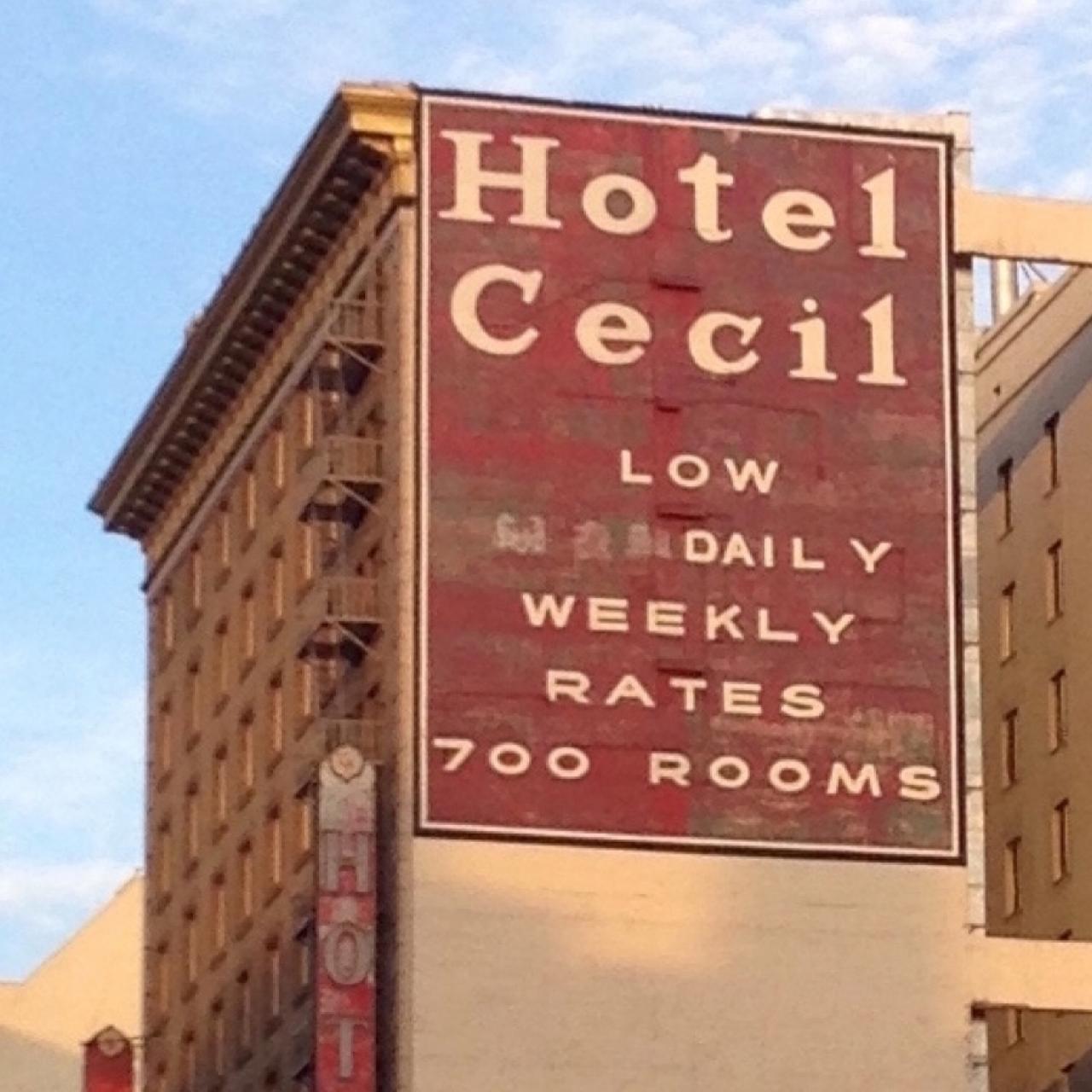
The Cecil Hotel, or more precisely, the Cecil Hotel in Los Angeles, stands as a testament to a bygone era of Hollywood glamour and, more recently, a symbol of the city’s complex urban narrative. Its imposing presence on Main Street in Downtown Los Angeles makes it a visible, albeit often discussed with a certain hushed reverence, fixture. Understanding its location is the first step in appreciating its multifaceted story, a story that intertwines travel, accommodation, and a significant dose of history and lifestyle intrigue.
A Beacon of Downtown Los Angeles’s Past
Architectural Significance and Early Days
The Cecil Hotel was originally built in 1924, a period of significant growth and aspiration for Los Angeles. Designed in the Beaux-Arts style, its grand facade and opulent interiors were intended to offer a luxurious hotel experience for travelers arriving in the burgeoning city. For decades, it served as a respectable establishment, catering to tourists, businessmen, and even some early Hollywood figures. Its central location made it an attractive option for those seeking convenient accommodation and access to the city’s attractions.
At its inception, the Cecil Hotel was a symbol of progress and prosperity. It offered a range of amenities typical of upscale hotels of the era, providing a comfortable and elegant respite for its guests. The sheer scale of the building, with its numerous rooms and public spaces, contributed to its prominence on the Downtown Los Angeles skyline. It was a place where travelers could find a sense of familiarity and comfort, a reliable destination amidst the excitement of a rapidly expanding metropolis. The architecture itself speaks to a period where grand hotels were often considered destinations in their own right, embodying a certain grandeur that is less common in modern hotel design.
Evolution Through the Decades
As Los Angeles transformed, so too did the Cecil Hotel. The post-war boom brought new types of travelers and new expectations. While it continued to operate as a hotel, the demographics of its guests began to shift. Economic downturns and changing urban landscapes in Downtown Los Angeles led to a more diverse clientele, including budget-conscious travelers, long-term residents, and individuals seeking affordable accommodation. This period marked a transition from a luxury establishment to a more accessible and varied lodging option.
The Cecil Hotel became a microcosm of the city’s social and economic currents. Its Main Street address placed it at the crossroads of different communities and lifestyles. While it retained some of its historical charm, it also began to be associated with the challenges and realities of urban living in a major city. This duality is crucial to understanding the hotel’s enduring mystique; it was both a grand old building and a reflection of the ever-changing face of Downtown Los Angeles.
The Cecil Hotel’s Notoriety and Lingering Questions
Infamous Residents and Tragic Events

The Cecil Hotel gained a more somber and internationally recognized notoriety through a series of unfortunate events and the association with individuals whose lives ended tragically within its walls or are linked to its history. Perhaps the most widely discussed is the case of Elisa Lam, a young Canadian tourist whose mysterious death in 2013 within a water tank on the hotel’s roof captivated global attention. Her disappearance and the subsequent discovery of her body, along with unsettling video footage released by the Los Angeles Police Department, fueled widespread speculation and conspiracy theories, further cementing the hotel’s place in popular culture and true crime discourse.
Beyond the Elisa Lam case, the Cecil Hotel has a darker past. It was once a known haunt for serial killers, most notably Richard Ramirez, known as the “Night Stalker,” and Jack Unterweger, an Austrian journalist and murderer. Both men reportedly stayed at the Cecil Hotel during their crime sprees, further adding to the hotel’s chilling reputation. These associations, while disturbing, are undeniable parts of its historical narrative, influencing how the hotel is perceived by many. This dark history has made the Cecil Hotel a focal point for urban exploration and those interested in the darker aspects of Los Angeles history.
The Hotel in Popular Culture
The Cecil Hotel‘s intriguing and often dark history has not gone unnoticed by the entertainment industry. Its unique atmosphere and storied past have made it a compelling backdrop and subject for documentaries, television series, and films. Most recently, the Netflix docuseries “Crime Scene: The Vanishing at the Cecil Hotel” brought renewed global attention to the Elisa Lam case and the hotel’s history. This exposure introduced the Cecil Hotel to a new generation, solidifying its status as a landmark of both historical interest and contemporary fascination.
The hotel’s narrative has been woven into the fabric of Los Angeles lore, appearing in fictionalized accounts and real-life investigations. Its physical presence in Downtown Los Angeles serves as a constant reminder of the stories that have unfolded within its rooms. The Cecil Hotel has transcended its function as mere accommodation to become a character in its own right, a silent witness to human drama, tragedy, and the persistent allure of the unexplained. This cultural resonance ensures that the question “Where is the Cecil Hotel?” continues to be a point of curiosity for those drawn to the intersection of travel, history, and the darker corners of urban life.
Navigating the Cecil Hotel’s Location and Legacy
Its Place in Downtown Los Angeles
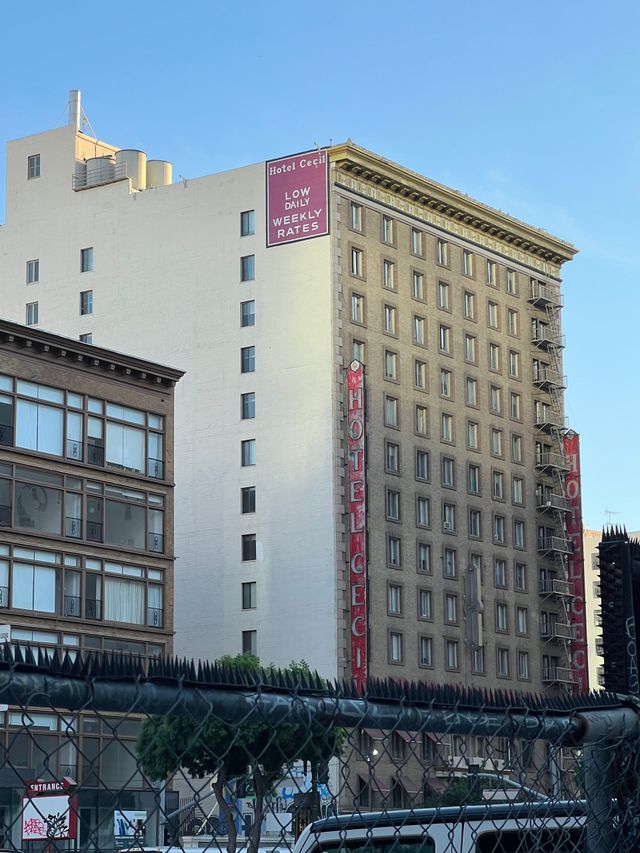
The Cecil Hotel is strategically located at 640 South Main Street, Los Angeles, California 90014. This address places it squarely within the bustling and eclectic landscape of Downtown Los Angeles, a district that has undergone significant revitalization in recent years. Historically, Downtown Los Angeles was the city’s core business and entertainment hub, and while it experienced periods of decline, it has since re-emerged as a vibrant center for culture, dining, and residential living.
Being situated on Main Street means the Cecil Hotel is in proximity to many of the city’s key attractions and transportation hubs. This accessibility has historically been a draw for travelers. Visitors can easily explore nearby landmarks such as the Grand Central Market, Walt Disney Concert Hall, and the historic Bradbury Building. The Downtown Los Angeles area offers a rich tapestry of experiences, from modern skyscrapers to historic architecture, and the Cecil Hotel is an integral part of this urban panorama. Its presence is a reminder of the area’s layered history, from its glamorous past to its more recent, complex chapters.
The Future of the Cecil Hotel
The Cecil Hotel has been the subject of significant redevelopment plans. In 2017, it was purchased by Richard Born, who aimed to renovate and reopen it as a mixed-use development, including hotel rooms and affordable housing. However, the ambitious plans faced numerous challenges, and the hotel remained closed for an extended period, continuing to stand as a silent monument to its storied past.
More recently, the hotel has been acquired by Simon Baron Development, with plans to transform it into a blend of market-rate apartments and affordable housing. The vision is to revitalize the iconic building, preserving its historical significance while adapting it for contemporary use. This ongoing transformation reflects the broader revitalization efforts in Downtown Los Angeles, aiming to breathe new life into historic structures and integrate them into the modern urban fabric. While the exact future of its hotel operations remains uncertain, the Cecil Hotel is poised to continue its journey, a landmark that has witnessed and shaped countless stories within the heart of Los Angeles. Its legacy is one of resilience, a testament to the enduring power of place and the narratives that become intertwined with it, making it a compelling subject for anyone interested in travel, history, and the fascinating evolution of urban landscapes.
LifeOutOfTheBox is a participant in the Amazon Services LLC Associates Program, an affiliate advertising program designed to provide a means for sites to earn advertising fees by advertising and linking to Amazon.com. Amazon, the Amazon logo, AmazonSupply, and the AmazonSupply logo are trademarks of Amazon.com, Inc. or its affiliates. As an Amazon Associate we earn affiliate commissions from qualifying purchases.