
Chicago’s Chinatown is a vibrant and historically significant neighborhood, a beacon of Chinese culture and commerce nestled within the bustling metropolis of Chicago. Far from being a monolithic entity, it has evolved and expanded over time, offering a rich tapestry of experiences for locals and visitors alike. Understanding its geographical location and its sprawling influence is key to unlocking the full charm of this dynamic community.
The Heart of the Dragon: Exploring the Traditional Chinatown
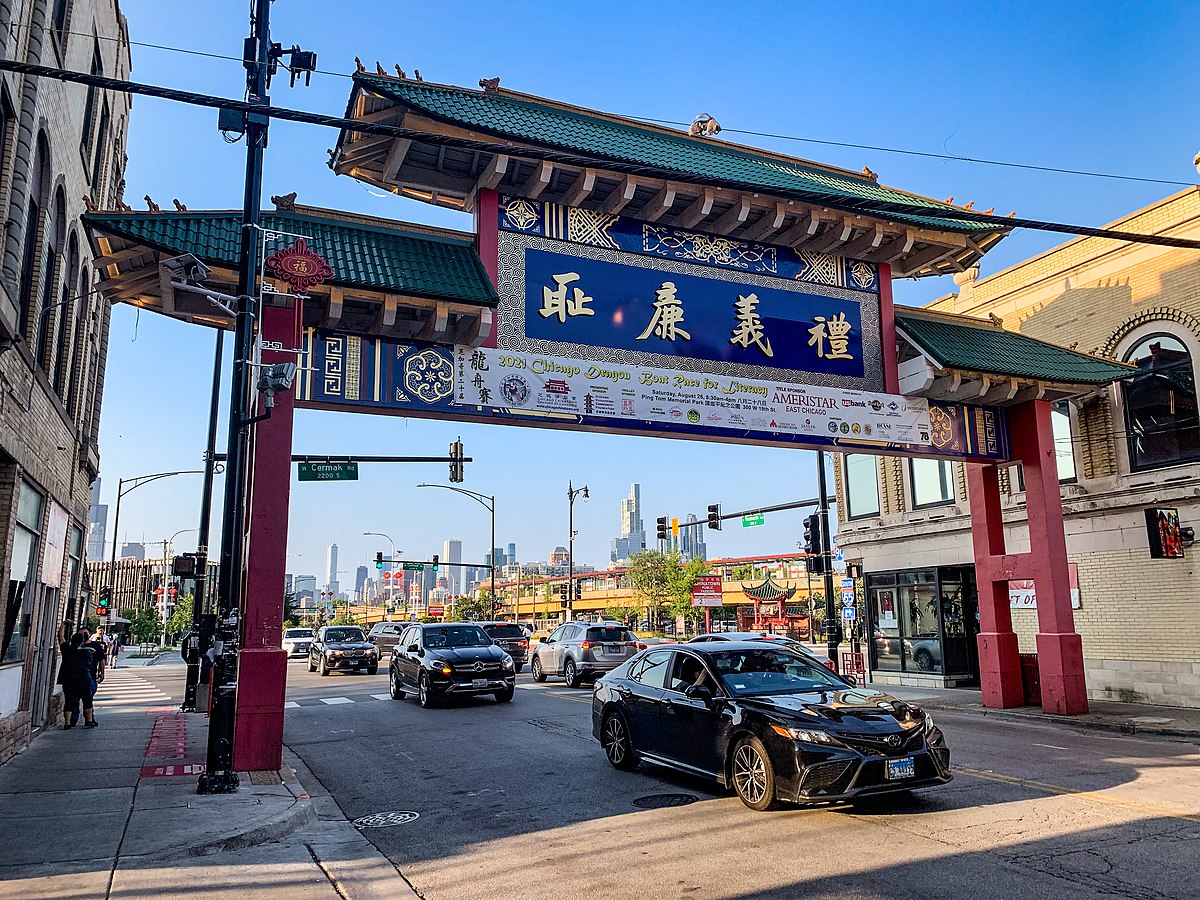
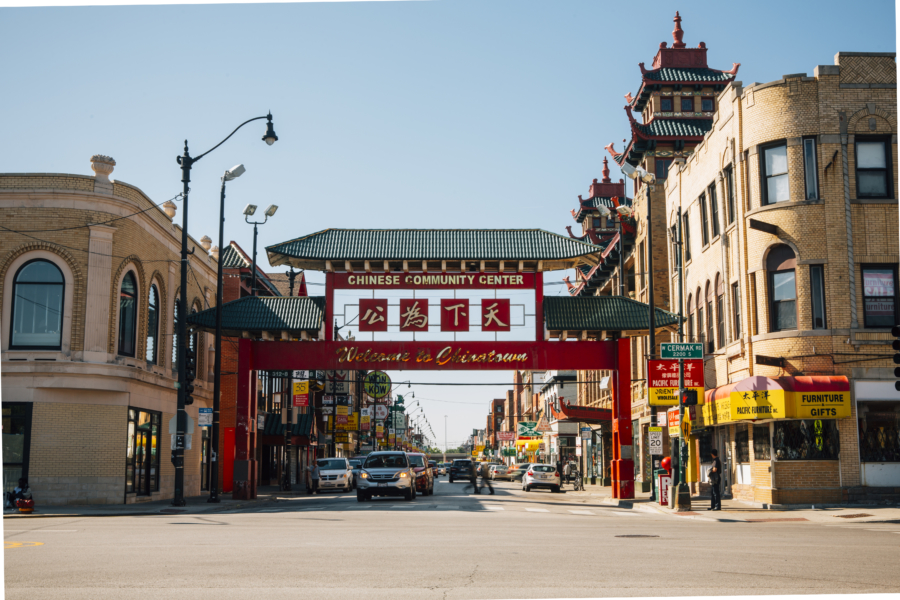
The most commonly recognized and historically significant section of Chicago’s Chinatown is located on the city’s South Side. This vibrant district is centered around Wentworth Avenue and Cermak Road, forming the core of the community.
A Hub of Activity and Tradition
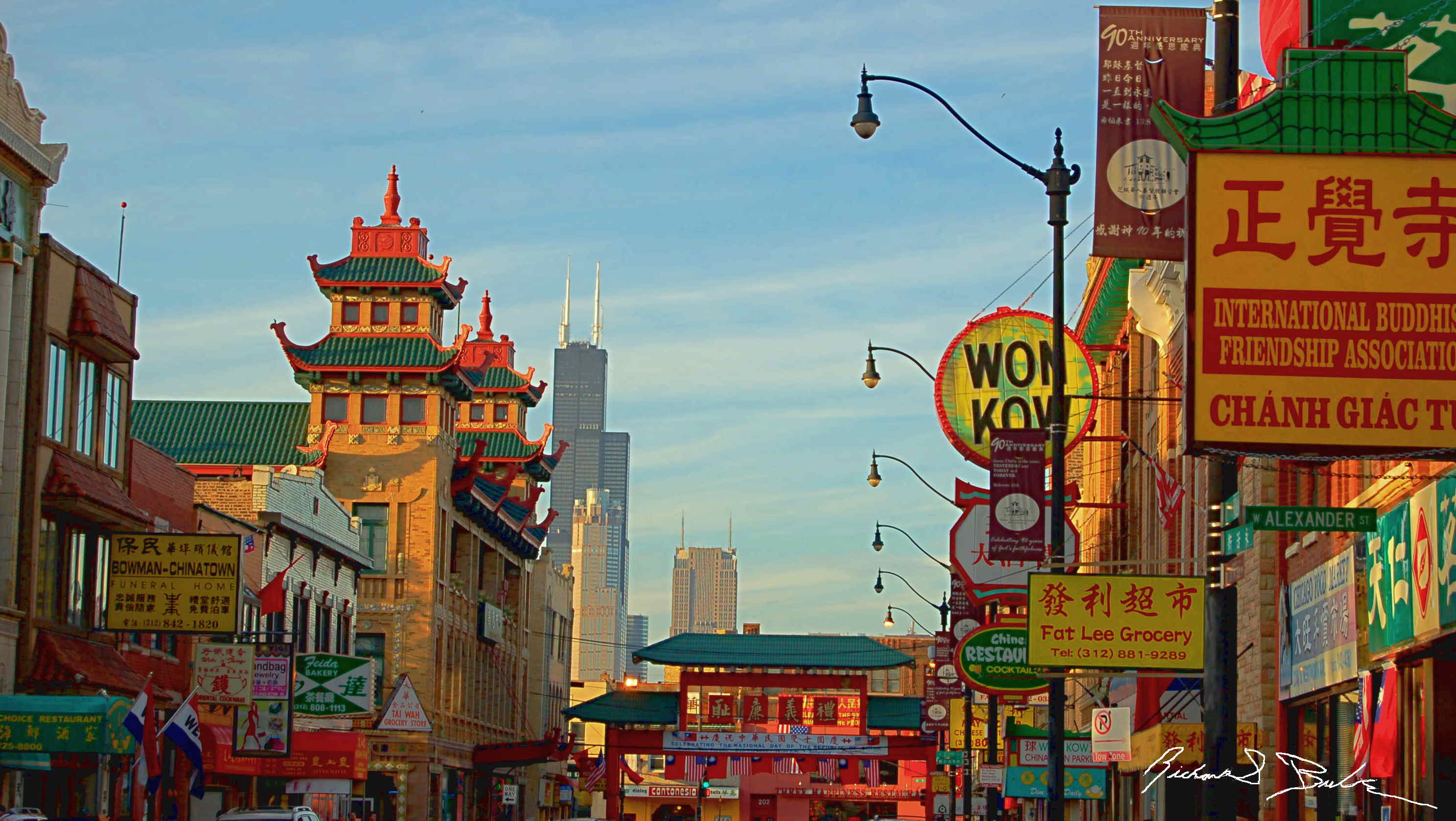
This central area is characterized by its iconic architecture, from the majestic Dragon Gate at the southern entrance to Cermak Road, a symbol of the neighborhood’s identity, to the distinctive pagodas and ornate building facades that line the streets. Wentworth Avenue, often referred to as “Chinatown’s Main Street,” is a sensory delight, brimming with an array of authentic Chinese restaurants, bustling grocery stores stocked with exotic ingredients, traditional gift shops, and bustling markets.
The air here is often filled with the tantalizing aromas of authentic Sichuan cuisine, the rhythmic clatter of mahjong tiles from community centers, and the lively chatter of residents and shoppers. This is where you’ll find the oldest and most established businesses, many of which have served the community for generations, preserving culinary traditions and cultural practices.
Navigating the Central District
- Getting There: The traditional Chinatown is easily accessible via public transportation. The CTA Red Line’s Cermak-Chinatown station drops you right in the heart of the neighborhood, making it a convenient destination for those exploring Illinois. Several bus routes also serve the area.
- Key Landmarks: Beyond the Dragon Gate, notable spots include the Chinatown Square shopping mall, featuring a two-tiered plaza with fountains and a replica of the Great Wall of China, and numerous temples and cultural centers that serve as the spiritual and social anchors of the community.
- Culinary Delights: From dim sum palaces to noodle houses, the culinary landscape is vast and varied. Exploring the small eateries off the main thoroughfare often yields hidden gems and authentic flavors.
Beyond the Traditional: The Expanding Chinese Influence
While the historic South Side district remains the heart, Chicago’s Chinatown is not confined to a single geographic footprint. The community has grown and diversified, with significant Chinese populations and cultural enclaves extending into other parts of the city, reflecting the dynamic nature of urban development and immigration patterns.
Chinatown on the Near South Side: A Modern Extension
A more recent and rapidly developing area often referred to as “Chinatown” or the “New Chinatown” is located on the Near South Side, closer to the downtown core. This area, primarily along Archer Avenue, has seen a surge in new residential developments, modern retail spaces, and a new wave of businesses catering to both the existing community and a broader urban demographic.
A Vision for the Future
This newer iteration of Chicago Chinatown offers a different feel, characterized by contemporary architecture and a more diverse range of businesses, including upscale restaurants, trendy cafes, and modern apartment complexes. It represents the evolving face of the Chinese community in Chicago, blending traditional values with modern urban living.
- Location: Situated roughly between the Pilsen and Bronzeville neighborhoods, this area is becoming increasingly integrated into the city’s fabric.
- Growth and Development: The area has experienced significant investment, with new housing and commercial projects transforming the landscape. This expansion is driven by a desire for more modern amenities and closer proximity to the city center.
- Interconnectedness: While distinct, this newer Chinatown maintains strong ties to its historic counterpart, often sharing resources and cultural events. It signifies the continued vitality and adaptability of the Chinese community.
The Broader Reach: Chinese Communities Across Chicago
It’s important to recognize that Chicago’s Chinese population is not solely concentrated in these two main areas. Like many large cities, Chinese residents and businesses are dispersed throughout the metropolitan area, with smaller, vibrant enclaves and businesses found in neighborhoods across the city and its surrounding suburbs. These smaller communities, though less concentrated, contribute to the rich multicultural mosaic of the Chicagoland area.
From the restaurants and grocery stores dotting the neighborhoods of Lincoln Park and Albany Park to the growing suburban Chinese populations in areas like Naperville and Schaumburg, the influence and presence of Chinese culture are widespread.
Experiencing Chicago Chinatown: A Cultural Journey
Understanding “where” Chicago’s Chinatown is also about understanding what it offers. It’s more than just a location; it’s a destination for a unique cultural immersion.
Culinary Exploration
The culinary scene is arguably the biggest draw. From the delicate flavors of Cantonese dim sum and the fiery spices of Sichuan dishes to the comforting bowls of ramen and pho, Chicago’s Chinatowns offer an unparalleled gastronomic adventure. Each restaurant, whether in the historic district or the newer developments, tells a story through its menu, reflecting regional specialties and family recipes.
Must-Try Experiences
- Dim Sum: Embark on a traditional dim sum experience, where small, flavorful dishes are served from carts, allowing you to sample a wide variety.
- Noodle Houses: Discover the diverse world of Chinese noodles, from hand-pulled varieties to delicate rice noodles, prepared in countless broths and stir-fries.
- Regional Specialties: Seek out restaurants specializing in specific regional cuisines like Shanghainese, Hunanese, or Fujianese to broaden your palate.
Cultural Immersion
Beyond the food, Chicago’s Chinatowns are rich with cultural experiences. Traditional festivals, such as the Lunar New Year celebrations, bring the community together with vibrant parades, lion dances, and festive decorations. Community centers offer classes in calligraphy, tai chi, and language, providing opportunities to engage with the local culture.
Engaging with the Community
- Festivals and Events: Plan your visit around major cultural holidays to witness the most vibrant displays of tradition.
- Shopping: Explore the unique shops selling everything from traditional Chinese medicine and herbal remedies to intricate silk garments and handcrafted jewelry.
- Art and History: Visit local galleries or community centers to learn about the history and artistic expressions of the Chinese diaspora in Chicago.
Practical Tips for Visiting Chicago Chinatown
To make the most of your visit, consider these practical tips.
Planning Your Visit
- Best Time to Visit: While vibrant year-round, visiting during spring or fall offers pleasant weather for exploring. Lunar New Year celebrations are a particularly festive time.
- Getting Around: The historic Chinatown is very walkable. For the newer areas or if venturing further, public transportation or ride-sharing services are convenient options.
- Etiquette: Be mindful of local customs. While generally welcoming, respectful behavior is always appreciated. When dining, tipping practices are similar to other restaurants in Chicago.
Maximizing Your Experience
- Go with an Open Mind: Be prepared to try new foods and embrace different cultural experiences.
- Explore Beyond the Main Streets: Wander down side streets and alleyways to discover smaller, family-owned businesses that offer authentic flavors and unique finds.
- Engage with Locals: Don’t hesitate to ask for recommendations from shop owners or restaurant staff; they are often happy to share their insights.
Chicago Chinatown, in its various forms and locations, represents a dynamic and enduring part of the city’s identity. Whether you are seeking authentic cuisine, cultural enrichment, or simply a unique urban exploration, understanding its geographic scope and its welcoming spirit will guide you to an unforgettable experience.
LifeOutOfTheBox is a participant in the Amazon Services LLC Associates Program, an affiliate advertising program designed to provide a means for sites to earn advertising fees by advertising and linking to Amazon.com. Amazon, the Amazon logo, AmazonSupply, and the AmazonSupply logo are trademarks of Amazon.com, Inc. or its affiliates. As an Amazon Associate we earn affiliate commissions from qualifying purchases.