
For fans of the high-octane drama and heartwarming camaraderie of Chicago Fire, the city of Chicago isn’t just a backdrop; it’s a character in itself. The hit NBC series, part of Dick Wolf’s expansive One Chicago universe, masterfully weaves its fictional narratives into the real-world tapestry of the Windy City, offering viewers a compelling glimpse into the lives of firefighters, paramedics, and rescue squad members. But beyond the thrilling rescues and personal struggles, many viewers are left wondering: where exactly is Chicago Fire filmed?
The answer is a resounding affirmation of authenticity: almost entirely on location within the vibrant streets, iconic landmarks, and bustling neighborhoods of Chicago, Illinois. This commitment to realism not only grounds the show in an undeniable sense of place but also invites fans from around the globe to explore the very streets walked by their favorite characters. For travelers, this means an unparalleled opportunity to combine their love for television with an immersive tourism experience, discovering the city’s rich culture, stunning architecture, and diverse attractions.
The Heart of the Action: Iconic Filming Locations
The production team behind Chicago Fire goes to great lengths to ensure that the series feels as genuine as possible. This dedication extends to utilizing actual city locations, many of which have become almost as famous as the show’s cast. Visiting these spots offers a unique way for fans to connect with the series and simultaneously experience some of Chicago‘s most compelling landmarks and local haunts.
Firehouse 51: A Real Chicago Landmark
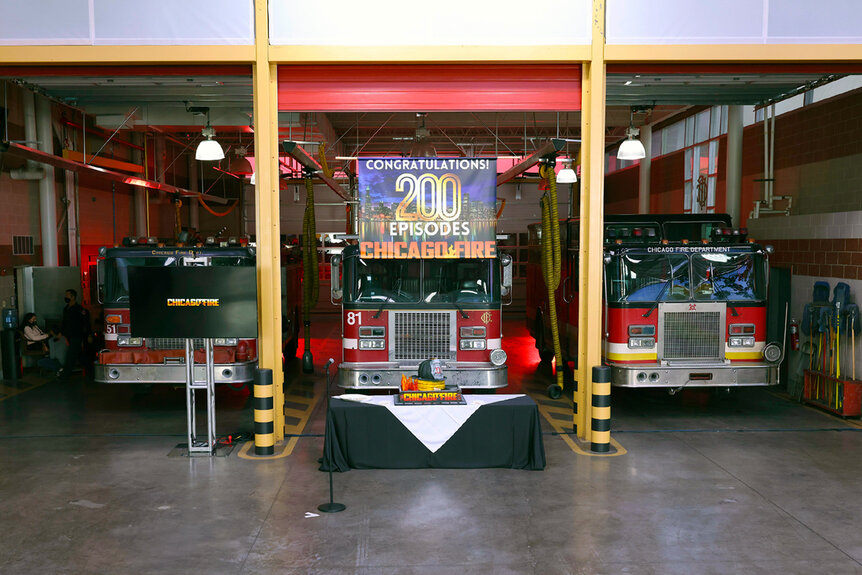
Perhaps the most recognizable location in the entire One Chicago franchise is Firehouse 51, the home base for Truck 81, Engine 51, Squad 3, Ambulance 61, and Battalion 25. In reality, this iconic building is an active Fire Department of Chicago station: Engine 18 and Ladder 27. Located at 25.10 South Ashland Avenue in the Pilsen neighborhood, the firehouse serves as the primary exterior filming location for all the dramatic entrances and exits, truck cleanings, and casual conversations seen on screen.
Stepping onto Ashland Avenue outside the station is like walking directly into an episode. Fans often gather here, hoping to catch a glimpse of filming or simply to soak in the atmosphere. The brick facade, the large bay doors, and the surrounding residential streets perfectly capture the essence of a working-class neighborhood. While the interiors of Firehouse 51 are primarily filmed on a soundstage at Cinespace Chicago Film Studios, the exterior shots at the actual Engine 18 / Ladder 27 station provide an indispensable touch of authenticity. For travel enthusiasts interested in local culture and history, a visit to this operational fire station offers a tangible connection to the city’s emergency services and the show that celebrates them. It’s a testament to the real heroes and the architectural beauty of Chicago‘s Near West Side.
Molly’s Bar: Where Fiction Meets Favorite Local Haunt
Another beloved spot that plays a central role in the social lives of the Firehouse 51 crew is Molly’s Bar, their go-to establishment for unwinding after a shift. In the real world, Molly’s Bar is none other than Lottie’s Pub, a popular neighborhood bar situated at 1925 North Cortland Street in the charming Lincoln Park area.
Lottie’s Pub is a historic establishment, having been a staple in Chicago since 1934. It perfectly embodies the cozy, unpretentious atmosphere depicted in the show. The interior, with its classic bar setup, exposed brick, and welcoming vibe, has made countless appearances in Chicago Fire, hosting everything from celebratory toasts to heartfelt confessions. Visiting Lottie’s Pub offers fans a chance to literally sit where their favorite characters sit, enjoy a drink, and perhaps even grab a bite from their menu of classic pub fare. It’s an excellent example of how the series integrates with local businesses, turning a genuine Chicago experience into a pivotal part of its fictional universe. For tourists looking for authentic local culture and unique activities, a visit to Lottie’s Pub is a must-do, blending television tourism with the vibrant nightlife and food scene Chicago has to offer.

Beyond the Firehouse: Other Key Set Pieces
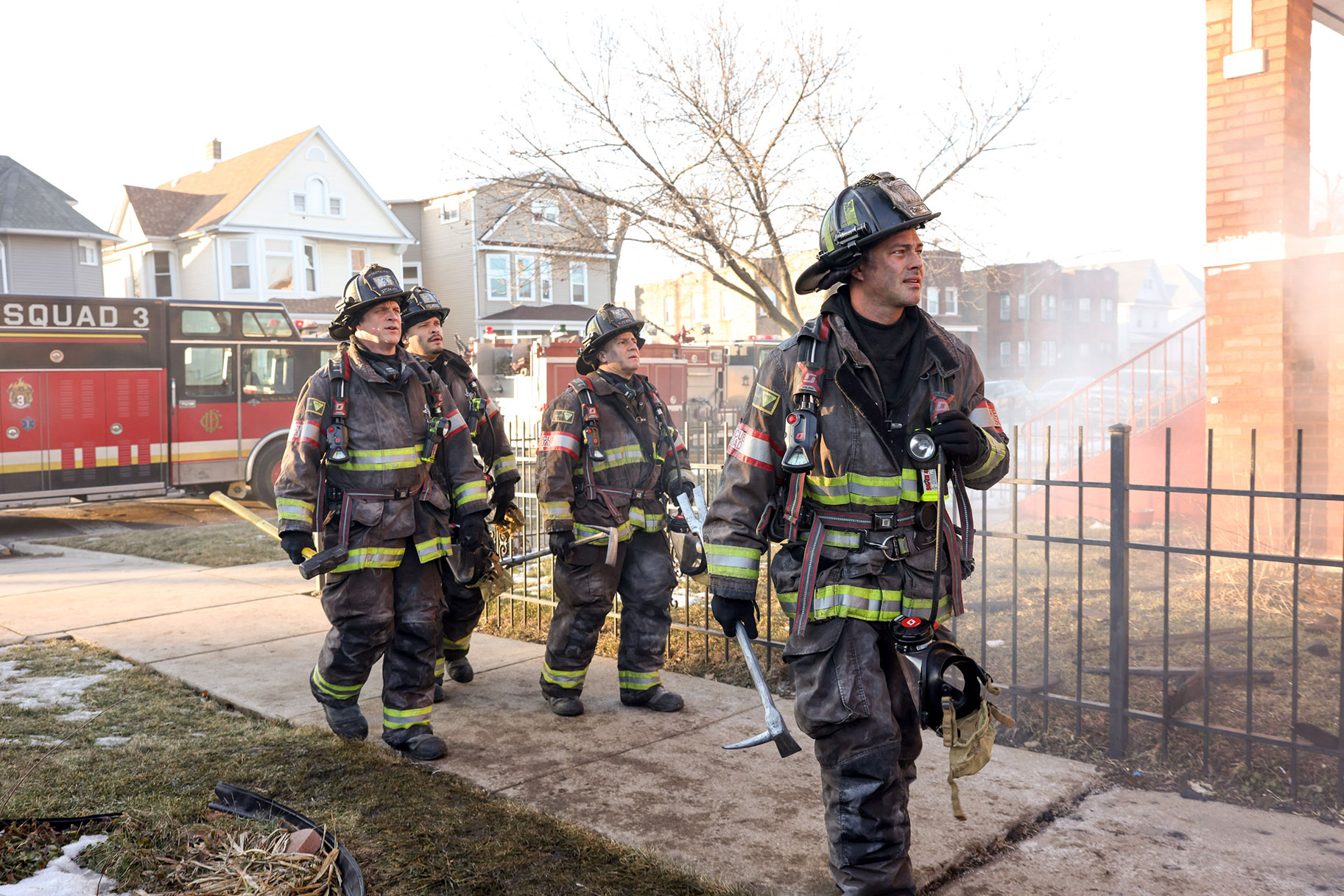
While Firehouse 51 and Molly’s Bar are central, many other real Chicago locations frequently appear, lending depth and realism to the narratives. The “One Chicago” universe often crosses over, meaning locations from Chicago P.D. and Chicago Med also occasionally feature.
The hospital scenes, especially exteriors and emergency drop-offs for Chicago Med, are often filmed at Rush University Medical Center at 1653 West Congress Parkway. This prominent medical facility provides a convincing backdrop for the high-stakes medical drama that unfolds. Similarly, for the more gritty elements of the city, scenes portraying the police district in Chicago P.D. occasionally utilize parts of the University of Illinois at Chicago campus, particularly around Harrison Street.
Beyond these specific sites, a significant amount of the show’s interior filming, including the detailed sets of the firehouse dorms, common areas, and certain hospital rooms, takes place at Cinespace Chicago Film Studios. Located in the West Loop neighborhood, this massive studio complex is a hub for film and television production in the Midwest, playing a critical role in bringing Chicago Fire and its sister shows to life. While not open to the public for tours in the same way as public filming locations, the existence of such a robust studio infrastructure underscores Chicago‘s growing prominence as a filmmaking destination, attracting talent and contributing significantly to the local economy and creative lifestyle.
Exploring Chicago: A City of Stars and Sights
The appeal of Chicago Fire is intrinsically linked to the allure of Chicago itself. The city’s stunning architecture, diverse neighborhoods, and picturesque waterfront regularly serve as dynamic backdrops for both thrilling action sequences and poignant character moments. For travelers, this presents a fantastic opportunity to craft an itinerary that blends show-inspired sightseeing with a broader exploration of what makes Chicago one of the world’s great destinations.
Iconic Landmarks Gracing the Screen
Chicago is renowned for its architectural marvels and impressive public spaces, many of which are instantly recognizable to fans of Chicago Fire. The show frequently captures the city’s grandeur, showcasing its most famous landmarks.
- Willis Tower: As one of the tallest buildings in the Western Hemisphere, the Willis Tower (formerly Sears Tower) frequently appears in panoramic shots, symbolizing Chicago‘s towering ambition. A visit to its Skydeck offers breathtaking views that often mirror the dramatic cityscapes seen in the series.
- Millennium Park: This vibrant urban park is a frequent setting for outdoor scenes, public gatherings, and establishing shots. Its iconic sculptures like Cloud Gate (affectionately known as “The Bean”) and the unique Jay Pritzker Pavilion are instantly recognizable. Nearby, Grant Park and Maggie Daley Park also feature, providing lush green spaces against the urban skyline.
- Chicago Riverwalk and Lake Michigan: The Chicago Riverwalk offers stunning views of the city’s architectural masterpieces and the bustling river traffic, frequently seen in chase scenes or as characters traverse the city. The vast expanse of Lake Michigan and its beautiful shoreline parks often provide serene, reflective settings, contrasting with the show’s intense fire scenes. Navy Pier, stretching into the lake, is another popular tourist attraction that occasionally appears, symbolizing recreational life in the city.
- Michigan Avenue and The Magnificent Mile: This world-renowned shopping district, part of the wider Michigan Avenue, offers a luxurious backdrop for some of the city’s more upscale settings. The grand buildings and vibrant street life epitomize a certain “lifestyle” aspect of Chicago that occasionally provides contrast to the grittier realities of the firehouse.
These landmarks aren’t just pretty backdrops; they are integral to the identity of Chicago and, by extension, to Chicago Fire. Exploring them allows visitors to experience the city through a dual lens: as a fan of the show and as a curious traveler discovering world-class architecture and public art.
Discovering Chicago’s Diverse Neighborhoods
Beyond the major landmarks, Chicago Fire frequently highlights the diverse tapestry of Chicago‘s neighborhoods, each with its own distinct character and charm. From the historic brownstones of the Gold Coast to the artistic enclaves of Pilsen and the bustling business district of The Loop, the show’s camera captures the authentic pulse of different communities.
- Lincoln Park: Home to Lottie’s Pub, this neighborhood offers beautiful parks, a free zoo, and charming residential streets perfect for a leisurely stroll. Its mix of historic architecture and modern amenities makes it an appealing area for both short-term stays and long-term accommodation.
- West Loop: Near Cinespace Chicago Film Studios, the West Loop has transformed into a culinary hotspot, boasting some of Chicago‘s best restaurants and trendiest hotels. It’s an ideal area for foodies and those seeking a vibrant, upscale lifestyle experience.
- Near North Side & Streeterville: These areas encompass the Magnificent Mile and offer a wealth of luxury hotels, high-end shopping, and cultural institutions. Many scenes featuring upscale Chicago life or dramatic rescues often take place here.
- Wrigleyville: While perhaps less frequently featured in Chicago Fire, the iconic Wrigley Field and its surrounding neighborhood are undeniably Chicago. If the show’s characters were to attend a baseball game, this would be their destination, representing a quintessential Chicago experience that travelers can easily enjoy.
Exploring these neighborhoods not only offers a deeper understanding of the show’s setting but also provides a comprehensive view of Chicago‘s cultural diversity, culinary scene, and varied urban landscapes. Each area presents unique attractions, from local eateries serving classic deep-dish pizza to boutique shops and hidden historical gems.
Plan Your “Chicago Fire” Inspired Trip
For dedicated fans and general tourists alike, visiting Chicago with Chicago Fire in mind opens up a unique blend of travel and entertainment. From meticulously planning your itinerary to choosing the perfect accommodation, the Windy City offers an array of experiences to suit every preference and budget.
Immersive Experiences for Every Fan
Designing a trip around Chicago Fire can be incredibly rewarding. Consider these immersive experiences:
- Self-Guided Filming Location Tour: Grab a map and plot a course to Engine 18 / Ladder 27, Lottie’s Pub, and Rush University Medical Center. Combine these with visits to Millennium Park, the Chicago Riverwalk, and the Willis Tower for a comprehensive tour of on-screen and iconic sights. This allows for flexible exploration, immersing you in the local culture at your own pace.
- Embrace the Food Scene: Just like the characters on the show enjoy their deep-dish pizza and local pub grub, dive into Chicago‘s famous culinary offerings. From gourmet dining in the West Loop to classic hot dogs and Italian beef, the city is a foodie’s paradise. Lottie’s Pub is a great starting point, but don’t hesitate to explore other local favorites.
- Attend a Local Event: If your visit aligns, catch a Chicago Cubs game at Wrigley Field or enjoy a concert at the Jay Pritzker Pavilion. Experiencing Chicago like a local, beyond just the TV show, enriches your travel guide and overall experience.
Where to Stay: Accommodations for Every Budget
Chicago offers a vast range of accommodation options, from luxury hotels to budget-friendly apartments, catering to different travel styles and preferences.
- Luxury Travel: For those seeking an opulent lifestyle, Chicago boasts numerous five-star hotels. Consider The Peninsula Chicago, Four Seasons Hotel Chicago, Waldorf Astoria Chicago, or The Langham, Chicago for unparalleled service, exquisite amenities, and prime locations, often near the Magnificent Mile or downtown.
- Boutique & Upscale: Mid-range luxury and boutique hotels offer unique charm and excellent service. Options like Thompson Chicago in the Gold Coast, Loews Chicago Hotel near the river, Hyatt Regency Chicago with its river views, or the historic Chicago Athletic Association Hotel near Millennium Park provide stylish stays.
- Budget-Friendly & Trendy: For budget-conscious travelers or those looking for a lively atmosphere, Chicago has hostels and trendy hotels. Freehand Chicago offers stylish private rooms and shared accommodations, while AC Hotel Chicago Downtown or Kinzie Hotel provide comfortable, well-located options without the top-tier price tag. Consider The Hoxton, Chicago in the West Loop or Hotel Zachary in Wrigleyville for specific neighborhood experiences.
- Apartments & Long-Term Stays: For families or longer visits, serviced apartments and vacation rentals available through various booking platforms offer amenities like kitchens and multiple rooms, providing a home-away-from-home experience. This is ideal for those planning an extended exploration of the city’s many attractions.
Choosing the right accommodation ensures your trip is not only inspired by Chicago Fire but also comfortable and convenient, allowing easy access to the city’s attractions and filming locations.
Embracing the “Windy City” Lifestyle
Beyond the specific filming locations, the true essence of a Chicago Fire-inspired trip lies in embracing the dynamic lifestyle of the Windy City. This means appreciating its world-class architecture through boat tours on the Chicago River, delving into its rich history at museums like the Art Institute of Chicago, and enjoying its vibrant performing arts scene. It’s about experiencing the city’s resilience, its community spirit, and its unwavering charm – qualities that are so beautifully reflected in the show.
Chicago is a city that thrives on its unique blend of Midwestern hospitality and big-city sophistication. Whether you’re on a family trip, a business stay, or a solo adventure, the opportunities for discovery are endless. From leisurely walks along Lake Michigan to exploring the gastronomic delights of diverse neighborhoods, your visit will be enriched by understanding the local culture that underpins the fictional world of Chicago Fire.
The Economic and Cultural Impact of “One Chicago”
The “One Chicago” franchise – encompassing Chicago Fire, Chicago P.D., and Chicago Med – has had a profound impact on the city beyond just entertainment. It has spurred significant tourism, drawing fans eager to see the real-life settings of their beloved shows. This influx of visitors contributes to the local economy, supporting hotels, restaurants, shops, and tour operators.
Furthermore, the continuous production in Chicago has solidified the city’s reputation as a major film and television production hub. It provides countless jobs for local crew members, actors, and support staff, fostering a thriving creative industry and a unique lifestyle for those involved. The shows also serve as a global advertisement for Chicago, showcasing its beauty, character, and spirit to millions of viewers worldwide, inspiring many to add the Windy City to their travel bucket list. The success of LondonHouse Chicago and other major hotels can partly be attributed to the rise in tourism, including film tourism.
In conclusion, Chicago Fire is more than just a television show; it’s a gateway to experiencing one of America’s most captivating cities. By immersing itself in the authentic locations of Chicago, the series invites viewers to become travelers, to explore its landmarks, savor its local culture, and appreciate the vibrant lifestyle that makes the Windy City truly unforgettable. So, pack your bags, and get ready to discover Chicago – the real star of the show.
LifeOutOfTheBox is a participant in the Amazon Services LLC Associates Program, an affiliate advertising program designed to provide a means for sites to earn advertising fees by advertising and linking to Amazon.com. Amazon, the Amazon logo, AmazonSupply, and the AmazonSupply logo are trademarks of Amazon.com, Inc. or its affiliates. As an Amazon Associate we earn affiliate commissions from qualifying purchases.