
For fans of gripping drama, heroic firefighters, and the vibrant pulse of a major American city, NBC’s “Chicago Fire” has been a staple of television viewing for over a decade. The show, a flagship of Dick Wolf‘s acclaimed One Chicago franchise, plunges viewers into the lives of the brave men and women of Firehouse 51. What truly sets “Chicago Fire” apart, beyond its compelling storylines, is its unwavering commitment to authenticity, largely achieved by filming almost entirely on location in the stunning city of Chicago, Illinois. This dedication not only lends a gritty realism to the show but also transforms Chicago itself into a central character, showcasing its iconic architecture, diverse neighborhoods, and undeniable charm.
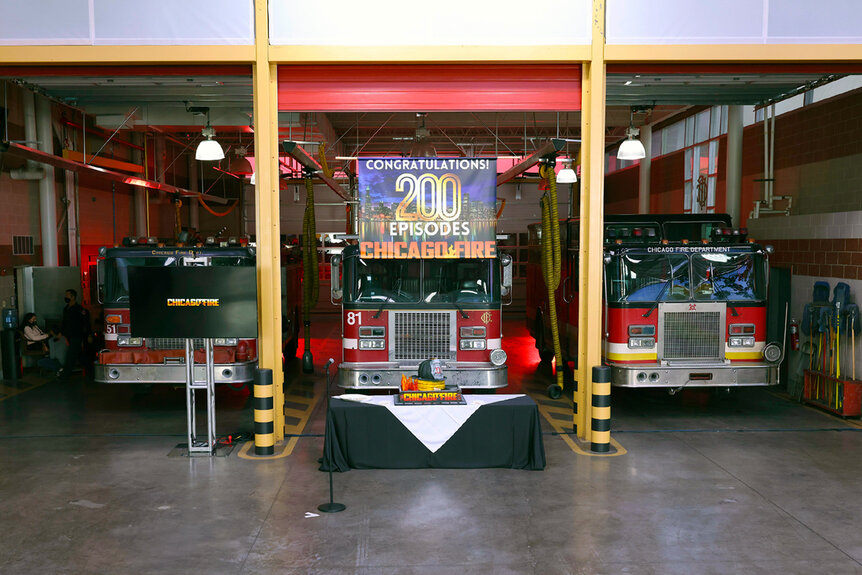
For travelers and television enthusiasts alike, understanding where “Chicago Fire” is filmed offers a unique lens through which to explore the Windy City. It transforms a simple vacation into an immersive experience, allowing visitors to walk in the footsteps of their favorite characters, visit familiar backdrops, and truly feel the heartbeat of the show’s world. From the actual fire station that serves as Firehouse 51 to the bustling streets and local haunts, Chicago is not just a backdrop; it’s an integral part of the narrative, inviting fans to discover its many layers. This guide will take you on a journey through the show’s primary filming locations, offering insights into how to experience Chicago as both a fan and a discerning traveler, touching upon everything from iconic landmarks to the best accommodations and local experiences.
The Heart of Firehouse 51: Real Locations in Chicago
The magic of “Chicago Fire” lies in its ability to blend fiction with reality seamlessly. Many of the locations seen on screen are not elaborate sets but actual places within Chicago, giving the series an unparalleled sense of realism. For fans, visiting these sites is like stepping directly into an episode, offering a tangible connection to the drama and heroism depicted.
Engine 18’s Station: The Iconic Firehouse
Undoubtedly the most recognizable location in “Chicago Fire” is Firehouse 51. In real life, this is the working station for Engine 18 of the Chicago Fire Department, located at 1360 S. Blue Island Avenue in the city’s Near West Side neighborhood. This active fire station serves as the primary exterior and garage set for the show. While the interiors are largely filmed on soundstages at Cinespace Chicago Film Studios, the authenticity of seeing the actual building where the fictional heroes of Chicago Fire operate is undeniable.
Visitors can often catch a glimpse of the station’s exterior, and if the crew isn’t actively filming, it’s possible to respectfully observe the building from a distance. The area around Engine 18 is a mix of residential and industrial spaces, close to the University of Illinois Chicago campus. This provides a genuine urban setting, reflecting the diverse communities the Chicago Fire Department serves. When planning your visit, remember that this is a fully operational firehouse, and discretion is key. It’s a testament to Wolf Entertainment’s commitment to realism that they chose to integrate the show so deeply into the fabric of the city.
Molly’s Pub: A Fan-Favorite Hangout
Every good firehouse needs a local watering hole, and for Firehouse 51, that’s Molly’s Pub. This beloved establishment, where characters unwind, share stories, and celebrate triumphs, is based on a real Chicago bar: Lottie’s Pub. Located at 1925 W. Cortland Street in the vibrant Bucktown neighborhood, Lottie’s Pub lends its exterior and sometimes its interior to the show.
Lottie’s Pub is a historic Chicago institution, operating since 1934, and it perfectly encapsulates the cozy, neighborhood bar atmosphere depicted in the series. Fans can visit Lottie’s Pub, grab a drink, and soak in the ambiance, imagining the likes of Kelly Severide or Gabriela Dawson pulling up a stool. Its authentic charm and friendly vibe make it a must-visit for “Chicago Fire” aficionados, offering a direct link to the show’s social heart. The area around Bucktown is known for its boutiques, eateries, and lively nightlife, making it an interesting neighborhood to explore beyond just the pub itself.
Chicago Med and Chicago PD Crossover Locations
The interconnected universe of One Chicago means that characters often cross over between “Chicago Fire,” “Chicago PD,” and “Chicago Med.” This not only enhances the storytelling but also expands the range of recognizable Chicago locations for fans to explore.
For “Chicago Med,” the exterior shots of the hospital are primarily filmed at Rush University Medical Center on the city’s West Side. This impressive medical facility provides a realistic backdrop for the high-stakes drama unfolding within the emergency room. While interior hospital scenes are filmed on sets at Cinespace Chicago Film Studios, the exterior shots contribute significantly to the show’s credibility.
Similarly, “Chicago PD” utilizes real police stations and diverse city streets to portray the gritty reality of law enforcement. The Chicago Police Department’s 21st District station, while fictionalized for the show, draws inspiration from various actual stations and often features external shots of relevant city buildings. The unified approach to filming across the One Chicago universe means that a fan exploring the city is likely to stumble upon locations from all three shows, experiencing the interconnected narrative firsthand. Cinespace Chicago Film Studios on the West Side is a hub for all three productions, housing their elaborate soundstages and production offices, highlighting Chicago’s growing prominence as a major filming destination.
Exploring Chicago Beyond Firehouse 51: A Tourist’s Guide
While the “Chicago Fire” filming locations offer a fantastic starting point for any fan, Chicago itself is a world-class travel destination brimming with attractions, culture, and experiences that extend far beyond the silver screen. Integrating a “Chicago Fire” tour with a broader exploration of the city allows for a truly enriching travel experience.
Architectural Marvels and Cityscapes

Chicago’s skyline is legendary, a canvas for some of the world’s most innovative architecture. The city’s buildings frequently feature in establishing shots in “Chicago Fire,” showcasing its stunning urban landscape. A walk or boat tour along the Chicago River is highly recommended for unparalleled views of architectural masterpieces like the Willis Tower (formerly Sears Tower), offering breathtaking vistas from its Skydeck, and the John Hancock Center (now 875 North Michigan Avenue). These towering structures symbolize Chicago’s resilience and pioneering spirit, mirroring the themes of strength and community often explored in “Chicago Fire.”
Beyond the skyscrapers, areas like Millennium Park offer modern artistic marvels, most notably Cloud Gate, affectionately known as “The Bean.” This iconic sculpture provides fantastic photo opportunities and a vibrant public space. Nearby, the Art Institute of Chicago houses a world-renowned collection, inviting visitors to delve into centuries of human creativity. Exploring these landmarks not only deepens an appreciation for Chicago’s aesthetic appeal but also provides a sense of the grandeur that often serves as the backdrop for the show’s dramatic rescues.
Culinary Delights and Local Experiences
No visit to Chicago is complete without indulging in its celebrated culinary scene. The city is famous for its deep-dish pizza, a hearty and delicious dish that has become synonymous with the Windy City. Numerous establishments vie for the title of “best,” including Lou Malnati’s, Giordano’s, and Pequod’s Pizza. Trying a slice (or several) is an essential Chicago experience, perfect for refueling after a day of sightseeing.
Beyond pizza, Chicago offers a diverse range of gastronomic adventures. Sample a classic Chicago-style hot dog, famously “dragged through the garden,” from an institution like Portillo’s. Indulge in gourmet popcorn from Garrett Popcorn Shops, or explore the city’s Michelin-starred restaurants for a fine dining experience. These culinary explorations contribute to understanding the local culture and lifestyle that inform the characters’ everyday lives in “Chicago Fire,” offering a taste of what makes Chicago so special. Don’t forget to check out local breweries or enjoy a craft cocktail at one of the many trendy bars, perhaps even imagining your favorite Firehouse 51 crew doing the same.
Iconic Landmarks and Neighborhoods
Beyond the specific filming locations, Chicago is rich with landmarks and distinct neighborhoods, many of which subtly appear in “Chicago Fire” or define the city’s character. A visit to Navy Pier offers family-friendly entertainment, stunning lakefront views, and boat tours. Strolling down the Magnificent Mile on Michigan Avenue provides a premier shopping experience amidst historic architecture.
Each neighborhood tells a different story. Wrigleyville, home to the legendary Wrigley Field and the Chicago Cubs, pulsates with baseball fervor during baseball season. Lincoln Park offers expansive green spaces, a free zoo, and beautiful views of Lake Michigan. The affluent Gold Coast and trendy River North boast upscale dining and nightlife, while the historic Loop is the city’s bustling central business district. Exploring these areas offers a deeper appreciation for the diverse urban tapestry that “Chicago Fire” so effectively captures, revealing the varied environments where the city’s heroes might be called to action.
Planning Your Chicago Fire-Inspired Trip
A trip to Chicago for “Chicago Fire” fans is an ideal blend of tourism and television fandom. To make the most of your adventure, consider these practical tips for accommodation, transportation, and overall travel planning.
Accommodation Options for Every Traveler
Chicago offers a vast array of accommodation options to suit every budget and travel style, from luxurious five-star resorts to cozy boutique hotels and budget-friendly apartments.
For those seeking a high-end experience, hotels like The Langham Chicago, Loews Chicago Hotel, or the Thompson Chicago in River North or the Loop provide opulent suites, top-tier amenities, and often stunning city views. These options are perfect for luxury travel, offering a lavish base after a day of exploring.
Mid-range travelers will find excellent value and comfort at establishments such as Hyatt Centric Loop Chicago or Virgin Hotels Chicago. These hotels often blend modern design with convenient locations, offering a comfortable stay without breaking the bank. For budget-conscious travelers, hostels like Freehand Chicago offer stylish yet affordable shared or private rooms, fostering a vibrant social atmosphere. Additionally, numerous vacation rental apartments across neighborhoods provide a home-away-from-home experience, ideal for long-term stays or family trips. Booking in advance, especially during peak tourist season or when conventions are in town, is always advisable to secure the best rates and availability. Utilizing online booking platforms and review sites for comparison can help find the perfect fit for your Chicago adventure.
Getting Around the Windy City
Chicago’s public transportation system is efficient and comprehensive, making it easy to navigate the city without a car. The Chicago Transit Authority (CTA) operates an extensive network of buses and elevated trains, known as the “L” train. The “L” connects major attractions, neighborhoods, and both O’Hare International Airport and Midway International Airport. Purchasing a Ventra Card for unlimited rides over several days can be a cost-effective option.
For shorter distances, ride-sharing services like Uber and Lyft are readily available. Taxis are also plentiful, particularly in downtown areas. For a unique way to see the city, consider the Divvy bike-share program, with stations scattered throughout urban areas, allowing you to pedal your way through various neighborhoods, just as the characters in “Chicago Fire” traverse the city. Walking is also an excellent option, especially for exploring concentrated areas like the Loop or the Magnificent Mile.
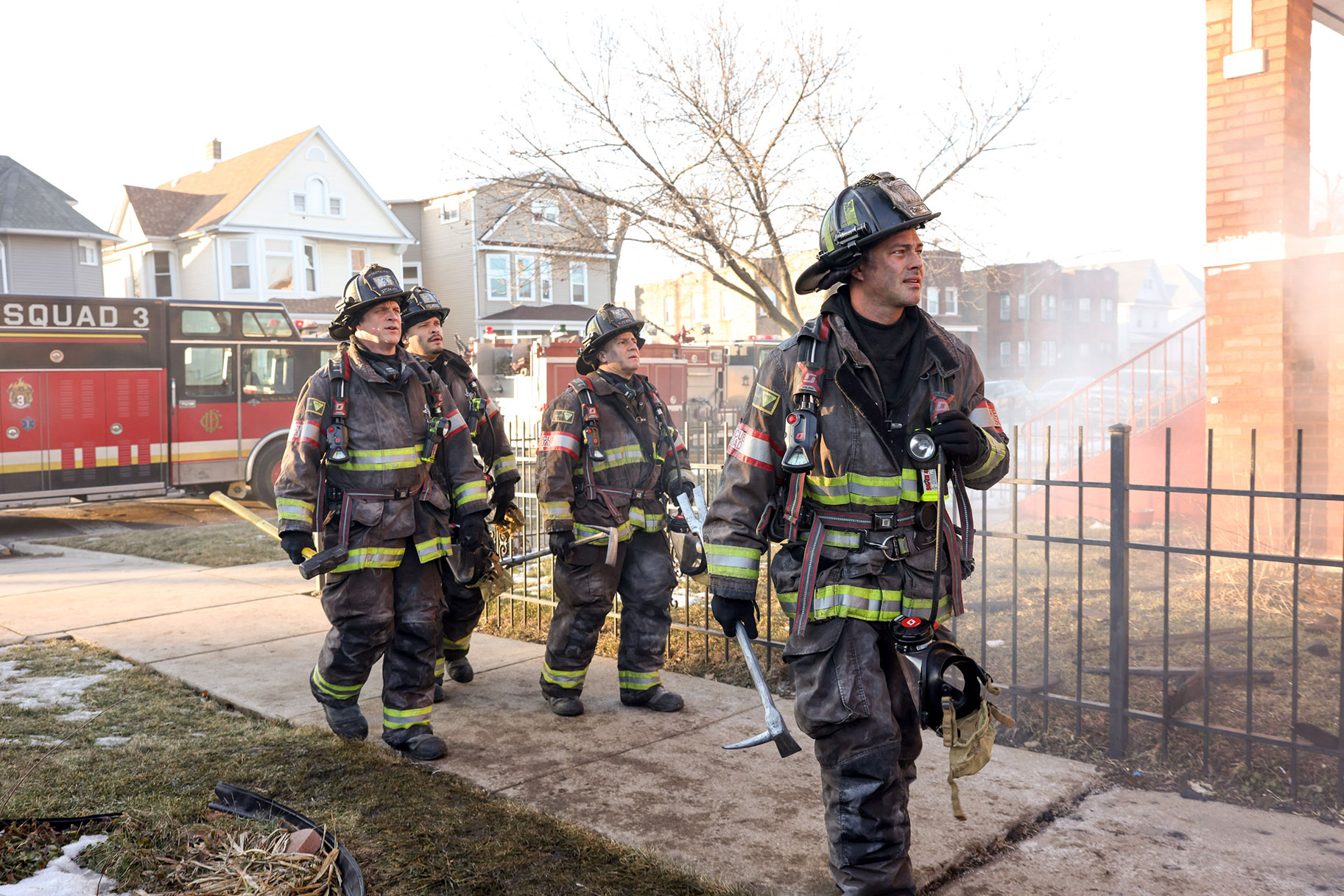
Essential Tips for Visiting Chicago
- Best Time to Visit: Late spring (May-June) and early autumn (September-October) offer pleasant weather, ideal for exploring on foot and enjoying outdoor activities without the intense heat of summer or the biting cold of winter.
- Packing Essentials: Depending on the season, layer your clothing. Even in summer, evenings can be cool due to the breeze off Lake Michigan. Comfortable walking shoes are a must.
- Safety: Like any major city, be aware of your surroundings, especially in crowded tourist areas or when using public transport at night. Stick to well-lit and populated areas.
- Local Etiquette: Chicagoans are generally friendly and proud of their city. Don’t hesitate to ask for directions or recommendations. Tipping conventions for service staff (restaurants, taxis, hotels) are similar to other major US cities.
- Event Calendars: Check Chicago’s event calendars before your trip. The city hosts numerous festivals, concerts, and sporting events throughout the year, which can enhance your visit but also impact hotel availability and prices.
In conclusion, “Chicago Fire” is not just a TV show; it’s a love letter to the city of Chicago. By filming predominantly on location, the series invites viewers to experience the authentic heartbeat of the Windy City firsthand. Whether you’re a devoted fan looking to visit Firehouse 51 and Molly’s Pub or a general traveler eager to explore a vibrant American metropolis, Chicago offers an unforgettable journey. From its architectural wonders and world-class museums to its delectable cuisine and welcoming neighborhoods, a trip to Chicago promises a rich tapestry of experiences, steeped in both television magic and genuine urban charm.
LifeOutOfTheBox is a participant in the Amazon Services LLC Associates Program, an affiliate advertising program designed to provide a means for sites to earn advertising fees by advertising and linking to Amazon.com. Amazon, the Amazon logo, AmazonSupply, and the AmazonSupply logo are trademarks of Amazon.com, Inc. or its affiliates. As an Amazon Associate we earn affiliate commissions from qualifying purchases.