
Understanding the geographical placement of a major city is the first step in unlocking its full potential as a travel destination. Chicago, Illinois, stands as a prime example of a metropolis whose location profoundly influences its identity, economy, and appeal to millions of visitors each year. Situated strategically within the United States, Chicago is far more than just a dot on a map; it’s a dynamic hub positioned at the crossroads of diverse natural landscapes and bustling urbanity. For anyone planning a trip, considering a new place to live, or simply curious about one of America’s most iconic cities, grasping Chicago’s precise location is fundamental to appreciating its unique charm and vast offerings. This article will delve into where Chicago lies on the map, and how this geographical advantage shapes its role as a premier destination for travel, tourism, and lifestyle experiences.

Locating Chicago: A Geographical Overview
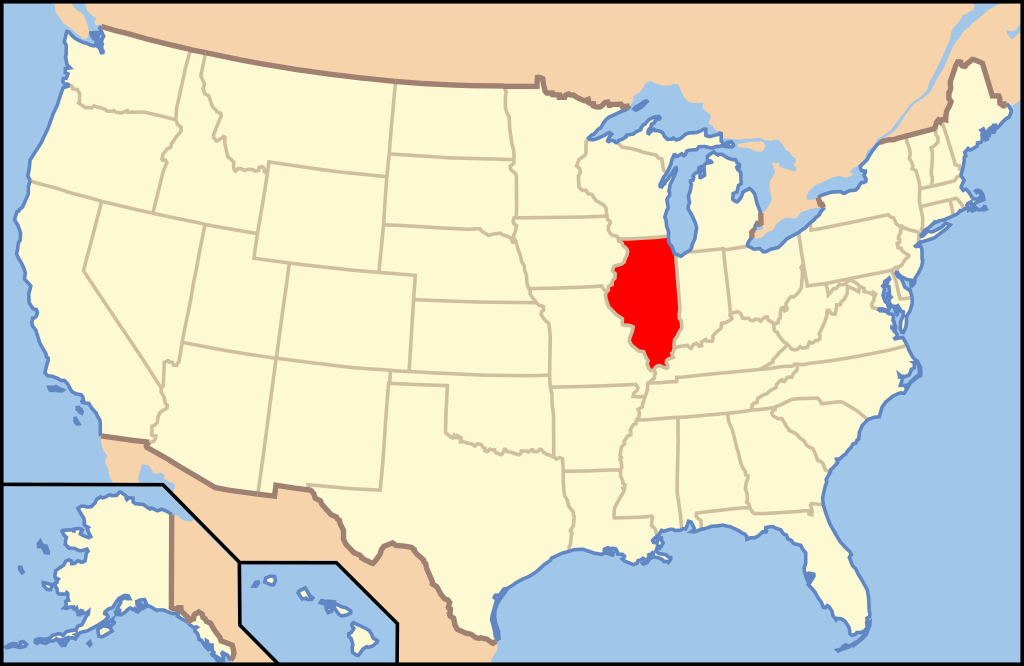
To pinpoint Chicago on a map is to uncover its pivotal role in the American landscape. It resides firmly within the state of Illinois, serving as its most populous city and a global financial, cultural, and technological center. More broadly, Chicago anchors itself in the Midwest region of the United States, a vast and diverse area characterized by its agricultural heritage, industrial prowess, and a unique blend of urban and rural life.
The Heart of the Midwest
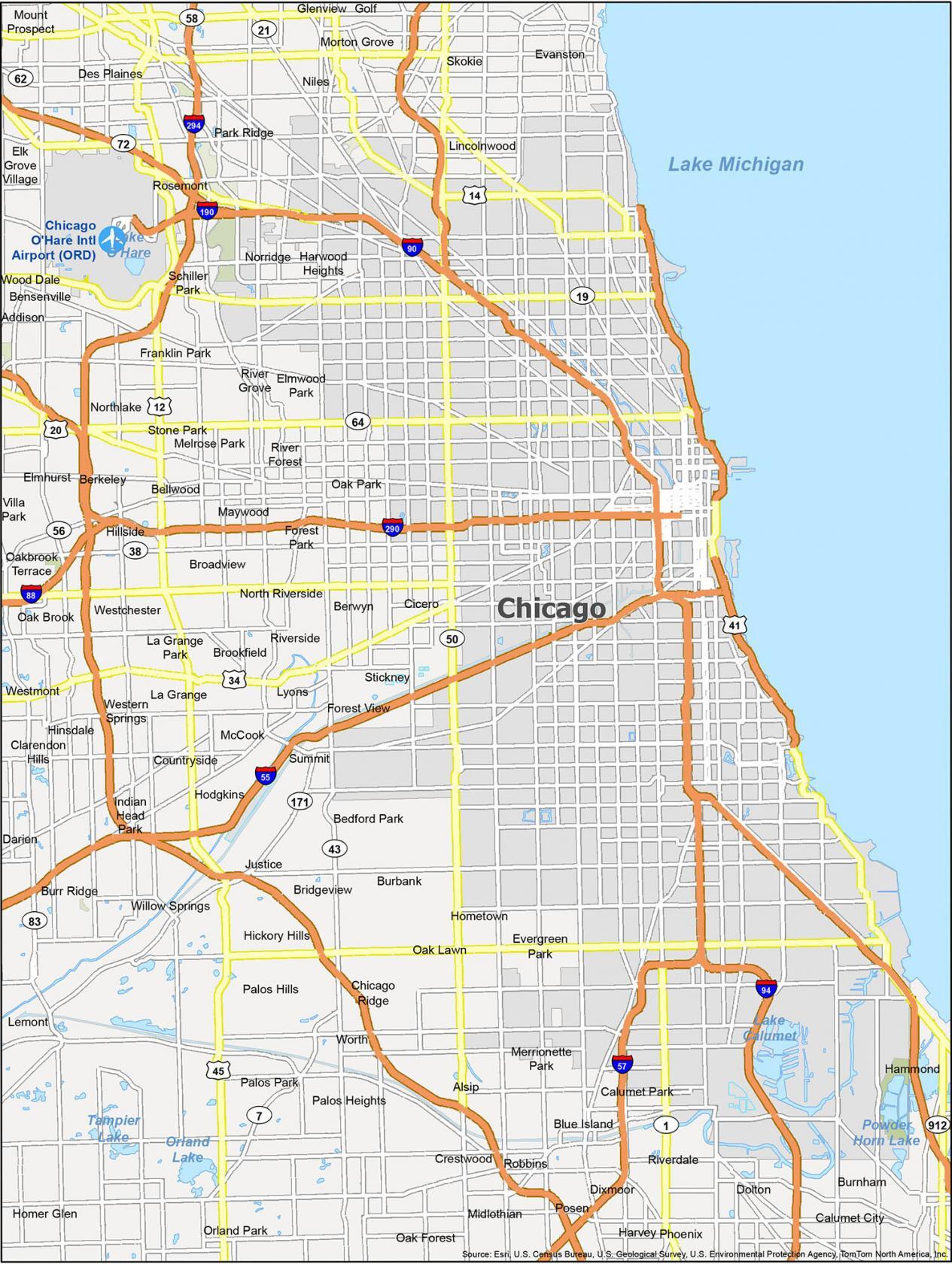
Geographically, Chicago is located at approximately 41.8781° N latitude and 87.6298° W longitude. This puts it squarely in the northern part of Illinois, not far from its borders with Wisconsin to the north and Indiana to the east. The city spans a substantial area along the southwestern shore of Lake Michigan, one of the five Great Lakes. This specific placement has been instrumental in Chicago’s historical development, transforming it from a frontier outpost into an economic powerhouse. The relatively flat topography of the surrounding Midwest allowed for expansive urban growth and facilitated the construction of extensive transportation networks, which further solidified Chicago’s status as a central hub.
The city operates on Central Standard Time (CST), observing Central Daylight Time (CDT) during the summer months. Its climate is typically continental, experiencing four distinct seasons. Summers are warm and humid, while winters are cold, snowy, and often very windy, earning Chicago its famous moniker, the Windy City. Spring and autumn offer milder temperatures and beautiful transitional landscapes, making these seasons particularly attractive for visitors who wish to explore the city’s outdoor attractions and vibrant street life.
Gateway to the Great Lakes
Perhaps the most defining geographical feature of Chicago’s location is its frontage on Lake Michigan. This immense freshwater lake provides Chicago with a unique urban waterfront, unlike many other major inland cities. The lake not only moderates the city’s climate to some extent but also offers stunning scenic vistas, recreational opportunities, and a vital historical connection to trade and commerce. The city’s extensive lakefront, much of which is dedicated to parks and public spaces like Grant Park and Lincoln Park, is a testament to the importance of Lake Michigan in Chicago’s design and lifestyle.
The proximity to the Great Lakes system also played a crucial role in Chicago’s emergence as a logistical giant. Historically, it served as a critical nexus for waterborne trade, connecting agricultural produce and raw materials from the interior to global markets. While rail and road networks now dominate, the legacy of this maritime connection is evident in the city’s port facilities and its enduring connection to environmental stewardship of the Great Lakes. This unique blend of being a landlocked interior city with a vast “freshwater coast” significantly enhances its appeal for both residents and tourists seeking diverse experiences.
Chicago’s Strategic Importance: A Hub for Travel and Tourism
Chicago’s position on the map is not just a geographical accident; it’s a strategic advantage that has cemented its status as a world-class hub for travel, tourism, and business. Its central location in the United States makes it easily accessible from virtually any part of the country, and indeed, the world, fostering a robust tourism industry and attracting a constant flow of visitors.
A Major Transportation Nexus
At the heart of Chicago’s accessibility are its unparalleled transportation infrastructures. The city is home to two major international airports: O’Hare International Airport (ORD) and Midway International Airport (MDW). O’Hare is consistently ranked among the busiest airports globally, handling millions of passengers annually and offering direct flights to hundreds of destinations across every continent. Midway, while smaller, provides convenient domestic travel, particularly for budget airlines. This dual-airport system ensures that whether you’re traveling for business or leisure, Chicago is a remarkably easy city to reach.
Beyond air travel, Chicago is the railway capital of the United States, serving as the hub for Amtrak’s national passenger rail network. This makes train travel to and from the city a viable and scenic option for many. Furthermore, a dense network of interstate highways converges on Chicago, making it a crucial junction for road transportation. These multiple layers of connectivity mean that Chicago’s geographical location is leveraged to its fullest, positioning it as a convenient and efficient gateway for any type of traveler. The ease of access profoundly influences travel itineraries, making Chicago an ideal starting point for a Midwest road trip, a standalone city break, or a conference destination.
Unlocking Diverse Travel Experiences
The strategic location and excellent connectivity of Chicago directly translate into a wealth of diverse travel experiences. For tourists, this means less time spent on transit logistics and more time immersing themselves in the city’s rich culture and attractions. The efficiency of arrival and departure significantly enhances the overall travel experience, making it a stress-free choice for short getaways or longer vacations.
Chicago caters to every travel style, from luxury excursions to budget-friendly adventures, family trips, and essential business stays. Its central position makes it a natural meeting point for national and international conferences, conventions, and trade shows, driving a robust business tourism sector, supported by world-class facilities like McCormick Place. For leisure travelers, the city’s ease of access means that its world-renowned museums, vibrant culinary scene, iconic architecture, and lively entertainment options are within easy reach. The combination of its convenient location and wide array of offerings ensures that Chicago remains a top-tier destination for all forms of travel.
Exploring Chicago’s Iconic Landmarks and Lifestyle
Chicago’s geographical advantages are magnified by the incredible array of landmarks and lifestyle experiences it offers. The city’s physical setting, particularly its lakeside presence and flat terrain, provided a canvas for ambitious urban planning and architectural innovation, shaping a skyline recognized worldwide.
Architectural Marvels and Urban Culture
The cityscape of Chicago is a testament to groundbreaking architecture, a legacy that began after the Great Chicago Fire of 1871. This catastrophic event paved the way for pioneering architects to rebuild the city with innovative designs, giving birth to the skyscraper. Today, iconic structures like the Willis Tower (formerly Sears Tower) and the sleek modern high-rises along the Chicago River define its skyline. A popular activity for visitors is an architectural boat tour along the Chicago River, offering unparalleled views and insights into the city’s historical and contemporary building styles.
Beyond its towering structures, Chicago boasts world-class cultural institutions that draw millions. Millennium Park, a monumental green space, is home to the famous Cloud Gate sculpture (affectionately known as “The Bean”), as well as the Crown Fountain and Jay Pritzker Pavilion. The Art Institute of Chicago houses an extraordinary collection spanning centuries and continents. Other major attractions include the Museum of Science and Industry, the Field Museum, and the Shedd Aquarium, all of which contribute to Chicago’s reputation as a cultural powerhouse. For families, the Lincoln Park Zoo offers free admission and a delightful urban wildlife experience. The vibrant energy extends to entertainment at Navy Pier, offering Ferris wheel rides, dining, and scenic lakefront views.
Chicago’s urban culture is further enriched by its distinct neighborhoods, each with its own character and attractions. From the bustling business district of The Loop to the art galleries and nightlife of River North, the upscale boutiques of Gold Coast and Streeterville, the sports fervor of Wrigleyville, or the burgeoning culinary scene in the West Loop, there’s a district for every interest. Areas like Logan Square and Pilsen offer a glimpse into the city’s diverse ethnic heritage and thriving arts scenes.
World-Class Accommodation and Culinary Delights
A city of Chicago’s stature naturally offers an exceptional range of accommodation options, catering to every budget and preference. From luxurious 5-star hotels providing opulent suites and resort-like amenities along the Magnificent Mile or within historic downtown buildings, to charming boutique hotels in vibrant neighborhoods, and convenient extended-stay apartments, the choices are abundant. Travelers can easily find family-friendly accommodations equipped with pools and kids’ clubs, or sleek business hotels featuring state-of-the-art conference facilities. Booking platforms and comparison sites make it simple to find the perfect stay, whether you’re seeking a hotel with breathtaking lake views or a cozy apartment for a long-term visit.
The culinary scene in Chicago is as diverse and acclaimed as its architecture. The city is famous for its iconic Chicago-style deep dish pizza, a must-try for any visitor. Beyond this classic, Chicago boasts an incredible array of dining experiences, from casual eateries serving authentic ethnic cuisine in neighborhoods like Pilsen to dozens of Michelin-starred restaurants pushing the boundaries of fine dining. The city’s food culture is a reflection of its multicultural population and its role as an agricultural and shipping hub, bringing in fresh ingredients from across the Midwest and beyond.
Lifestyle and Leisure in the Windy City
The lifestyle in the Windy City is one of dynamic energy and rich opportunities. For those interested in luxury travel, Chicago offers high-end shopping on the Magnificent Mile, exclusive dining experiences, and stays in some of the world’s most prestigious hotels. Budget travelers will find that many of Chicago’s best attractions, like Lincoln Park Zoo and Millennium Park, are free, and its diverse food scene includes plenty of affordable yet delicious options.
Chicago is also a sports enthusiast’s paradise, home to legendary teams across all major leagues. Catching a game at the United Center, Soldier Field, or Wrigley Field is an integral part of the Chicago experience for many. The city’s numerous parks and proximity to Lake Michigan also provide abundant opportunities for outdoor activities, from cycling along the lakefront path to sailing and kayaking on the Chicago River. Whether it’s for a family vacation, a romantic getaway, a solo adventure, or a crucial business trip, Chicago’s versatile offerings, supported by its prime location, ensure a memorable experience for everyone.
Planning Your Visit: Making the Most of Chicago’s Location
Understanding Chicago’s layout and transportation options, informed by its geography, is key to a smooth and enjoyable visit. The city’s design is largely a grid system, making navigation relatively straightforward, particularly in the downtown areas.
Navigating the City
Getting around Chicago is efficient, thanks to its extensive public transportation system, affectionately known as the “L” train (short for elevated). This comprehensive rail network connects downtown The Loop with various neighborhoods and both airports. Buses supplement the rail lines, providing even broader coverage. Given the city’s well-organized grid, walking and cycling are also excellent ways to explore, especially in areas like the Magnificent Mile, the lakefront, and many of the vibrant neighborhood centers. Taxis and rideshare services are readily available, offering convenient door-to-door transportation. Leveraging the city’s public transport system, visitors can easily hop from a cultural attraction in The Loop to a dining experience in the West Loop or a baseball game in Wrigleyville.
Choosing Your Stay
Chicago’s diverse neighborhoods, each with unique characteristics and attractions, offer a wide spectrum of accommodation choices, perfectly suited to different travel purposes and lifestyles. For business travelers, staying in The Loop or River North places you amidst corporate headquarters and major convention centers. Luxury travelers might prefer the upscale ambiance and designer boutiques of the Gold Coast or Streeterville, offering world-class hotels with stunning lake views.
Families often find hotels near Millennium Park or the Museum Campus (home to the Field Museum, Shedd Aquarium, and Adler Planetarium) to be ideal, providing easy access to kid-friendly attractions. Those seeking a more local, bohemian experience might opt for boutique stays or apartment rentals in neighborhoods like Logan Square or Wicker Park. The sheer variety of hotels, from budget-friendly options to opulent suites and long-term stay apartments, ensures that every visitor can find the perfect home base for exploring all that Chicago has to offer. Considering your itinerary and lifestyle preferences will guide you in choosing the accommodation that best complements your Chicago experience.
In conclusion, knowing “Where is Chicago, Illinois, on a map?” is just the beginning. Its prime position in the Midwest, hugging the shores of Lake Michigan, and serving as an unparalleled transportation hub, has fundamentally shaped its identity as a global city. This strategic locale enables a rich tapestry of travel experiences, from exploring architectural marvels and world-class museums to indulging in a renowned culinary scene and diverse cultural offerings. Whether you’re seeking luxury travel, a budget-friendly adventure, a family trip, or a crucial business stay, Chicago’s geographical advantages make it an accessible, engaging, and unforgettable destination.
LifeOutOfTheBox is a participant in the Amazon Services LLC Associates Program, an affiliate advertising program designed to provide a means for sites to earn advertising fees by advertising and linking to Amazon.com. Amazon, the Amazon logo, AmazonSupply, and the AmazonSupply logo are trademarks of Amazon.com, Inc. or its affiliates. As an Amazon Associate we earn affiliate commissions from qualifying purchases.