
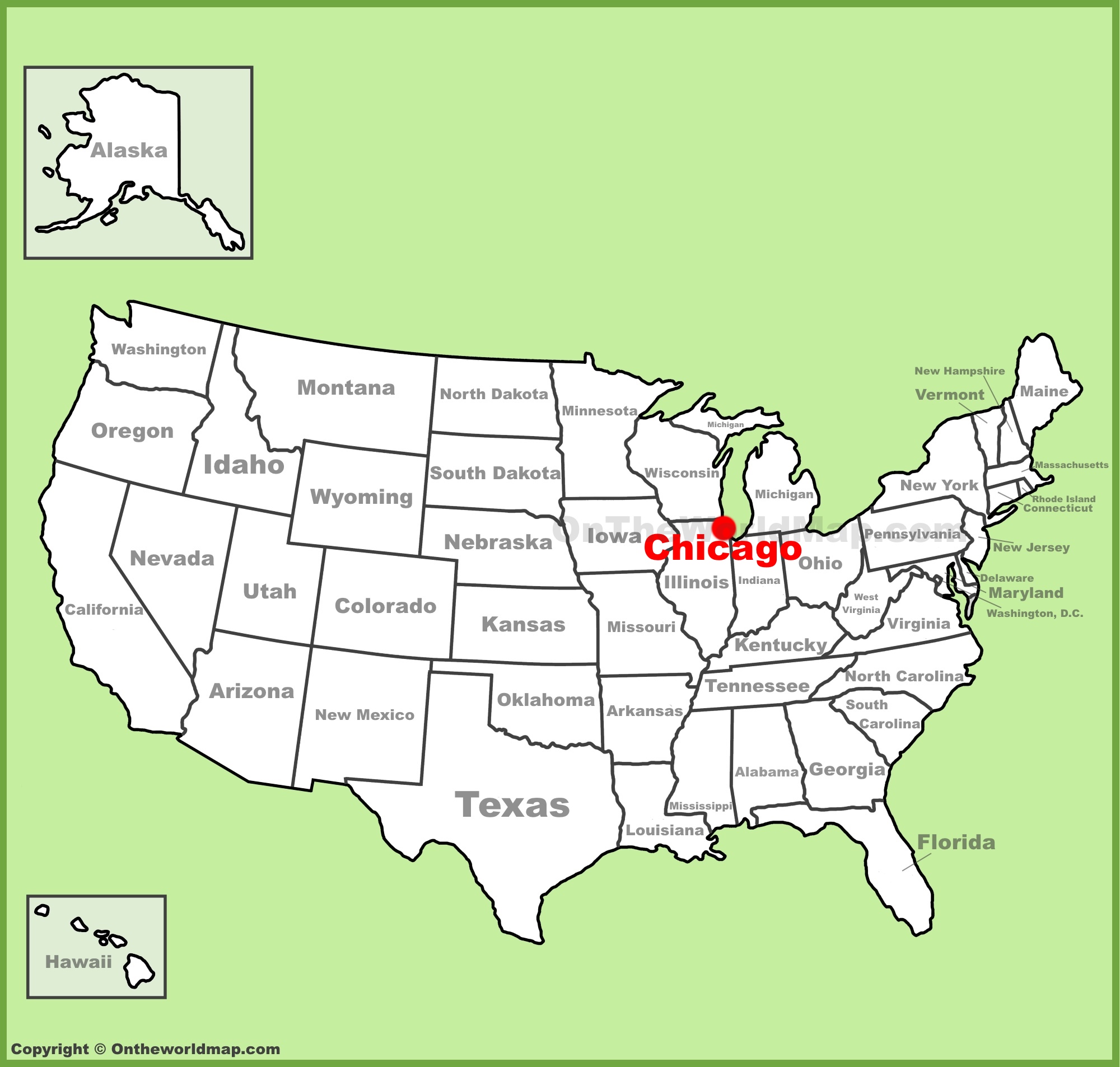
For travelers planning an unforgettable journey within the United States, understanding the geographical context of their chosen destination is paramount. Chicago, a city synonymous with towering skyscrapers, a vibrant arts scene, and a rich historical tapestry, is often a top contender. But precisely where does this metropolis lie on the expansive map of America? This article delves into the exact location of Chicago, exploring its significance as a travel hub and a world-class destination, offering insights for those eager to experience its unique charm.
The Geographical Heartbeat of the Midwest
Chicago holds a prestigious position in the heartland of America, serving as the economic and cultural capital of the Midwest region. Its strategic location has played a pivotal role in its development, shaping it into the global city it is today.

Locating the Windy City
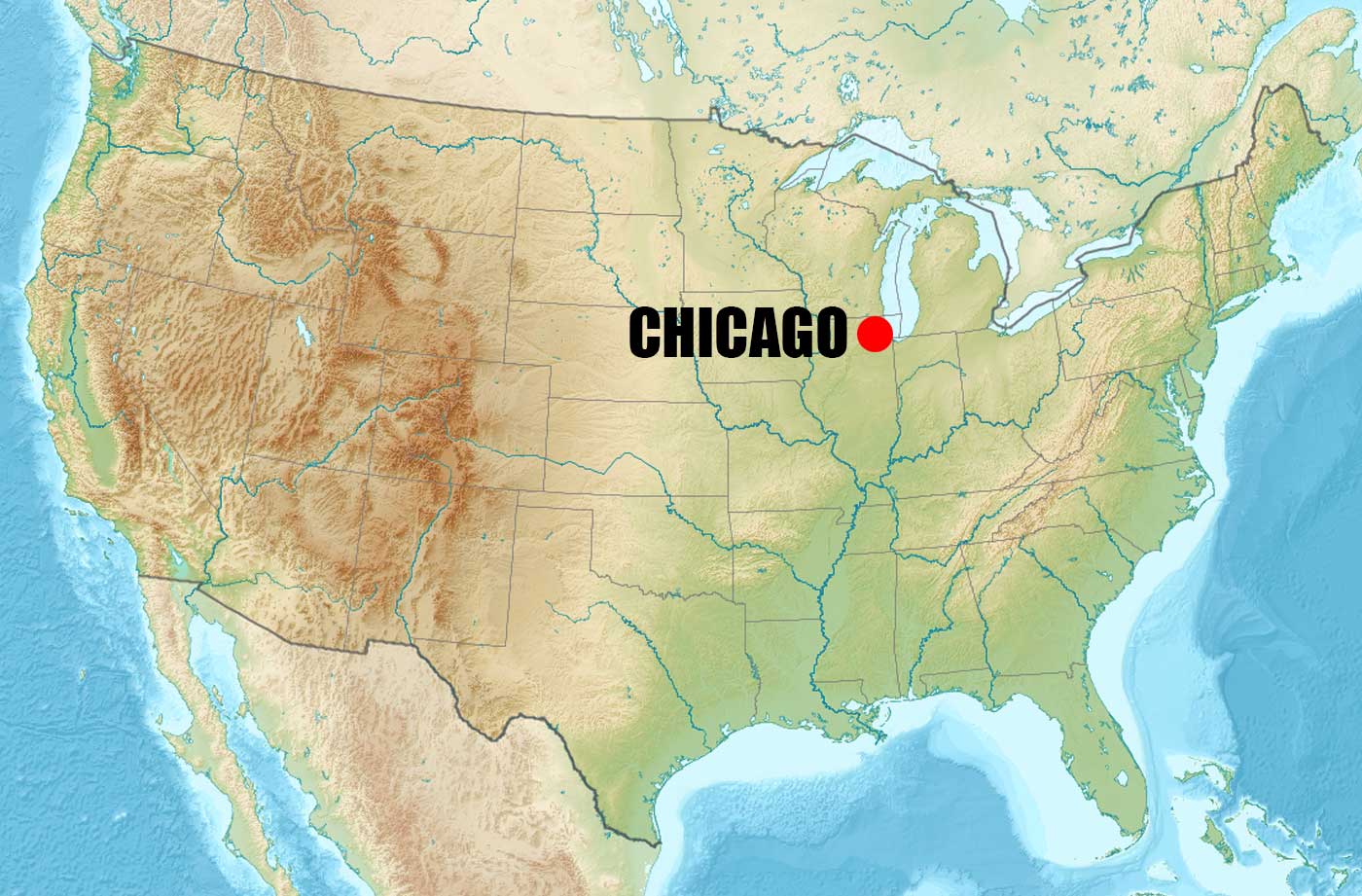
Nestled firmly within the northeastern part of the state of Illinois, Chicago commands the southwestern shores of Lake Michigan, one of the five majestic Great Lakes. This prime lakeside setting is not merely scenic; it was historically crucial for trade and transportation, allowing the city to flourish as a port and industrial center. To be more precise, Chicago is located at approximately 41.8781° N latitude and 87.6298° W longitude, placing it firmly within the Central Time Zone.
The city’s proximity to Lake Michigan grants it a distinct climate characterized by hot, humid summers, cold, snowy winters, and pleasant spring and autumn seasons. This seasonal variation offers travelers different experiences throughout the year, from bustling summer festivals along the lakefront to cozy winter excursions centered around its world-class museums and indoor attractions. Its flat terrain, a legacy of glacial movements, made it an ideal site for urban expansion, allowing its iconic grid street system to develop with relative ease.
A Nexus of Transportation
Chicago’s geographical placement makes it an unparalleled transportation hub for the entire United States. It’s not just a destination; it’s a gateway, facilitating travel and commerce across the continent. This accessibility is a major draw for tourists from both domestic and international origins.
The city boasts two major international airports: O’Hare International Airport (ORD), one of the busiest airports in the world, and Midway International Airport (MDW), offering extensive domestic and some international routes. These airports connect Chicago to virtually every corner of the globe, making direct travel to and from the city highly convenient. For those preferring ground travel, Chicago is a major Amtrak rail hub, with Union Station serving as a central nexus for cross-country train travel. Furthermore, its intricate network of interstate highways (I-55, I-57, I-80, I-90, I-94, I-290, I-294, I-355) positions it as a critical juncture for road travelers. This robust infrastructure ensures that once you decide to visit Chicago, getting there is remarkably straightforward, regardless of your starting point or preferred mode of transport.
Chicago’s Irresistible Allure for Travelers
Beyond its strategic location, Chicago’s true appeal lies in its dynamic blend of history, innovation, and vibrant culture. It’s a city that consistently ranks among the top travel destinations, offering an eclectic array of experiences that cater to every interest.
Architectural Marvels and Urban Landscapes
Chicago’s skyline is more than just a collection of tall buildings; it’s a living museum of architectural innovation and a testament to human ingenuity. After the Great Chicago Fire of 1871, architects flocked to the city, transforming it into a laboratory for modern building design. Today, visitors can embark on acclaimed architectural boat tours along the Chicago Riverwalk to witness this legacy firsthand, marveling at masterpieces from the likes of Daniel Burnham, Louis Sullivan, and Mies van der Rohe.
Iconic structures like the Willis Tower (formerly Sears Tower), offering panoramic views from its Skydeck, and the striking Aqua Tower dot the cityscape. The Magnificent Mile on Michigan Avenue isn’t just a premier shopping district; it’s an architectural parade featuring historic buildings alongside contemporary retail flagships. Walking tours and self-guided explorations offer endless opportunities to appreciate the intricate details and grand scale of Chicago’s built environment.
Cultural Powerhouse: Museums and Arts
For those with a thirst for culture and knowledge, Chicago presents an embarrassment of riches. Its museum campus, situated along the lakefront, is home to three of the nation’s most respected institutions. The Art Institute of Chicago houses an extraordinary collection spanning centuries and continents, from Impressionist masterpieces to contemporary art. Just steps away, the Field Museum transports visitors through natural history, featuring Sue, the most complete T-Rex skeleton, and extensive exhibits on ancient cultures and biodiversity. The Shedd Aquarium completes the trio, offering an immersive journey into aquatic ecosystems from around the world.
Beyond the museum campus, the Museum of Science and Industry, located further south in Hyde Park, offers hands-on exhibits that inspire curiosity in science and technology. The performing arts scene is equally robust, with a thriving theater district showcasing Broadway-in-Chicago productions, world-class opera at the Lyric Opera of Chicago, and a rich legacy of blues and jazz music pouring out of historic clubs in neighborhoods like Bronzeville.
Culinary Journey: From Deep Dish to Michelin Stars
Chicago’s culinary landscape is as diverse and dynamic as its population, offering everything from iconic comfort food to world-renowned fine dining. No visit is complete without sampling the city’s signature deep-dish pizza, a cheesy, saucy, and hearty experience that has garnered a loyal following. Establishments like Lou Malnati’s, Giordano’s, and Pizzeria Uno are legendary for their takes on this Chicago staple.
But the city’s gastronomic offerings extend far beyond pizza. Chicago boasts numerous Michelin-starred restaurants, pushing the boundaries of contemporary cuisine. The diverse ethnic neighborhoods also offer authentic culinary experiences, from Mexican fare in Pilsen to Polish delights in Jefferson Park. Whether you’re seeking gourmet experiences, classic American diners, or innovative street food, Chicago’s food scene is a destination in itself, promising to tantalize every palate.
Planning Your Chicago Adventure
To truly immerse yourself in the wonders of Chicago, a well-planned itinerary is essential. Understanding the best times to visit and how to navigate the city will enhance your travel experience.
Best Time to Visit and Getting Around
The ideal time to visit Chicago largely depends on your preferences. Summer (June to August) offers warm weather, a plethora of outdoor festivals, concerts in Grant Park, and lively lakefront activities. However, it’s also peak tourist season, meaning larger crowds and higher prices. Spring (April to May) and Fall (September to October) present pleasant temperatures, fewer tourists, and beautiful seasonal foliage, making them excellent times for sightseeing and enjoying outdoor spaces. Winter (November to March) can be cold and snowy, but it brings a festive holiday atmosphere, ice skating in Millennium Park, and a chance to experience the city’s cozy indoor attractions.
Navigating Chicago is remarkably easy thanks to its efficient public transportation system, managed by the CTA (Chicago Transit Authority). The “L” train (elevated train) and extensive bus network cover virtually every neighborhood and major attraction, making it convenient and affordable to get around. Taxis, ride-sharing services, and even water taxis on the Chicago River offer alternative transport options. For those who enjoy walking, many of Chicago’s key attractions, especially in the downtown Loop area, are within easy walking distance of each other.
Must-Visit Landmarks and Attractions
Any comprehensive travel guide to Chicago would highlight a core set of iconic attractions that define the city’s character and offer unparalleled experiences.
- Millennium Park: Home to the iconic “The Bean” (Cloud Gate), the interactive Crown Fountain, and the Jay Pritzker Pavilion for outdoor concerts. This park is a modern masterpiece of landscape design and public art.
- Navy Pier: Extending into Lake Michigan, this entertainment hub offers rides, restaurants, shops, and breathtaking views of the city skyline, culminating in spectacular fireworks displays during the summer.
- Willis Tower Skydeck: Dare to step onto The Ledge, a glass balcony extending four feet outside the 103rd floor, for an exhilarating perspective of the city below.
- Lincoln Park Zoo: A free zoo located within the expansive Lincoln Park, offering a chance to see diverse wildlife amidst beautiful gardens and skyline views.
- Grant Park: Known as “Chicago’s Front Yard,” this sprawling park hosts major festivals, including Lollapalooza, and is home to Buckingham Fountain, one of the largest in the world.
- Wrigley Field: For sports enthusiasts, catching a Chicago Cubs game at this historic ballpark in Wrigleyville is a quintessential American experience.
Beyond the City Limits: Day Trips and Regional Exploration
While Chicago itself offers an endless array of attractions, its location also provides opportunities for enriching day trips or extended regional explorations, particularly for those interested in the broader Great Lakes area.
Discovering the Illinois Countryside
For travelers seeking a change of pace from the urban bustle, the surrounding Illinois countryside offers natural beauty and charming small towns. Starved Rock State Park, located about 90 miles southwest of Chicago, is a popular destination for hiking, featuring stunning canyons, waterfalls, and bluffs along the Illinois River. Its unique geological formations and diverse wildlife make it a rewarding escape for nature lovers. Other nearby towns offer historical sites, agricultural experiences, and glimpses into the region’s heritage, providing a pleasant contrast to the metropolitan dynamism.
The Great Lakes Connection
Chicago’s prime position on Lake Michigan means that the lake itself is not just a backdrop but an integral part of the travel experience. Beyond the city’s immediate shoreline, the broader Great Lakes region offers a vast expanse of freshwater coastlines, charming lakeside towns, and opportunities for boating, fishing, and beach activities. For those on a longer journey through the Midwest, Chicago serves as an excellent starting or ending point to explore the diverse landscapes and unique cultures found along the shores of these majestic inland seas, connecting visitors to a broader understanding of America’s natural and industrial heritage.
In conclusion, Chicago is not merely a dot on the map but a vibrant, accessible, and profoundly impactful city located at the crossroads of the American Midwest and the majestic Great Lakes. Its strategic geographical placement has fostered a rich environment for cultural, architectural, and culinary excellence, making it a must-visit destination for any traveler exploring the depths of America.
LifeOutOfTheBox is a participant in the Amazon Services LLC Associates Program, an affiliate advertising program designed to provide a means for sites to earn advertising fees by advertising and linking to Amazon.com. Amazon, the Amazon logo, AmazonSupply, and the AmazonSupply logo are trademarks of Amazon.com, Inc. or its affiliates. As an Amazon Associate we earn affiliate commissions from qualifying purchases.