
Chiefland, Florida, a name that often piques curiosity, is not a bustling metropolis but rather a tranquil retreat nestled in the heart of North Central Florida. For those seeking to escape the well-trodden tourist paths and immerse themselves in the authentic natural beauty of the Sunshine State, Chiefland offers an inviting destination. Its strategic location serves as a gateway to some of Florida’s most pristine natural springs, lush forests, and the serene Gulf of Mexico coastline, making it a compelling spot for nature enthusiasts and those yearning for a slower pace of life.
Locating Chiefland: The Heart of North Central Florida
Chiefland is strategically positioned in Levy County, a region known for its expansive natural landscapes and agricultural heritage. Geographically, it sits almost equidistant from several significant Florida cities, enhancing its appeal as an accessible yet secluded travel destination. To its east lies Gainesville, home to the University of Florida, roughly an hour’s drive away. To the south, the equestrian capital of Ocala is also about an hour’s journey. Westward, the charming coastal village of Cedar Key on the Gulf Coast is a mere 30-minute drive, offering a delightful change of scenery and a taste of Florida’s historic fishing culture. Further south along the coast, Crystal River, famous for its manatees, is also easily reachable.

Accessibility to Chiefland is straightforward, primarily via two major U.S. Highways. U.S. Highway 19 (also known as the Nature Coast Scenic Byway) runs north-south through the town, connecting it to larger areas like St. Petersburg and Tampa to the south, and the Florida Panhandle to the north. U.S. Highway 129 intersects US 19 in Chiefland, providing a direct route from the north and linking to other rural communities. For air travelers, the closest major airports include Gainesville Regional Airport (GNV), offering regional flights, and the larger Tampa International Airport (TPA) or Orlando International Airport (MCO), both about two hours away by car, providing extensive national and international connections. Renting a car is highly recommended for exploring Chiefland and its surrounding attractions, as public transportation options are limited. This self-sufficiency allows visitors the freedom to fully discover the region’s hidden gems at their own pace. The landscape around Chiefland is predominantly rural, characterized by vast tracts of forests, cattle ranches, agricultural fields, and an abundance of the freshwater springs that define Florida’s “Nature Coast.”
Why Visit Chiefland: Nature’s Untamed Beauty
Chiefland’s primary draw is its unparalleled access to Florida’s natural wonders, making it a paradise for outdoor adventurers, wildlife photographers, and anyone seeking solace in nature. The region boasts some of the most spectacular freshwater springs in the world, alongside proximity to the scenic Suwannee River and the tranquil Gulf Coast.
The Allure of Florida’s Springs
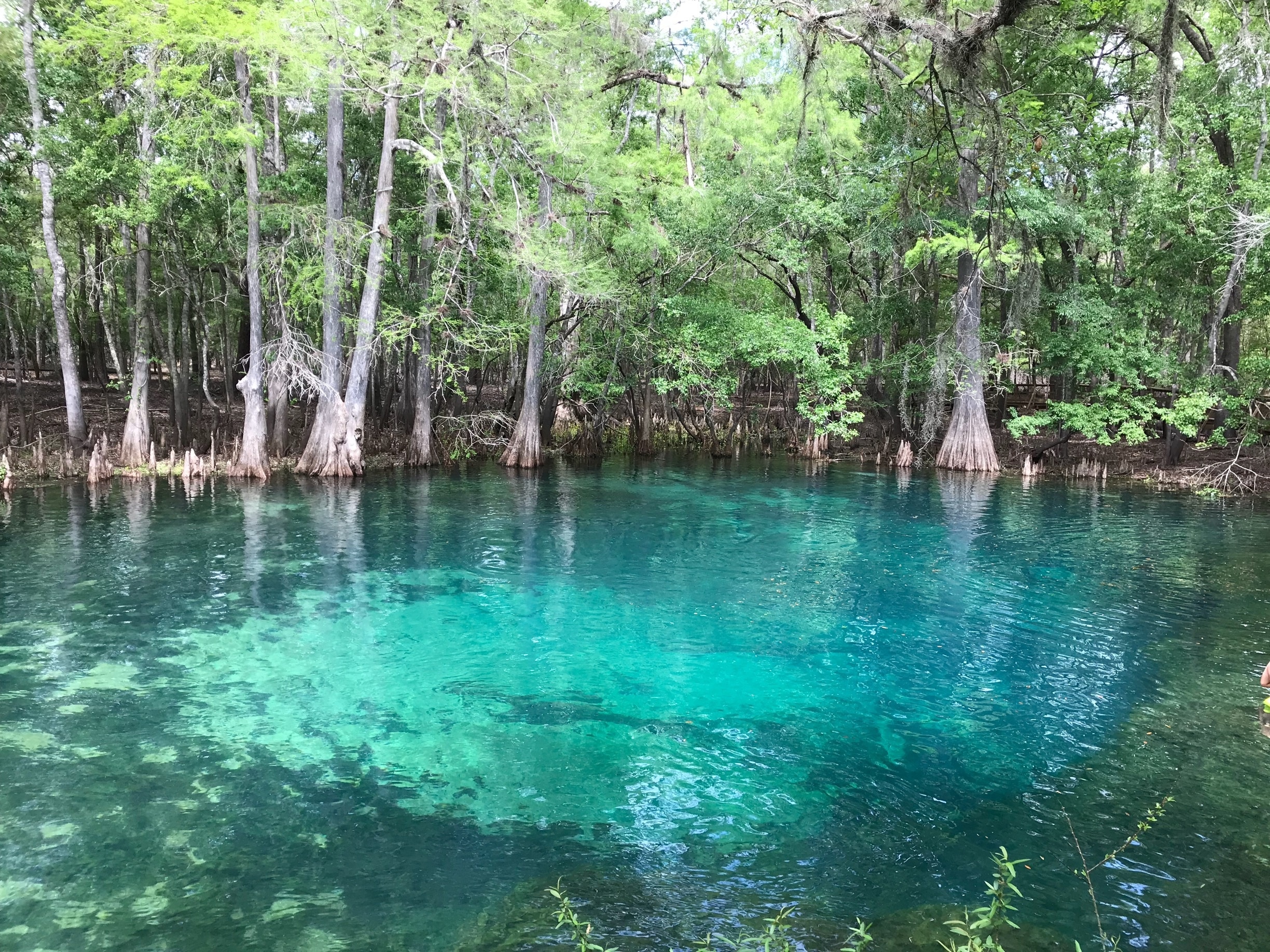
The area surrounding Chiefland is dotted with an impressive collection of crystal-clear, refreshing natural springs, each offering unique experiences. Perhaps the most famous is Manatee Springs State Park, located just six miles west of Chiefland. This first-magnitude spring is a vibrant hub for recreation. Visitors can swim, snorkel, or scuba dive in the invigorating 72-degree Fahrenheit waters, marveling at the underwater clarity. The park also features an extensive network of boardwalks that wind through a lush cypress forest, providing excellent opportunities for wildlife viewing, especially during cooler months when West Indian manatees seek refuge in the warmer spring waters. Kayaking and canoeing on the spring run to its confluence with the Suwannee River are also popular activities, offering a unique perspective of the riparian ecosystem.
Not far from Chiefland, Fanning Springs State Park provides another inviting spring experience, perfect for families with its sandy beach area and picnic facilities. Similarly, Hart Springs Park and Otter Springs Park and Campground offer additional opportunities for swimming, camping, and exploring the pristine spring environments, each with its distinct charm and array of facilities. These springs are vital ecological treasures, supporting diverse aquatic life and providing essential habitats for countless species, making every visit an opportunity for both recreation and environmental appreciation.
Exploring the Suwannee River Wilderness
The legendary Suwannee River, immortalized in song and folklore, flows just a short distance north of Chiefland. This blackwater river, fed by numerous springs and rainfall, offers a distinctly different natural experience from the springs. It’s a prime destination for canoeing, kayaking, and fishing, with its banks lined by ancient cypress and oak trees draped in Spanish moss. Travelers can embark on multi-day paddling trips along sections of the Suwannee River Wilderness Trail, staying at designated river camps or primitive campsites. Anglers will find abundant opportunities to catch bass, catfish, and bream. The river’s unique tannin-rich waters and diverse wildlife, including various bird species, alligators, and otters, provide endless fascination for nature photographers and wildlife enthusiasts.
Coastal Escapes Near Chiefland
While Chiefland itself is inland, its proximity to the Gulf of Mexico means coastal adventures are easily within reach. Cedar Key, a historic island town, is a popular day trip destination. Known for its laid-back atmosphere, delicious fresh seafood (especially oysters), and charming art galleries, Cedar Key offers a quintessential Old Florida experience. Visitors can enjoy fishing charters, explore the Cedar Key National Wildlife Refuge via boat, or simply relax and enjoy the Gulf breezes and stunning sunsets. Other nearby coastal towns like Yankeetown and Inglis also offer access to the Gulf’s estuaries and marshlands, popular for birdwatching and inshore fishing. The contrast between the freshwater springs, the blackwater river, and the saltwater coast within such a compact area is truly remarkable, offering a diverse array of natural landscapes to explore.
Beyond the Outdoors: Local Charm and Culture
While Chiefland’s natural attractions are undeniably its main draw, the town itself offers a taste of authentic rural Florida life, characterized by a friendly community, a relaxed pace, and a commitment to preserving its local heritage. Visiting Chiefland is also an opportunity to experience the charm of a small American town that has largely remained untouched by mass tourism.
A Glimpse into Rural Florida Life
Chiefland embodies the quintessential small-town feel, where neighbors know each other and community spirit thrives. The pace of life here is noticeably slower than in Florida’s larger cities or theme park destinations, inviting visitors to unwind and savor the moment. Agriculture remains a significant part of the local economy, with vast tracts of farmland surrounding the town producing various crops, including watermelon, which is celebrated annually. Driving through the area, one can witness active farms and ranches, providing a rustic backdrop to the natural beauty. This connection to the land is a defining characteristic of Chiefland’s identity, offering travelers a glimpse into the agricultural heartland of Florida. Local businesses, often family-owned, reflect this heritage, providing personalized service and a warm welcome.
Local Eateries and Flavors
Dining in Chiefland offers an unpretentious experience, focusing on hearty, comforting meals. Given its location, visitors can expect to find local eateries serving up traditional Southern fare, often with a generous side of hospitality. Breakfast spots are popular, serving classic American breakfasts, while lunch and dinner options range from casual diners to family-style restaurants. Fresh seafood is a common feature on menus, benefiting from the town’s proximity to the Gulf Coast. Many establishments pride themselves on using locally sourced ingredients when possible, offering a true taste of Florida’s agricultural bounty. Don’t expect gourmet Michelin-starred dining, but anticipate satisfying meals that fuel your adventures and provide an authentic local flavor.
Historical Echoes and Community Events
Chiefland might not have grand historical museums, but its past is subtly woven into the fabric of the community. The town’s history is rooted in its development as a trading and agricultural hub. Visitors interested in local history can appreciate the older buildings and the general ambiance that speaks of a bygone era. Throughout the year, Chiefland hosts various community events that showcase its local culture. The most prominent is the Chiefland Watermelon Festival, an annual event held in June that celebrates the area’s agricultural prowess. This festival draws visitors and locals alike with parades, craft vendors, live music, and, of course, an abundance of fresh watermelon. Participating in such events provides a genuine insight into the community’s spirit and traditions, offering a cultural experience that complements the natural adventures.
Planning Your Trip to Chiefland: Essentials for Travelers
To make the most of your Chiefland adventure, a bit of strategic planning will ensure a seamless and enjoyable experience, allowing you to fully immerse yourself in the natural splendor and local charm of Levy County.
Best Time to Visit
The ideal time to visit Chiefland largely depends on your desired activities. For those eager to experience the springs and enjoy outdoor activities with pleasant temperatures, the cooler months from October to April are highly recommended. During this period, the weather is generally mild, humidity is lower, and insect activity is minimized. Winter months (December to February) are particularly special for wildlife enthusiasts, as this is when West Indian manatees migrate to the warmer spring waters, offering incredible viewing opportunities at parks like Manatee Springs State Park. Summer (May to September) brings hotter temperatures and higher humidity, along with increased chances of afternoon thunderstorms. However, the warmer weather makes swimming in the springs even more inviting, and summer is often when the local festivals, such as the Chiefland Watermelon Festival, take place. Be prepared for mosquitoes and other biting insects if visiting during warmer, wetter periods.
Accommodation Options
Chiefland offers a range of accommodation options that cater to different preferences and budgets. For those who prefer traditional lodging, there are several motels and inns within the town, providing comfortable and convenient stays. Brands like Travelodge by Wyndham Chiefland and Quality Inn Chiefland offer reliable choices with standard amenities. For travelers seeking a more immersive nature experience, the area excels in camping and RV facilities. Many of the state parks, including Manatee Springs State Park and Fanning Springs State Park, offer well-maintained campsites for tents and RVs, often with direct access to the springs or river. Private campgrounds like Otter Springs Park and Campground also provide excellent facilities, often including cabins for those who prefer a roof over their heads while still being close to nature. Booking in advance, especially during peak season (winter and spring breaks), is advisable to secure your preferred spot.
Getting Around
A personal vehicle is absolutely essential for exploring Chiefland and its surrounding attractions. While the town center is walkable, the springs, the Suwannee River, and coastal destinations are spread out over a significant area and are not accessible via public transportation. Having a car allows for flexibility and the freedom to discover hidden gems off the main routes. Consider renting a vehicle from one of the major airports if you are flying in. Roads are generally well-maintained, and traffic is light, making driving a pleasant experience. Navigation apps will be helpful for reaching specific parks and attractions.
What to Pack
Given the focus on outdoor and water activities, packing smart will enhance your trip. Essentials include swimwear, quick-drying clothes, sun protection (sunscreen, hat, sunglasses), and sturdy, comfortable shoes suitable for hiking or walking on various terrains. Insect repellent is a must, especially during warmer months or when exploring forested areas and wetlands. Reusable water bottles are recommended to stay hydrated, and a waterproof bag for electronic devices is useful for spring and river excursions. Don’t forget a camera to capture the stunning landscapes and wildlife. For divers or snorkelers, bringing your own gear can be convenient, although rentals are available at some spring locations. Layers are advisable during the cooler months, as mornings can be chilly, warming up significantly by midday.

Respecting Nature
Chiefland’s appeal lies in its unspoiled natural environment. As a visitor, it is crucial to adhere to “Leave No Trace” principles to help preserve these delicate ecosystems. This includes disposing of waste properly, staying on marked trails, respecting wildlife from a distance, and avoiding disturbing natural features. When visiting the springs, be mindful of the rules regarding flotation devices and interacting with marine life, particularly manatees, which are protected species. By being a responsible and conscientious traveler, you contribute to the conservation of Chiefland’s extraordinary natural beauty for future generations to enjoy.
LifeOutOfTheBox is a participant in the Amazon Services LLC Associates Program, an affiliate advertising program designed to provide a means for sites to earn advertising fees by advertising and linking to Amazon.com. Amazon, the Amazon logo, AmazonSupply, and the AmazonSupply logo are trademarks of Amazon.com, Inc. or its affiliates. As an Amazon Associate we earn affiliate commissions from qualifying purchases.