
Chicago, a city renowned for its architectural marvels, vibrant arts scene, and deep-dish pizza, is also home to one of the most culturally rich and historically significant Chinatowns in the United States. Far more than just a cluster of restaurants, Chicago’s Chinatown is a thriving community, a destination brimming with unique experiences, and a testament to the enduring spirit of Chinese immigrants who helped shape the city. For those seeking an authentic cultural immersion and a journey for the senses, knowing where this dynamic district lies is the first step toward an unforgettable adventure.
Located southwest of the downtown Loop, Chinatown in Chicago is easily accessible and a vital part of the city’s diverse tapestry. It occupies a distinct geographic footprint, primarily centered around Wentworth Avenue and Archer Avenue, extending outwards to encompass a bustling commercial area, residential streets, and serene parks. This vibrant enclave offers a striking contrast to the towering skyscrapers of the city center, inviting visitors into a world steeped in Chinese traditions, flavors, and history.
Locating Chicago’s Chinatown: A Gateway to Another World
Pinpointing the exact location of Chicago’s Chinatown is crucial for first-time visitors eager to explore its myriad offerings. This historical district, unlike some more dispersed ethnic enclaves, maintains a strong, concentrated presence, making it an easy and rewarding destination to navigate.
Geographic Coordinates and Surrounding Areas
Chinatown is situated approximately 3-4 miles southwest of the city’s financial Loop district. Its main arteries are Wentworth Avenue, which runs north-south, and Archer Avenue, running northeast-southwest, intersecting at its heart. The district is generally bounded by Cermak Road to the north, the Dan Ryan Expressway to the east, 35th Street to the south, and Wallace Street to the west. This strategic location places it conveniently close to major city attractions while maintaining its unique cultural identity.
Adjacent to Chinatown is the sprawling McCormick Place convention center, making it a popular dining and cultural excursion for convention attendees. Its proximity to the Chicago River also offers scenic views and unique recreational opportunities, particularly with the development of waterfront parks.
How to Get There
Getting to Chinatown is remarkably straightforward, thanks to Chicago’s efficient public transportation system and well-connected road network.
Public Transportation: The CTA Red Line
The most popular and convenient way to reach Chinatown is via the Chicago Transit Authority’s (CTA) Red Line train.
- CTA Red Line: Take the Red Line train to the Cermak-Chinatown station. Upon exiting the station, you are immediately immersed in the heart of the neighborhood. The iconic Chinatown Gate is just a short walk away, signaling your arrival into this vibrant community. The Red Line offers direct access from many popular areas, including the Loop, Magnificent Mile, and the North Side.
Bus Routes
Several CTA bus routes also serve the Chinatown area, providing additional flexibility, particularly for those coming from different parts of the city or looking for a scenic journey.
- Bus Routes: Routes like the #24 Wentworth, #62 Archer, and #21 Cermak all have stops within the district, offering convenient access from various directions. Checking the CTA website or using a navigation app for real-time bus information is always recommended.
Driving and Parking
For those who prefer to drive, Chinatown is easily accessible via major expressways, including the Dan Ryan Expressway (I-90/94). However, as with any bustling urban district, parking can be a challenge, especially during peak hours or festival times.
- Parking: There are several paid parking lots and garages available within Chinatown, as well as metered street parking. The Chinatown Square parking garage is a popular option, offering convenient access to many shops and restaurants. It’s advisable to factor in potential parking time when planning your visit.
A Glimpse into its History and Culture: The Spirit of Resilience
The story of Chicago’s Chinatown is one of resilience, community building, and cultural preservation. It represents a living history book, narrating the journey of Chinese immigrants who sought new beginnings in the American Midwest.
From Humble Beginnings to a Vibrant Community
The first wave of Chinese immigrants arrived in Chicago in the late 19th century, primarily drawn by economic opportunities. Initially, many settled near Clark Street in the Loop, establishing a small enclave known as “Old Chinatown.” However, increasing rents and discrimination prompted a significant move south in the early 20th century. In 1912, the Chinese Consolidated Benevolent Association purchased land at 22nd Street (now Cermak Road) and Wentworth Avenue, laying the groundwork for the Chinatown we know today.
This move was pivotal, allowing the community to own property, build institutions, and create a self-sufficient cultural and economic hub. Generations worked tirelessly to build homes, businesses, and community organizations, transforming a swampy stretch of land into the vibrant, culturally rich district it is today.
Architectural Wonders and Cultural Landmarks
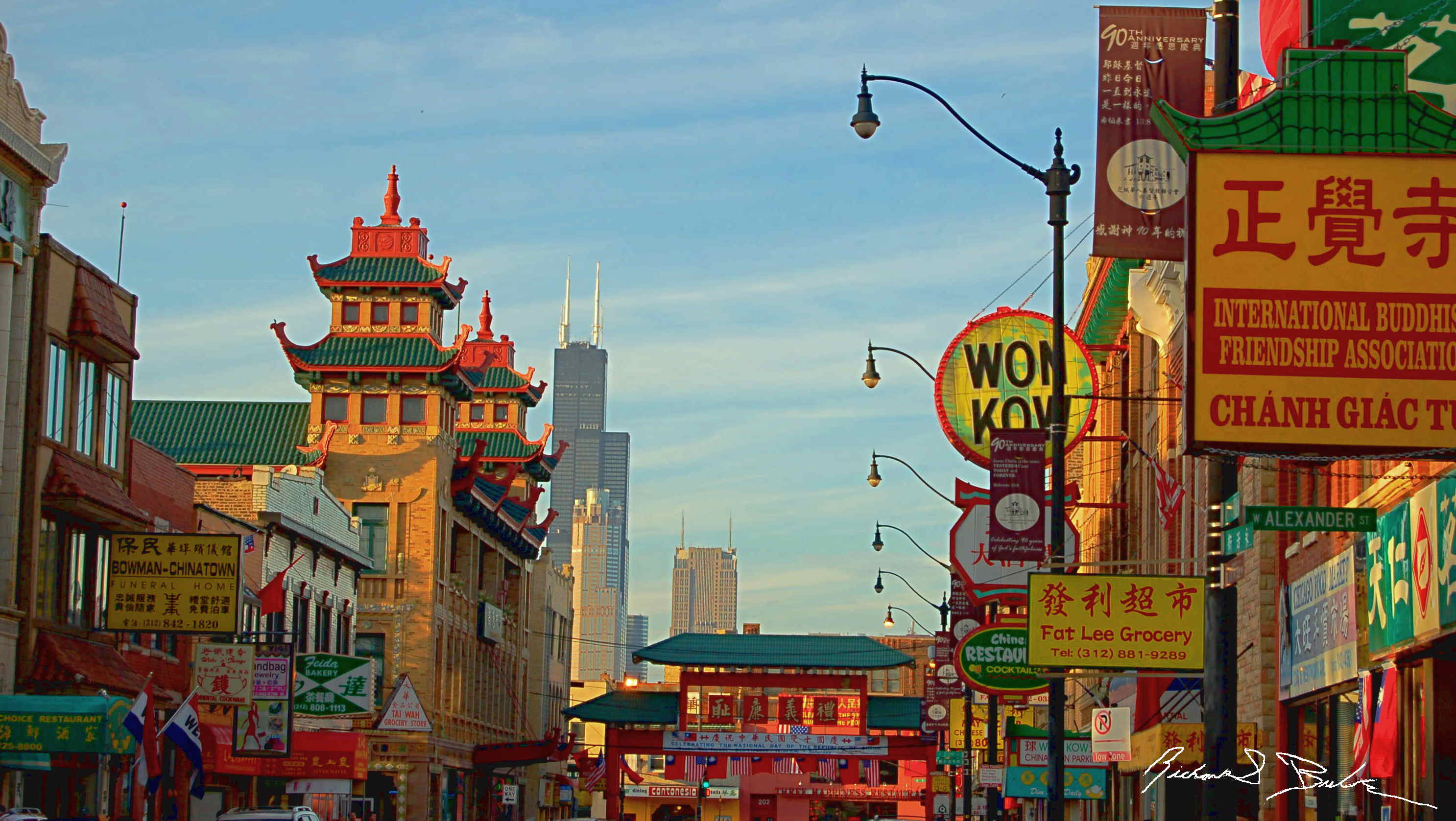
Chinatown’s unique architectural style immediately distinguishes it from other Chicago neighborhoods. Traditional Chinese design elements, vibrant colors, and intricate details adorn many buildings, creating an immersive cultural experience.
The Iconic Chinatown Gate
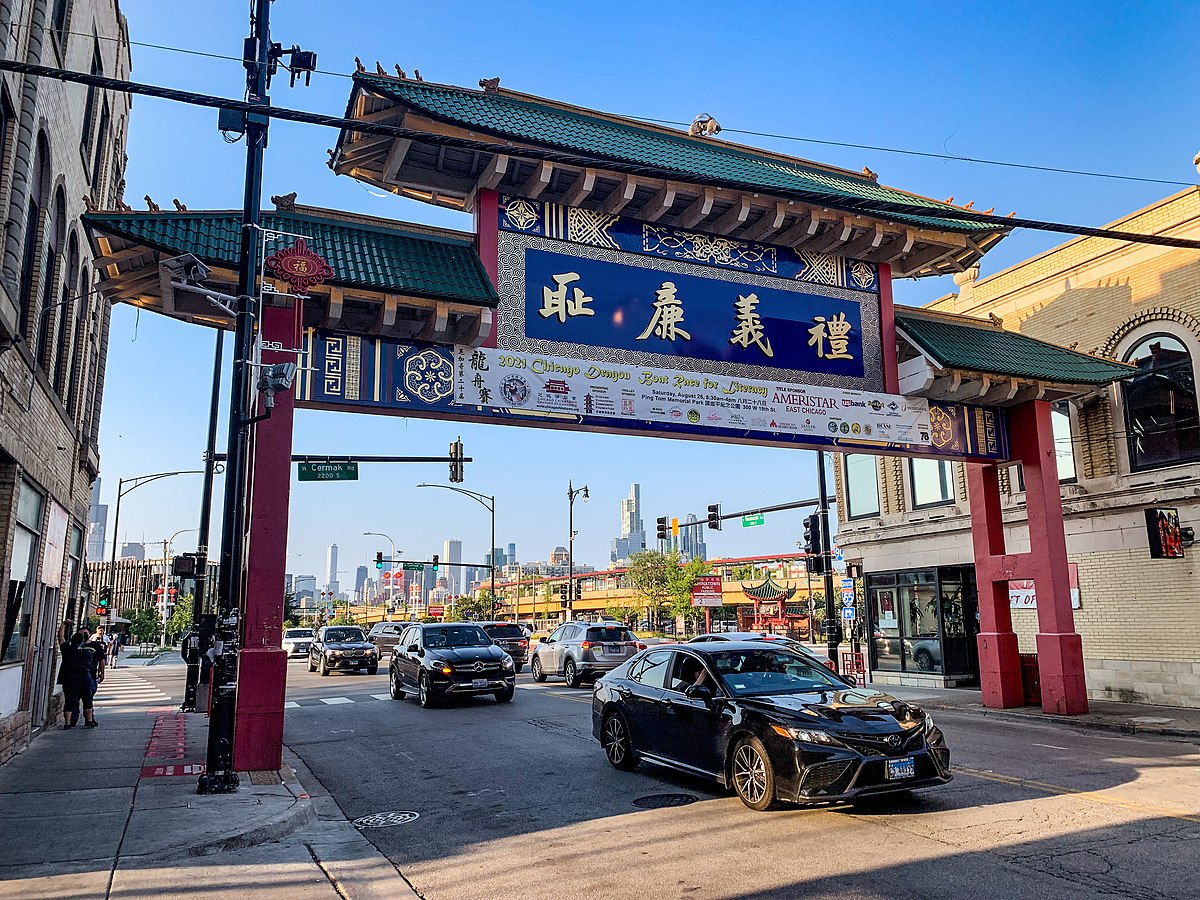
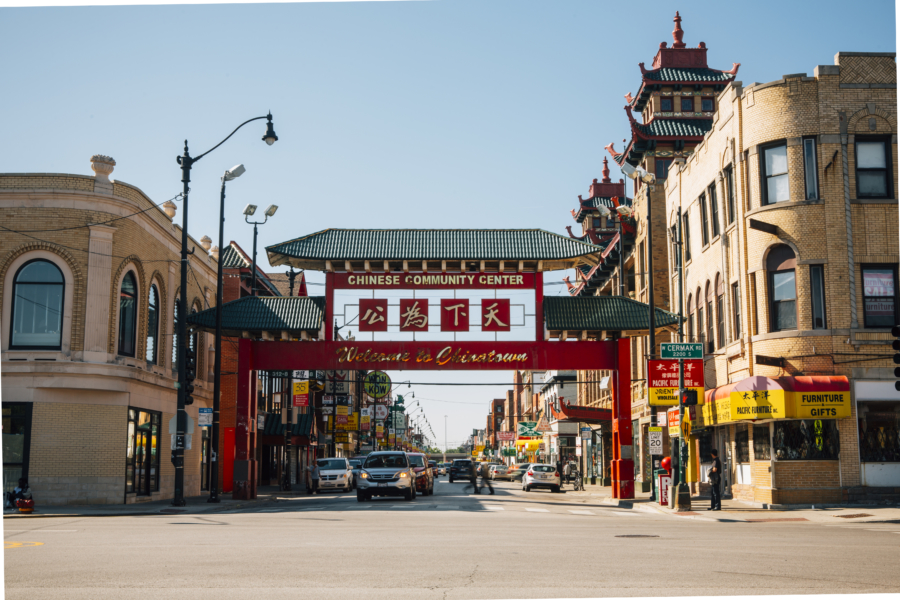
The most prominent and recognizable landmark is the Chinatown Gate (also known as the “Pai Lou”), standing majestically over Wentworth Avenue at Cermak Road. Adorned with colorful tiles, intricate carvings, and traditional Chinese characters, it serves as a symbolic entrance to the district, welcoming visitors and proudly displaying its cultural heritage. A second, more modern gate stands at Archer Avenue and Wentworth Avenue, further enhancing the district’s distinctive aesthetic.
Chinatown Square
A central hub of activity, Chinatown Square is a pedestrianized mall featuring two-story buildings housing various shops and restaurants. What makes it particularly captivating are the twelve Chinese zodiac sculptures strategically placed throughout the square, each representing an animal of the Chinese lunar calendar. Visitors often enjoy finding their zodiac sign and learning about its characteristics.
Ping Tom Memorial Park
Nestled along the Chicago River, Ping Tom Memorial Park is a breathtaking green oasis that blends natural beauty with traditional Chinese landscape architecture. Opened in 1999, the park features pagodas, bamboo groves, scenic walking paths, and a children’s playground. It offers stunning views of the Chicago skyline and the river, and during warmer months, it’s a popular spot for kayaking and water taxi rides, connecting Chinatown to downtown Chicago by water.
Other Notable Structures
Other significant landmarks include the Pui Tak Center, an impressive building that once served as the On Leong Merchants Association Building and now functions as a community center offering social services and cultural programs. Its ornate architecture, reminiscent of a traditional Chinese palace, is a sight to behold. Also, the beautiful St. Therese Chinese Catholic Church showcases a blend of Western and Chinese architectural styles, reflecting the community’s diverse spiritual life.
Must-See Attractions and Experiences: A Feast for the Senses
Beyond its historical significance and unique architecture, Chicago’s Chinatown is a dynamic travel destination offering a wealth of experiences for every visitor. From tantalizing culinary adventures to unique shopping finds and vibrant cultural celebrations, there’s always something new to discover.
Culinary Journey
For many, a trip to Chinatown is synonymous with an unparalleled culinary adventure. The district boasts an incredible array of restaurants, bakeries, and tea houses, offering everything from traditional dim sum to contemporary Sichuan cuisine.
Dim Sum Delights
No visit to Chinatown is complete without experiencing dim sum. These small, exquisite plates, served primarily during lunch, offer a communal dining experience where carts laden with steamed dumplings, BBQ pork buns, spring rolls, and more are wheeled directly to your table. It’s a fantastic way to sample a wide variety of flavors and textures.
Regional Chinese Cuisines
Beyond dim sum, Chinatown offers a diverse palette of regional Chinese cuisines. From the fiery spice of Sichuan dishes to the comforting flavors of Cantonese stir-fries, the rich broths of Taiwanese beef noodle soup, and the delicate artistry of Shanghainese cuisine, food enthusiasts will find themselves spoiled for choice. Many establishments specialize in specific regions, ensuring an authentic taste of China.
Bakeries and Tea Houses
Sweet treats are also a highlight, with numerous bakeries offering traditional Chinese pastries, mooncakes, and bubble tea. Tea houses provide a serene escape, allowing visitors to savor traditional Chinese teas and immerse themselves in the art of tea appreciation.
Shopping and Souvenirs
Chinatown’s streets are lined with an eclectic mix of shops, offering everything from everyday essentials to unique cultural artifacts.
Specialty Shops
Explore stores brimming with traditional Chinese silks, ceramics, artwork, and intricate jade jewelry. Herbal shops offer traditional Chinese medicine, while bookstores provide a glimpse into Chinese literature and philosophy. It’s an excellent place to find unique gifts and souvenirs that reflect the rich cultural heritage of the area.
Markets and Groceries
For those interested in Chinese cooking, the grocery stores in Chinatown are a treasure trove of authentic ingredients, exotic produce, and specialty sauces not easily found elsewhere. They offer an immersive experience into the culinary foundation of the community.
Festivals and Events
Chinatown comes alive during its numerous festivals and cultural celebrations, which provide vibrant insights into Chinese traditions.
Chinese New Year Celebration
The most significant event is the Chinese New Year (Lunar New Year) celebration, which features spectacular lion and dragon dances, colorful parades, traditional music, and special performances. The streets burst with energy, attracting thousands of visitors and locals alike to partake in the festivities.
Dragon Boat Race
Every summer, the Chicago Dragon Boat Race Festival takes place on the Chicago River near Ping Tom Memorial Park. Teams paddle elaborately decorated dragon boats in a thrilling competition, accompanied by cultural performances, food vendors, and a lively atmosphere. It’s a unique event that showcases athletic prowess and Chinese heritage.
Cultural Institutions
For a deeper dive into Chinese American history and culture, Chinatown houses several important institutions.
- Chinese American Museum of Chicago: Located on Wentworth Avenue, this museum provides invaluable insights into the history, culture, and contributions of Chinese Americans in the Midwest. Its exhibits cover immigration stories, community development, and cultural traditions, offering a profound educational experience.
Planning Your Visit: Maximizing Your Chinatown Experience
To truly appreciate all that Chicago’s Chinatown has to offer, a little planning can go a long way.
Best Time to Visit
Chinatown is a year-round destination, but certain times offer unique advantages.
- Spring and Fall: Mild weather makes for pleasant walking and exploring. The vibrant colors of fall also add to the scenic beauty, especially around Ping Tom Memorial Park.
- Summer: While warmer, summer brings outdoor festivals like the Dragon Boat Race and opportunities for water activities on the Chicago River.
- Winter: The colder months are ideal for cozying up in restaurants and bakeries, and of course, the grand Chinese New Year celebrations typically fall in late January or February, making it a very exciting time to visit. Weekdays generally offer a more relaxed experience, while weekends are bustling with activity.
Navigating the Neighborhood
Chinatown is an extremely walkable neighborhood. Most attractions, restaurants, and shops are concentrated along Wentworth Avenue and Archer Avenue and within Chinatown Square. Wear comfortable shoes to fully enjoy exploring on foot. The area is generally safe and welcoming to visitors. Don’t hesitate to ask shopkeepers or locals for recommendations – many are happy to share their insights.
Nearby Attractions and Synergies
Integrating your Chinatown visit into a broader Chicago itinerary can enhance your experience.
- Downtown Chicago: Given its proximity, it’s easy to combine a trip to Chinatown with visits to downtown attractions like the Art Institute of Chicago, Millennium Park, or the shopping district along the Magnificent Mile. The CTA Red Line offers direct and quick connections.
- South Loop: The Chinatown neighborhood naturally extends the cultural exploration from the South Loop, which is home to various historical sites and educational institutions.
- Water Taxi: During warmer months, consider taking a water taxi from Ping Tom Memorial Park to downtown Chicago for a unique perspective of the city’s architecture from the river.
In conclusion, Chicago’s Chinatown is a vibrant and essential cultural destination, offering a rich tapestry of history, tradition, and contemporary life. Its easily accessible location, distinct architecture, mouth-watering cuisine, and lively cultural events make it a must-visit for anyone traveling to Chicago. Whether you’re seeking an authentic meal, a unique souvenir, or a deeper understanding of Chinese American heritage, Chinatown promises an engaging and unforgettable experience, a true jewel in the crown of the Windy City.
LifeOutOfTheBox is a participant in the Amazon Services LLC Associates Program, an affiliate advertising program designed to provide a means for sites to earn advertising fees by advertising and linking to Amazon.com. Amazon, the Amazon logo, AmazonSupply, and the AmazonSupply logo are trademarks of Amazon.com, Inc. or its affiliates. As an Amazon Associate we earn affiliate commissions from qualifying purchases.