
The question “Where Is Chino California?” often arises for those planning a visit to the Golden State, seeking to pinpoint this distinct locale within its sprawling landscape. Chino, a vibrant city nestled in the heart of Southern California, is more than just a dot on the map; it’s a community with a rich history, a growing economy, and a strategic location that makes it an appealing destination for residents and visitors alike. Understanding its geographical context is key to appreciating its unique character and the opportunities it presents.
Geographical Positioning and Neighboring Communities
Chino’s location is a significant factor in its identity and accessibility. Situated within San Bernardino County, it benefits from its proximity to major transportation arteries and a network of diverse communities, each contributing to the regional tapestry of Southern California.
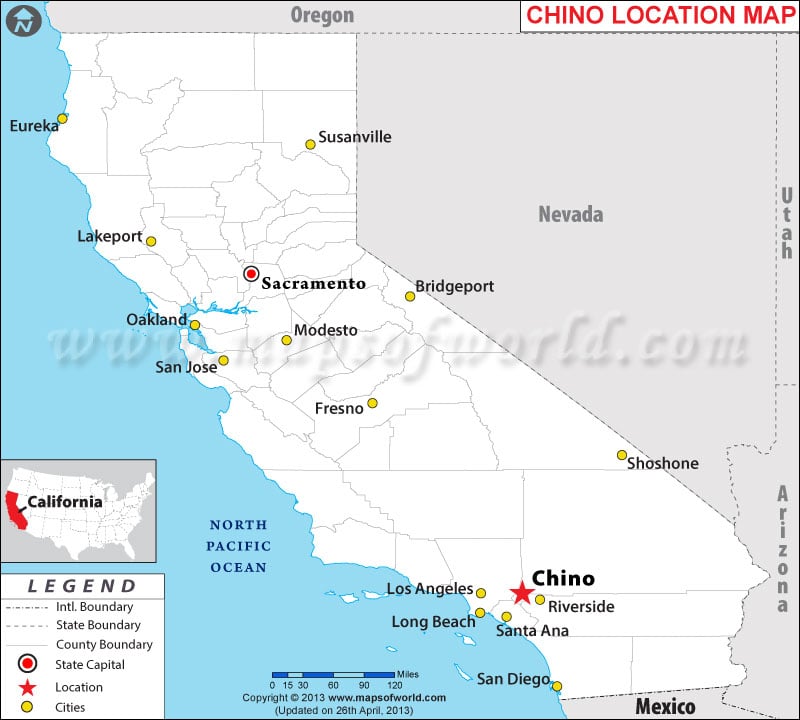
Within the Inland Empire
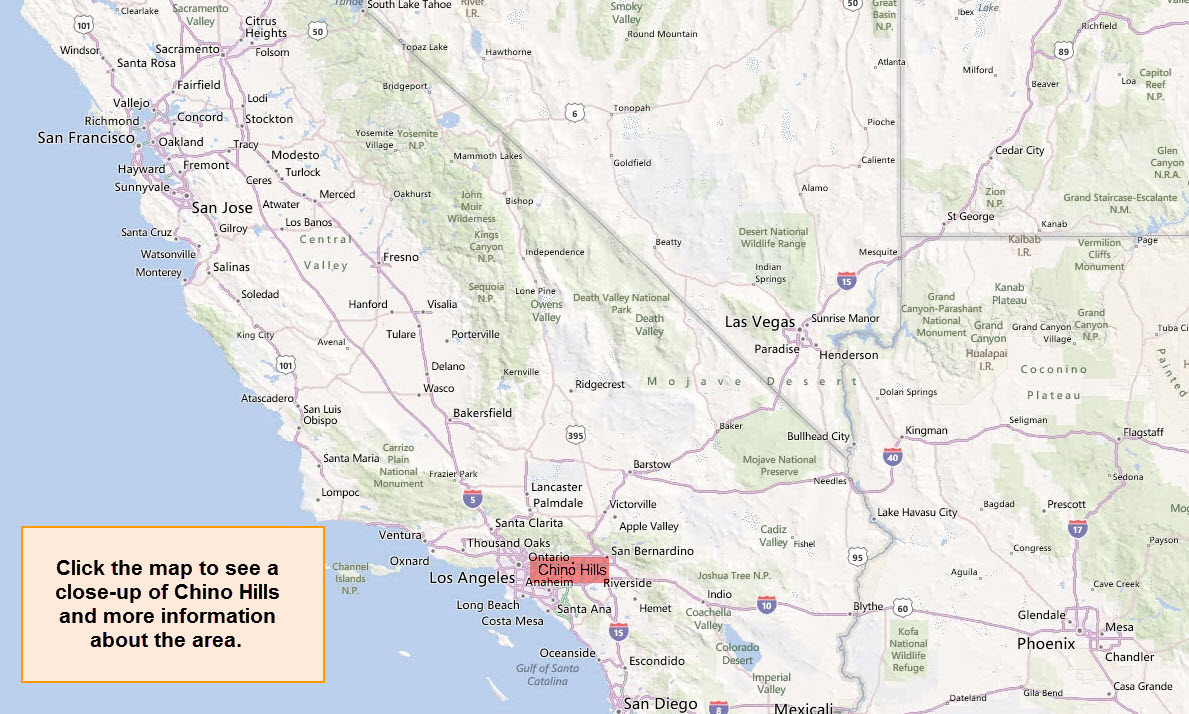
Chino is a key part of the Inland Empire, a vast and economically significant region east of Los Angeles. This area encompasses several counties, with San Bernardino and Riverside counties being the most prominent. The Inland Empire is known for its diverse industrial base, burgeoning residential areas, and a landscape that ranges from coastal plains to mountainous terrain. Chino’s inclusion within this dynamic region places it at a crossroads of commerce and culture, offering its residents and visitors a taste of the wider Southern California experience.
Proximity to Major Hubs
One of Chino’s most compelling attributes is its strategic placement relative to major Southern California metropolises. It lies approximately 35 miles east of Downtown Los Angeles, a distance that allows for relatively easy access to the entertainment, business, and cultural attractions of the larger city. This proximity makes Chino an attractive residential option for those who work in Los Angeles but prefer a more suburban lifestyle.
Furthermore, Chino is conveniently located near other significant cities within the Inland Empire. To its west lies the city of Pomona, known for its extensive fairgrounds and educational institutions. To its east is Ontario, a bustling hub for logistics and retail, boasting the Ontario International Airport (ONT), a crucial air cargo and passenger terminal for the region. Its southern neighbor is Corona, a growing city in Riverside County, and to the north, Chino Hills offers a more affluent and master-planned community. This web of interconnected cities creates a rich and varied environment, offering a wide array of amenities and experiences within a short drive.
Navigating Chino: Key Roads and Freeways
Access to Chino is facilitated by a well-developed network of freeways. The major artery serving the city is the State Route 71 (SR 71), also known as the Corona Freeway, which runs north-south, connecting Chino to the State Route 60 (SR 60) and the State Route 91 (SR 91) freeways. These routes provide direct access to the greater Los Angeles metropolitan area, as well as to Riverside and Orange Counties.
Additionally, the Interstate 10 (I-10), a major transcontinental highway, is accessible via SR 71 and SR 60, further broadening travel options. Surface streets within Chino are also well-maintained, providing efficient local transportation. Major thoroughfares such as Chino Hills Parkway, Central Avenue, and Euclid Avenue are integral to the city’s internal navigation and connect it to neighboring communities.
Historical Roots and Development
Chino’s past is deeply intertwined with the agricultural heritage of Southern California, a foundation that has shaped its growth and identity. Understanding this history provides valuable context for the city’s present-day character.
From Ranchos to Rails
The land that now constitutes Chino was once part of vast Spanish and Mexican land grants, known as ranchos. In the mid-19th century, this area was primarily used for cattle ranching. The transformation began with the arrival of American settlers and the development of the railroad, which facilitated the transport of agricultural goods and encouraged the establishment of towns.
The name “Chino” itself is believed to have originated from the indigenous Tongva people, though its exact meaning and etymology remain debated among historians. Some theories suggest it relates to the word for “willow,” a common tree in the region, while others point to other indigenous terms. Regardless of its precise origin, the name has stuck, becoming synonymous with this specific locale.
The Rise of Agriculture and Industry
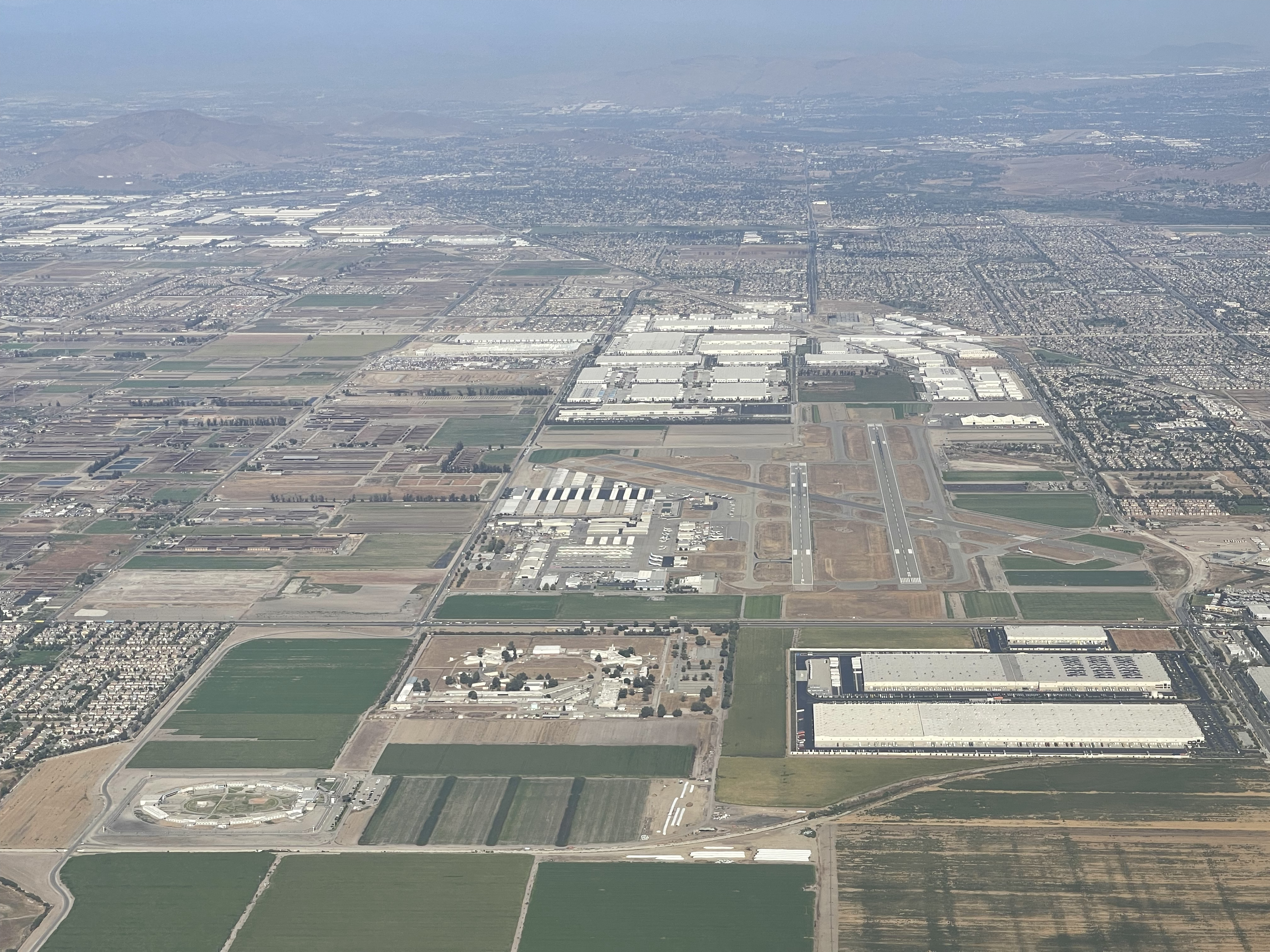
In the late 19th and early 20th centuries, Chino emerged as a significant agricultural center. Its fertile soil and favorable climate made it ideal for growing crops like sugar beets, alfalfa, and citrus fruits. The establishment of the Chino Valley Beet Sugar Factory in the early 1900s was a major economic development, cementing its status as an agricultural powerhouse. This era saw the growth of a distinct community, focused on farming and related industries.
As the 20th century progressed, Chino, like much of Southern California, began to diversify its economy. While agriculture remained important, the city saw an increase in manufacturing, warehousing, and retail development. This shift was influenced by its strategic location and the expansion of the greater Los Angeles economy. Today, remnants of its agricultural past can still be found, particularly in the surrounding unincorporated areas, but the city itself has evolved into a more suburban and economically diverse municipality.
Chino’s Modern Identity: Lifestyle and Attractions
Today, Chino presents a modern face, blending suburban comfort with a growing sense of community and opportunities for engagement. Its identity is shaped by its residents, its developing infrastructure, and the amenities it offers.
A Family-Friendly Suburb
Chino is often characterized as a family-friendly suburb, offering a more relaxed pace of life compared to the bustling urban centers of Los Angeles. It boasts a good selection of public and private schools, numerous parks, and a generally safe environment, making it an attractive place for families to settle and raise children. The city has a strong sense of community, with local events and civic organizations fostering a connection among residents.
Green Spaces and Recreational Opportunities
Despite its suburban development, Chino has made efforts to preserve and create green spaces. The City of Chino Parks and Recreation Department oversees a network of parks offering various recreational facilities, from playgrounds and sports fields to walking trails and picnic areas. Pioneer Park and Rubidoux Park are popular local spots for outdoor activities. For those seeking more extensive natural beauty and hiking, the nearby Chino Hills State Park offers a more rugged and expansive outdoor experience, with trails winding through rolling hills and canyons, providing panoramic views of the surrounding region.
Cultural and Community Hubs
Chino’s community life is centered around several key institutions. The Chino Community Building serves as a focal point for local events, meetings, and activities. The Chino Library is an essential resource for education and community engagement. While Chino itself might not boast world-renowned landmarks, its strength lies in its community-focused amenities and its role as a comfortable and accessible base from which to explore the wider attractions of Southern California. The city is also home to a diverse population, contributing to a vibrant cultural landscape reflected in its local businesses and community events.
LifeOutOfTheBox is a participant in the Amazon Services LLC Associates Program, an affiliate advertising program designed to provide a means for sites to earn advertising fees by advertising and linking to Amazon.com. Amazon, the Amazon logo, AmazonSupply, and the AmazonSupply logo are trademarks of Amazon.com, Inc. or its affiliates. As an Amazon Associate we earn affiliate commissions from qualifying purchases.