
Nestled in the rolling landscapes of the American Midwest, Chouteau serves as a quintessential example of small-town charm and historical significance within the state of Oklahoma. For travelers traversing the heartland, identifying the precise location of this community is essential for those seeking an authentic experience away from the bustling metropolitan hubs. Situated in the northeastern quadrant of the state, this town is strategically positioned within Mayes County, offering a peaceful retreat that reflects the deep-rooted heritage of the region.
Geographical Positioning and Regional Context
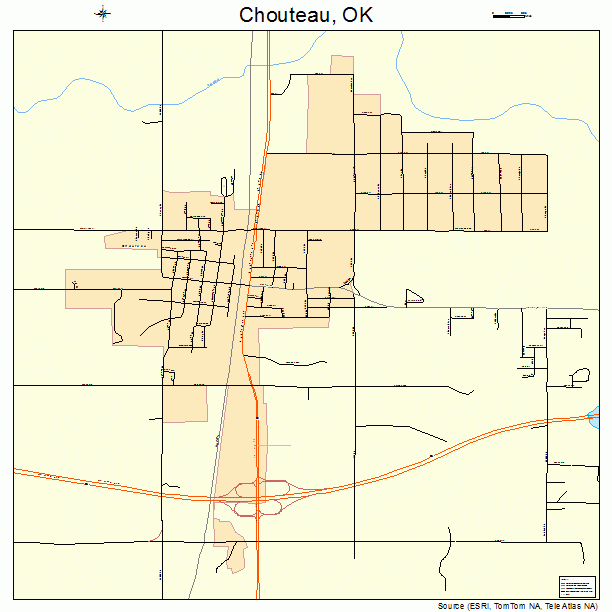
Understanding where Chouteau resides requires a look at the broader map of Northeastern Oklahoma. The town is located along the banks of the Grand River, a vital waterway that has shaped the history and commerce of the area for generations.

Accessing the Town via Major Routes
The town is easily accessible for those exploring the region by vehicle. It lies along U.S. Route 69, a major north-south artery that connects the community to larger urban centers. To the north, travelers can reach the city of Pryor, the county seat, which provides a gateway to further industrial and recreational exploration. Heading south along the same route, motorists will find themselves approaching the city of Muskogee, further integrating Chouteau into the regional economic and social fabric.
Proximity to Major Hubs
For those flying into the area, Tulsa serves as the primary gateway. Located approximately 45 miles to the southwest, the Tulsa International Airport is the most logical point of entry for visitors traveling from afar. The drive from Tulsa to Chouteau is a straightforward journey, predominantly following State Highway 412 or connecting via secondary roads that showcase the lush, green terrain typical of this part of Green Country.
Historical Significance and Cultural Identity
The location of Chouteau is not merely a set of coordinates; it is deeply intertwined with the history of the Cherokee Nation. The town’s very name honors the Chouteau family, a prominent clan of French fur traders who played a foundational role in the economic development of the American Frontier during the 18th and 19th centuries.
A Legacy of Trade and Settlement
Before it was a modern municipality, this area served as a crossroads for explorers, indigenous peoples, and settlers heading west. Its position near the Grand River made it an ideal site for trading posts. Today, the town maintains a strong connection to its Native American roots, which are celebrated through local festivals, monuments, and the preservation of historic architecture that defines the town center. Visitors walking the quiet streets can sense the layers of history that have settled over this land, from the early Louisiana Purchase era to the growth of Oklahoma as a state.

Cultural Festivals and Community Spirit
The town acts as a heartbeat for the surrounding rural communities. Throughout the year, events focused on local agriculture and Midwestern tradition draw residents and curious tourists alike. Whether attending a local fair or visiting the Chouteau Historical Museum, one gains an appreciation for how the town’s location has fostered a resilient, tight-knit community.
Natural Beauty and Recreational Opportunities
Because Chouteau is located in a region characterized by rolling hills, expansive plains, and proximity to major waterways, it is an ideal destination for those who enjoy outdoor activities.
Exploring the Grand River Watershed
The proximity to the Grand River and the nearby Hudson Lake offers unparalleled opportunities for water-based recreation. Fishing, boating, and kayaking are popular pastimes for those who use Chouteau as their base camp. The serene environment provides a stark contrast to the hectic pace of modern life, inviting travelers to slow down and enjoy the natural beauty of Northeastern Oklahoma.
Nearby State Parks and Nature Reserves
For nature enthusiasts, the location of Chouteau puts them within a reasonable driving distance of some of the state’s most prized natural assets. A short trip can lead visitors to the beautiful Sequoyah State Park, located along the shores of Fort Gibson Lake. Here, the terrain shifts into dense woodlands, offering miles of hiking and biking trails. This accessibility ensures that visitors to Chouteau can experience both the quiet charm of the town and the adventurous spirit of the surrounding wilderness.
Navigating the Region: Tips for the Discerning Traveler
For those planning to visit this part of the country, navigating the local landscape requires a blend of preparation and spontaneity. While the town itself is compact, the true value of the location is its accessibility to the wider Green Country landscape.
Seasonal Travel Considerations
The climate in Oklahoma is characterized by distinct seasons. Spring and autumn are arguably the most pleasant times to visit Chouteau, as the temperatures are mild and the landscape is vibrant. Summers can be quite warm, which is ideal for those planning to spend their time on the water, while winters are generally cold but manageable for those visiting historical sites. Checking weather patterns before traveling along U.S. Route 69 is always a wise precaution, especially during the volatile spring storm season.
The Value of the “Off-the-Beaten-Path” Experience
The true appeal of Chouteau lies in its status as a hidden gem. It is not an overcrowded tourist destination, which allows for a more personal engagement with the local culture. Travelers will find that the pace of life here is deliberate. Spending time in local diners, exploring the small-town shops, and engaging with the community provides a far more meaningful experience than can be found in more commercialized tourist spots. Whether one is a history buff, an outdoor enthusiast, or simply a traveler looking to discover a quiet corner of the United States, Chouteau offers an inviting, authentic, and peaceful location to explore.
By understanding the geographical, historical, and recreational significance of Chouteau, one can better appreciate its role as a representative of the enduring spirit of Northeastern Oklahoma. It remains a destination that rewards the curious traveler with beauty, history, and a warm, welcoming atmosphere.
LifeOutOfTheBox is a participant in the Amazon Services LLC Associates Program, an affiliate advertising program designed to provide a means for sites to earn advertising fees by advertising and linking to Amazon.com. Amazon, the Amazon logo, AmazonSupply, and the AmazonSupply logo are trademarks of Amazon.com, Inc. or its affiliates. As an Amazon Associate we earn affiliate commissions from qualifying purchases.