
Colorado City, Arizona is a destination often shrouded in a unique blend of geographical isolation and historical mystique, making its precise location and surrounding context a topic of interest for travelers seeking to explore the less-trodden paths of the American Southwest. Nestled in a remote corner of Arizona, bordering Utah, this town holds a distinctive position on the map, not just physically, but culturally and historically as well. Understanding where it is situated provides the foundational knowledge for anyone considering a journey to this intriguing locale, offering insights into its accessibility, the natural wonders that envelop it, and the broader travel experiences available in its vicinity.
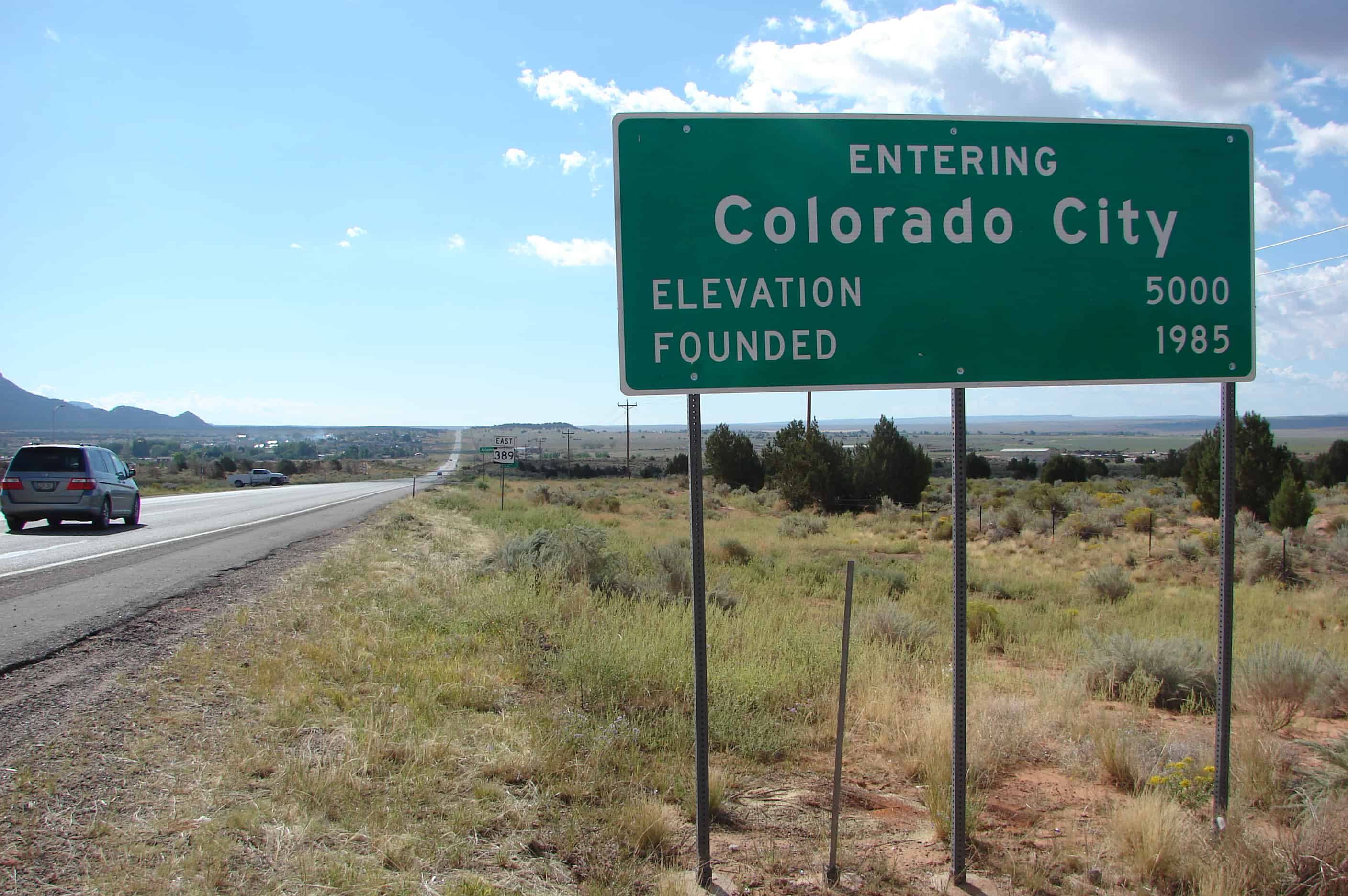
Locating Colorado City: A Desert Enclave
Pinpointing Colorado City, Arizona on a map reveals it to be a key settlement within the remote area known as the Arizona Strip. This geographically distinct region lies north of the Grand Canyon National Park and is largely isolated from the rest of Arizona by the immense natural barrier of the Grand Canyon. Its location near the Utah border means it shares a cultural and logistical connection with its northern neighbor, often feeling more tied to communities like St. George, Utah than distant Phoenix, Arizona.
Geographical Coordinates and Surrounding Landscape
Colorado City sits at approximately 37.00° N latitude and 112.98° W longitude. This places it directly adjacent to Hildale, Utah, forming a twin-city community often referred to collectively as Short Creek. The landscape surrounding Colorado City is quintessential high desert, characterized by striking red rock formations, mesas, canyons, and vast, open expanses. It’s situated on the edge of the Colorado Plateau, transitioning towards the Mojave Desert, offering breathtaking scenic vistas that are a hallmark of the American Southwest. Elevations range, providing cooler temperatures than the low desert regions of Arizona but still subject to extreme heat in summer and cold snaps in winter. The geology here tells a story millions of years old, with layers of sandstone, shale, and limestone sculpted by wind and water into dramatic forms that invite exploration and photography.
Proximity to Major Hubs and Natural Wonders
While geographically remote, Colorado City is strategically positioned for access to several major natural attractions and regional travel hubs. The closest significant city is St. George, Utah, approximately an hour’s drive to the northwest. This makes St. George the primary gateway for amenities, services, and airport access (St. George Regional Airport). Further afield, Las Vegas, Nevada, is about a three-hour drive southwest, offering a major international airport (McCarran International Airport) and a vibrant urban experience. Phoenix, Arizona, the state capital, is a much longer drive, typically 6-7 hours, highlighting the town’s connection to Utah from a travel perspective.
More importantly for travelers, Colorado City serves as a launching point for some of the most iconic national parks and monuments in the United States. Zion National Park is just over an hour’s drive north, famous for its towering sandstone cliffs and emerald pools. The North Rim of the Grand Canyon National Park is approximately a two-hour drive to the south, offering a distinctly different, often less crowded, experience than the South Rim. Other nearby natural wonders include Pipe Spring National Monument, Kaibab National Forest, and the expansive Vermilion Cliffs National Monument, home to the famous The Wave rock formation, albeit requiring a permit for access. This strategic location makes Colorado City an excellent base for multi-day explorations of the region’s unparalleled natural beauty.
A Community with a Unique History
The history of Colorado City is deeply intertwined with religious and communal settlement, shaping its identity and perception as a travel destination. Understanding its past is crucial for any visitor, as it provides context for the unique social fabric and ongoing evolution of the town.
Founding and Early Development
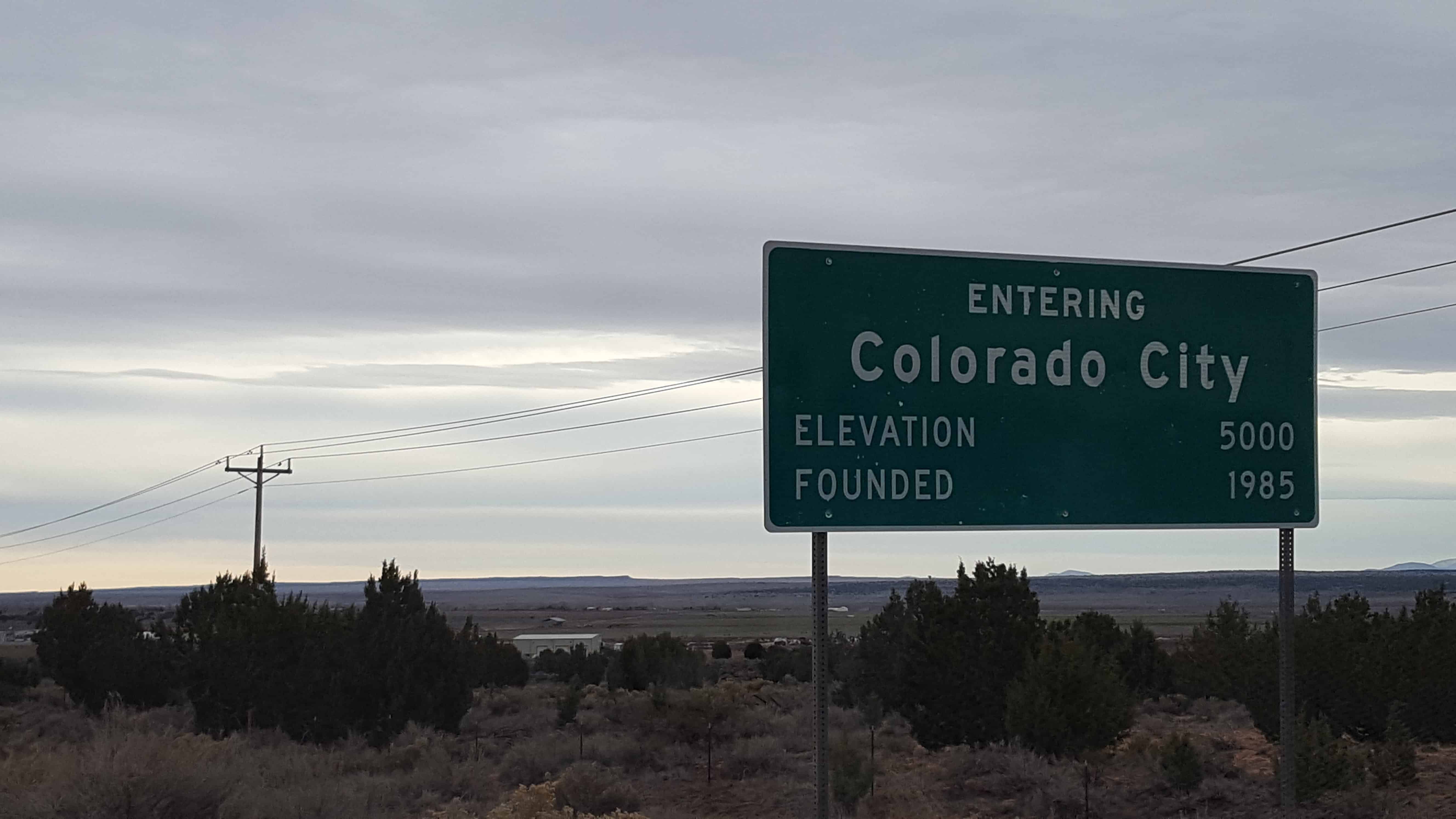
The area now known as Colorado City and Hildale was settled by members of the fundamentalist Mormon faith in the early 20th century. Originally founded as a cooperative farming community named Short Creek, its remote location was intentionally chosen to allow residents to practice their way of life, including polygamy, largely free from outside interference. The town officially incorporated as Colorado City, Arizona, in 1985, while its Utah counterpart became Hildale. For decades, the community remained insular, developing its own infrastructure and social norms distinct from mainstream American society. This isolation, while fostering a strong sense of community for its residents, also contributed to a certain mystique and, at times, controversy surrounding the towns.
Cultural Significance and Modern-Day Context
Today, Colorado City and Hildale are in a period of significant transition. While the foundational aspects of their history remain, the communities are becoming more open and integrated with the broader society. This evolution has led to a fascinating blend of traditional practices and modern influences. Visitors can observe this cultural juxtaposition, which adds a layer of depth to their travel experience. There are efforts by local residents and new settlers to foster tourism, create local businesses, and engage more broadly with the outside world. This makes visiting Colorado City not just a journey to a geographical location, but an encounter with a living, evolving history, providing a rare glimpse into a unique American community adapting to change. Educational initiatives and efforts to preserve local history are slowly emerging, inviting travelers to learn about the complexities and resilience of this community.

Planning Your Visit: Access and Logistics
For those intrigued by the location and history of Colorado City, Arizona, practical planning is essential to ensure a smooth and enriching travel experience. Accessibility, timing, and understanding local nuances are key components of a successful trip.
Getting There: Roads and Airports
The primary mode of transportation to Colorado City is by car. The town is most commonly accessed via Arizona State Route 389 or Utah State Route 59, both of which connect to Interstate 15. From St. George, Utah, travelers will take State Route 59 east. From Fredonia, Arizona, travelers will take Route 389 west. The roads are generally well-maintained, but visitors should be aware of potential wildlife crossings, especially at dawn and dusk. Due to the rural nature of the area, cell service can be spotty in certain stretches, so downloading offline maps is advisable.
For air travel, the closest commercial airports are St. George Regional Airport (SGU), offering regional flights, and McCarran International Airport (LAS) in Las Vegas, Nevada, for broader domestic and international connections. Renting a car from either of these locations is highly recommended, as public transportation to Colorado City is virtually nonexistent. Travel from Phoenix Sky Harbor International Airport (PHX) would involve a considerably longer drive, typically 6-7 hours.
Best Times to Travel
The American Southwest experiences significant seasonal variations. The best times to visit Colorado City and its surrounding national parks are generally spring (April to May) and fall (September to October). During these periods, temperatures are mild and pleasant for outdoor activities like hiking and sightseeing. Summer (June to August) can be extremely hot, with daytime temperatures often exceeding 100°F (38°C), making outdoor exploration challenging and requiring careful hydration and planning. Winter (November to March) brings cooler temperatures, and while snow is possible, especially at higher elevations, it is generally less severe than in more northern regions. However, some roads to the Grand Canyon North Rim or other higher-elevation attractions may be closed during winter months.
Beyond the Map: Experiences in the Area
Once you’ve successfully located Colorado City, Arizona and planned your logistics, the next step is to immerse yourself in the experiences this unique region offers. Beyond its historical context, the area is a treasure trove of natural beauty and outdoor adventure.
Exploring Local Natural Beauty
The immediate vicinity of Colorado City offers stunning desert landscapes ripe for exploration. The red rock cliffs and expansive vistas provide excellent opportunities for photography, hiking, and simply enjoying the solitude of the desert. Travelers can discover local trails that wind through canyons and along plateaus, offering unique perspectives of the geological formations that dominate the horizon. Keep an eye out for diverse desert flora and fauna, including various cacti, yucca plants, and occasional sightings of roadrunners, coyotes, or even desert bighorn sheep. The area is also part of a Dark Sky region, making for spectacular stargazing opportunities away from urban light pollution.
Nearby Attractions and Day Trips
Colorado City’s strategic location makes it an ideal base for numerous day trips to world-renowned attractions:
- Zion National Park: Just an hour’s drive away, Zion offers iconic hikes like Angels Landing (permit required) and The Narrows, as well as scenic drives and ranger-led programs.
- Grand Canyon National Park (North Rim): A quieter, more intimate experience of the Grand Canyon can be found at its North Rim, roughly two hours south. It offers breathtaking views and less crowded trails than its southern counterpart.
- Pipe Spring National Monument: A historical oasis and a key site for understanding pioneer life and Native American history in the region, about 30 minutes east.
- Kanab, Utah: Known as “Little Hollywood” for its history as a film location, Kanab is about an hour’s drive east and offers restaurants, shops, and access to permits for The Wave.
- Vermilion Cliffs National Monument: This vast wilderness area, to the east, contains highly sought-after natural wonders like The Wave, Buckskin Gulch, and Paria Canyon. Access often requires permits and specific vehicles.
- Bryce Canyon National Park: Approximately two and a half hours northeast, Bryce Canyon is famous for its unique geological structures called “hoodoos,” offering stunning amphitheater views and hiking trails.
- St. George, Utah: For a change of pace, St. George provides urban amenities, historical sites like the St. George Utah Temple, museums, and a wider array of dining and shopping options.
While Colorado City itself may not be a bustling tourist hub, its geographical position and unique cultural narrative, combined with its proximity to some of the American Southwest’s most spectacular natural wonders, make it a compelling stop for travelers seeking an authentic and adventurous journey. Its story is one of resilience, transformation, and unparalleled natural beauty, waiting to be discovered by those willing to look beyond the ordinary.
LifeOutOfTheBox is a participant in the Amazon Services LLC Associates Program, an affiliate advertising program designed to provide a means for sites to earn advertising fees by advertising and linking to Amazon.com. Amazon, the Amazon logo, AmazonSupply, and the AmazonSupply logo are trademarks of Amazon.com, Inc. or its affiliates. As an Amazon Associate we earn affiliate commissions from qualifying purchases.